

Have questions or interested in our premium window solutions? Reach out to us—we're here to help!
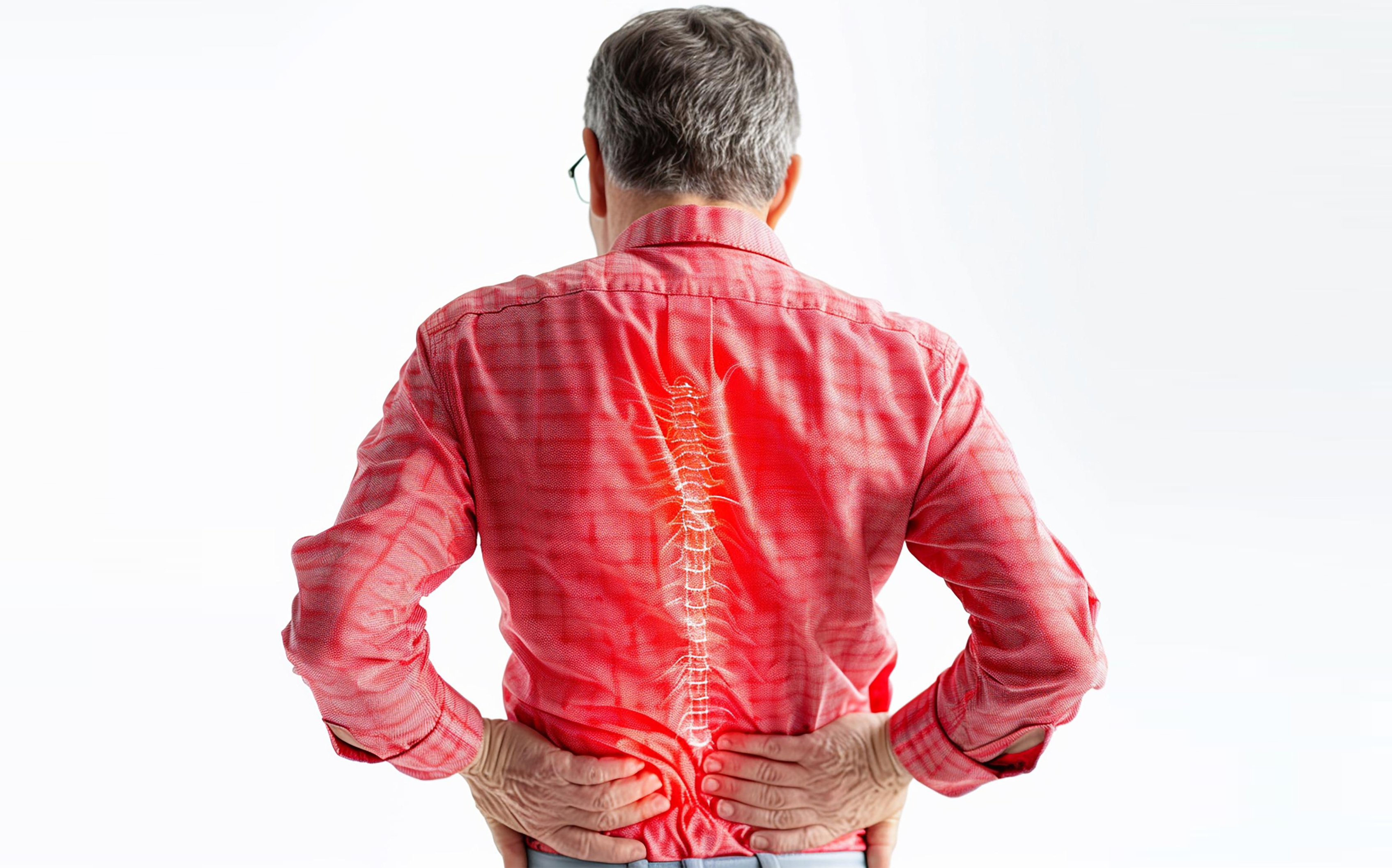
If you have experienced a spinal cord injury, you may find assistive technology (AT) or adaptive equipment useful as you return home and to the workplace.
Your spine is like the central pillar of your body, as it gives you shape and support, and you stand tall. Additionally, it protects the nerves that connect your brain to the rest of your body, so that you can bend, twist, and move with ease.
But when a spinal cord injury happens, you can feel like your life has turned upside down. Recovery isn’t always quick, but under the right guidance, progress is possible. Spinal cord injury rehabilitation centres play a significant role here. The best center guides you through spinal cord rehabilitation exercises for your core muscles, improves flexibility, and supports your posture.
These exercises not only help you with movement but also reduce pain and avoid further injuries. The best rehab center gives you comprehensive care, from physical therapy to emotional support to robot-guided rehabilitation. Remember, taking care of your spine today under expert care helps you move toward a healthier tomorrow, even after a setback.
The best spinal cord injury rehabilitation centers, like Walk Again, will use the following technologies to help you recover faster.
This wearable robotic suit recognizes your brain's signals. This helps support and boost your muscle movements, helping you regain walking ability by working on your brain and muscle connection.
It is a Non-invasive sensor that connects your brain directly to external devices. This allows you to control body movements or rehabilitation tools with your thoughts, so that you can restore lost functions after spinal injury.
At Walk Again, we use Connectomics Guided rTMS, a method where we map the brain’s connections to guide targeted magnetic stimulation. This modern method helps us accurately target the specific areas of the brain to enhance functions due to neurological disorders.
This technology provides interactive tasks and feedback so that retraining of your brain and body coordination can be done. This helps improve movement control and motivation during rehab.
It is a balance and posture training device. It provides real-time feedback on your body position to help rebuild better balance and stability after spinal injury.
This technology monitors muscle electrical activity to guide the ongoing therapy. This ensures targeted muscle activation and prevents muscle wasting for smooth recovery.
The advanced technology used at Walk Again to help recovery from spinal injuries has the following benefits when compared to traditional methods:
Your doctor will customize the spinal cord rehabilitation exercises according to your condition and the part you want to target. Some of the common exercises are:
You should contact the best spinal cord injury rehabilitation centre, like Walk Again, if you experience the following symptoms:
Assistive walking technology is no longer a vision for the future—it's a life-changing reality for thousands of people. From best mobility aids for leg injury to robotic exoskeleton for walking after injury, these technologies are restoring independence and dignity.
With the growth in technology to help paralyzed walk again, the future of paralyzed individuals is brighter, with faster recovery, improved rehabilitation, and a new hope.

Stay up to date with the latest news and promotions!