

Have questions or interested in our premium window solutions? Reach out to us—we're here to help!
-Desk.png)
.png)
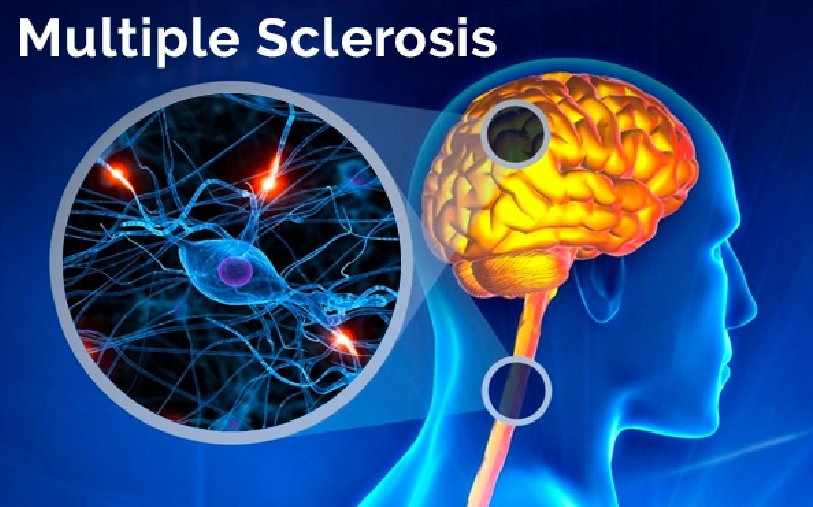
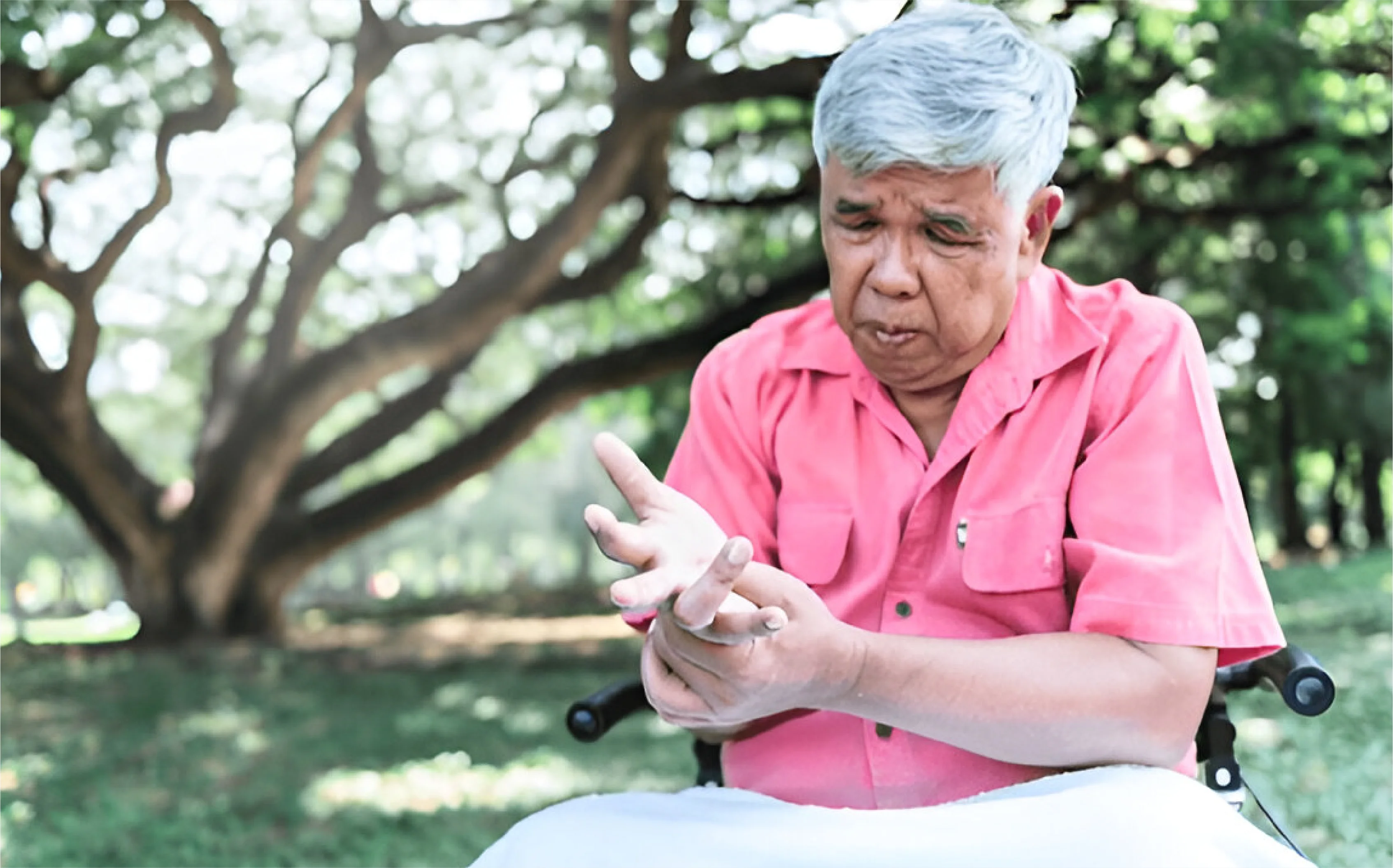
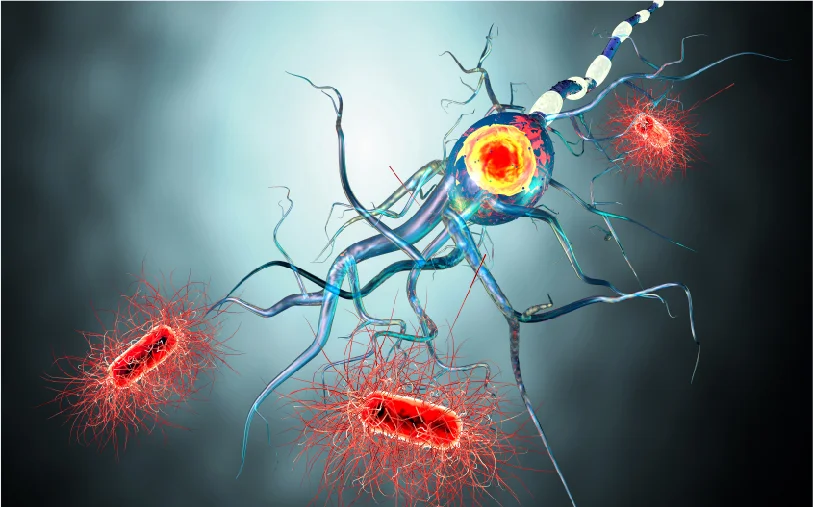
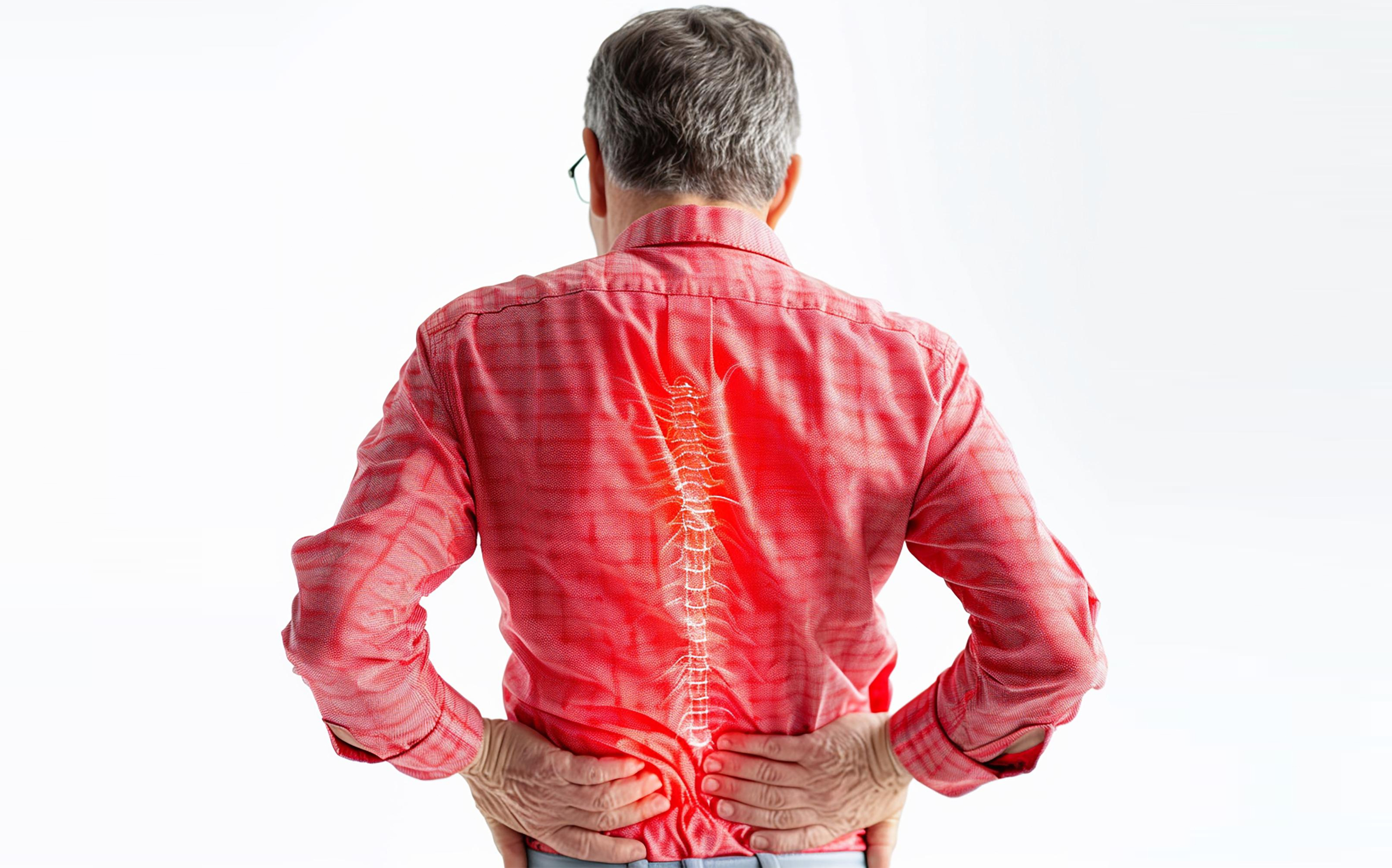
Multiple sclerosis (MS) is a disorder in which the protective covering (myelin) of nerves gets damaged, causing numbness, weakness, difficulty in walking, blurred vision, and other symptoms. Our own immune system starts damaging the protective coating that surrounds nerve fibres. This hinders the proper communication between the brain and the rest of the body. Eventually, the condition may cause irreversible nerve fibre damage.
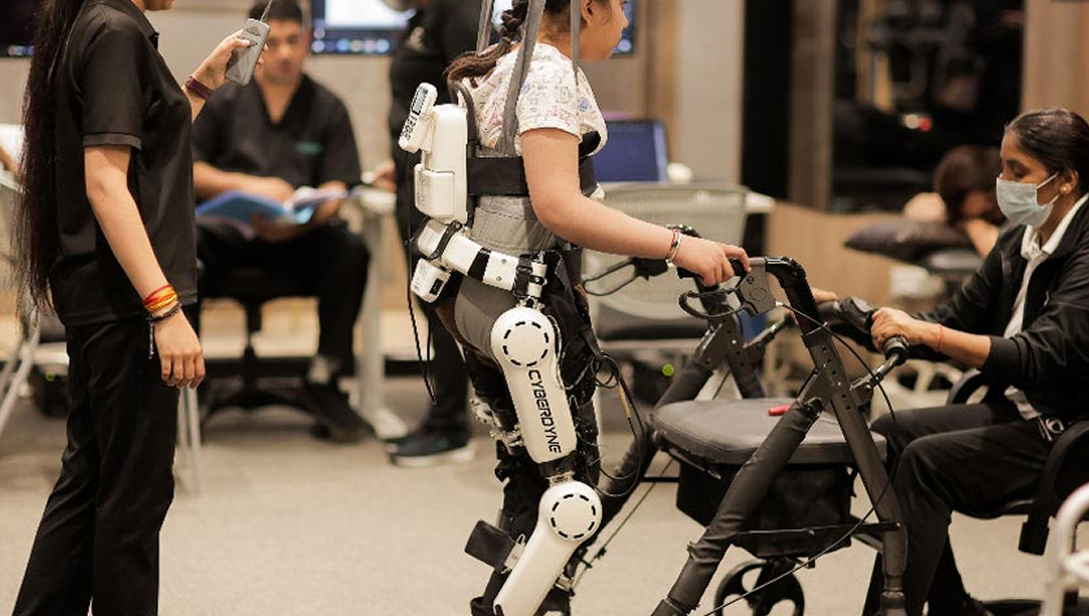
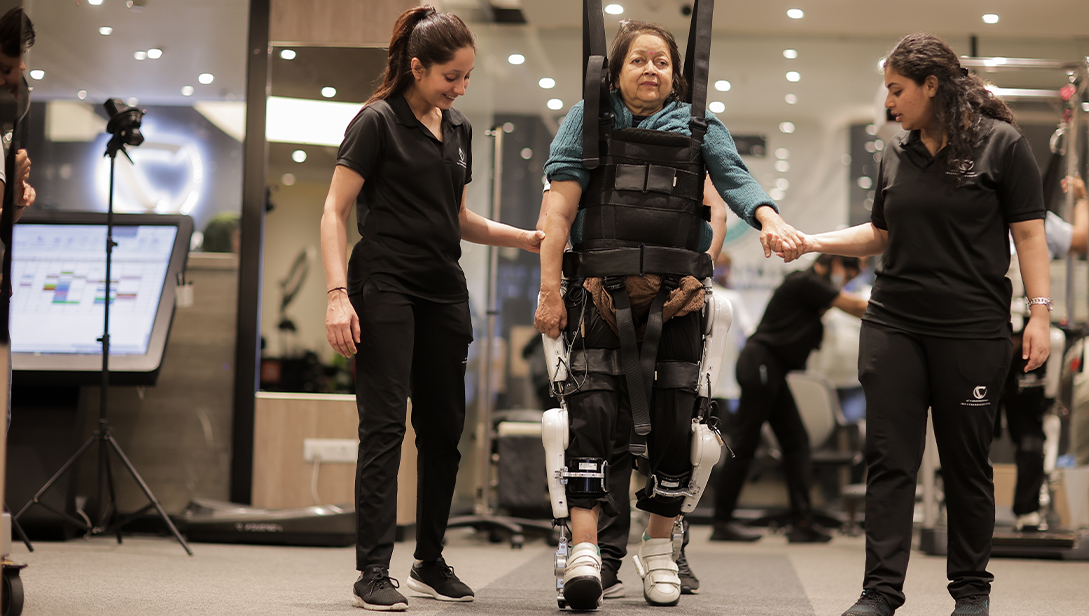
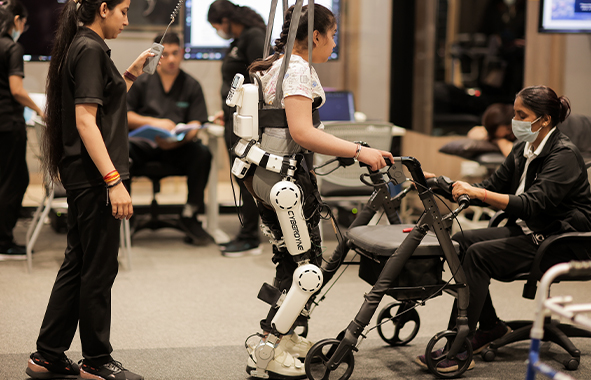
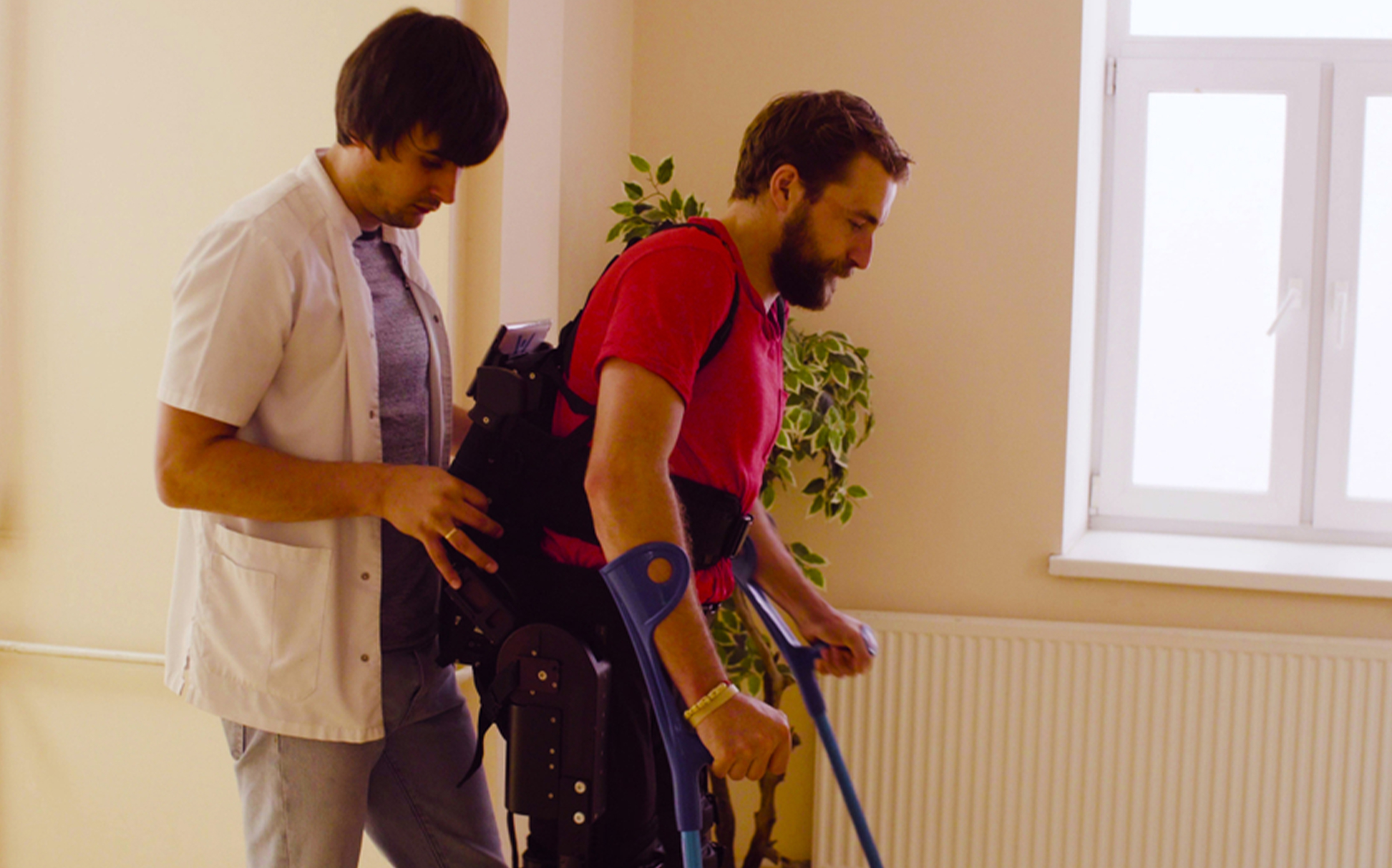
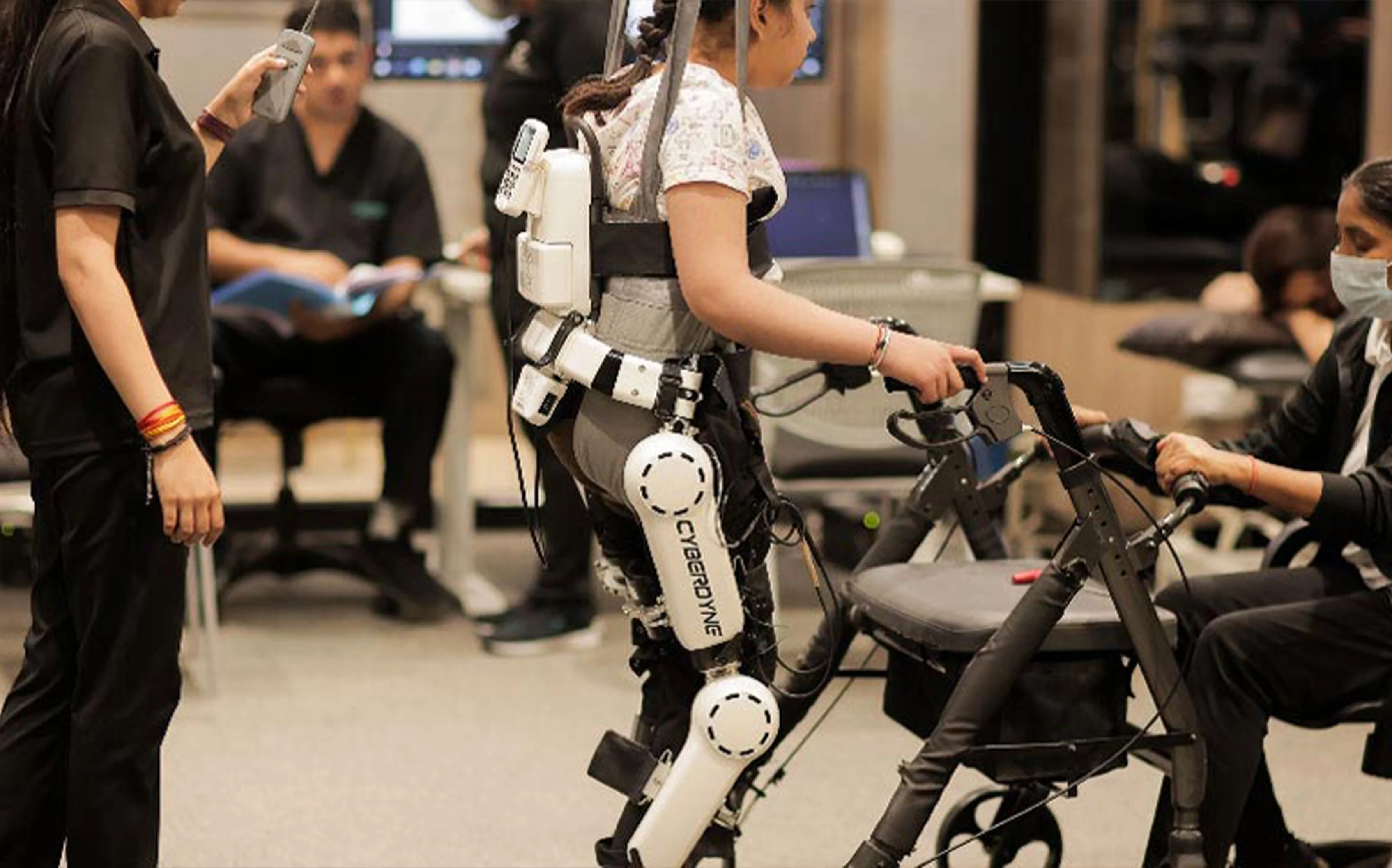
It supports and enhances human mobility and strength. It uses special technology to pick up muscle signals from the wearer and boost their strength and movement.
Trunk control and sitting balance training.
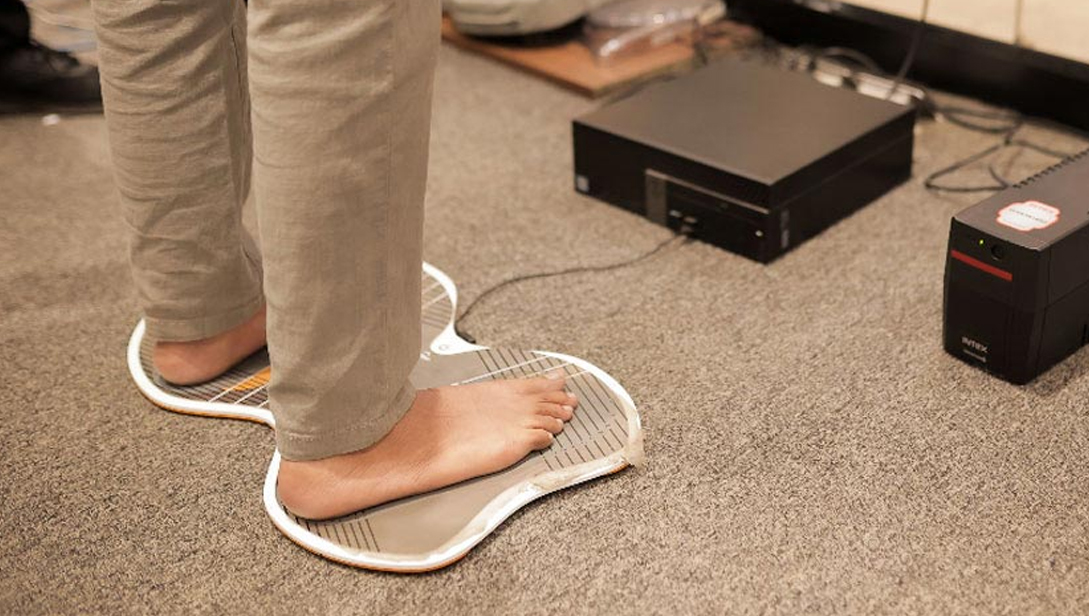
It is a versatile rehabilitation platform that focuses on balance and coordination training. Its interactive system provides real-time feedback, allowing therapists to design customised exercises.
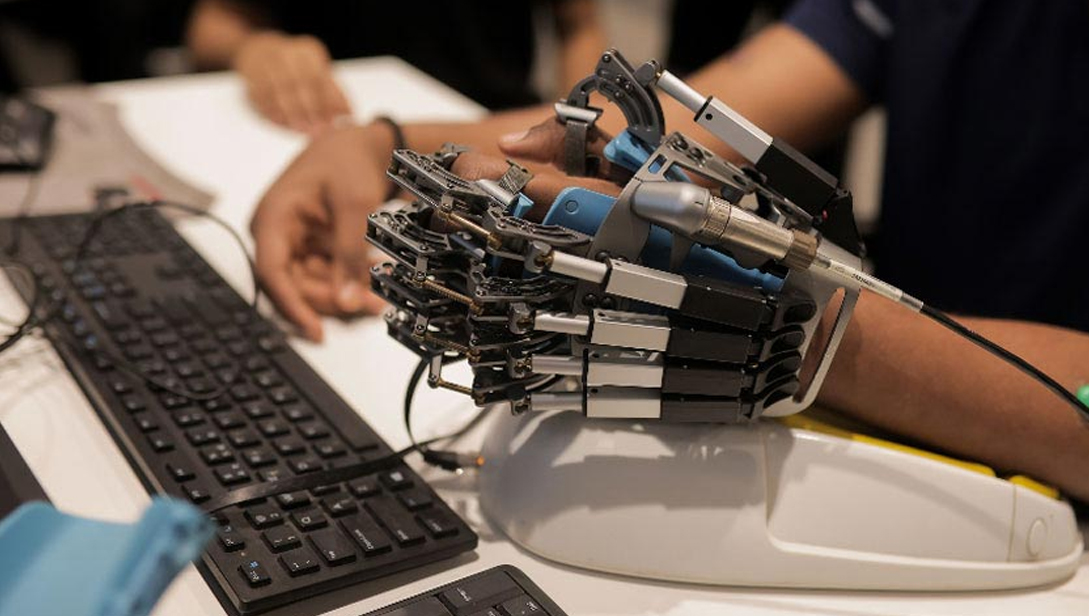
It uses sensors to detect muscle signals and assists patients in opening and closing their hands. This helps in strengthening muscles and improving coordination.
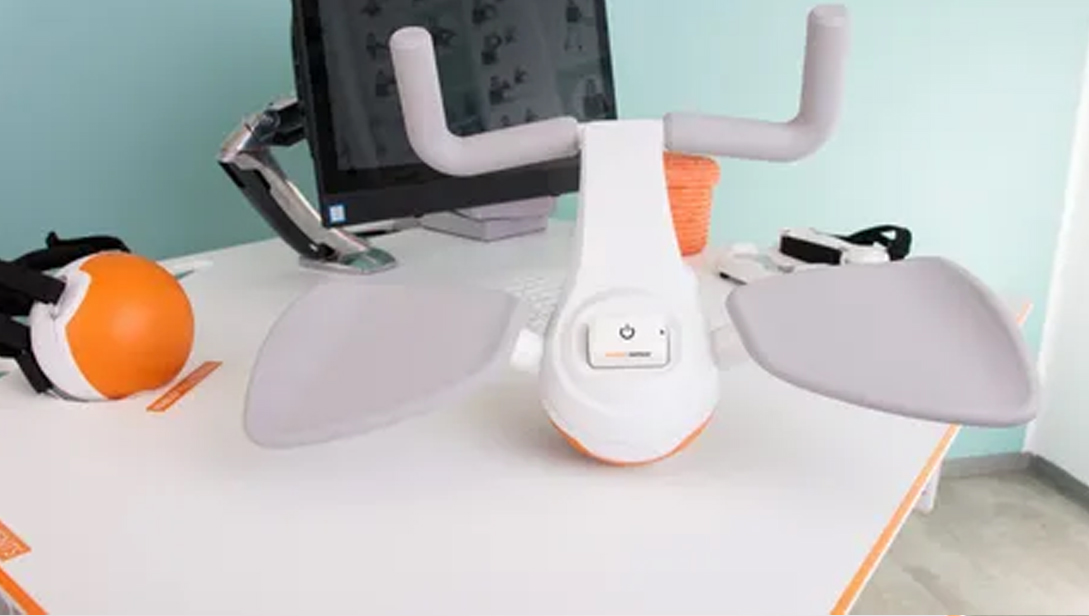
It is a comprehensive tool for rehabilitation, combining sensors and software to assess and train various motor functions.
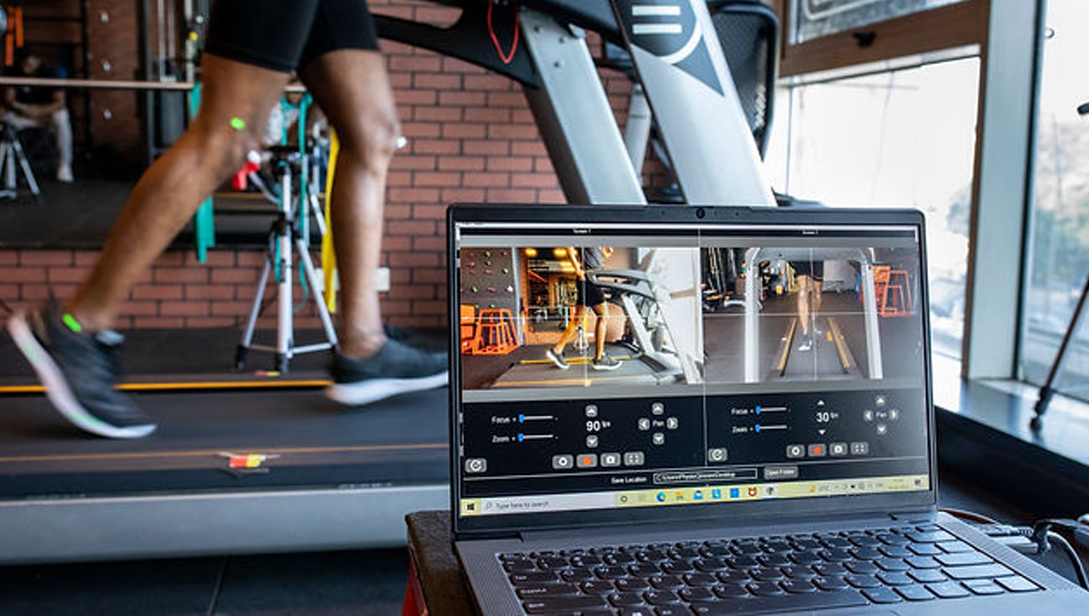
It includes advanced sensors and analysis software to assess and enhance walking patterns. By providing detailed biomechanical data, it helps in designing customized rehabilitation programs.
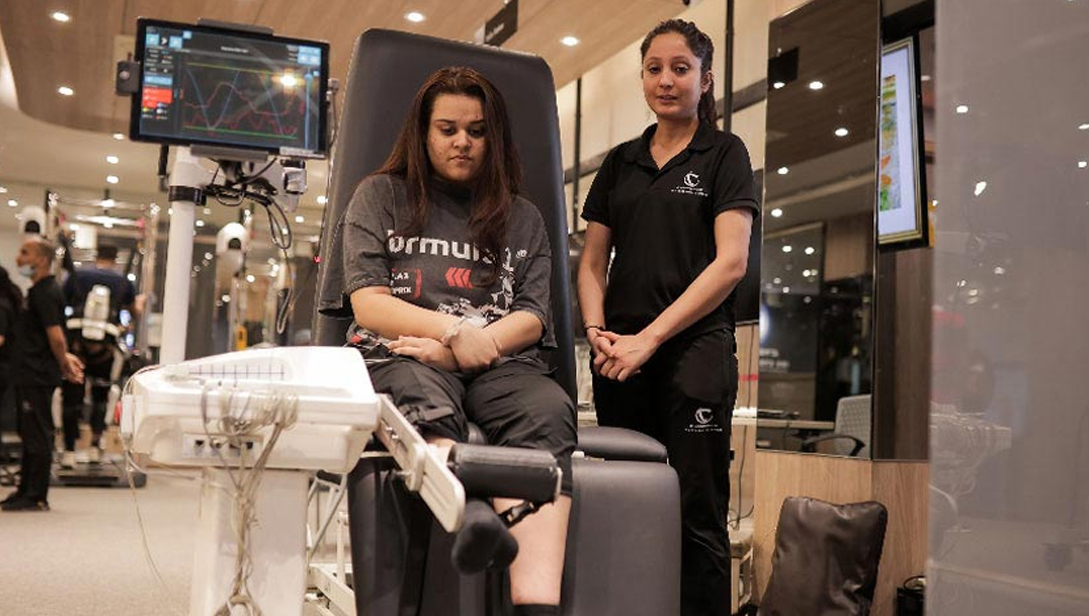
It provides detailed assessments of muscle and nerve function through electromyography (EMG).
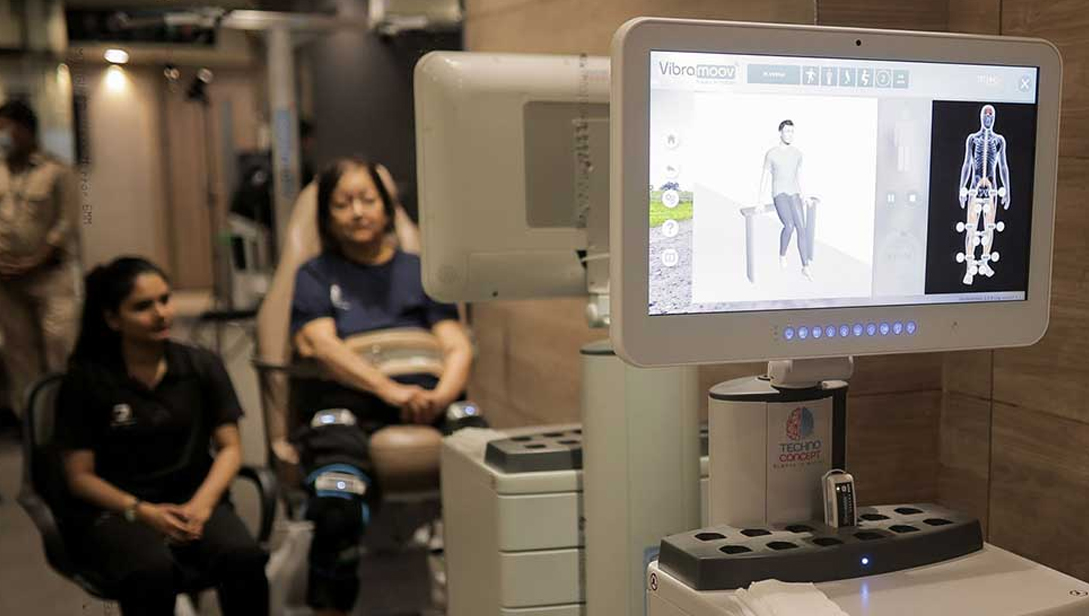
It involves functional stimulation to mimic natural movement patterns to enhance mobility and independence.
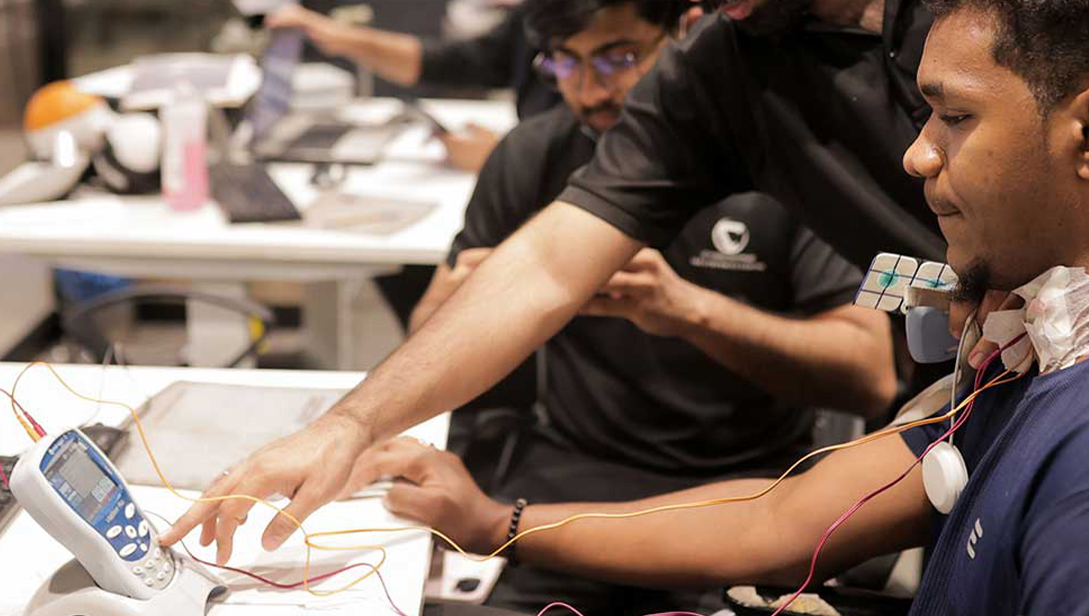
It is a specialized treatment for dysphagia, or swallowing difficulties, combining electrical stimulation with swallowing exercises.
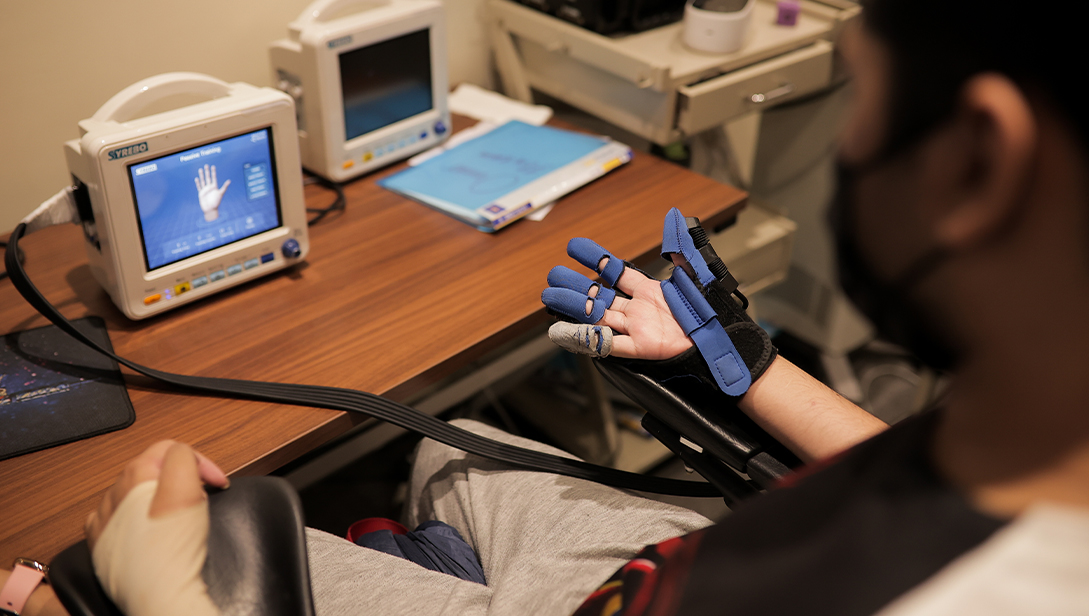
Hand function training.
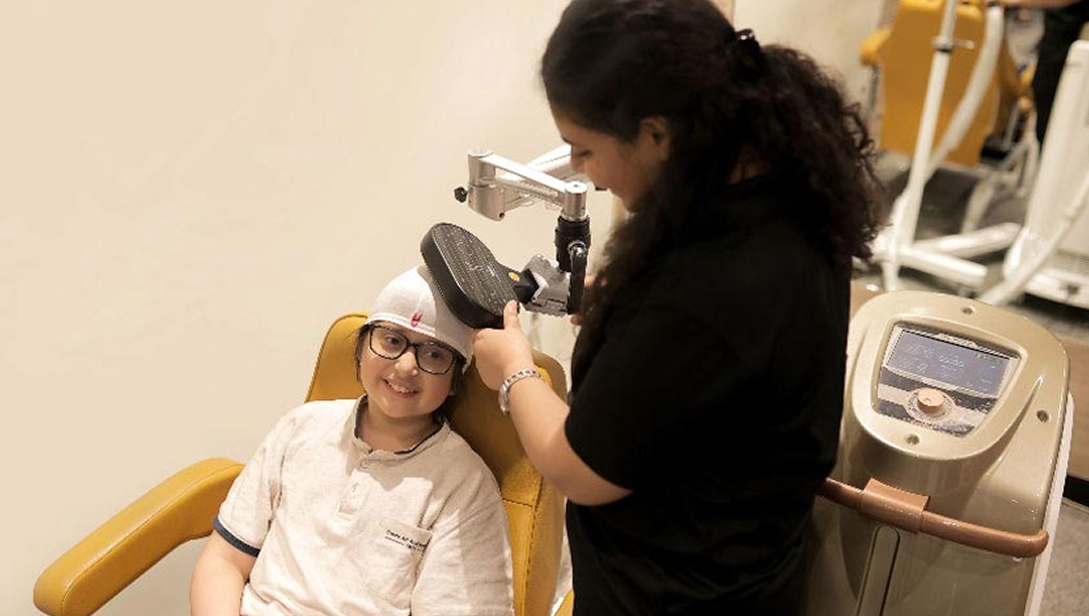
Precise brain stimulation using network mapping.
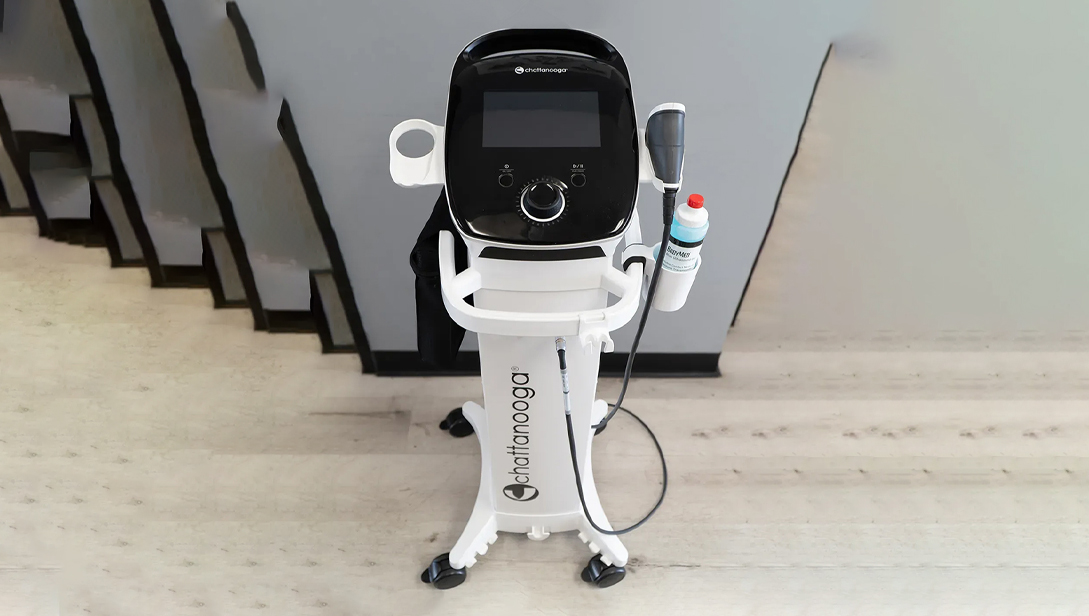
Pain relief and neuromuscular electrical stimulation.
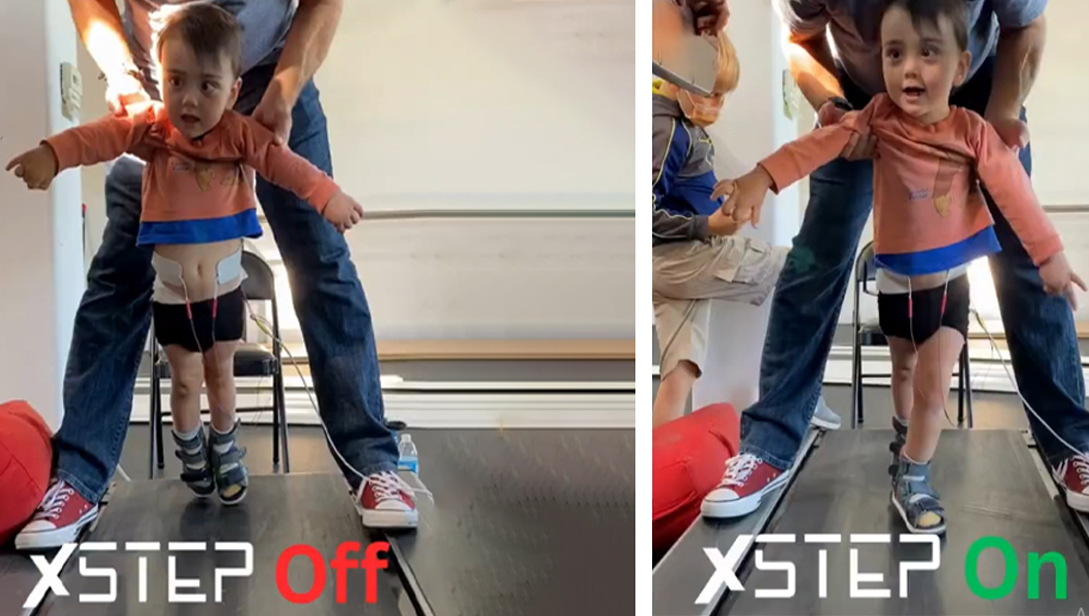
Step is a non-invasive spinal cord stimulation technology that strengthens communication between the brain and spine.
Sudden onset of symptoms.
Early neurorehab enhances relapse severity.
Symptoms stabilize or get better.
Rehab focuses on sustaining function and mobility.
Restore independence & maintain progress
Disease worsens progressively.
Rehab attempts to retard disease progression and regain ability by relearning.

 View
video testimonial
View
video testimonial
 View
video testimonial
View
video testimonial
 View
video testimonial
View
video testimonial
 View
video testimonial
View
video testimonial
 New
Delhi: +91 9035030623
New
Delhi: +91 9035030623
 Hyderabad: +91 9035030623
 Bengaluru: +91 9035030623
 Malaysia: +606 235 4000
 Muscat:
+968 22 496007
Muscat:
+968 22 496007
Walk Again is growing its reach throughout Southeast Asia, bringing advanced neuro-recovery services to more patients. Also opened in Oman.
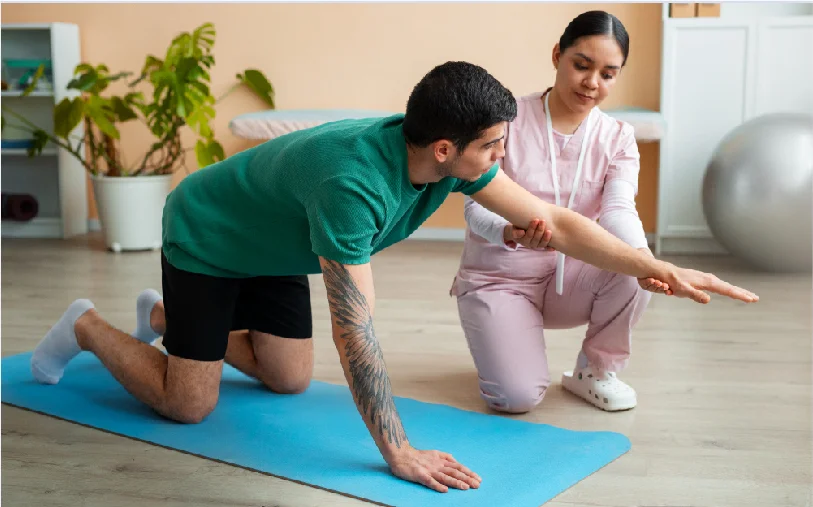
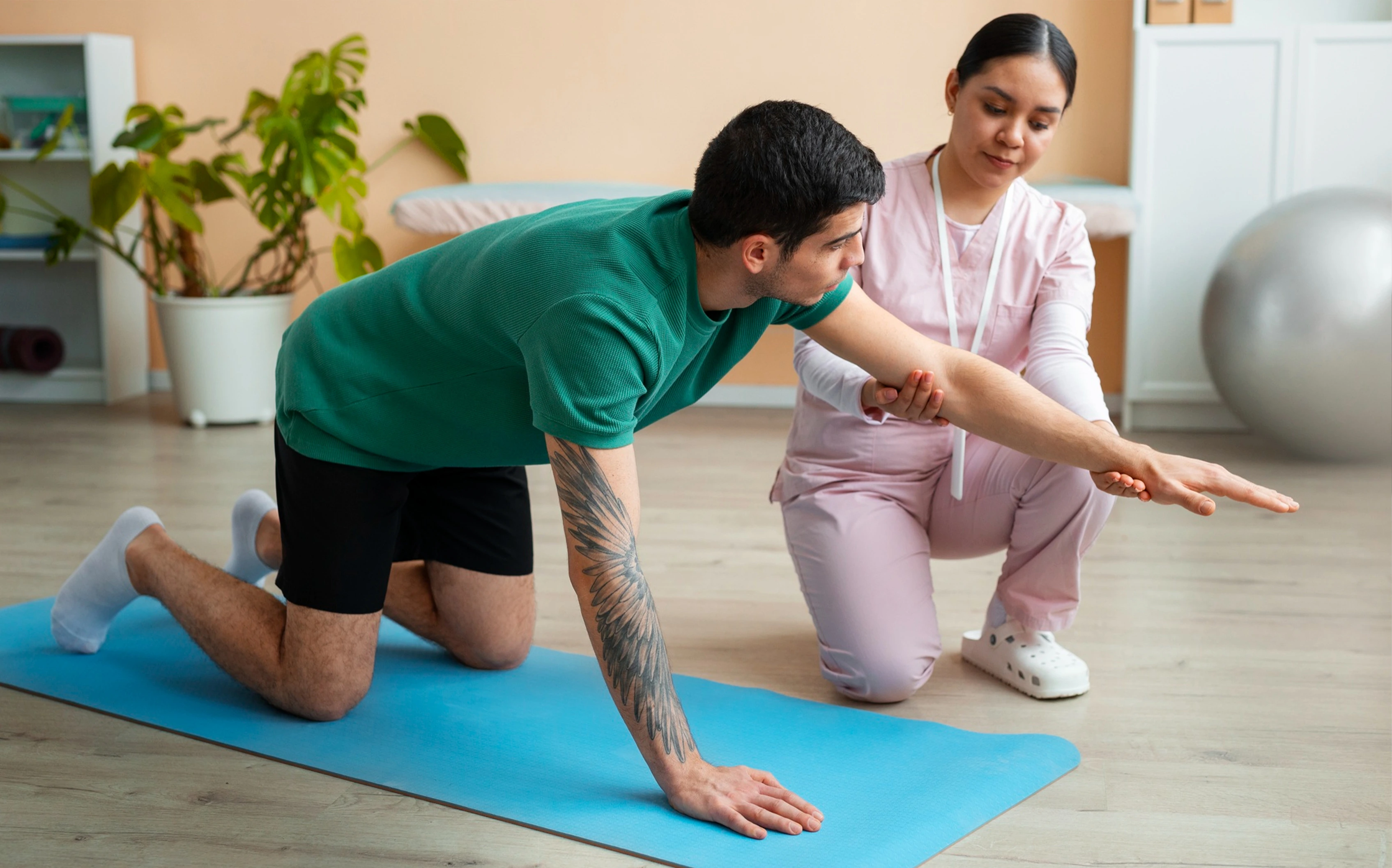
Contact UsYes, multiple sclerosis rehabilitation involves programs to increase mobility by physical therapy, movement training, and the use of assistive devices. Although full mobility is not regained by all, rehabilitation increases the ability to walk and to move.
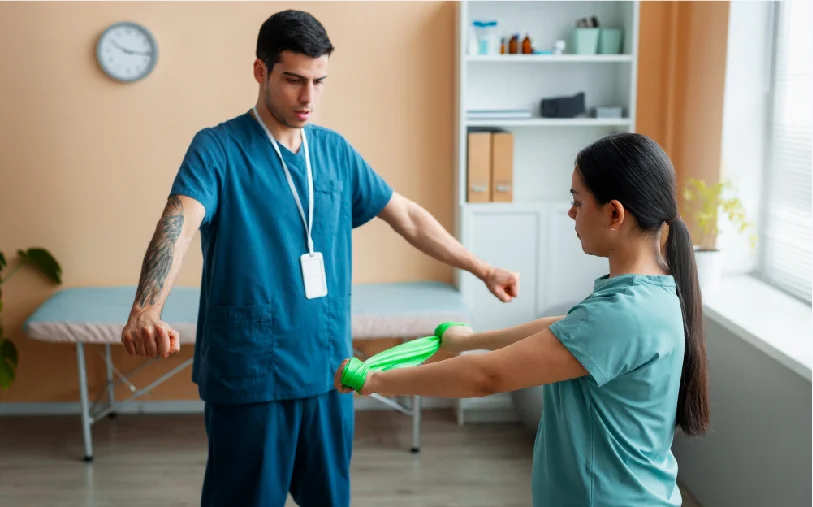
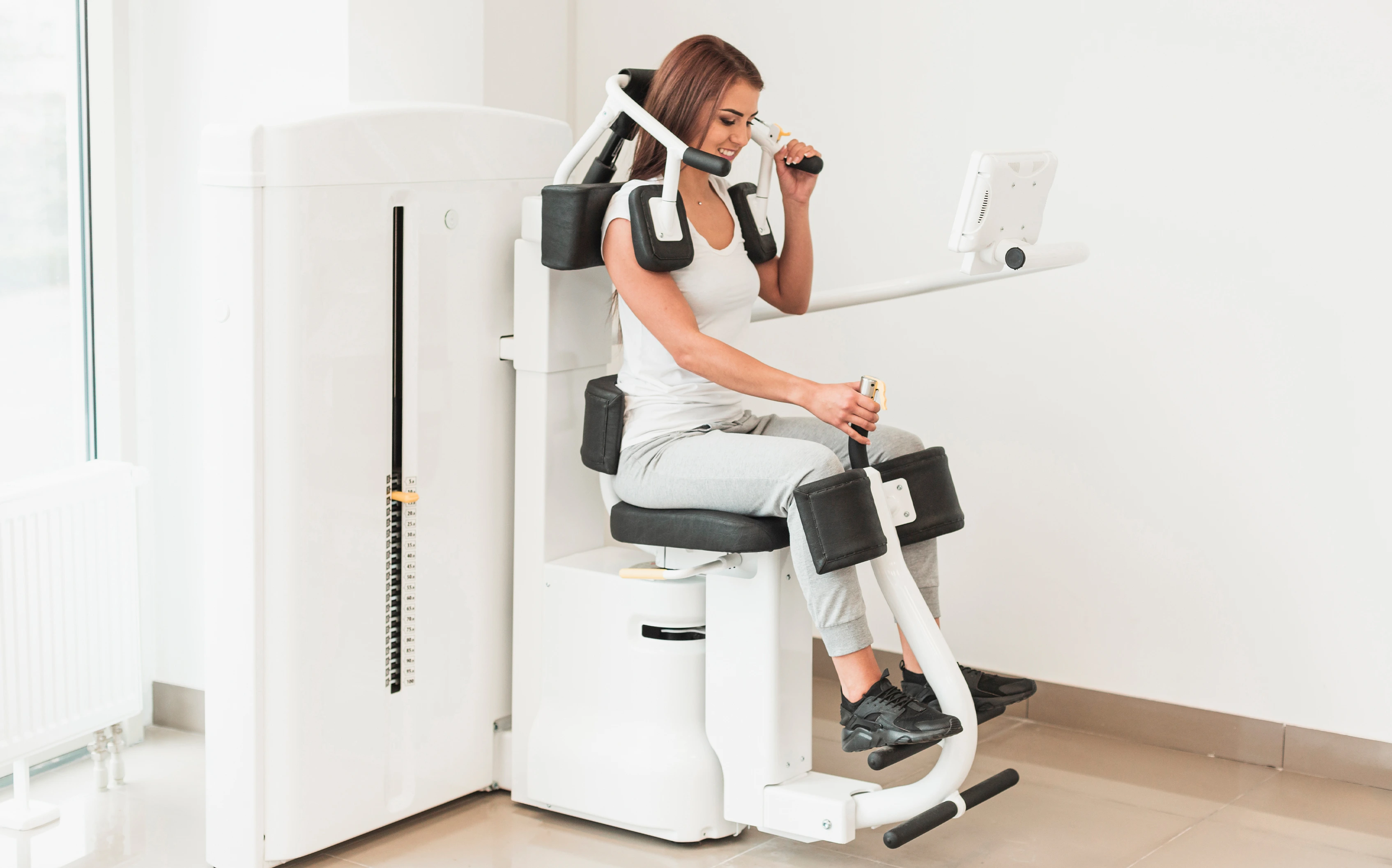
Suitable MS treatments for enhancing mobility are physical therapy, occupational therapy, hydrotherapy, and lifestyle changes. These maintain muscle strength, balance, and coordination.
The duration of time differs with individuals. For some, results are seen in weeks, whereas for others, therapy is needed on a constant basis for months or even years. Consistency is the word when it comes to long-term improvement.
Yes! Caregivers and family members are also important by promoting exercises, helping with daily activities, and giving emotional support. Their participation increases the effectiveness of rehabilitation.
Hydrotherapy (Water Therapy) decreases muscle stiffness, enhances movement, and reduces stress on joints. It is an excellent low-impact exercise for MS patients.
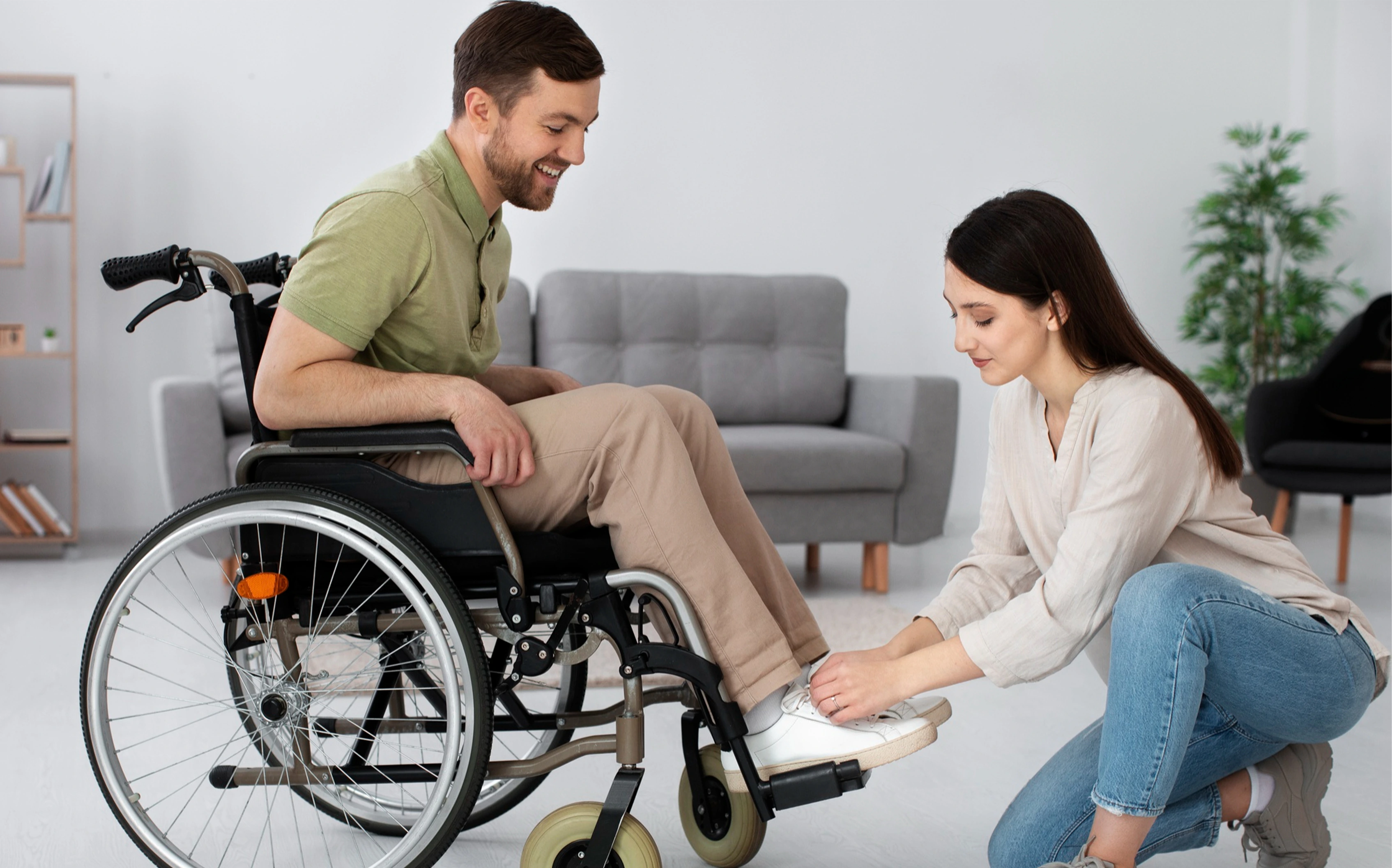
Not all persons with MS require assistive equipment, but a cane, braces, or wheelchair can enhance independence and mobility in individuals with great movement impairment.
Yes! Part of multiple sclerosis therapy is using methods to manage fatigue, eliminate pain, and enhance energy through individualized exercise and lifestyle modification.
No, MS rehabilitation does not heal the disease, but it is able to control symptoms, enhance mobility, and improve quality of life for people who have MS.







.webp)