

Have questions or interested in our premium window solutions? Reach out to us—we're here to help!

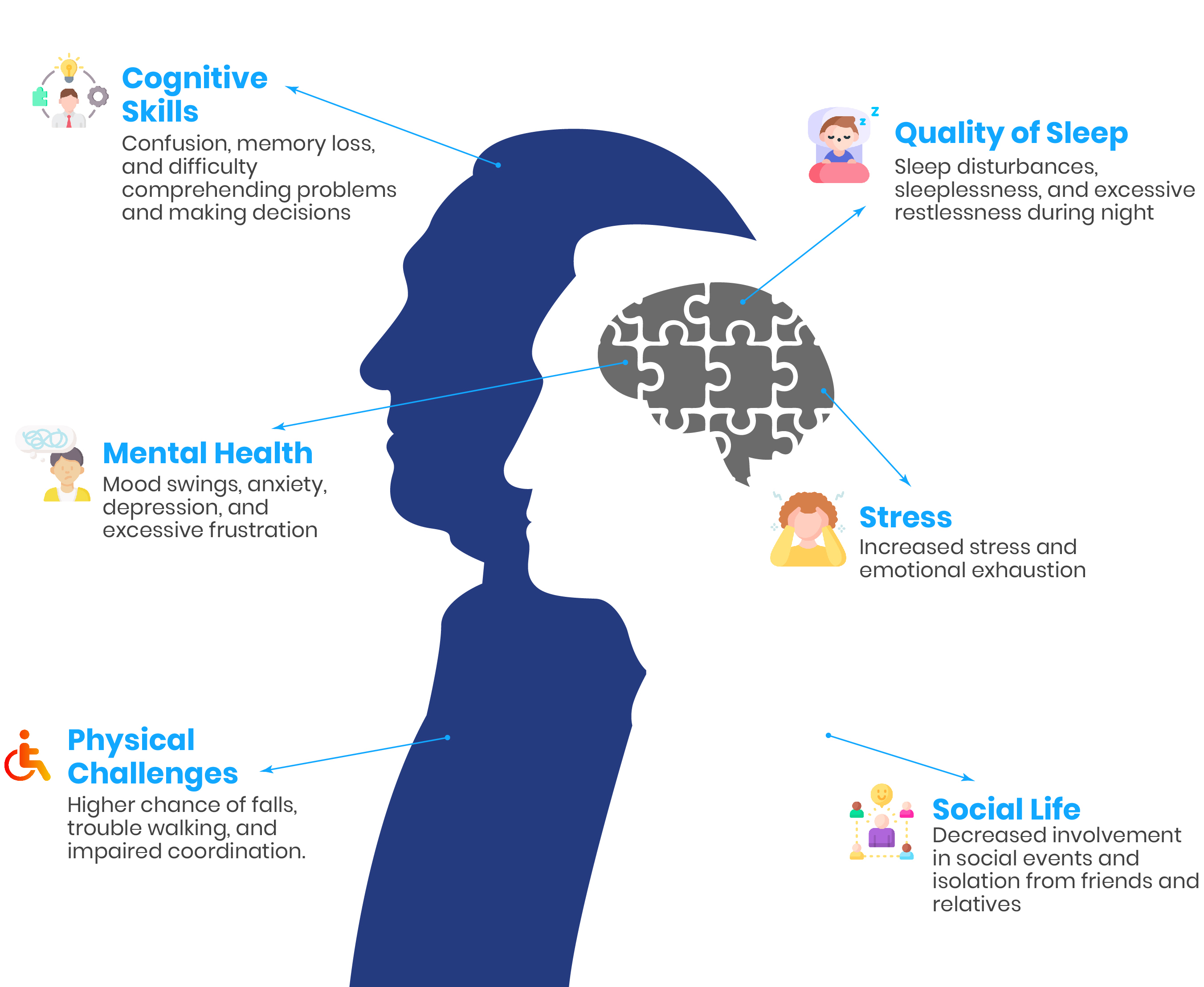
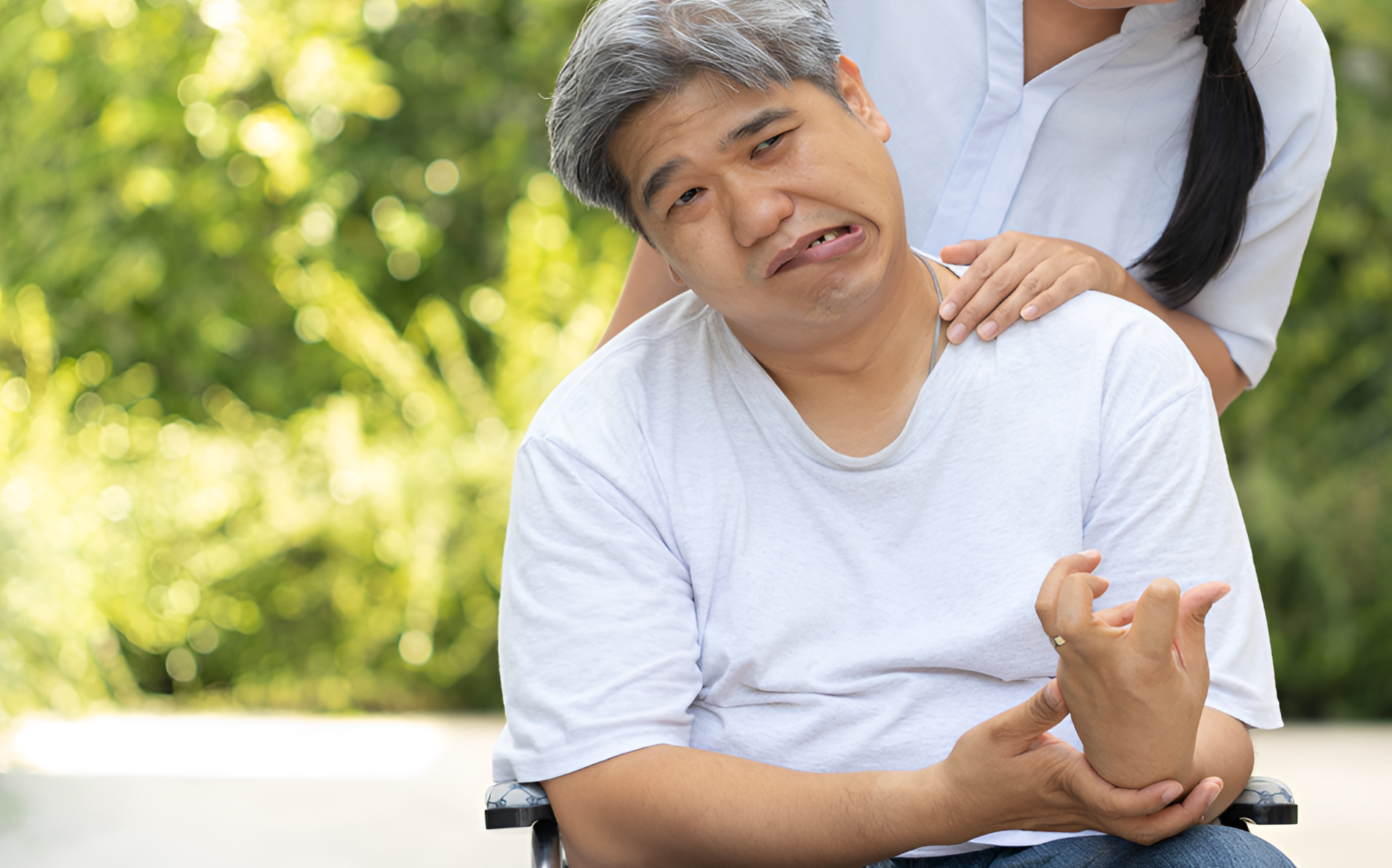
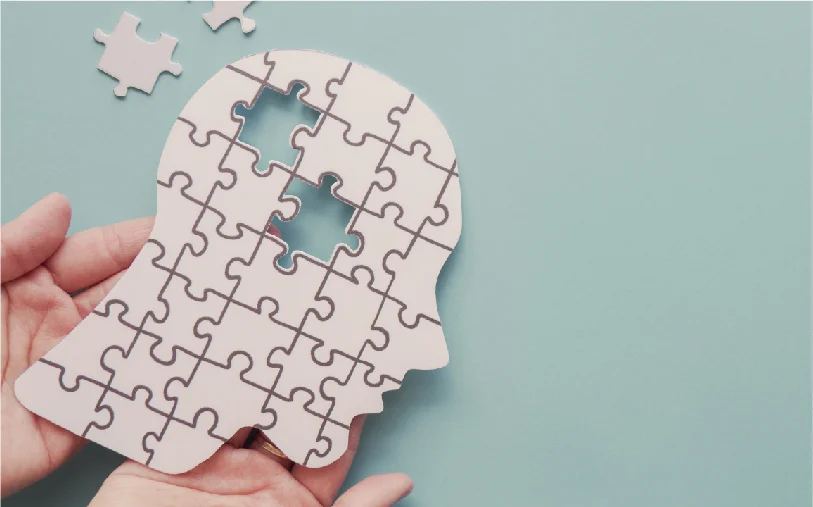
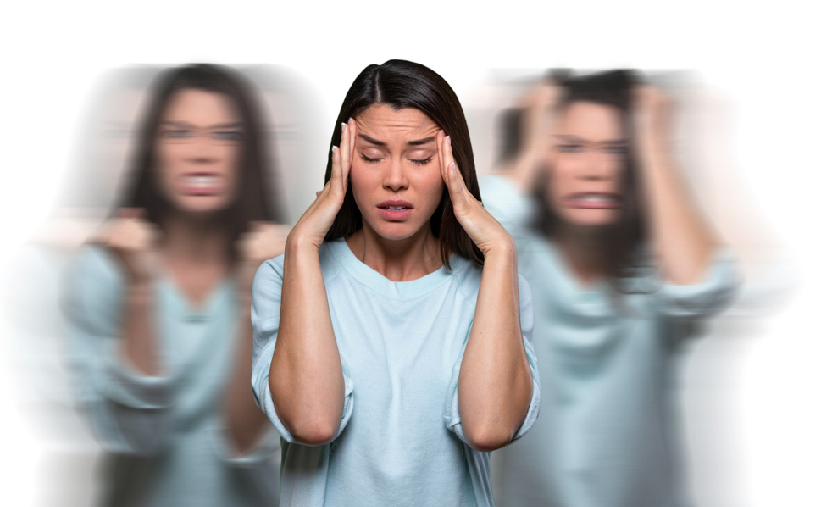
Alzheimer's has its major impact on memory and cognitive function, resulting in severe impairments in activities of daily living. Physically, it may result in coordination and mobility challenges. Emotional breakdowns, confusion, frustration, and mood swings are also associated with this disorder. Sensory processing may be impaired, resulting in failure to adapt in the environment.
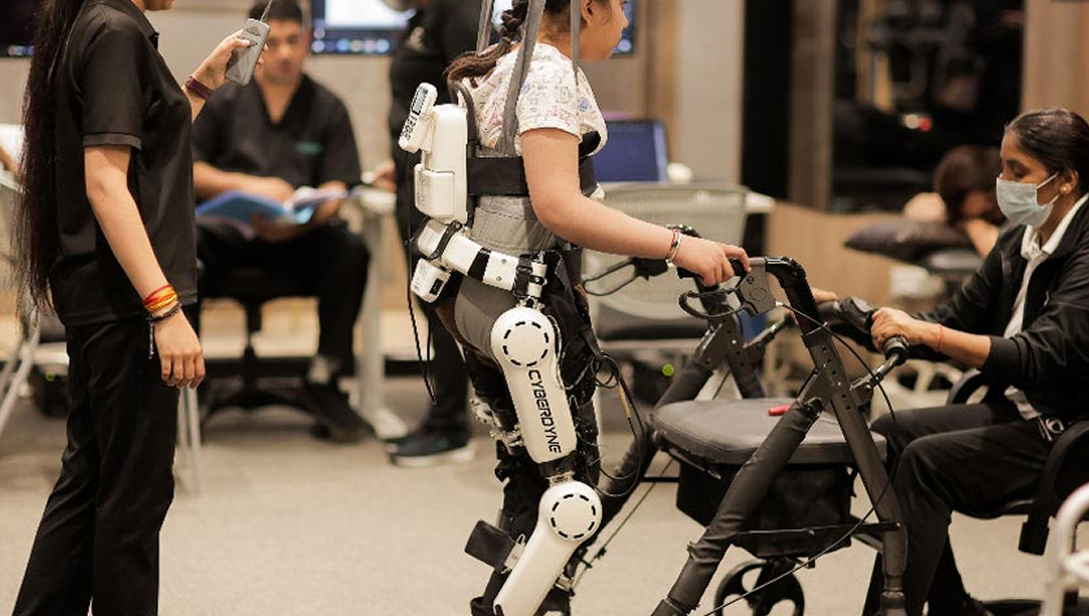
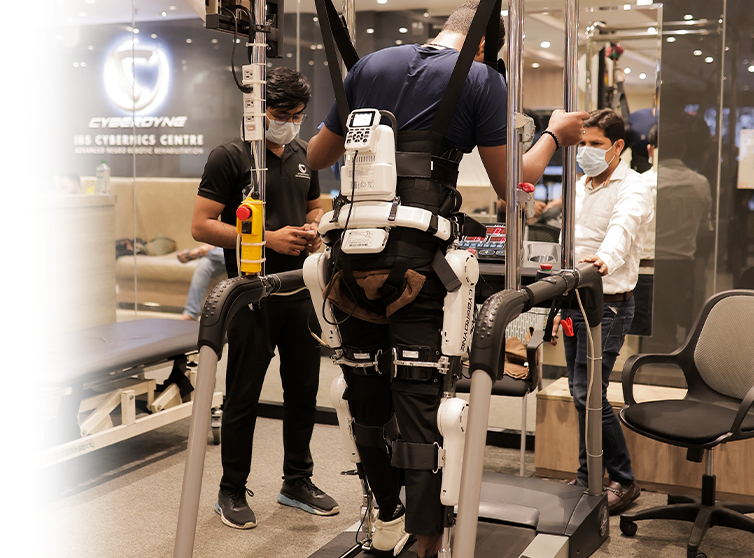
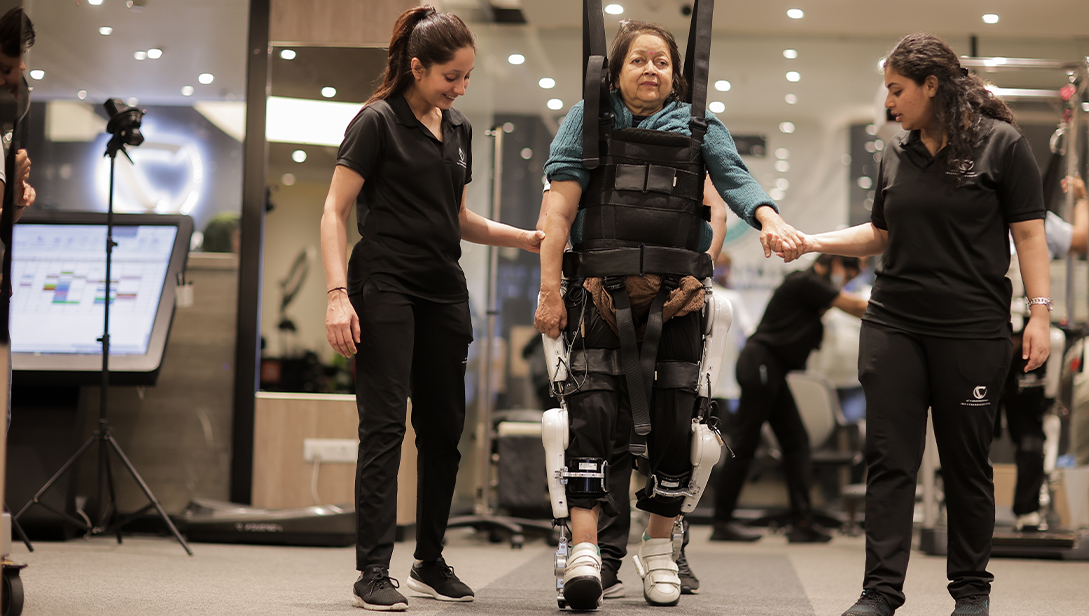
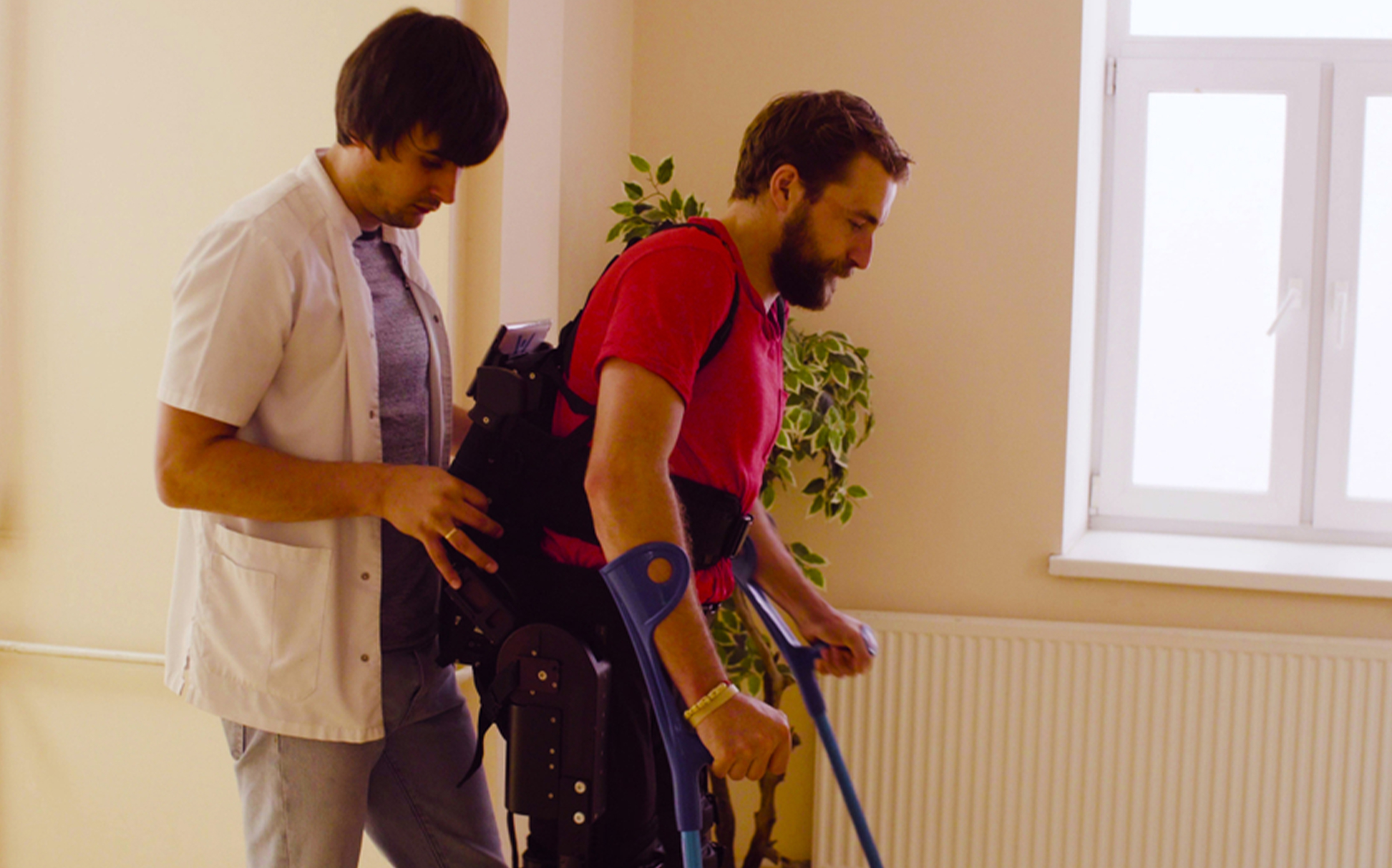
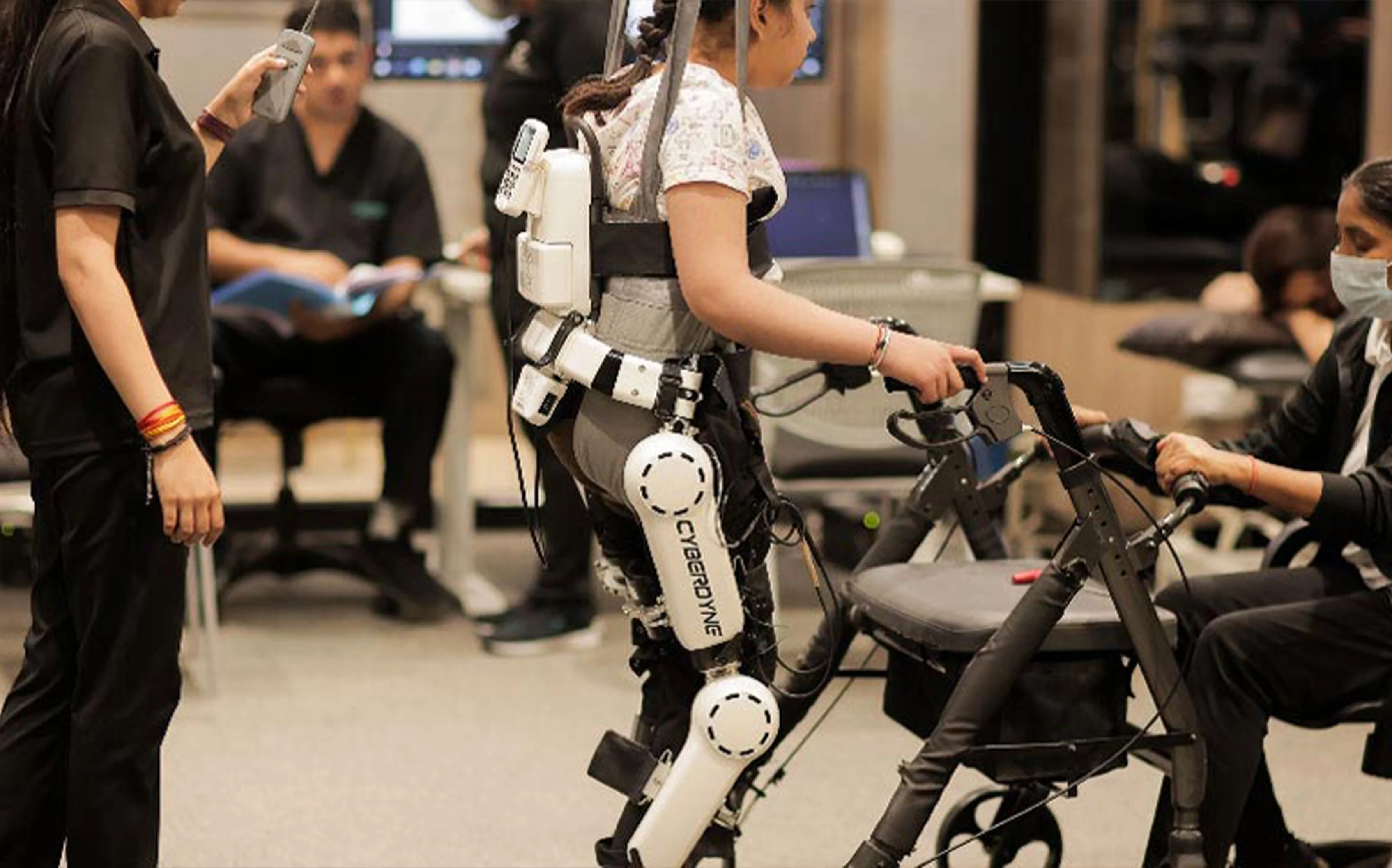
It supports and enhances human mobility and strength. It uses special technology to pick up muscle signals from the wearer and boost their strength and movement.
Trunk control and sitting balance training.
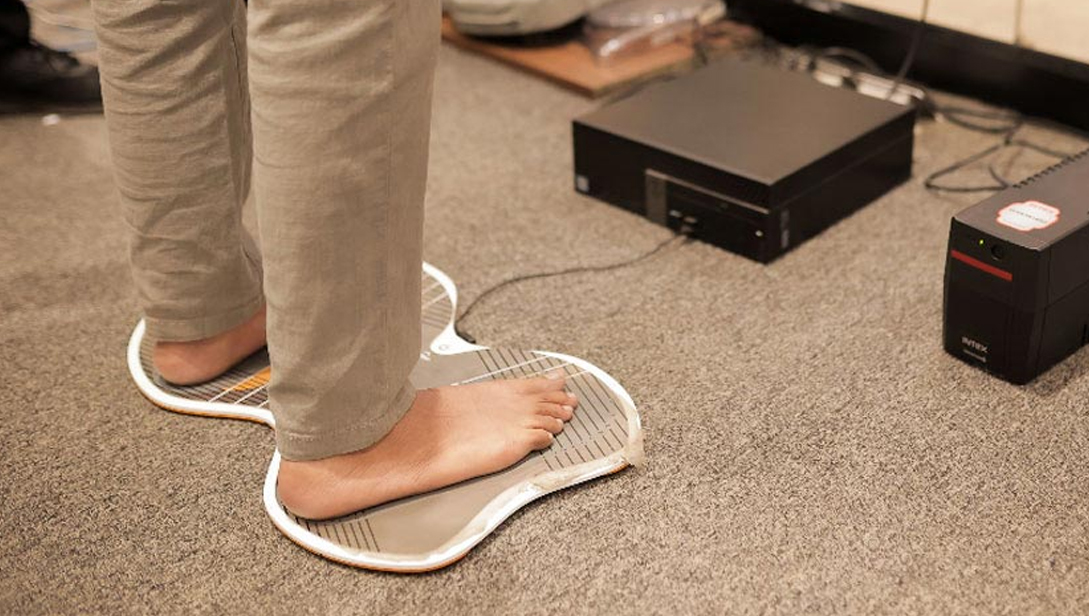
It is a versatile rehabilitation platform that focuses on balance and coordination training. Its interactive system provides real-time feedback, allowing therapists to design customised exercises.
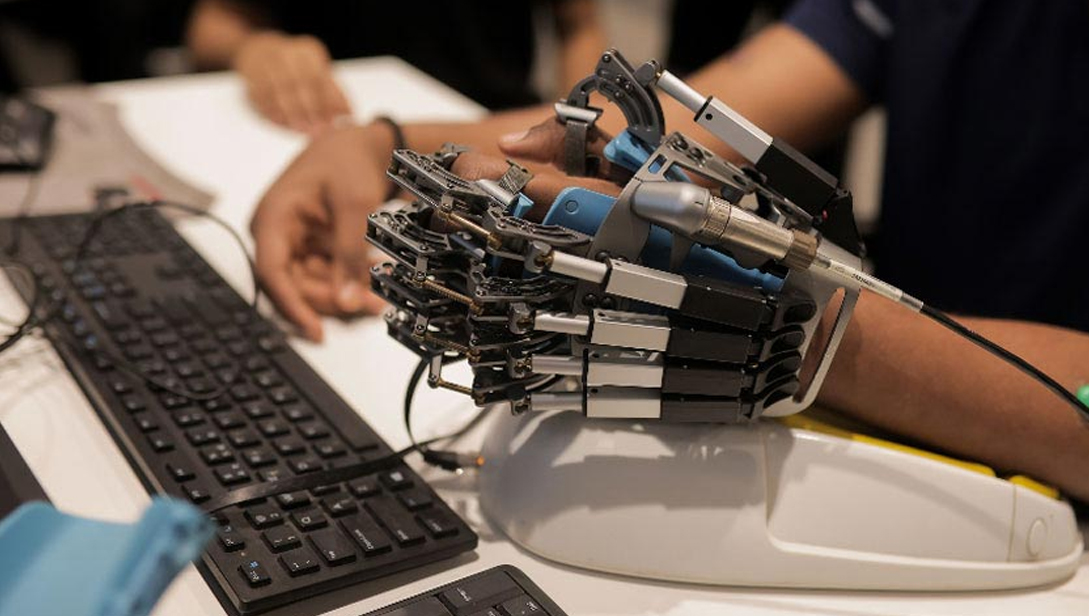
It uses sensors to detect muscle signals and assists patients in opening and closing their hands. This helps in strengthening muscles and improving coordination.
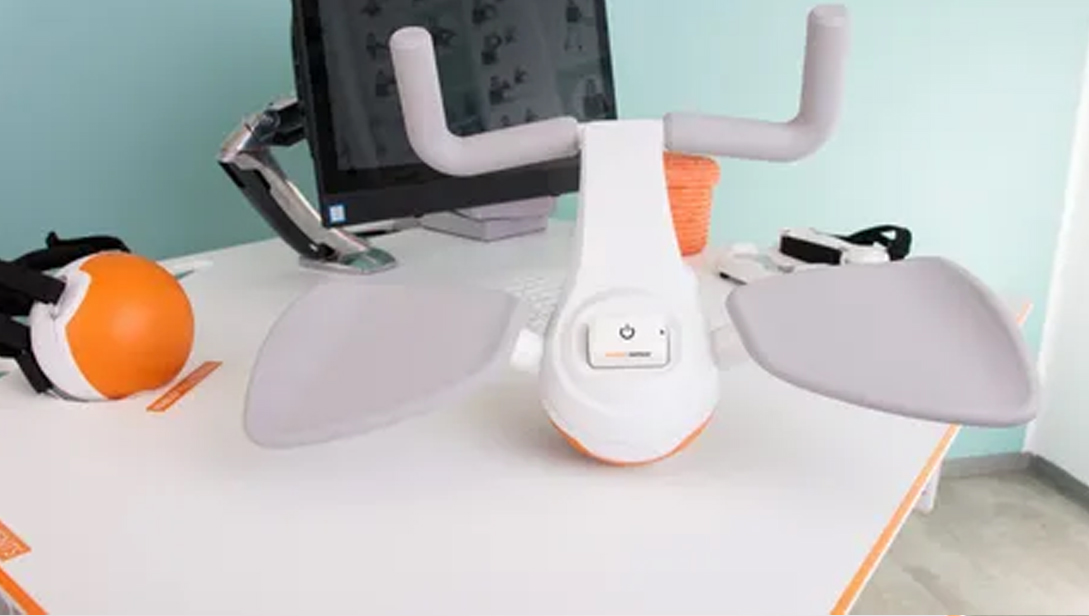
It is a comprehensive tool for rehabilitation, combining sensors and software to assess and train various motor functions.
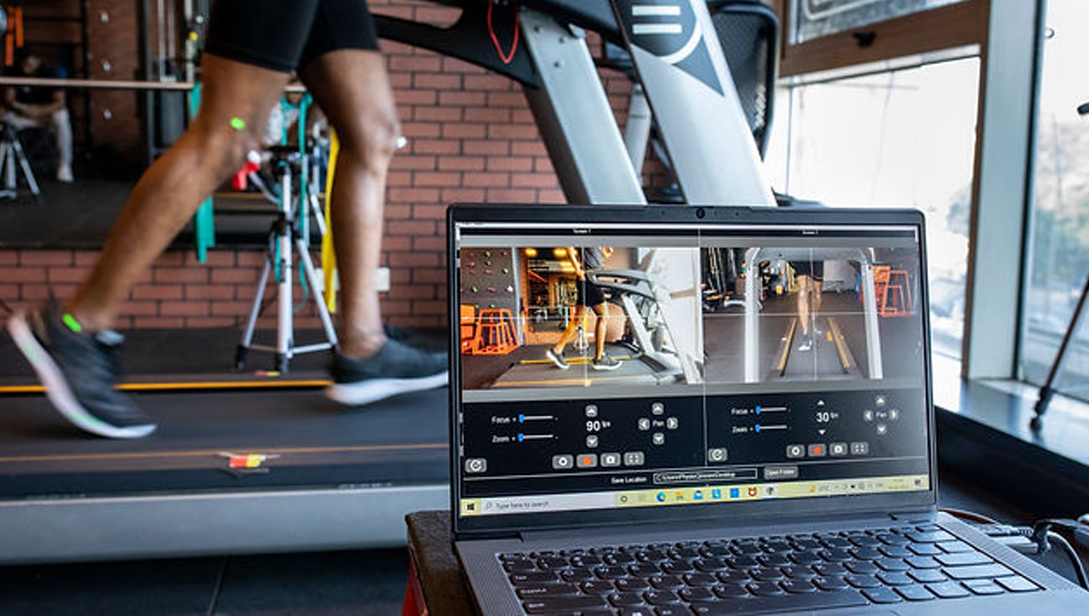
It includes advanced sensors and analysis software to assess and enhance walking patterns. By providing detailed biomechanical data, it helps in designing customized rehabilitation programs.
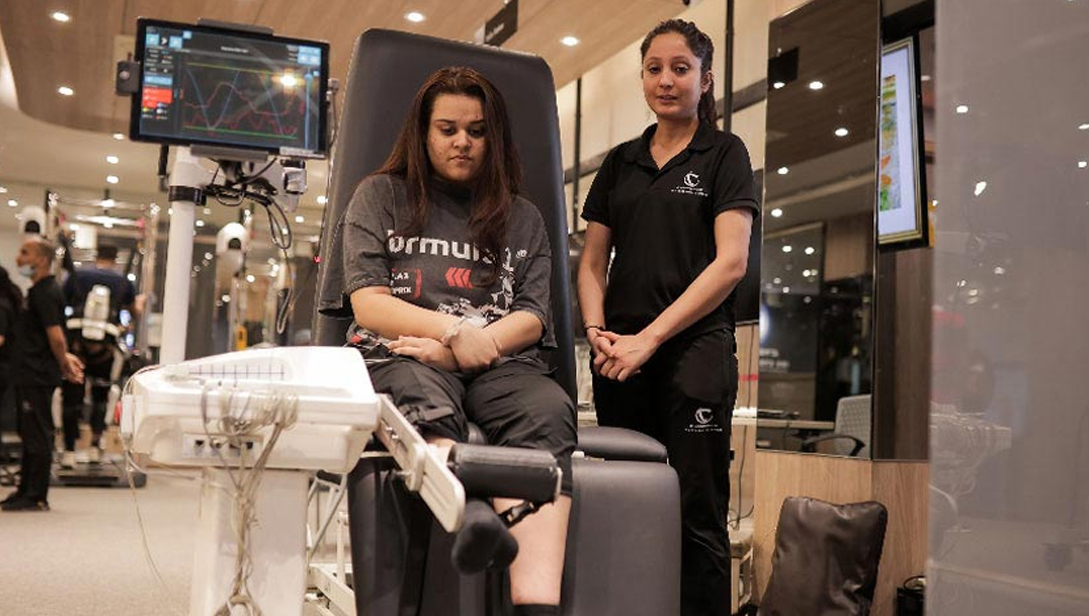
It provides detailed assessments of muscle and nerve function through electromyography (EMG).
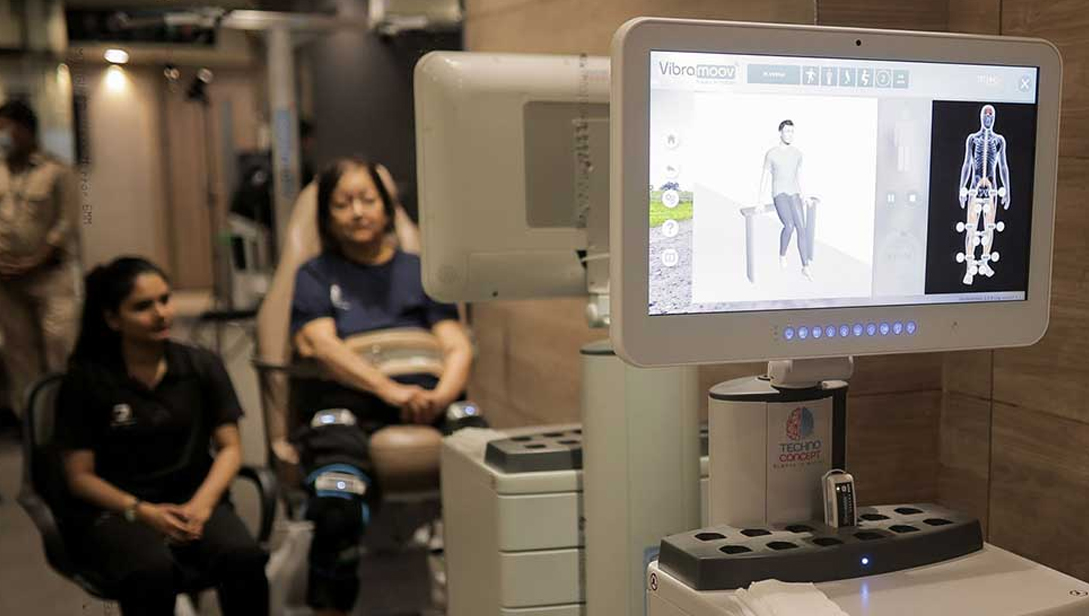
It involves functional stimulation to mimic natural movement patterns to enhance mobility and independence.
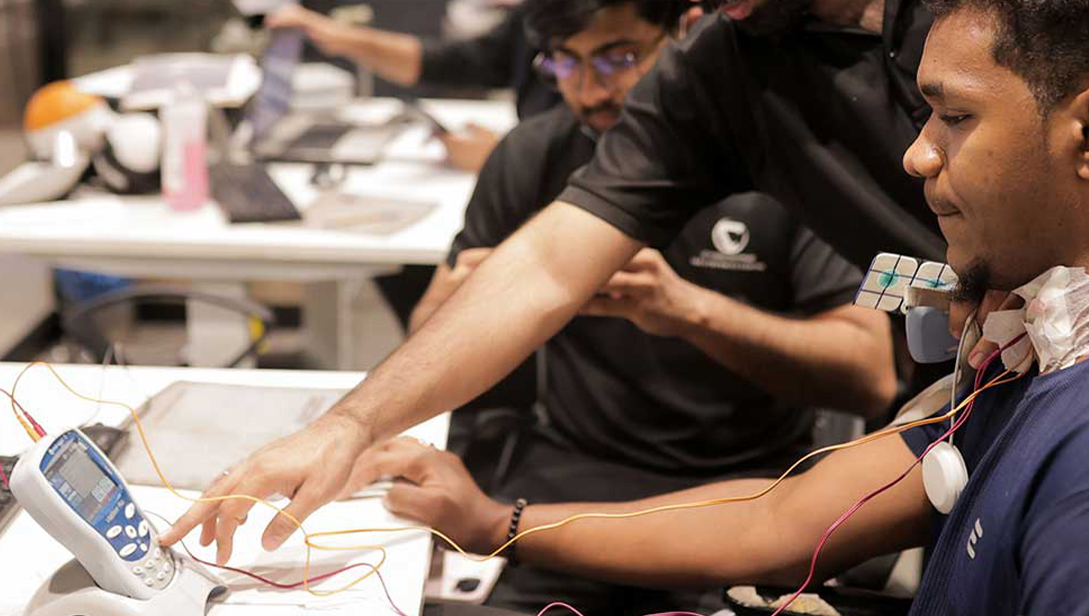
It is a specialized treatment for dysphagia, or swallowing difficulties, combining electrical stimulation with swallowing exercises.
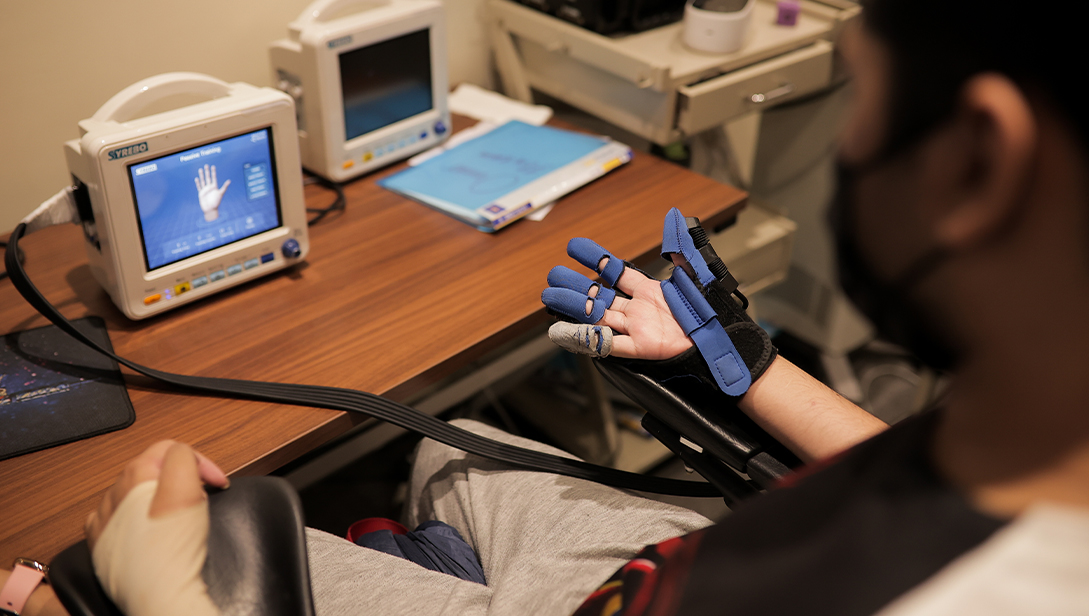
Hand function training.
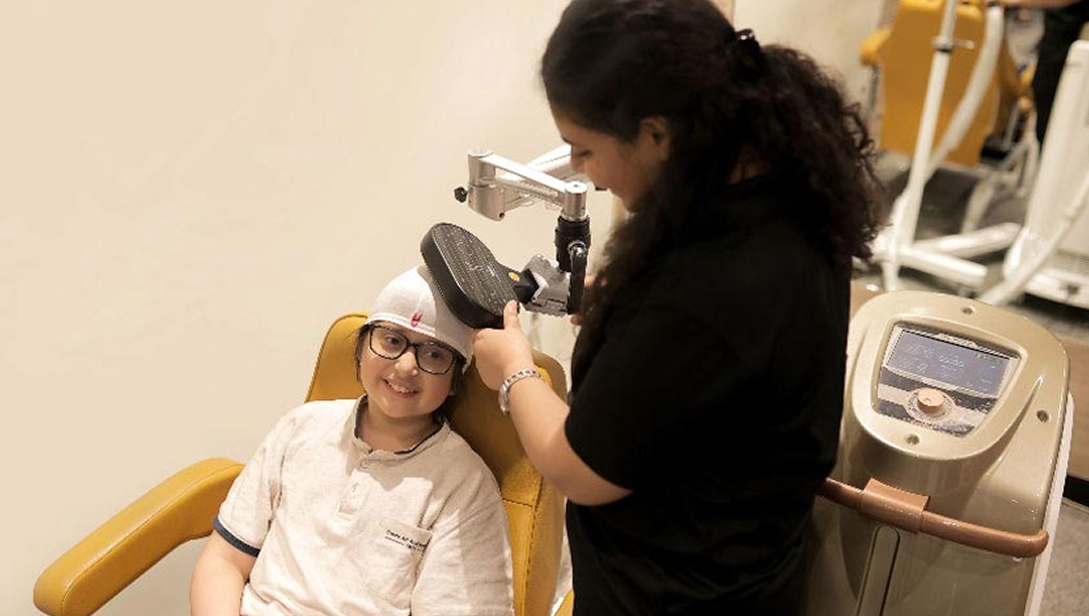
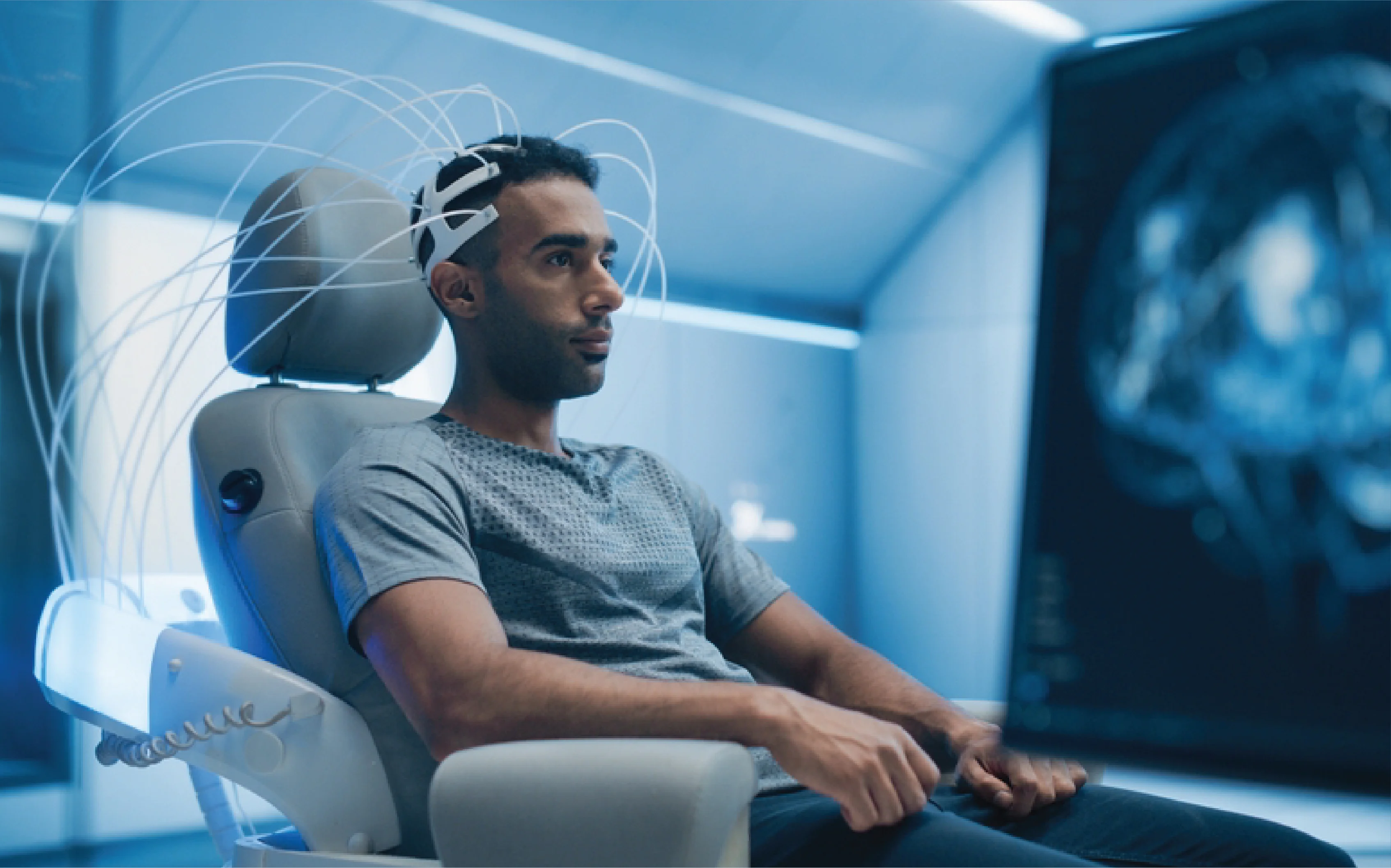
Precise brain stimulation using network mapping.
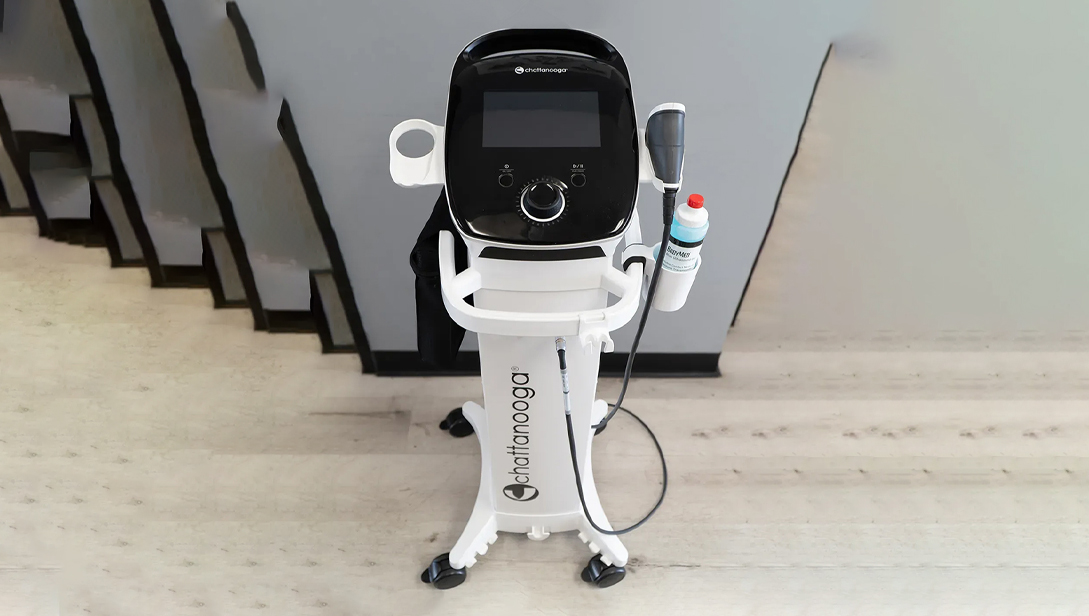
Pain relief and neuromuscular electrical stimulation.
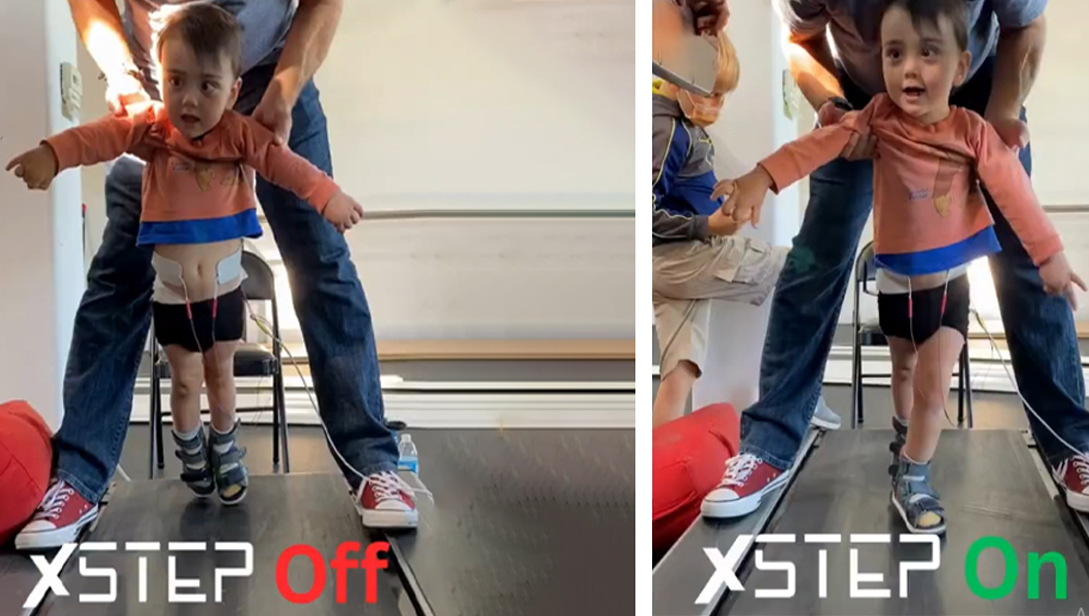
Step is a non-invasive spinal cord stimulation technology that strengthens communication between the brain and spine.

.jpg)
Emphasis is placed on cognitive stimulation through physical training, active orientation training, and memory activities.
These improve emotional stability, neuroplasticity, and coordination, which improves functional independence.
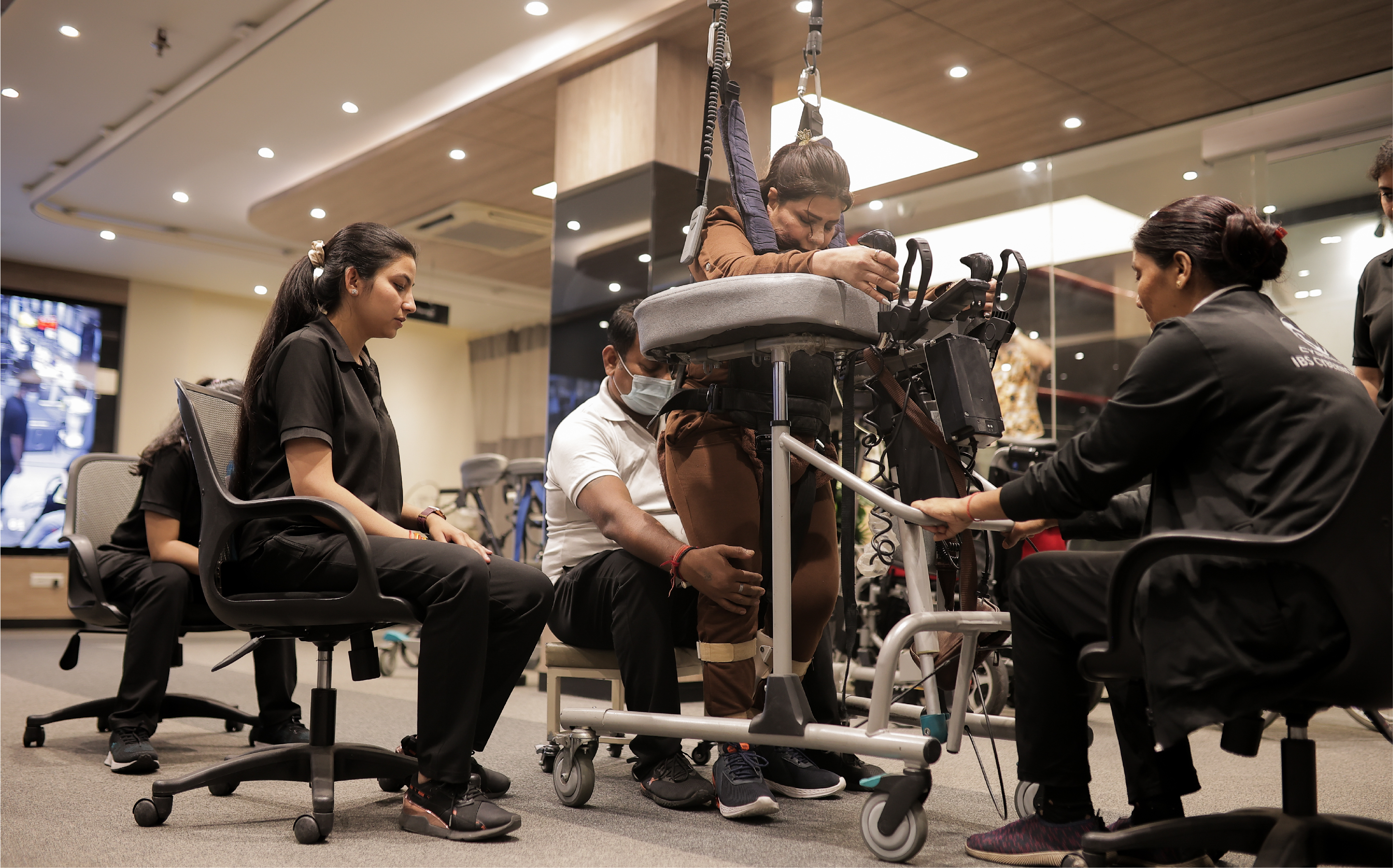
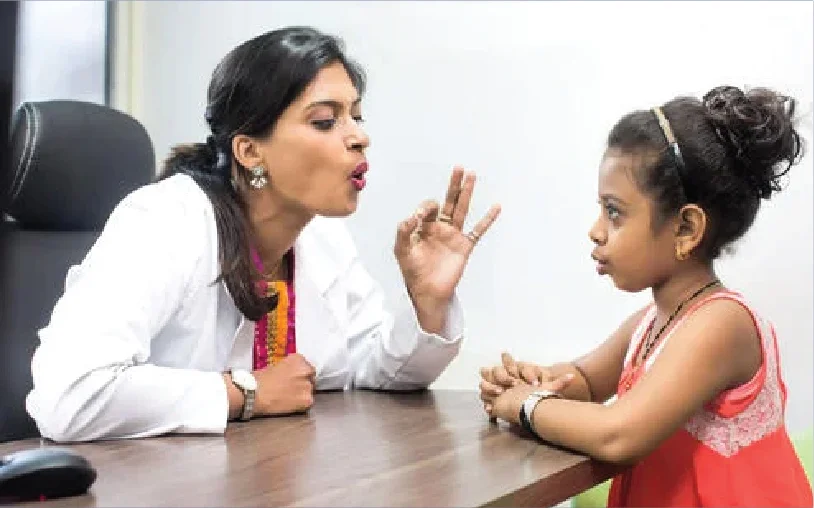
Task simplification, robot-aided speech therapy, emotional control, and balance training to prevent falls form part of treatment.
Guided activities promote social interaction and behavior steadiness.
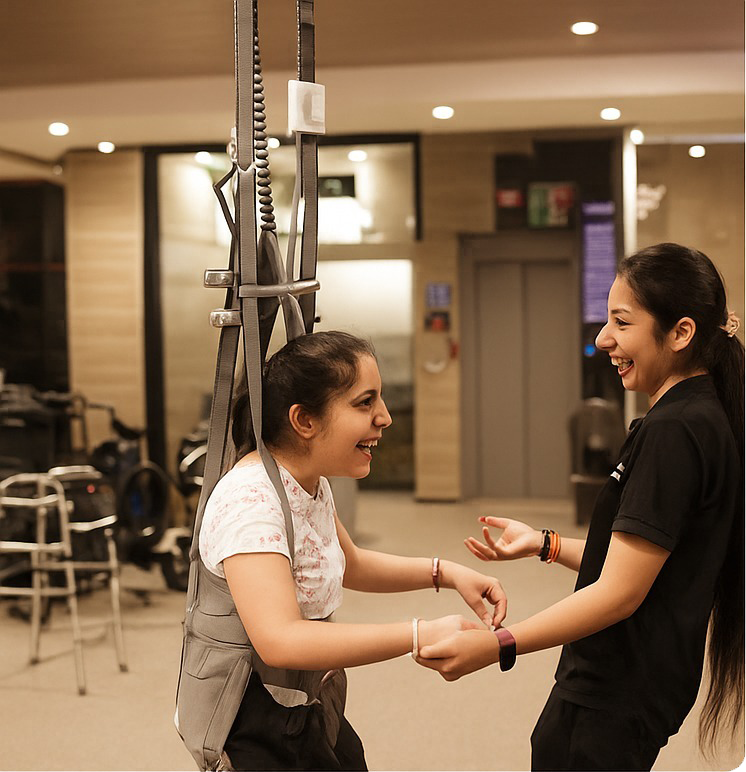
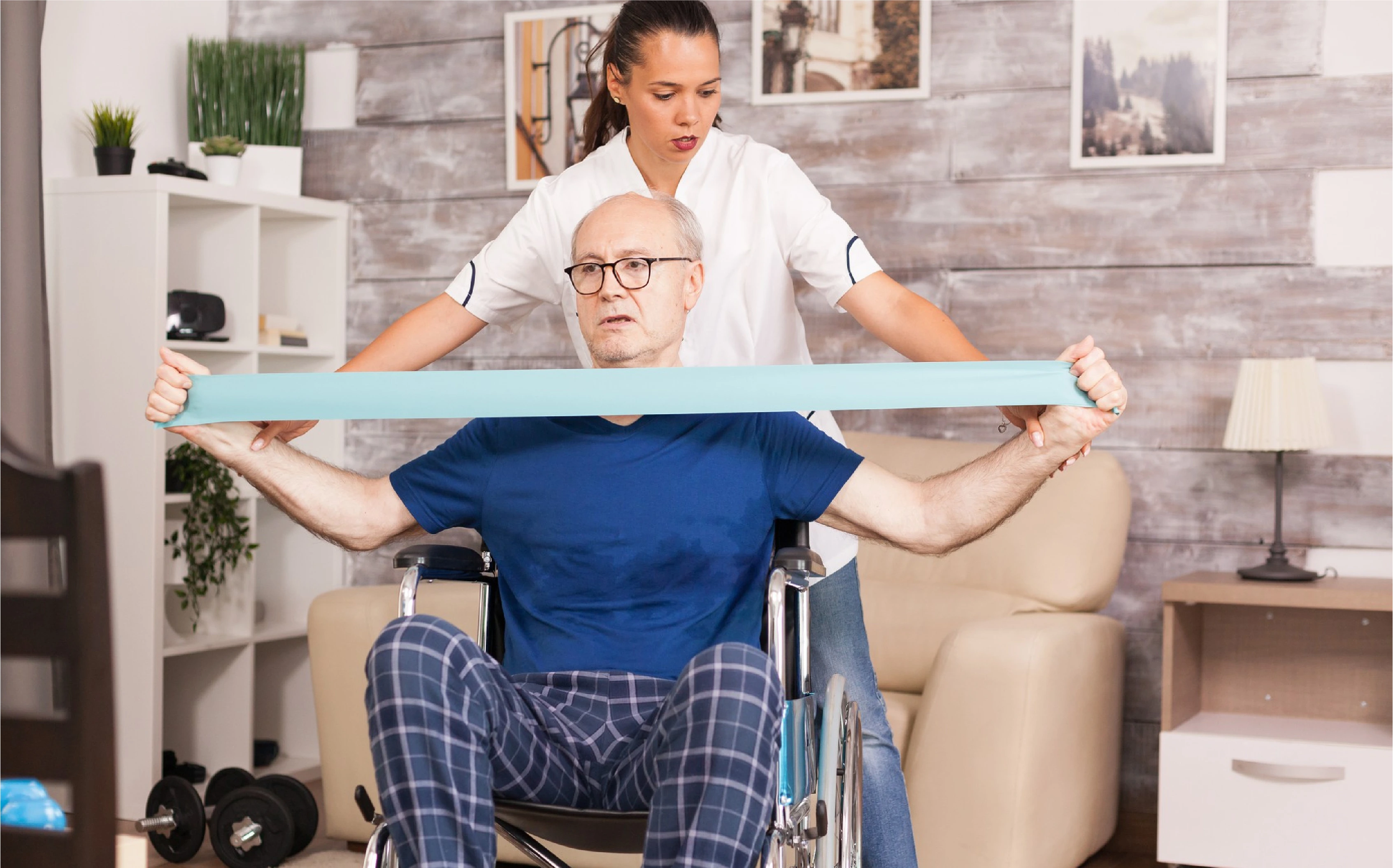
Interventions prioritize comfort and attachment—using aided mobility, sensory input, and gentle exercise.
The goal is to preserve emotional health and dignity.
Caregiver training ensures long-term compassionate care.
 View
video testimonial
View
video testimonial
 View
video testimonial
View
video testimonial
 View
video testimonial
View
video testimonial
 View
video testimonial
View
video testimonial
 New
Delhi: +91 9035030623
New
Delhi: +91 9035030623
 Hyderabad: +91 9035030623
 Bengaluru: +91 9035030623
 Malaysia: +606 235 4000
 Muscat:
+968 22 496007
Muscat:
+968 22 496007
Walk Again is growing its reach throughout Southeast Asia, bringing advanced neuro-recovery services to more patients. Also opened in Oman.
Contact UsTreatments overlap but vary depending on the underlying cause of dementia. Alzheimer’s-specific medications like donepezil are used when applicable.
Healthy habits like regular exercise, a balanced diet, mental stimulation, and managing conditions like diabetes or hypertension can lower the risk of cognitive decline.
Some reversible causes of Dementia, like vitamin deficiencies or medication side effects, can improve with treatment, but Alzheimer’s is not reversible.





.webp)