
Have questions or interested in our premium window solutions? Reach out to us—we're here to help!
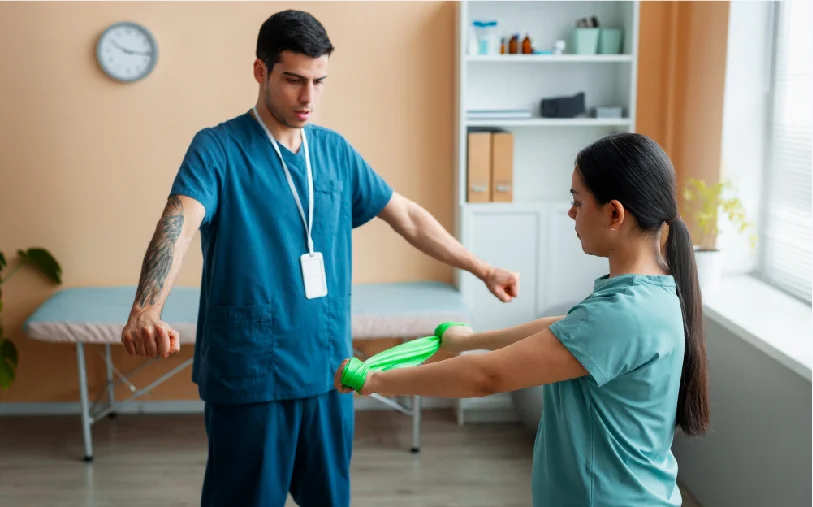
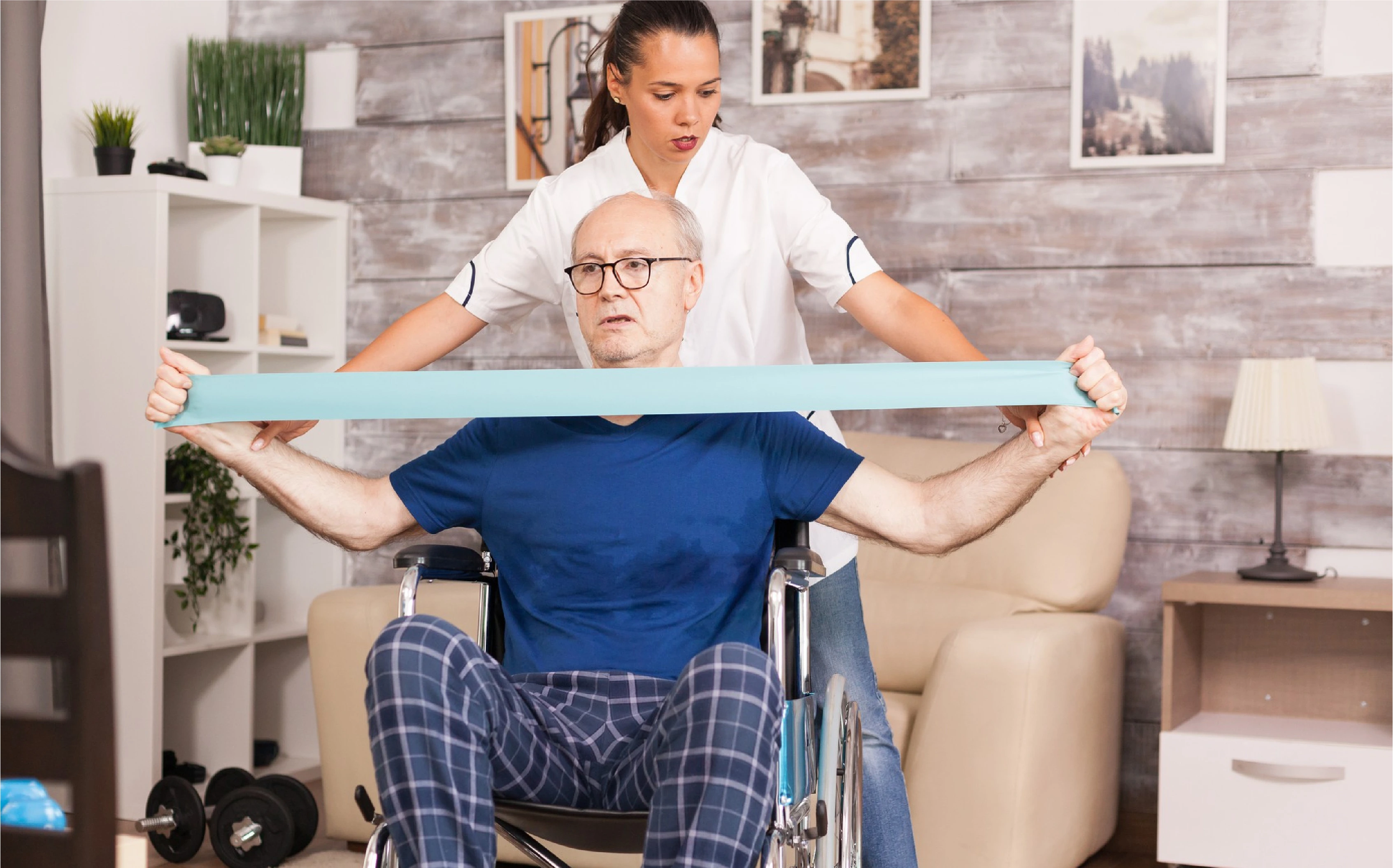
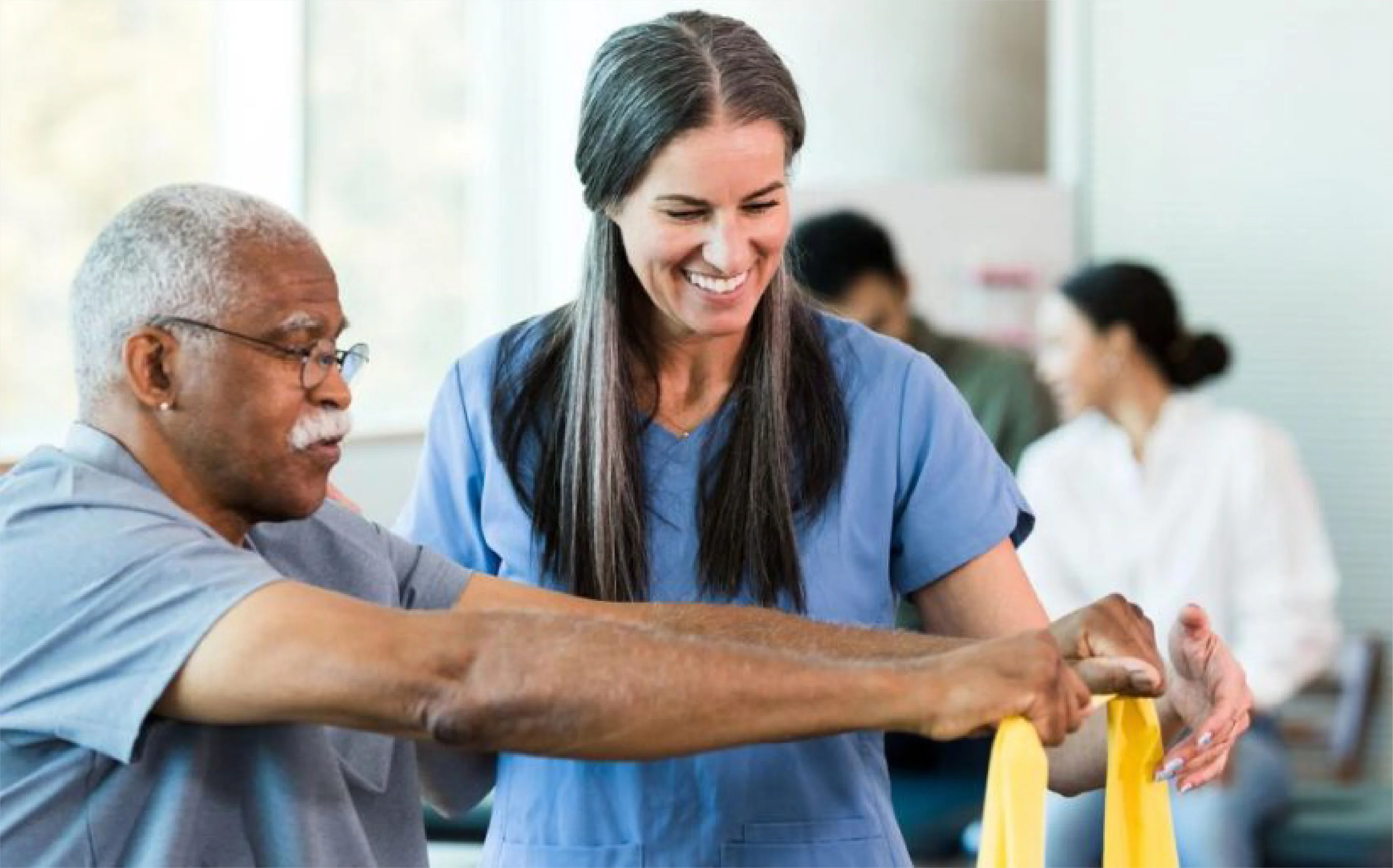
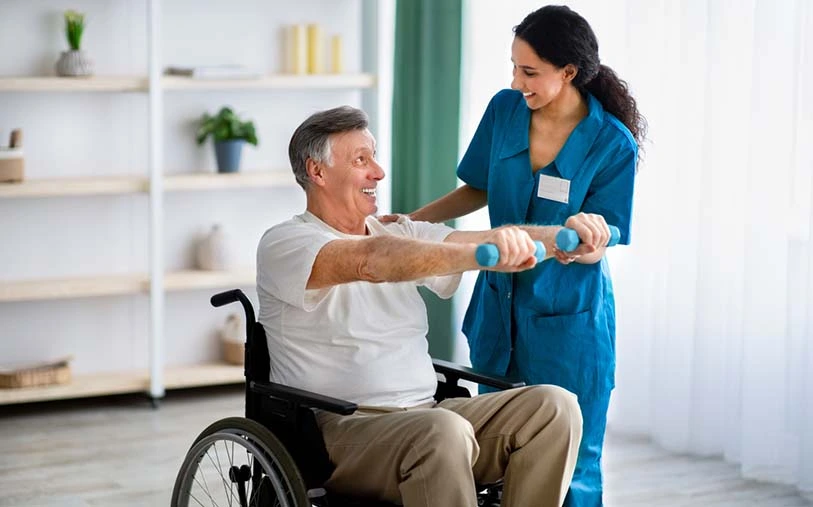
We offer complete care for multiple health conditions, with the aim of restoring strength, mobility, and independence in patients through customized treatment plans, expert advice, and advanced rehabilitation methods.

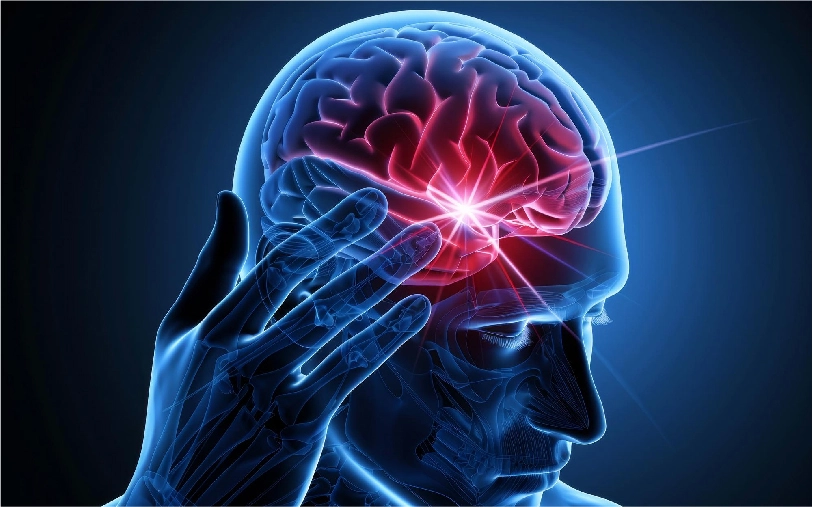
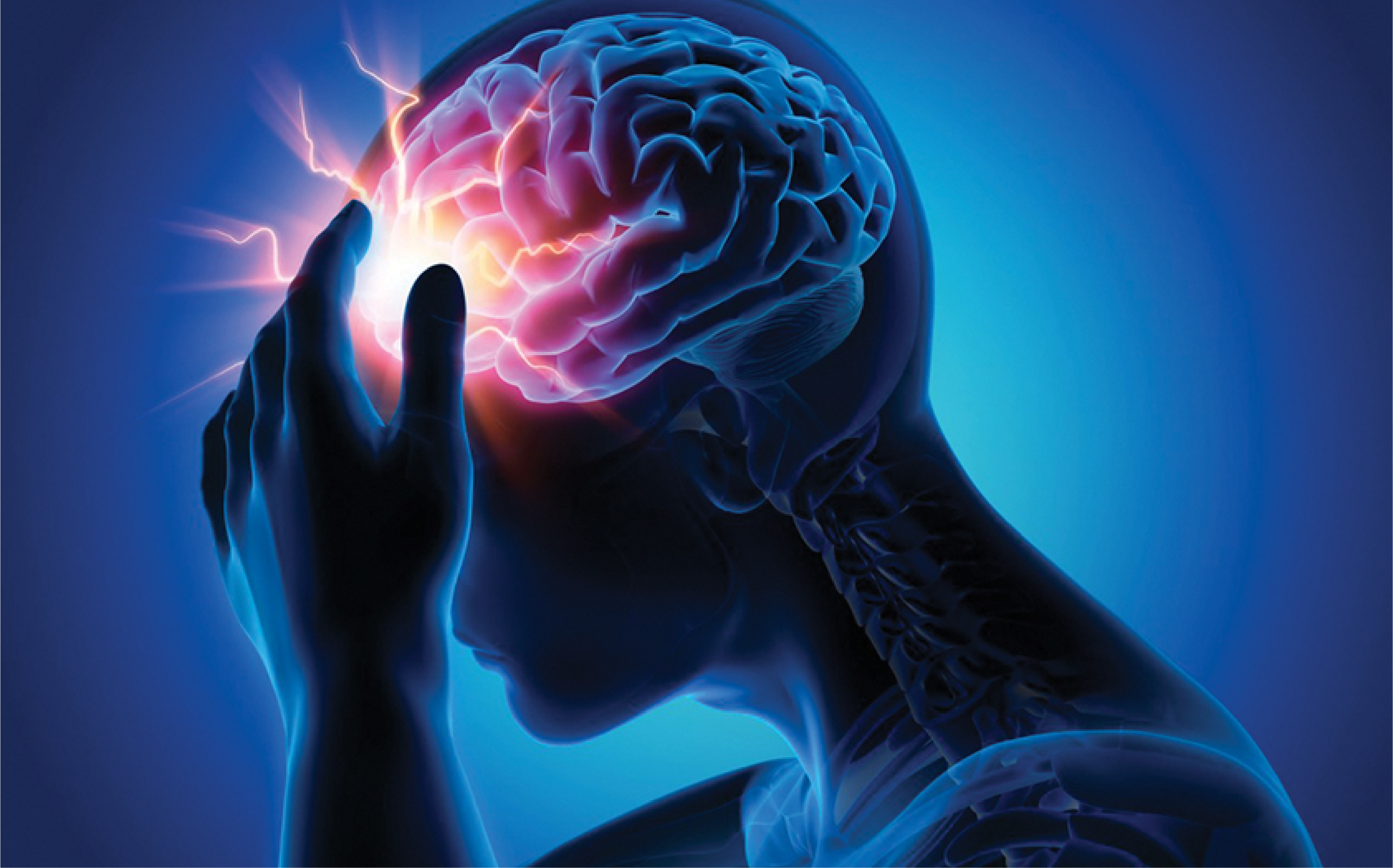
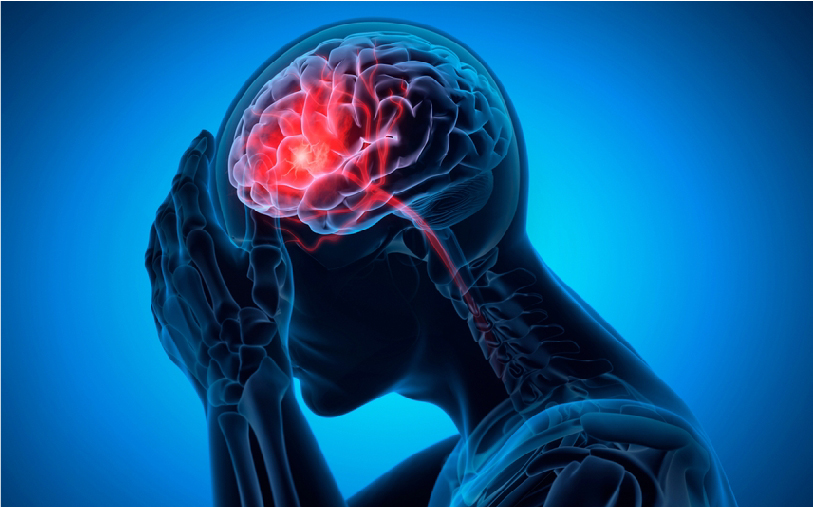
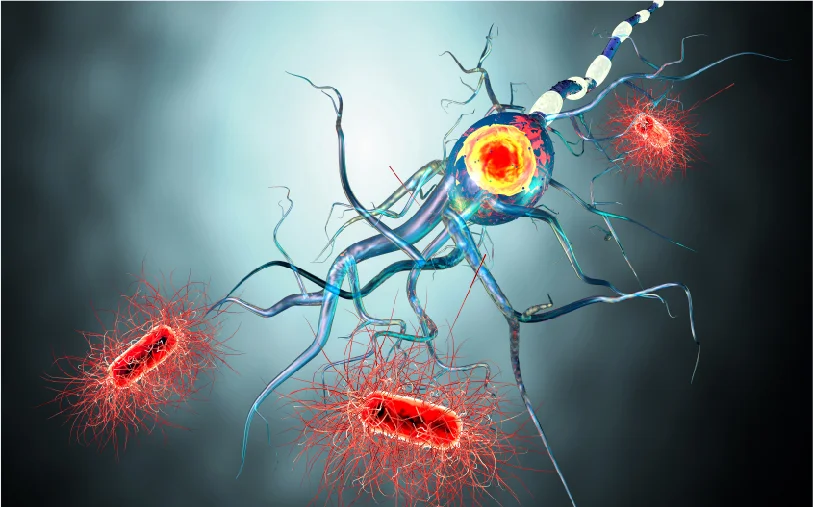
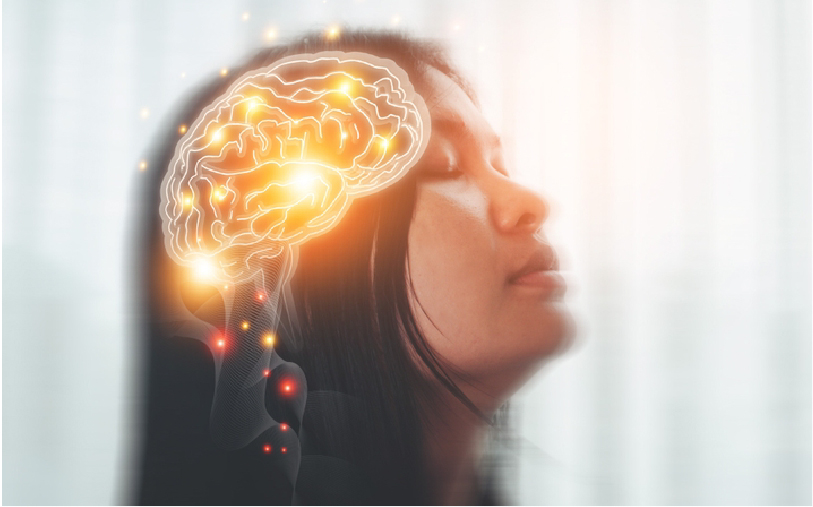
Stroke affects around 15 million people globally each year, with nearly 2 million cases reported annually in India, and is a leading cause of long-term disability. It occurs when blood supply to the brain is interrupted, causing Neuronal damage that impacts movement, speech, and cognition.
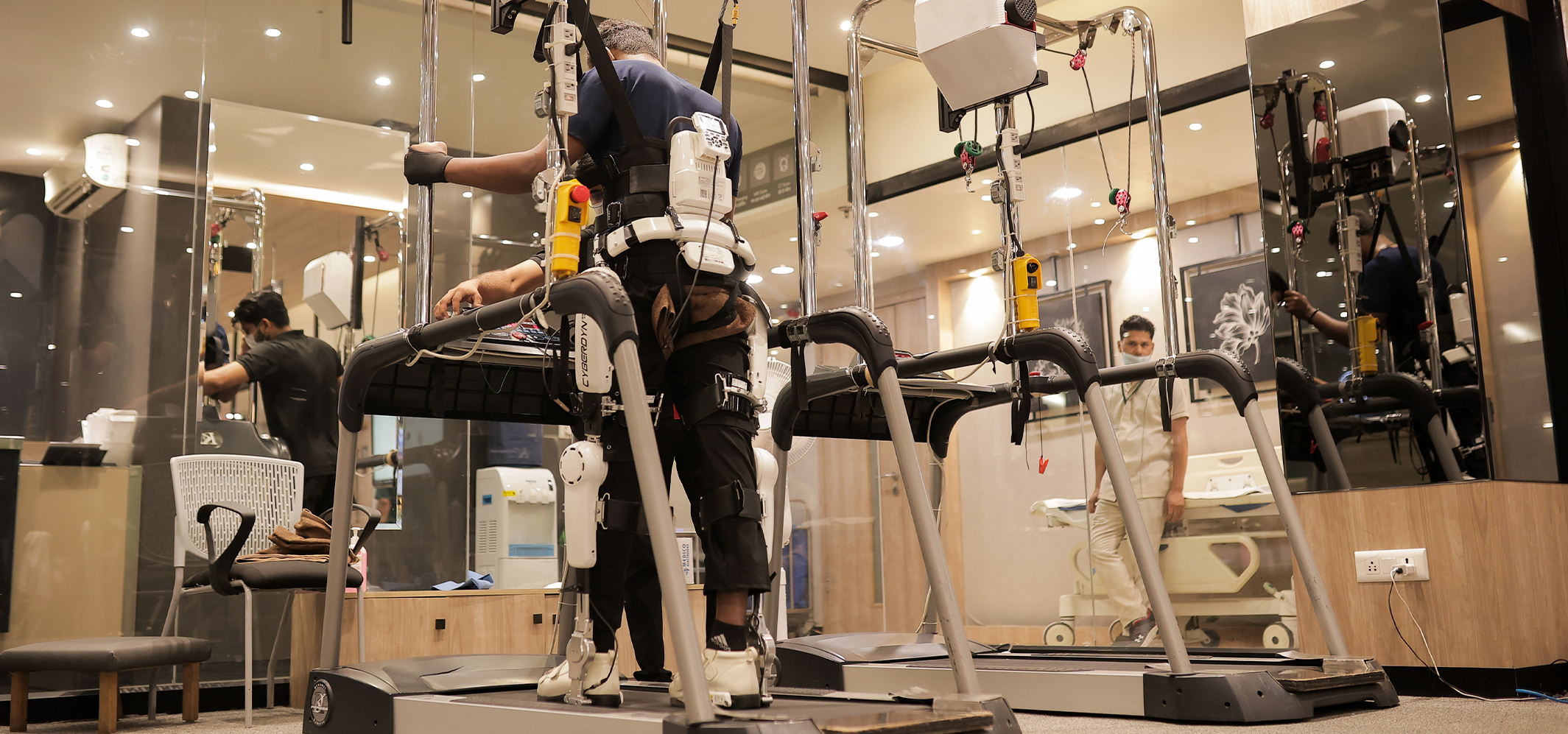
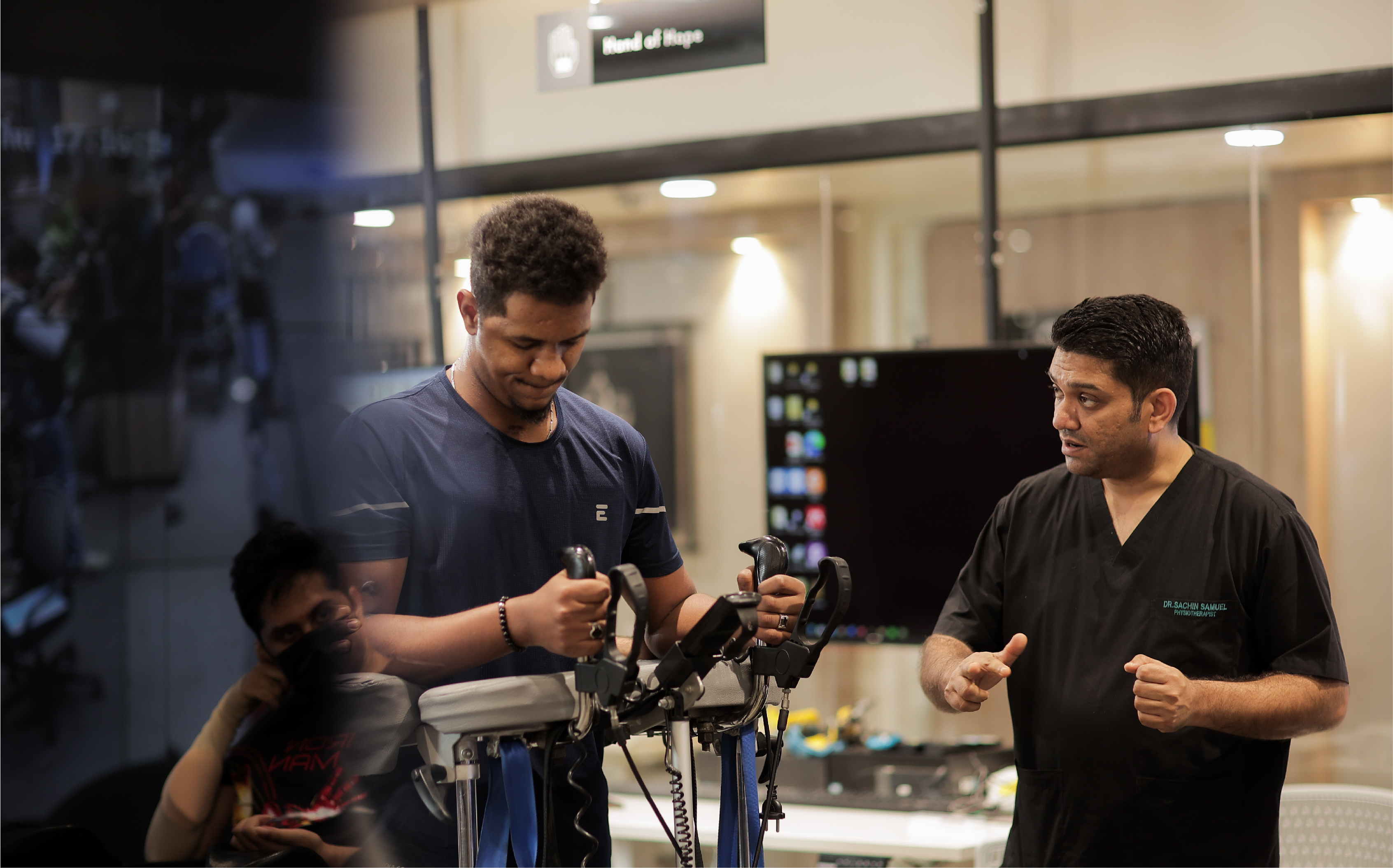
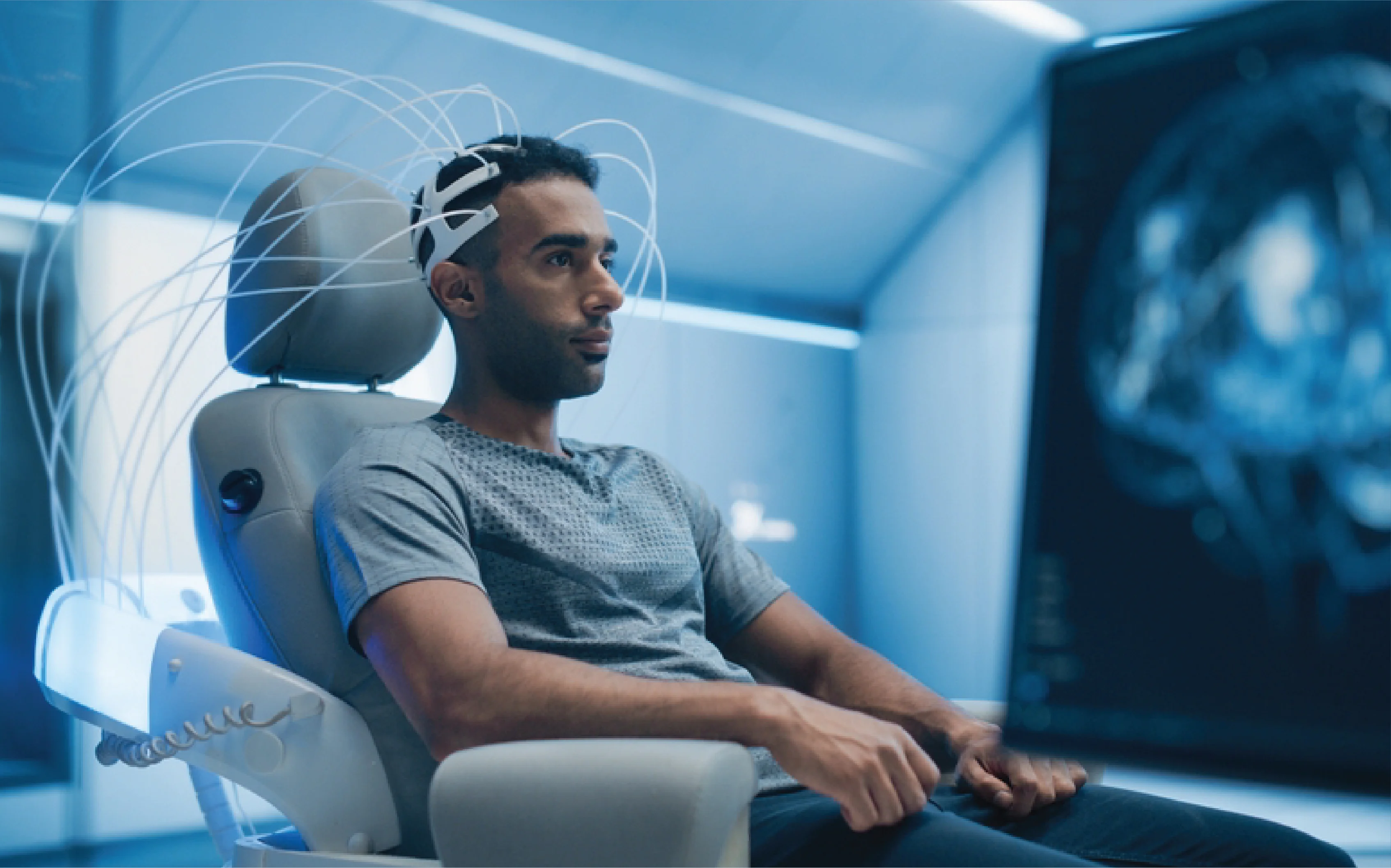
At Walk Again, we offer Cyberdyne Neurorehabilitation, an advanced therapy combining Brain-Controlled Robotics, Neuromodulation, and Neuroplasticity-based Therapy. This innovative approach detects and amplifies a patient's voluntary neural signals to facilitate movement, promoting Neuroregeneration.


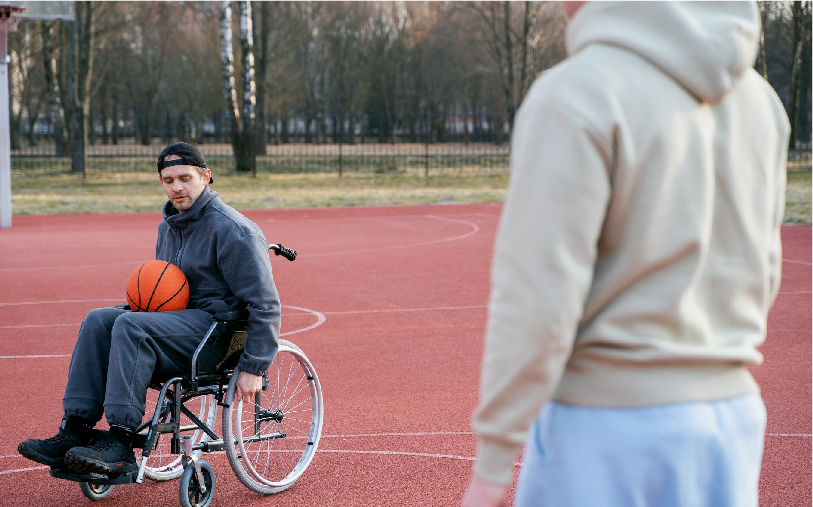
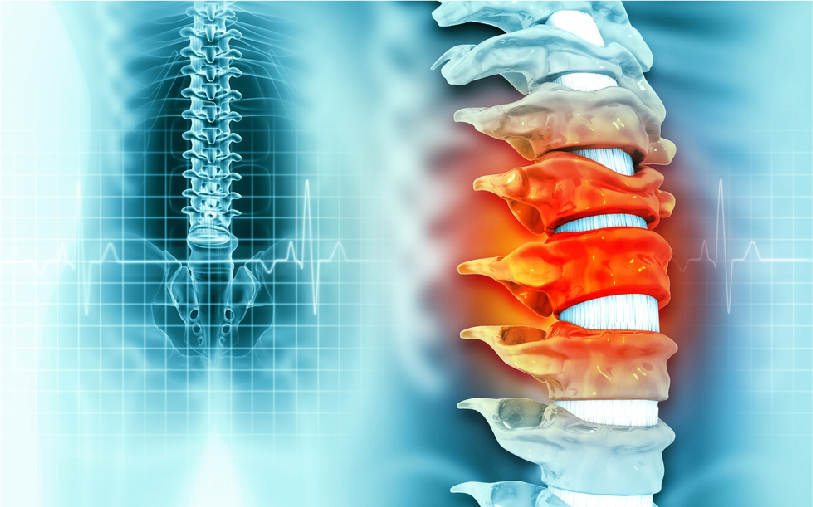
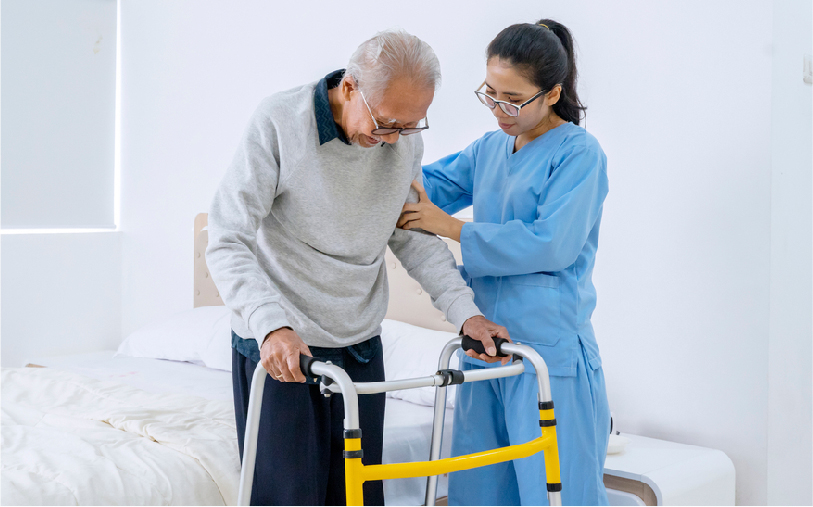
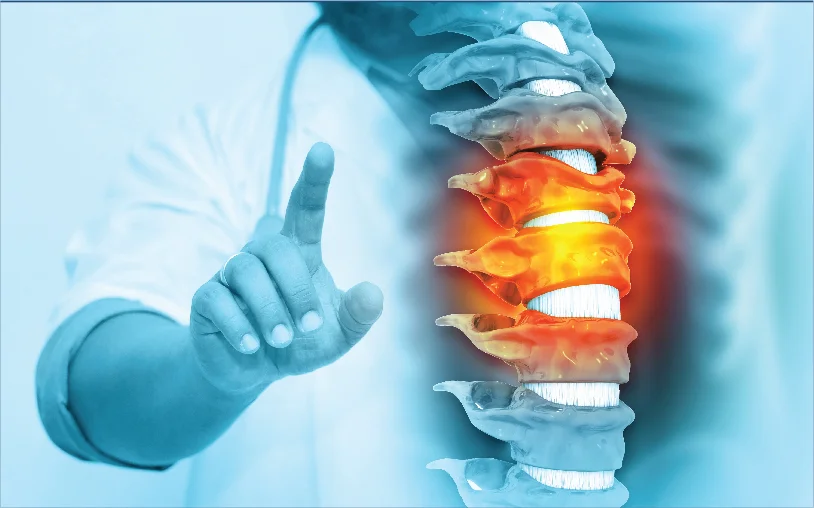
Spinal cord injury involves damage to any part of the spinal cord. Spinal Cord Injuries (SCI) sever brain-body communication, leading to paralysis and loss of vital functions for over 15 million people worldwide, including 1.5 million in India. Traditional rehabilitation often falls short, particularly in chronic cases.
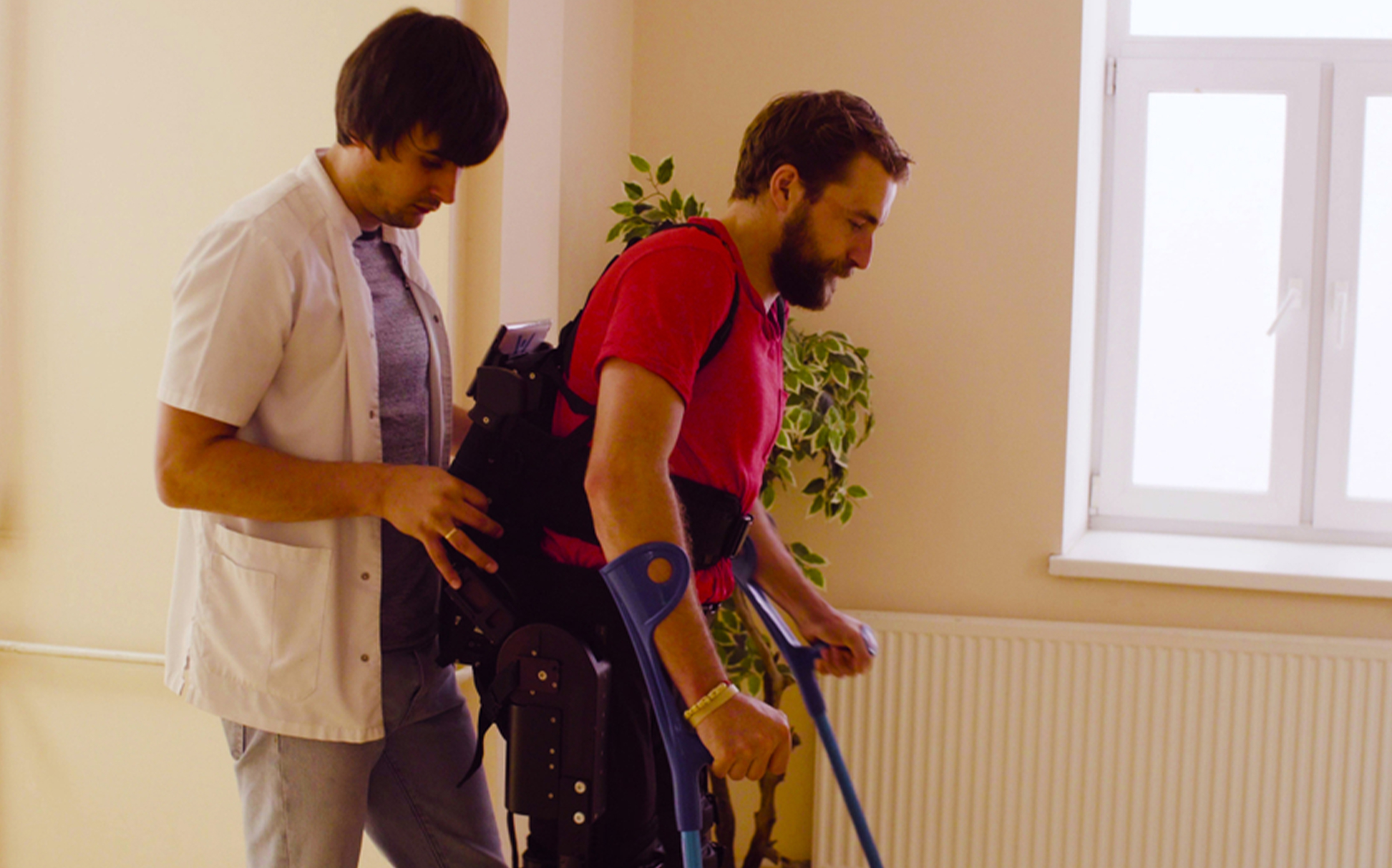
Cyberdyne's FDA-approved Hybrid Assistive Limb (HAL®) is a neurocybernics breakthrough for SCI. It amplifies bioelectrical/brain signals to enable voluntary movement, actively promoting neuroplasticity and neuroregeneration.

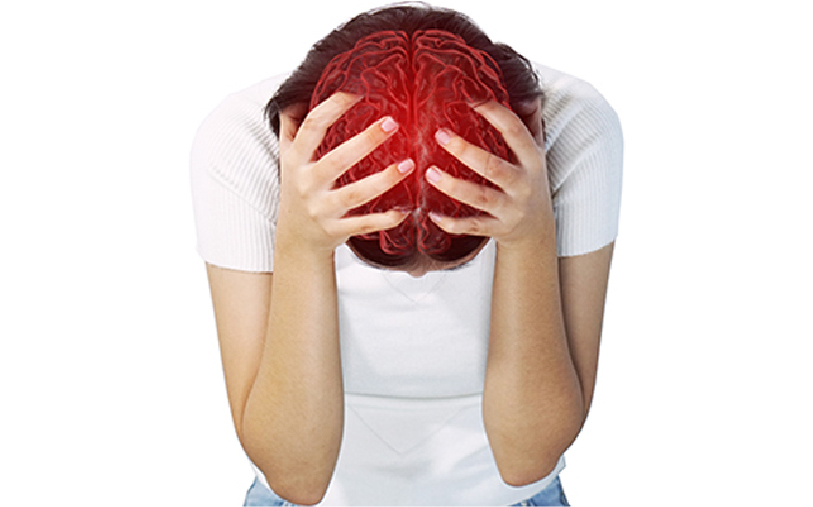
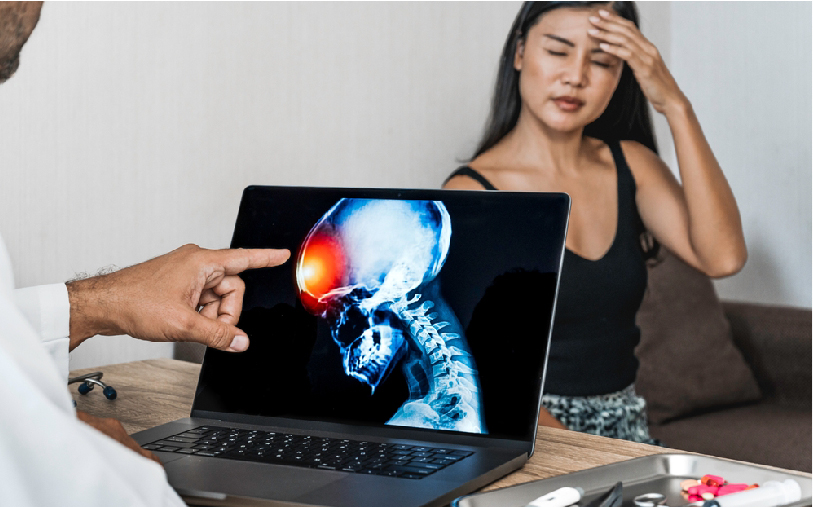
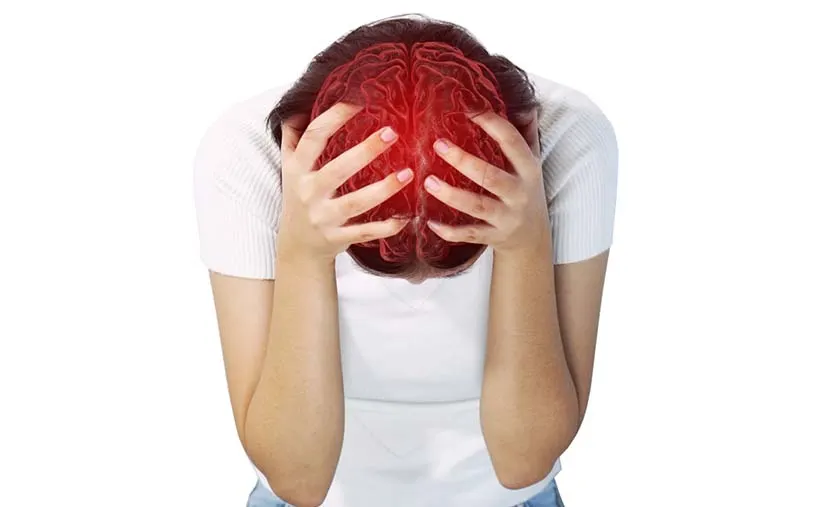
Traumatic brain injury usually results from a violent blow or jolt to the head or body.Traumatic Brain Injury (TBI) affects over 50 million annually, including nearly 2 million in India (1M+ long-term disabled). Traditional rehab often falls short. Cyberdyne's robotic neurorehabilitation uses bio-electrical signals and brain-machine interfaces to accelerate neuroplasticity and neuroregeneration, addressing this critical need.
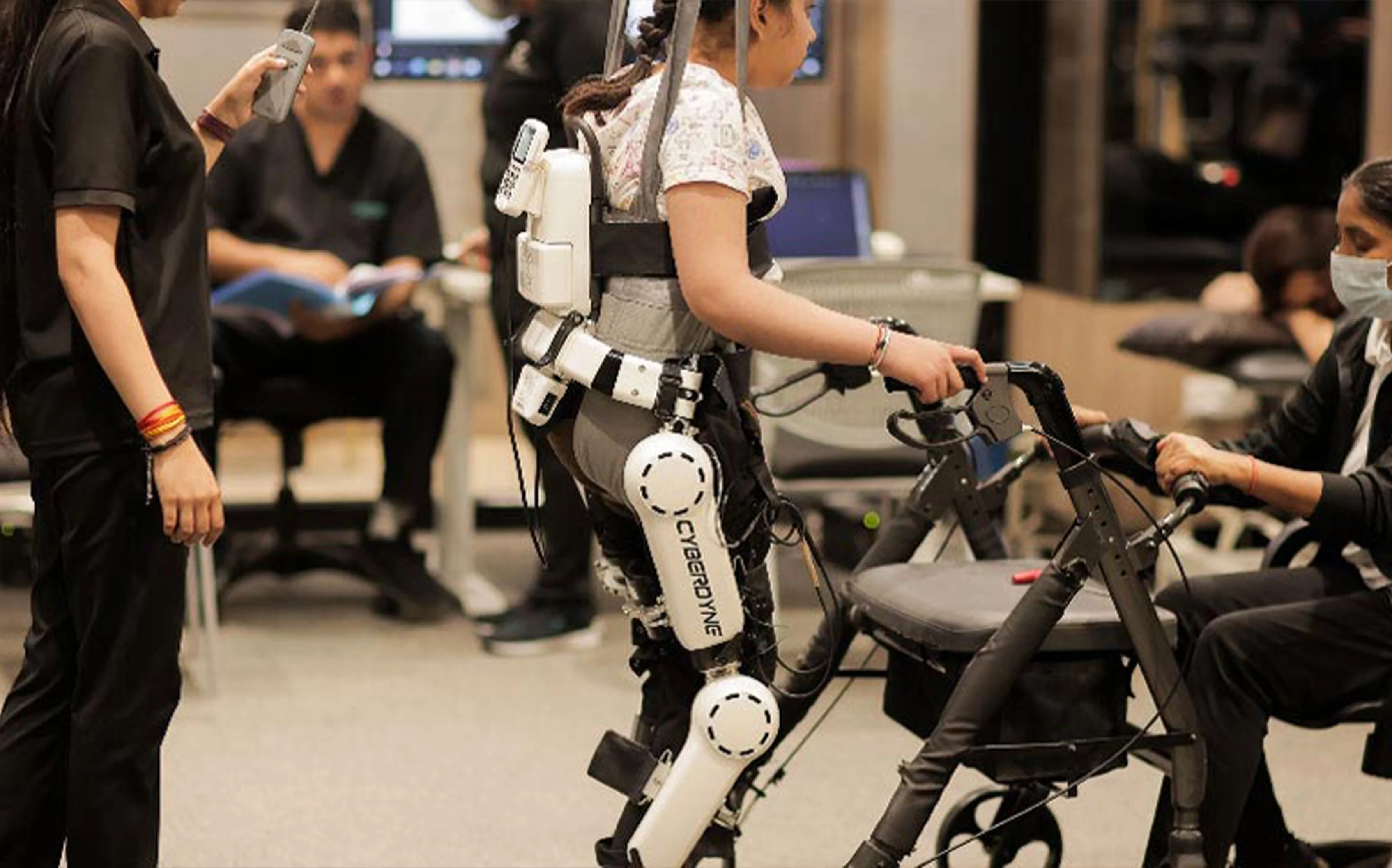
Cyberdyne devices enable precise, robotic, brain-driven rehabilitation by anticipating patient movement intent. Clinically proven and FDA-approved, their technology significantly improves motor control, reduces spasticity, and enhances sensory integration.
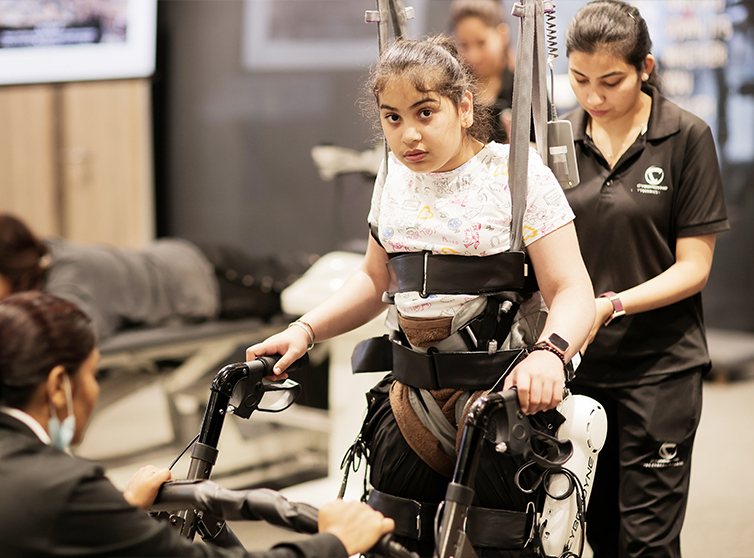
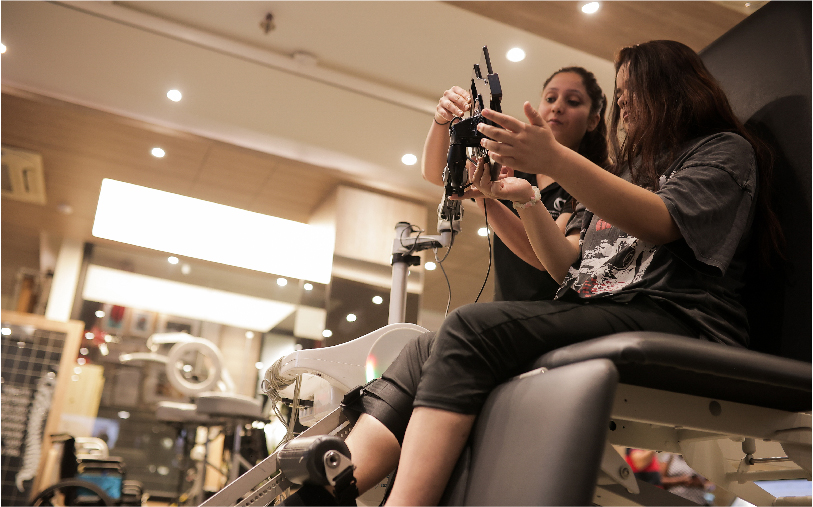
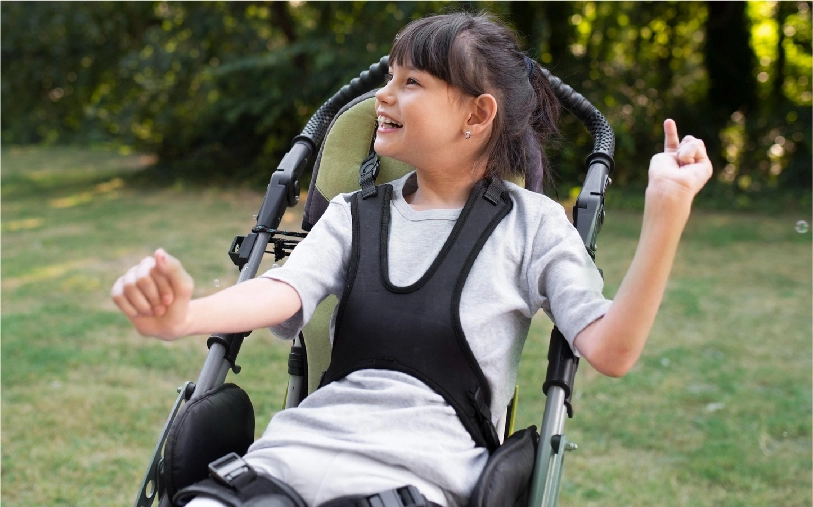
Cerebral palsy is a group of conditions that affect movement and posture..Cerebral Palsy (CP) affects millions globally, with a significant prevalence in India, impacting an estimated 16.8 million individuals. Traditional therapies often fall short of truly rewiring neural pathways. Cyberdyne's innovative neuro-robotic systems, including wearable devices, are changing this.
Cyberdyne's systems use brain bio-electrical signals for movement via a real-time brain-machine interface, actively stimulating neuroplasticity and neuroregeneration. Accumulating data points to dramatic functional gains, positioning Cyberdyne's approach as a groundbreaking advancement in CP treatment.
.png)
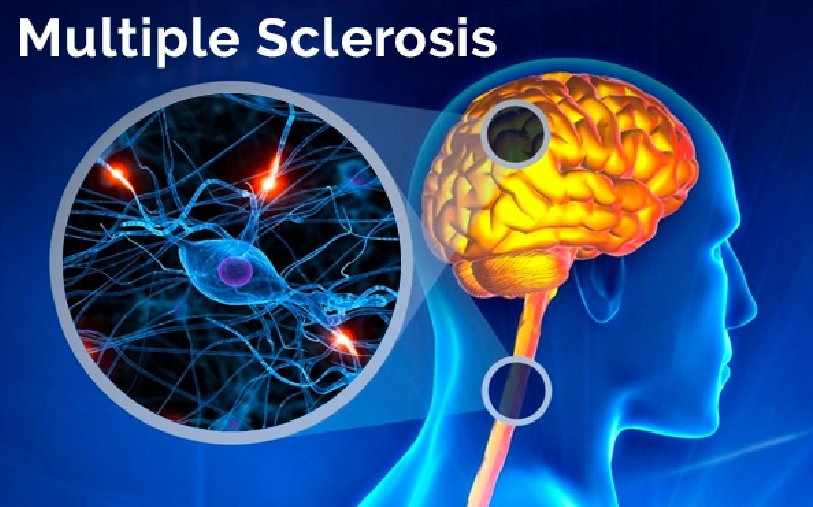
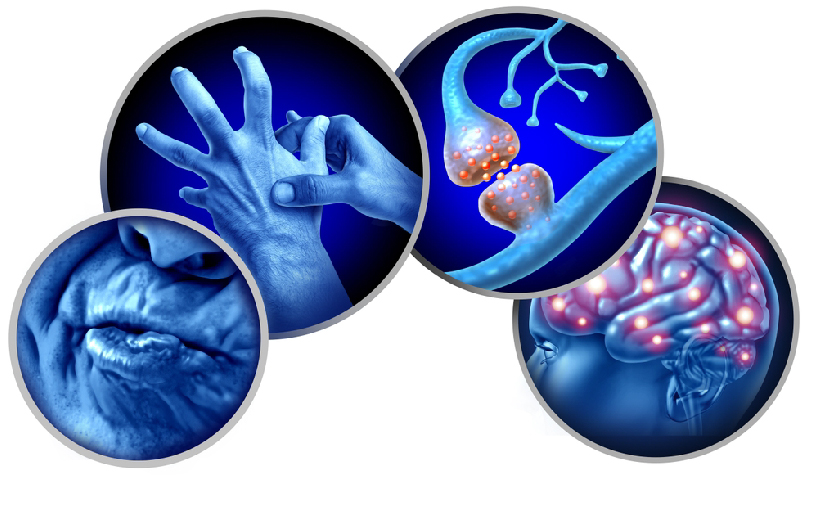
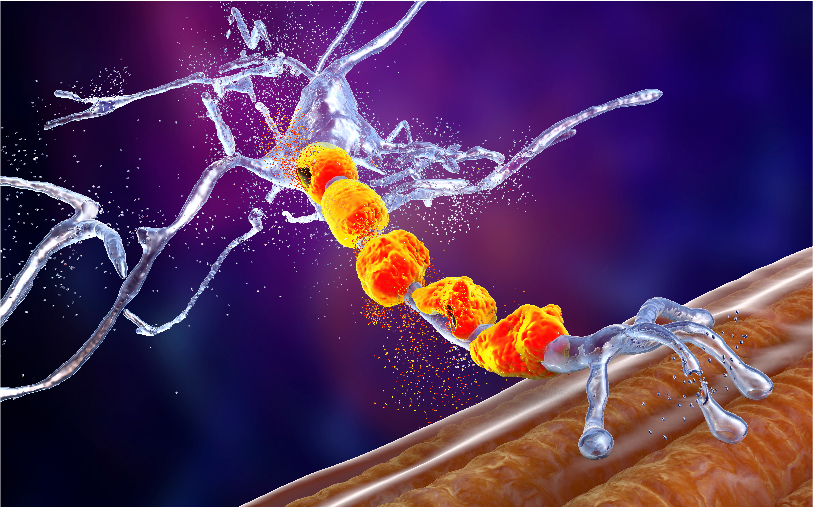
Multiple sclerosis is a disorder in which the body's immune system attacks the protective covering of the nerve cells in the brain. Multiple Sclerosis (MS) affects ~2.8 million globally (~180,000 in India), causing progressive CNS damage (motor weakness, spasticity, balance, sensory loss).
Cyberdyne’s neuro-robotic platform, unlike conventional treatments, uses bio-electrical signals and a brain–machine interface to trigger neuroplasticity and neuroregeneration. This closed-loop system translates faint motor intent into assisted movement.
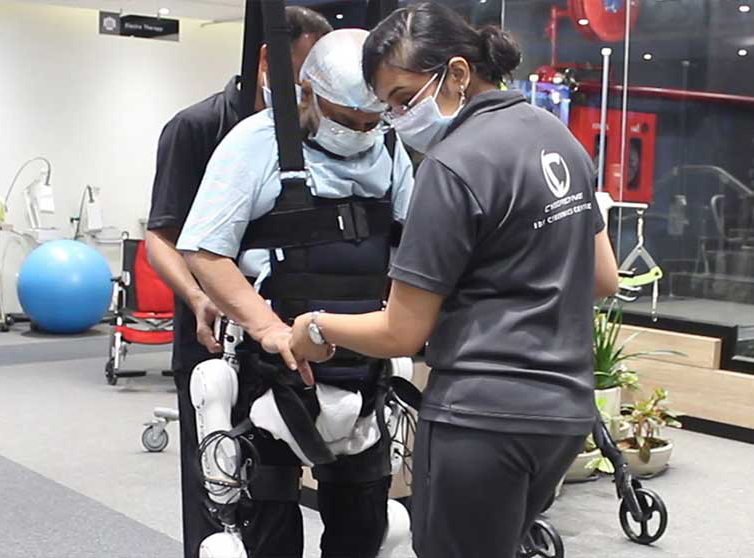
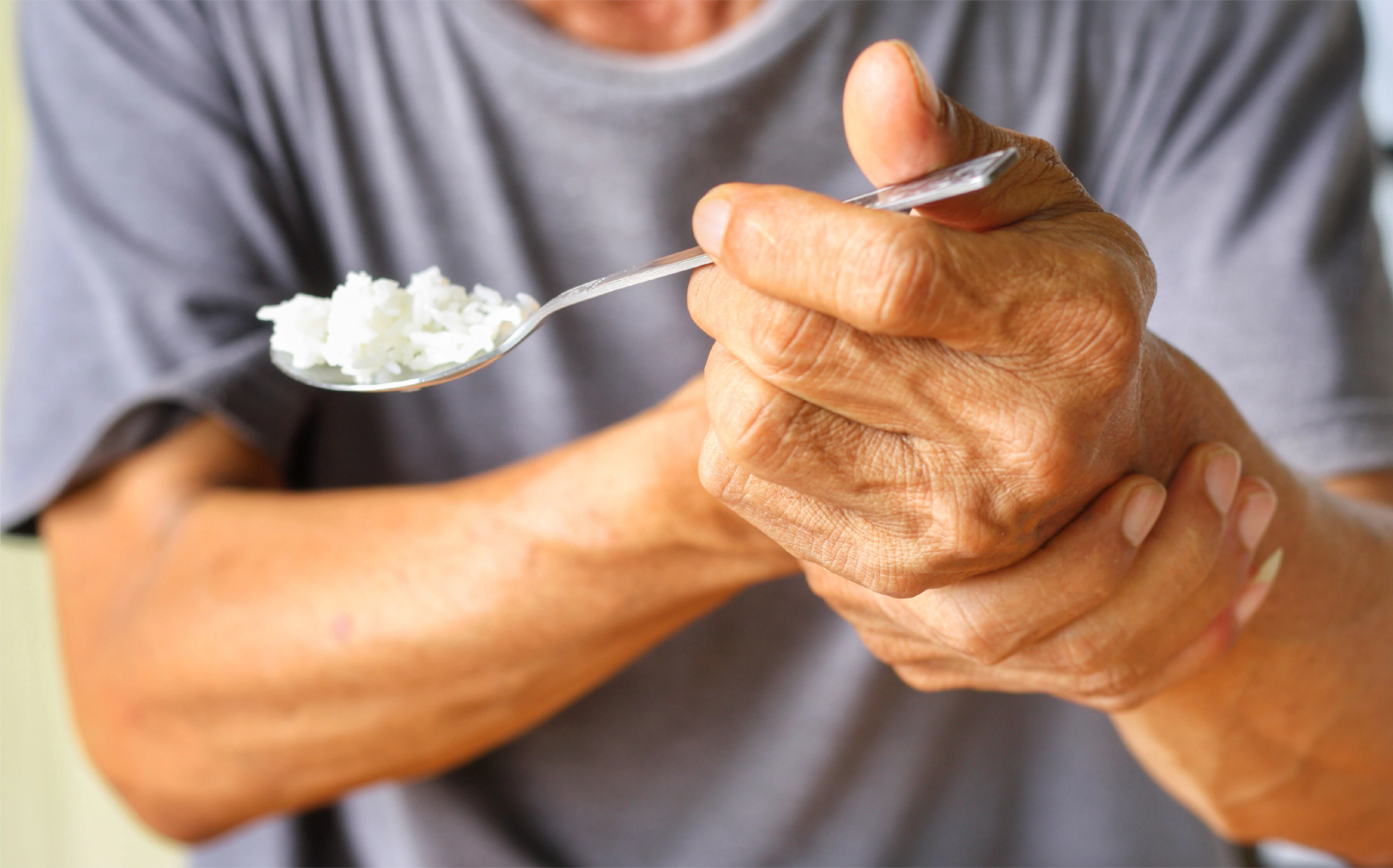
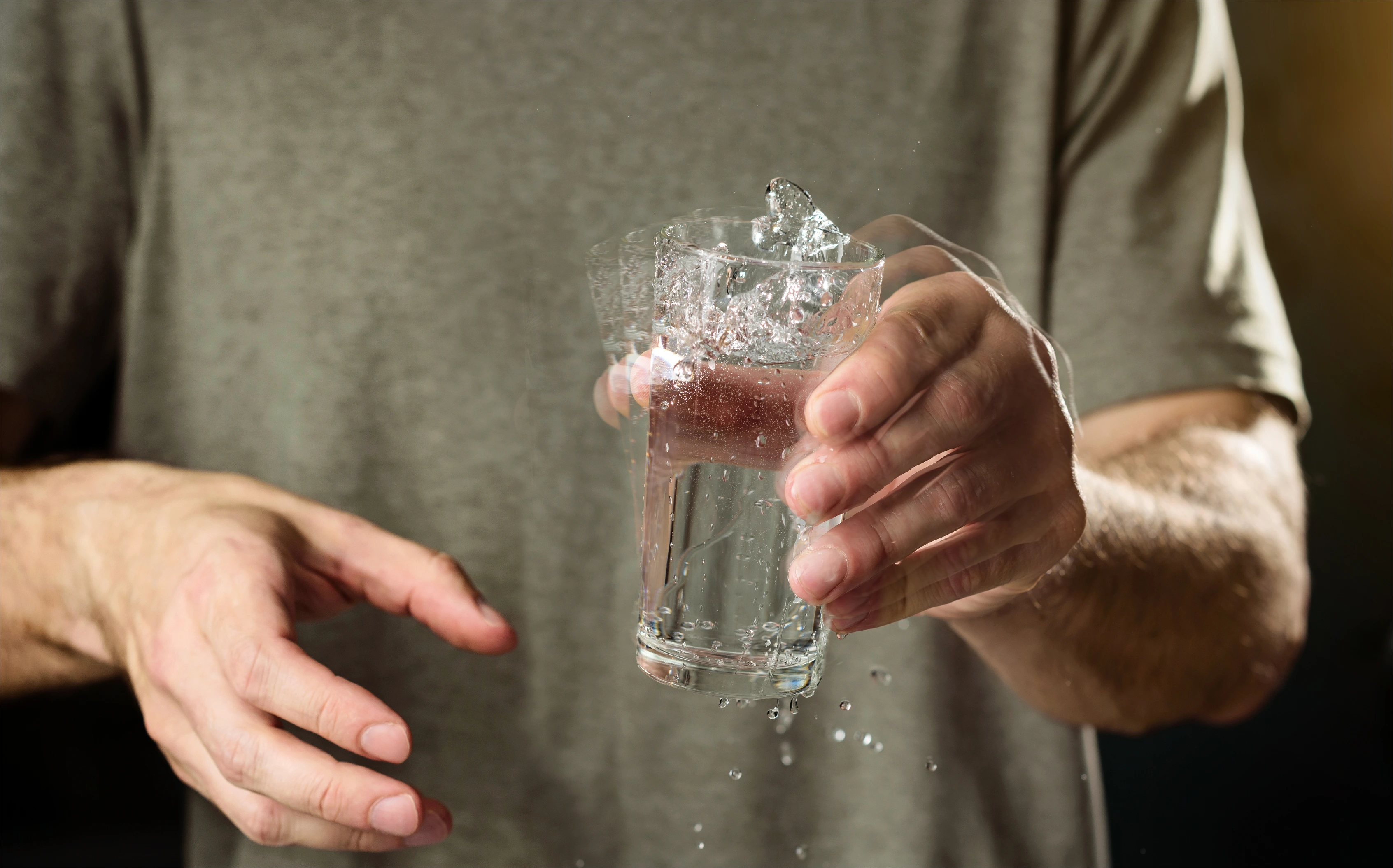
Movement disorders are a group of nervous system conditions that affect movement. They can cause either increased movements or reduced or slow movements.Over 10 million globally, significantly in India, suffer from movement disorders (Parkinson's, dystonia, ataxia) impairing movement and coordination.
Unlike conventional symptom management, Cyberdyne’s robotic brain–machine interfaces detect subtle bio-electrical signals of motor intent, facilitating assisted movement. This closed-loop system activates neuroplasticity and promotes functional neuroreorganization. This data-informed neurorehabilitation enhances gait, balance, coordination, and manual dexterity, offering a robotic brain-based solution for advanced recovery.
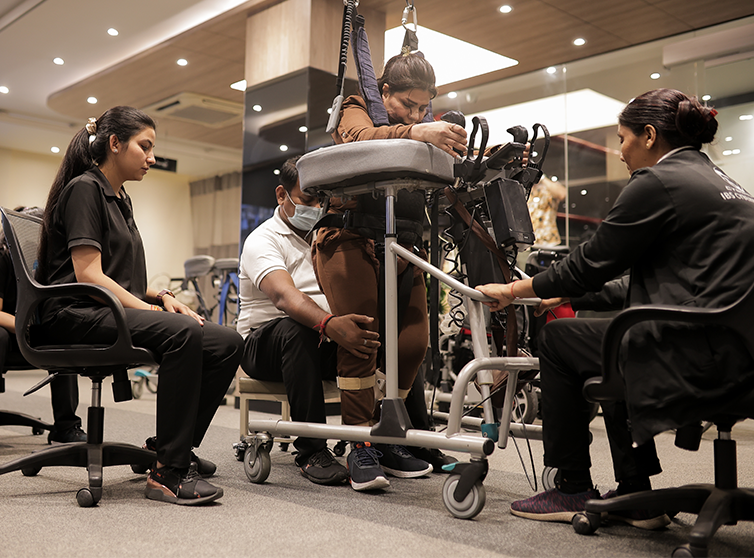
Motor neurone disease (MND) is the name for a group of diseases that affect nerves known as motor nerves, or motor neurons. Motor Neuron Disease (MND) affects over 350,000 people globally, with an estimated 30,000+ cases in India, leading to progressive muscle weakness and loss of motor control. Conventional therapy focuses primarily on symptom management with limited impact on disease progression.
Walk Again's FDA-approved neuromodulation and neurorehabilitation programs use Cyberdyne-powered robotic-assisted training. This approach leverages neuroplasticity and neuroregeneration to actively retrain the nervous system, leading to measurable improvements in muscle strength, speech, swallowing, and overall motor function, surpassing the results of traditional therapy.
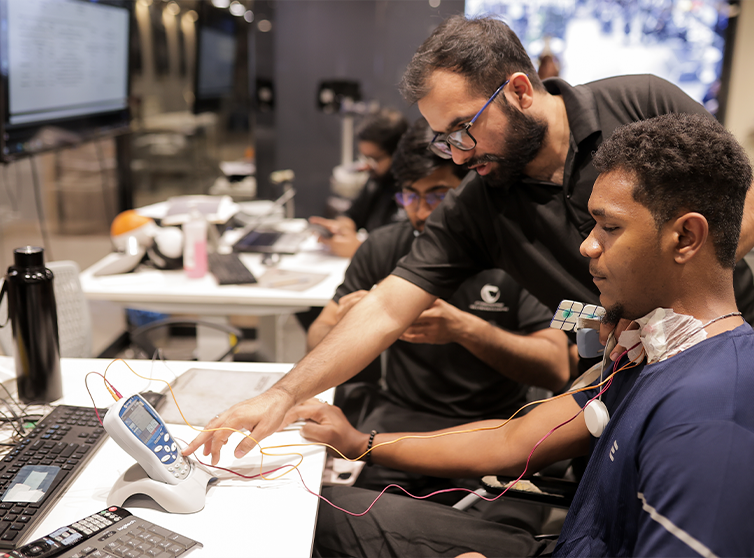
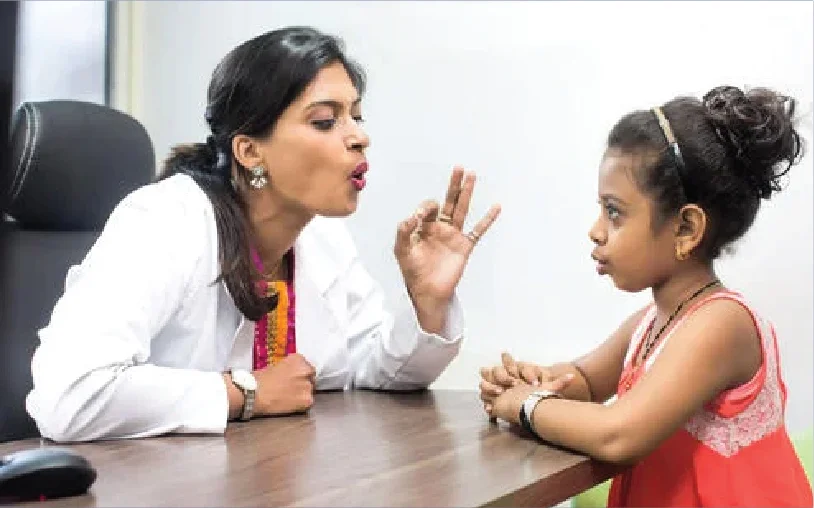
A number of different neurologic disorders can cause changes in voice and/or swallowing function.More than 400,000–800,000 people globally suffer from speech and swallowing disorders (dysarthria and dysphagia) due to neurological conditions like stroke, ALS, cerebral palsy, and head injury. These disorders hinder communication and safe eating.
While traditional therapies are slow, Cyberdyne's advanced rehabilitation programs use neuromodulation, robotic assistance, and electrical stimulation to accelerate recovery by stimulating neuroplasticity and neuroregeneration. This approach improves speech and swallowing more effectively than conventional therapy.
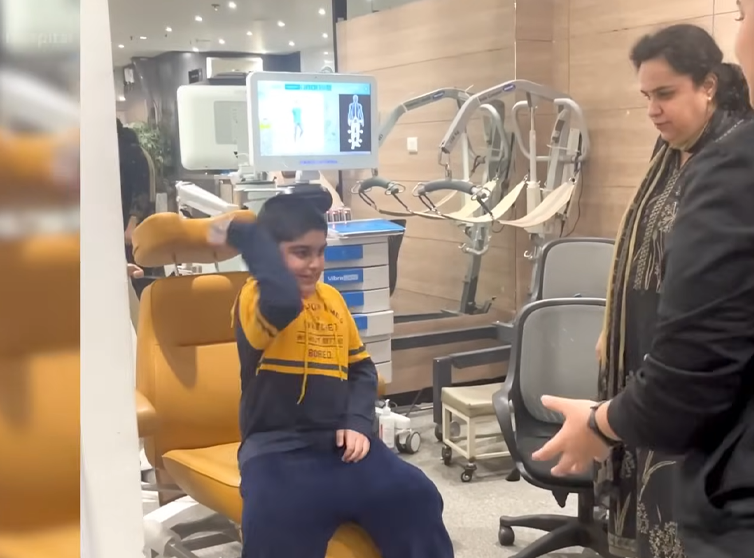
Autism spectrum disorder is a condition related to brain development that affects how people see others and socialize with them. Autism Spectrum Disorder (ASD) affects over 75 million people globally, including approximately 1.8- 2 million in India, often leading to challenges in motor coordination, sensory processing, and communication. Traditional therapies typically rely on behavioral and occupational interventions, which may offer gradual improvement.
Walk Again's FDA-approved Cyberdyne-based neuromodulation robotic therapy integrates neuroplasticity, neuroregeneration, and sensorimotor training for more effective brain network stimulation. This approach uses advanced robotic neuromodulation to enhance motor planning, coordination, and sensory integration, leading to faster, more meaningful progress in motor and behavioral outcomes compared to conventional methods.

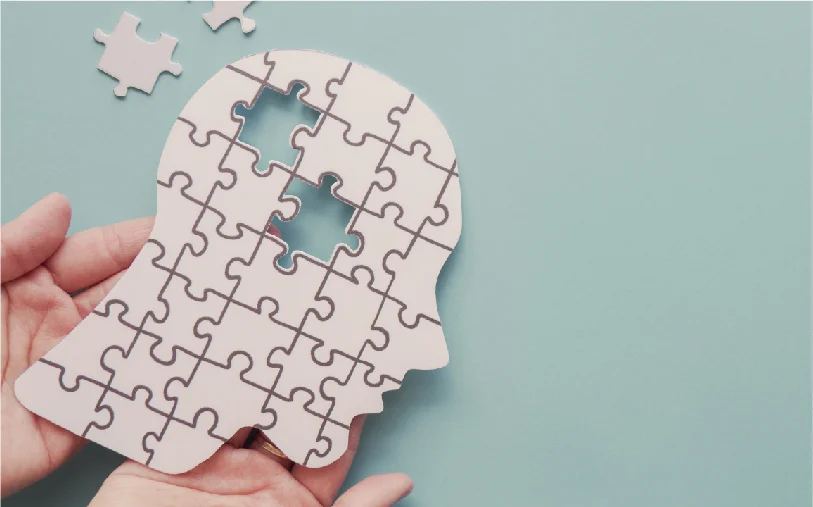
Alzheimer’s disease is a progressive neurodegenerative disorder characterized by memory loss, cognitive decline, and impaired daily functioning. It affects over 55 million people worldwide, including nearly 4 million in India, and currently has no definitive cure.
Cyberdyne's FDA-approved therapy utilizes robotic neuromodulation, neuroplasticity, and neuroregeneration to rebuild brain networks. Unlike traditional symptom management, this approach targets damaged neural pathways, promoting brain reorganization and functional recovery. This innovative technology improves memory, attention, and cognitive performance, enhancing patient independence and quality of life.
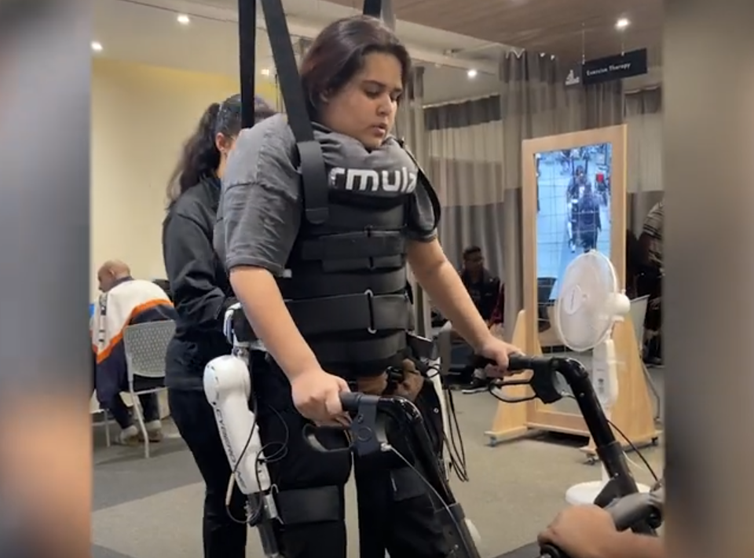
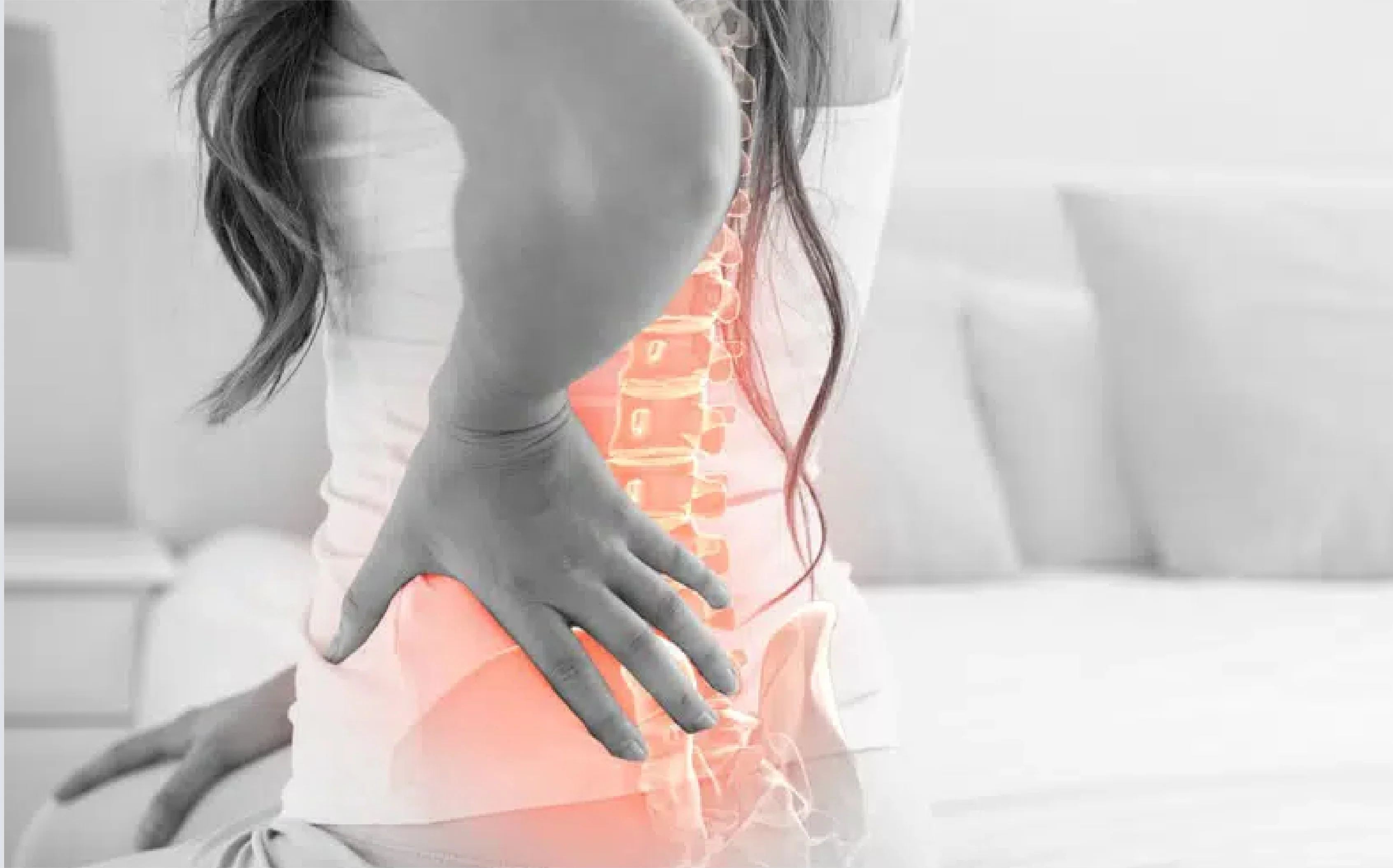
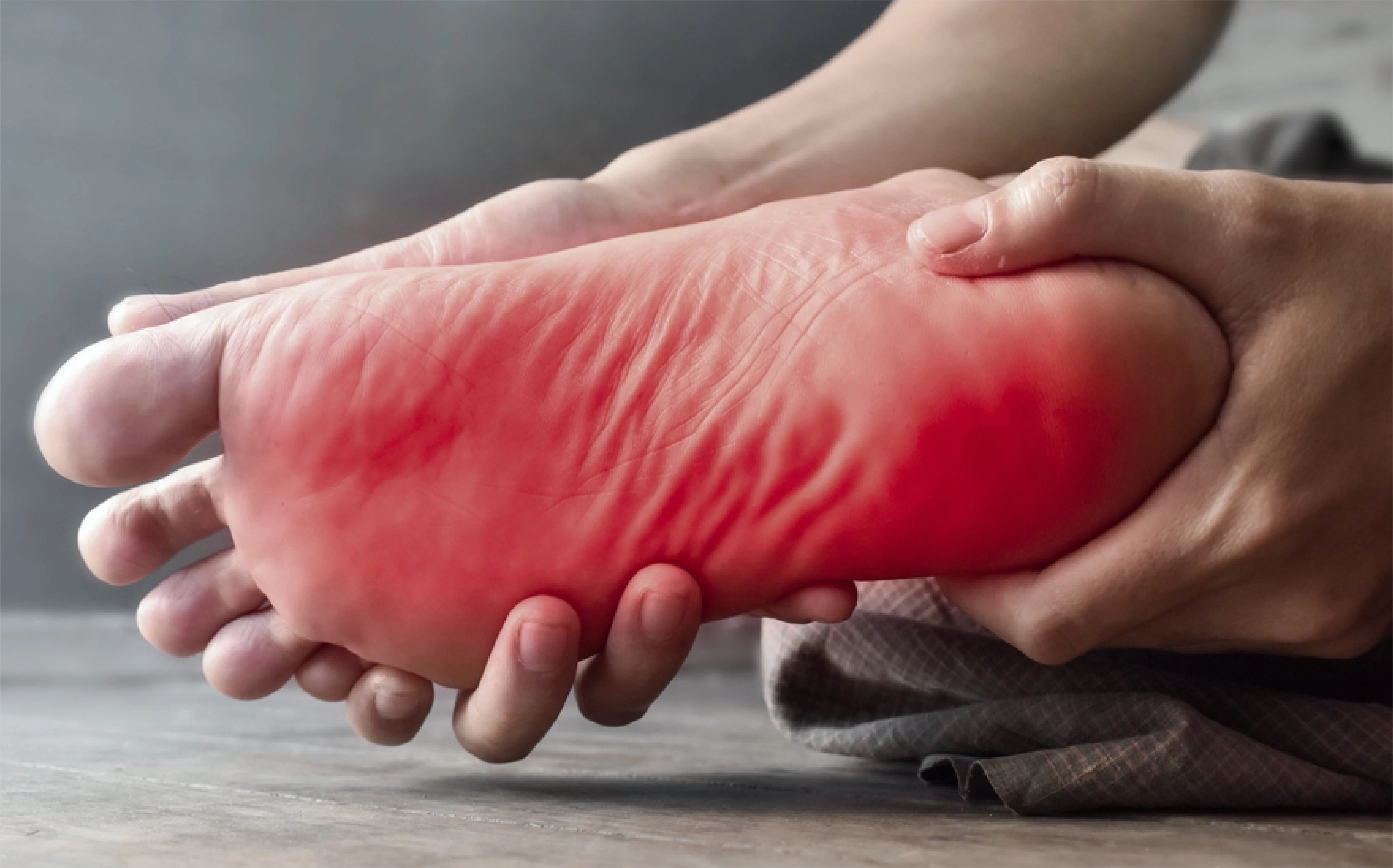
Chronic pain affects over 20 % of adults globally, with an estimated 19–25% of the Indian population suffering from long-term pain conditions such as back pain, neuropathy, or musculoskeletal disorders. Conventional treatments like medications, physiotherapy, and injections often provide only temporary relief without addressing the root neurological dysfunction.
Walk Again's FDA-approved Cyberdyne-based neuromodulation robotic therapy takes a transformative approach, engaging the brain and spinal cord through Neuroplasticity, Neuroregeneration, and Robotic-assisted Neuromodulation. This technology helps retrain the nervous system, reduce pain perception, improve mobility, posture, and emotional well-being, offering long-term relief and functional recovery far beyond traditional pain management methods.

Muscular dystrophy is a group of diseases that causes muscles to become weaker and lose mass over time.Muscular Dystrophy affects over 250,000 people worldwide, with approximately 250,000–350,000 cases in India, leading to progressive muscle weakness, loss of mobility, and reduced independence due to genetic mutations. Conventional therapies like physiotherapy and supportive care aim to slow progression but offer limited muscle recovery.
Walk Again's FDA-approved Cyberdyne-powered robotic neuromodulation therapy is a breakthrough that activates neural and muscular pathways using Neuroplasticity, Neuroregeneration, and Robotic-assisted Neuromodulation. This program helps preserve and enhance muscle function, improve coordination, and promote greater mobility, offering functional improvement and long-term strength gains beyond traditional approaches.
 View
video testimonial
View
video testimonial
 View
video testimonial
View
video testimonial
 View
video testimonial
View
video testimonial
 View
video testimonial
View
video testimonial
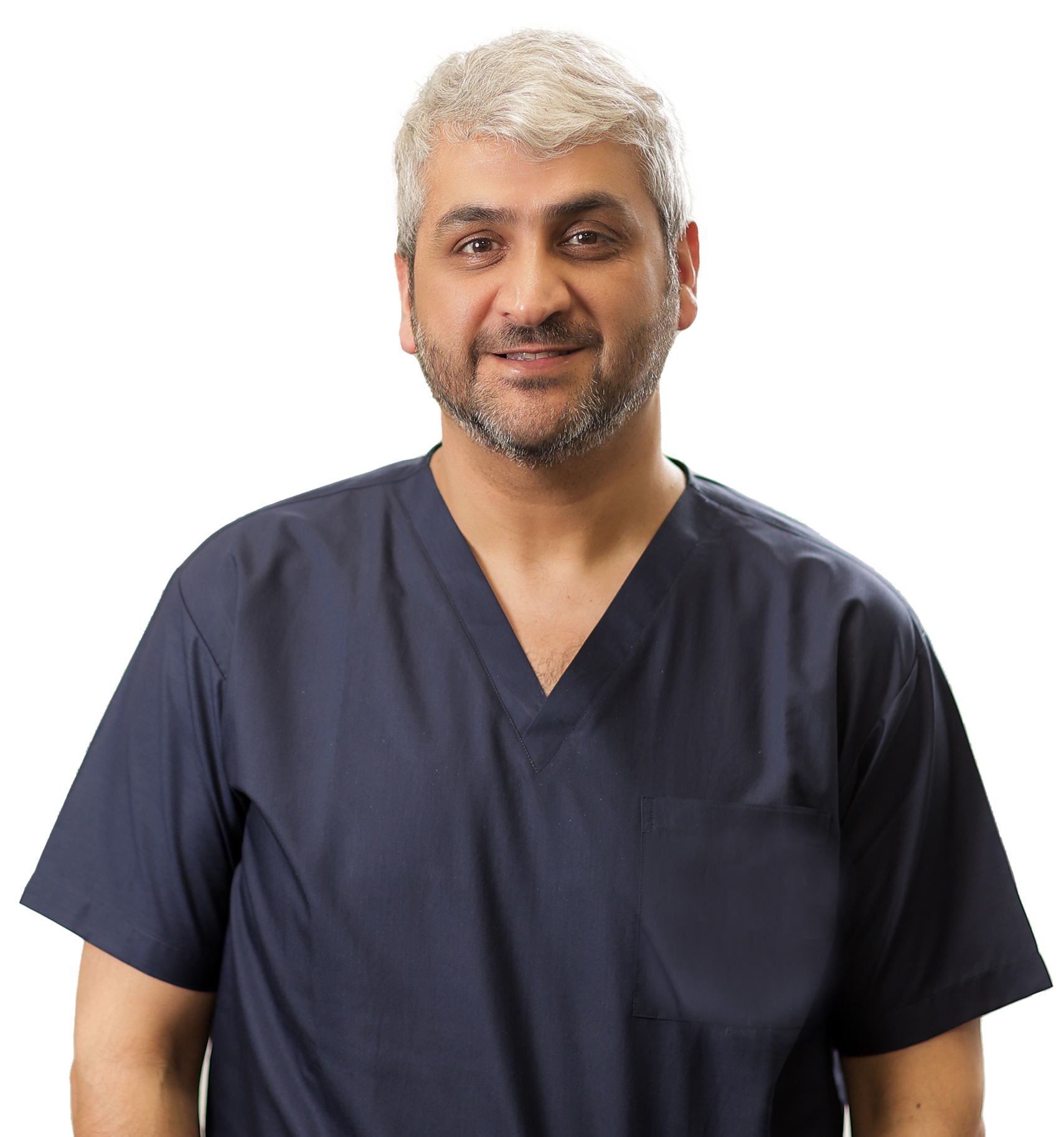
Your brain has the amazing capacity to reorganize and recover, regardless of age or the severity of your neurological disorder/injury. Effective recovery is achievable with high-intensity neurorehabilitation and appropriate support. Because of neuroplasticity, the brain's innate capacity to adapt and establish new connections, recovery is possible at any stage with focused approach and expert direction.
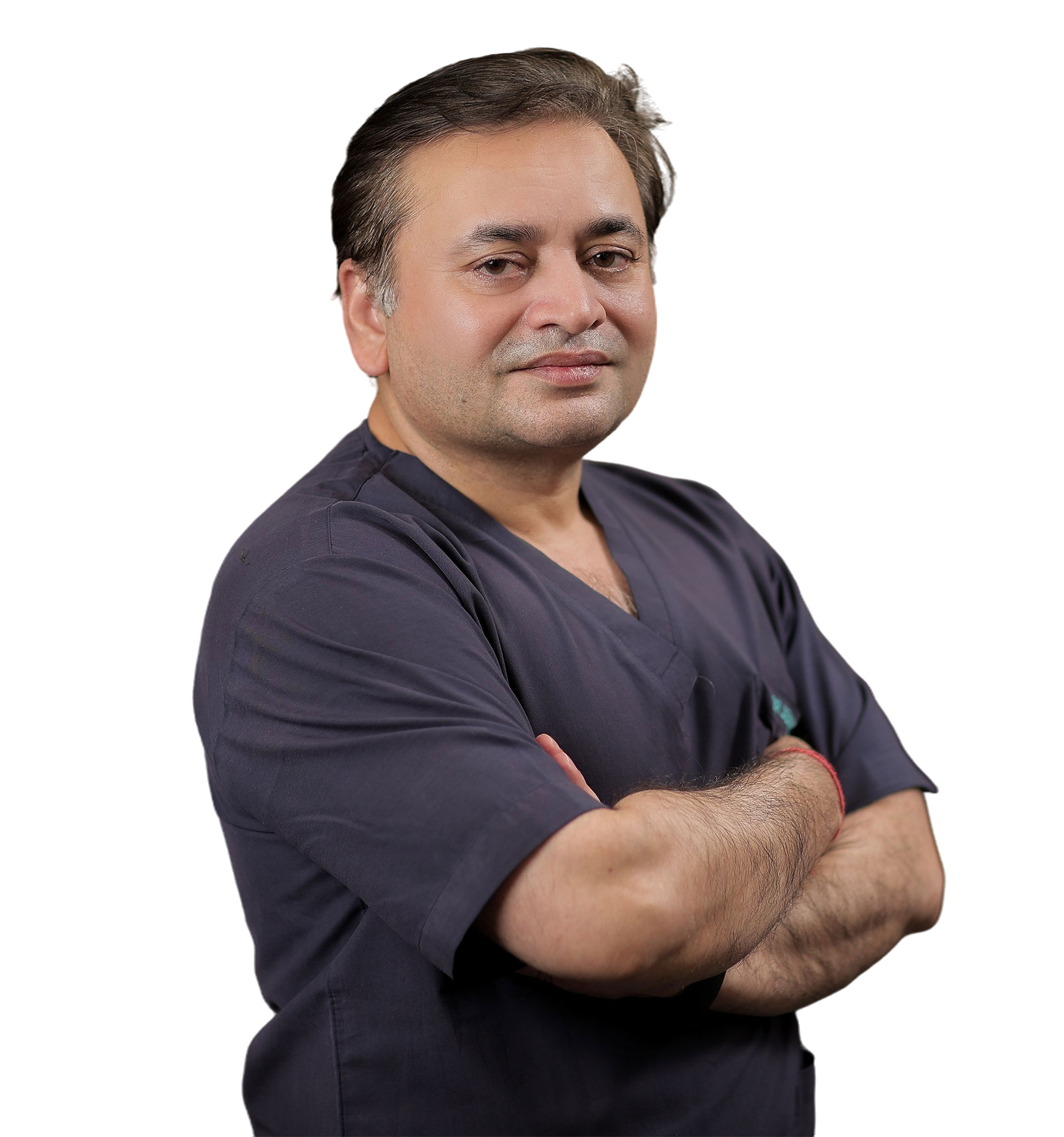
Your brain has the amazing capacity to reorganize and recover, regardless of age or the severity of your neurological disorder/injury. Effective recovery is achievable with high-intensity neurorehabilitation and appropriate support. Because of neuroplasticity, the brain's innate capacity to adapt and establish new connections, recovery is possible at any stage with focused approach and expert direction.
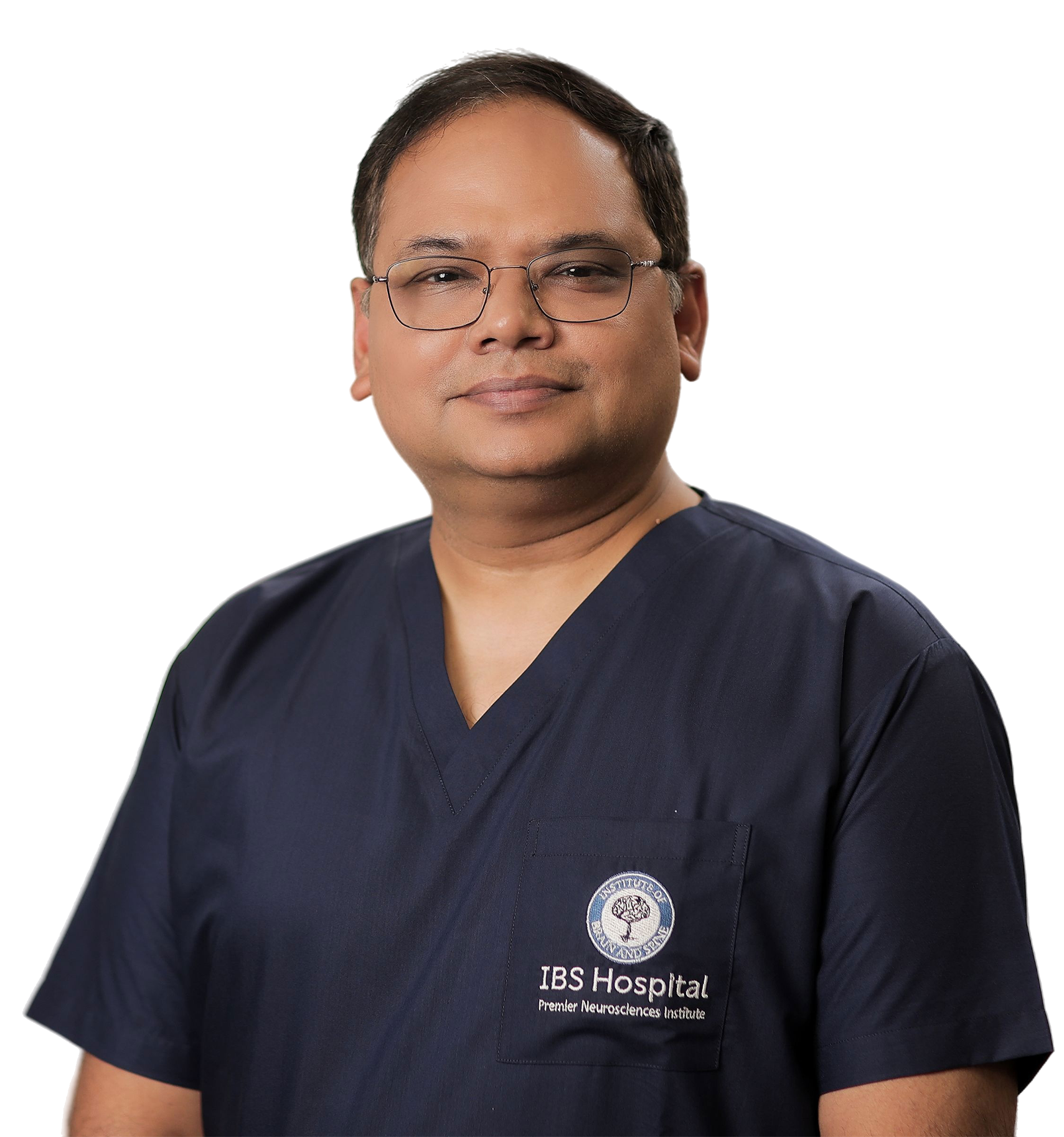
Your brain has the amazing capacity to reorganize and recover, regardless of age or the severity of your neurological disorder/injury. Effective recovery is achievable with high-intensity neurorehabilitation and appropriate support. Because of neuroplasticity, the brain's innate capacity to adapt and establish new connections, recovery is possible at any stage with focused approach and expert direction.

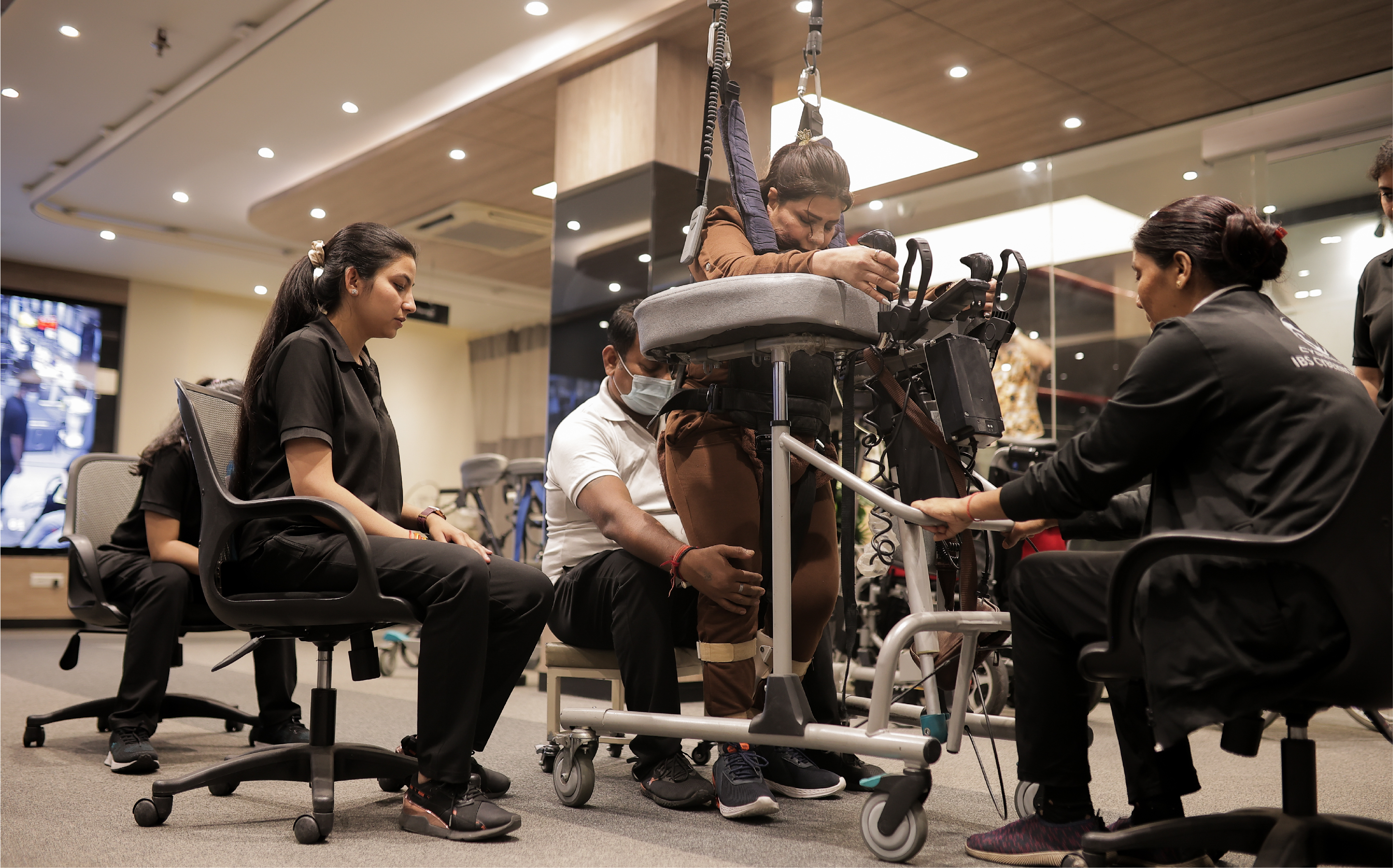
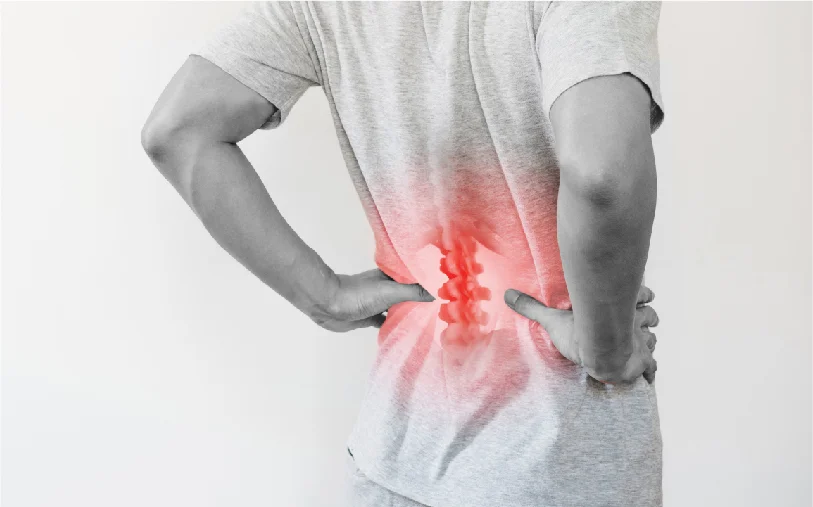
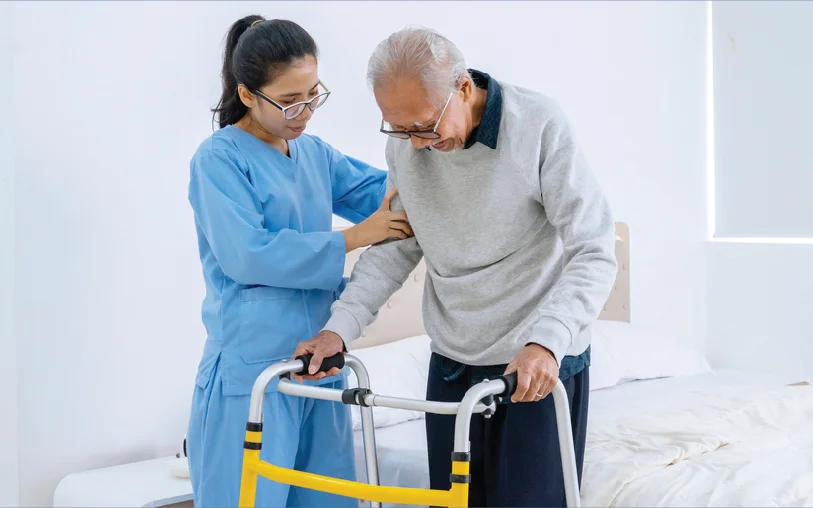
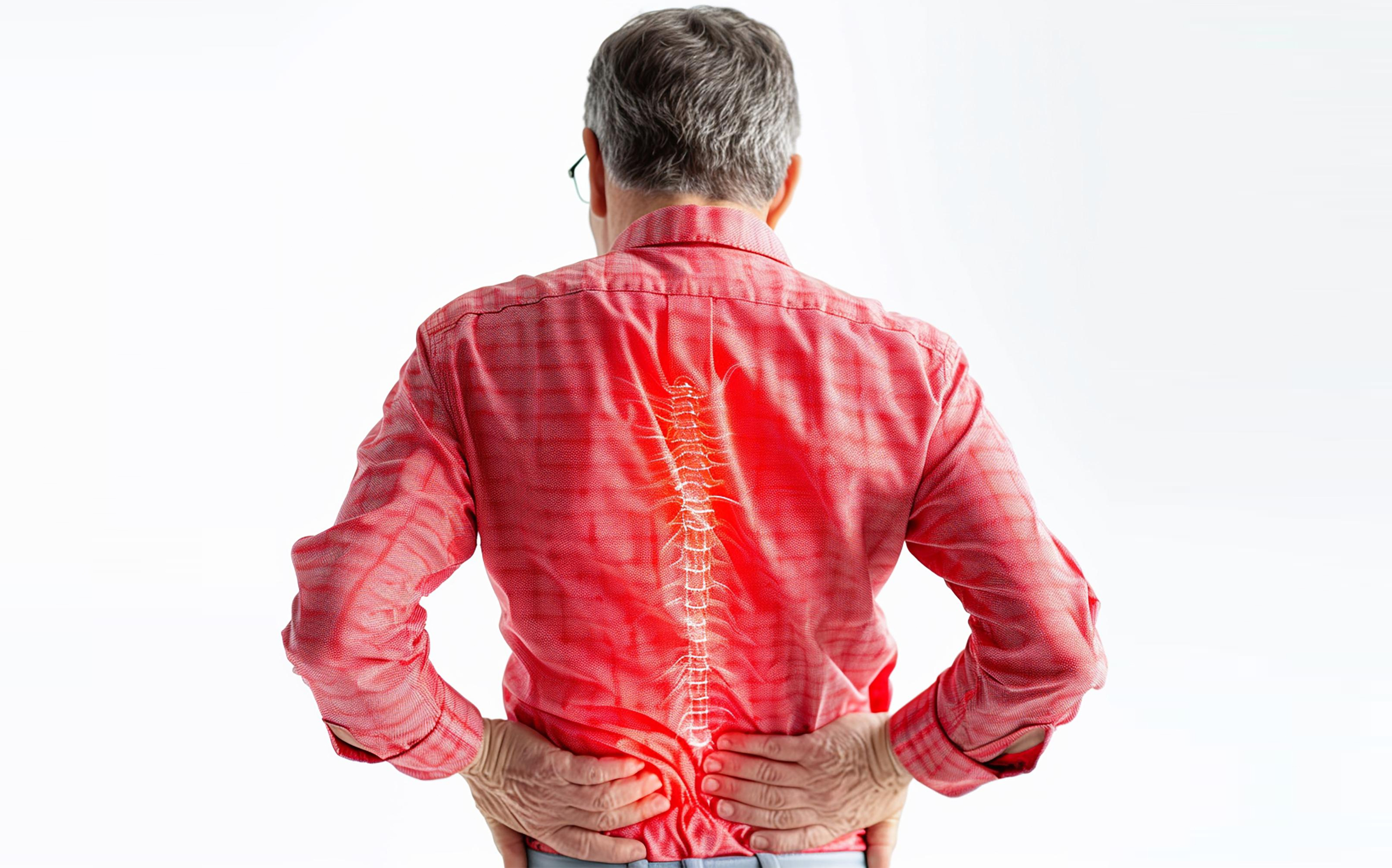
For those impacted by spinal injuries, spinal cord injury rehabilitation aims to improve strength, mobility, and overall quality of life.
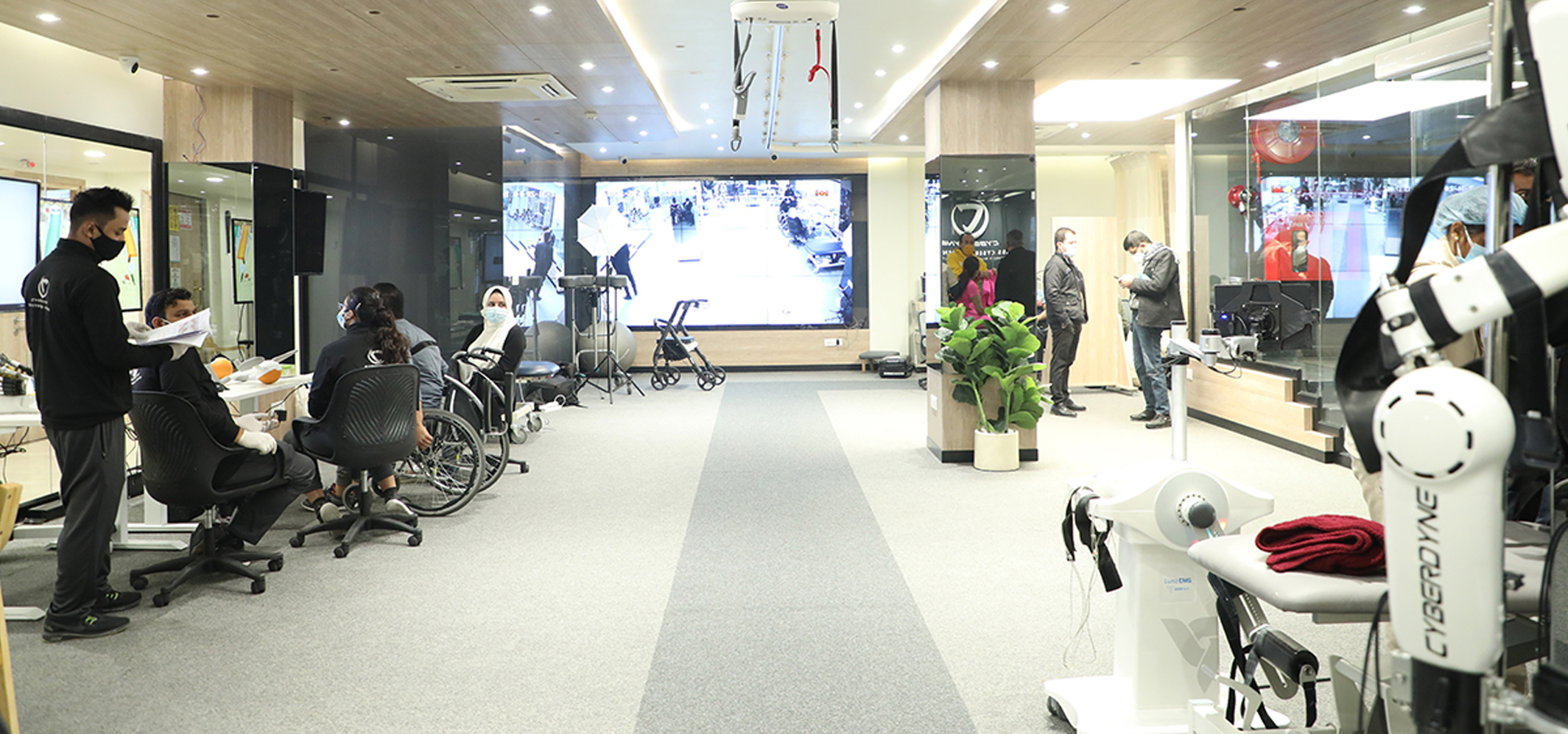
 New
Delhi: +91 9035030623
New
Delhi: +91 9035030623
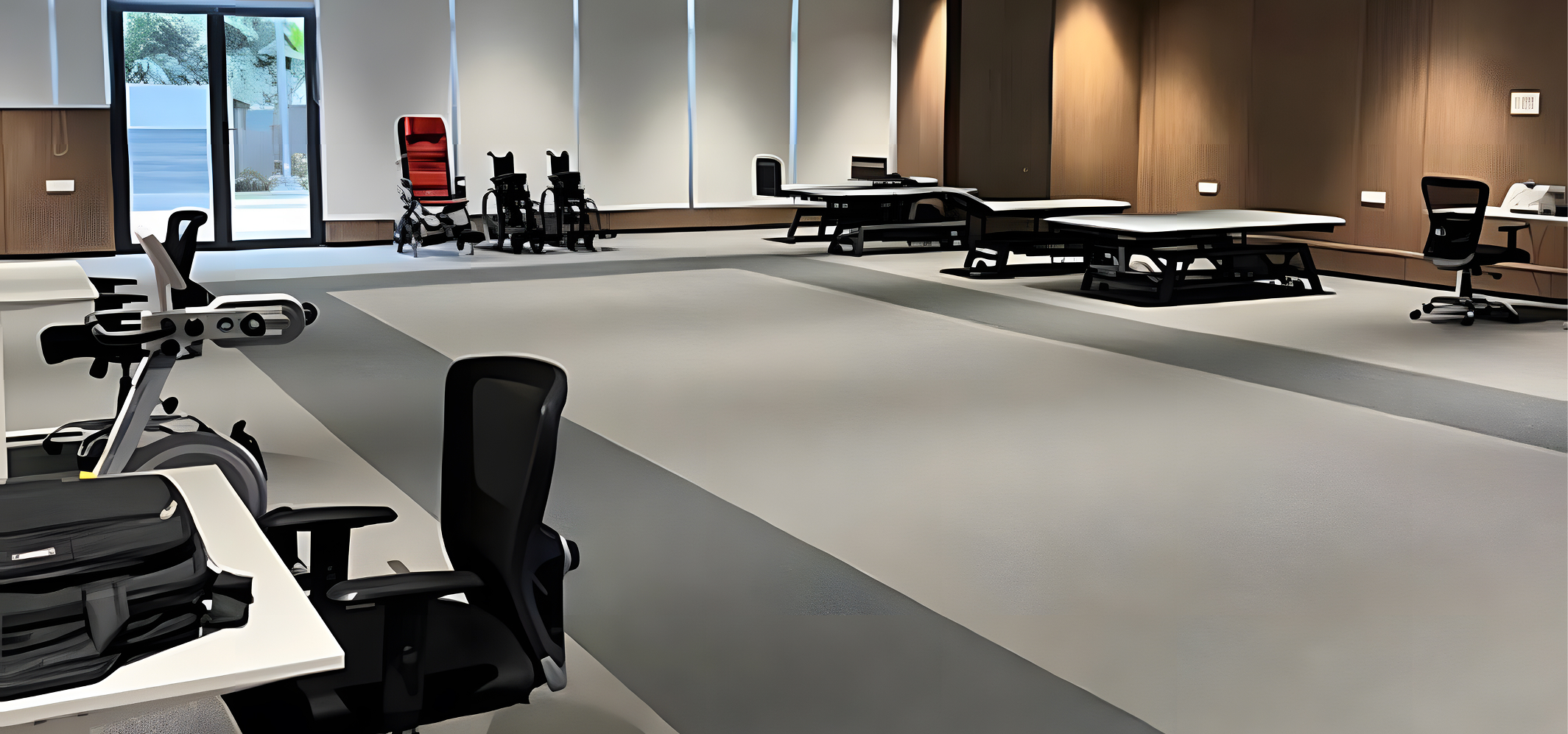 Hyderabad: +91 9035030623
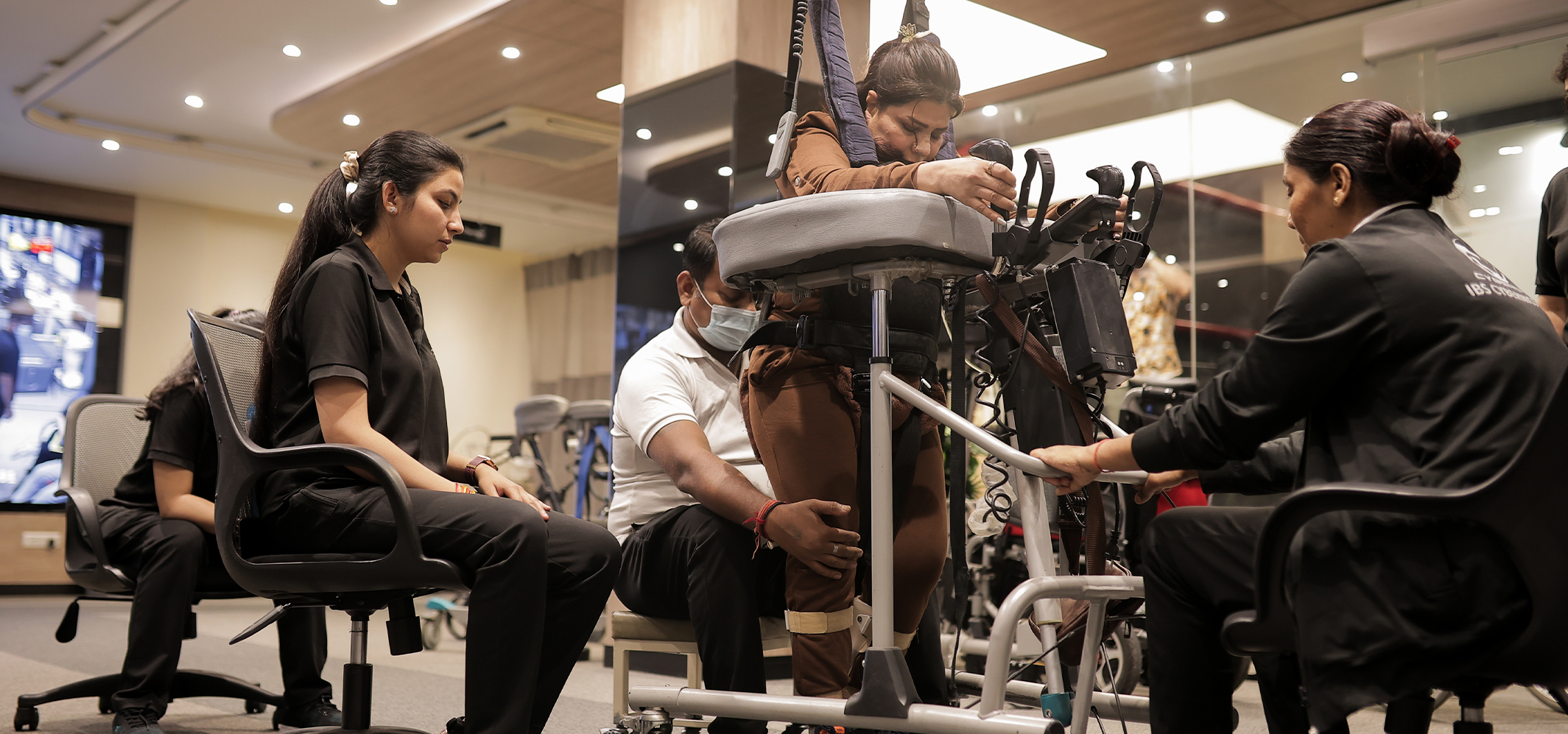 Bengaluru: +91 9035030623
 Malaysia: +606 235 4000
 Muscat:
+968 22 496007
Muscat:
+968 22 496007


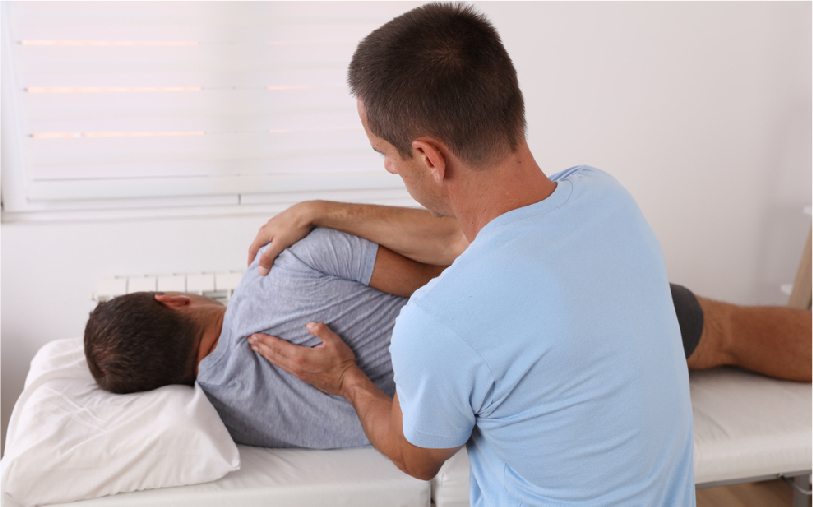
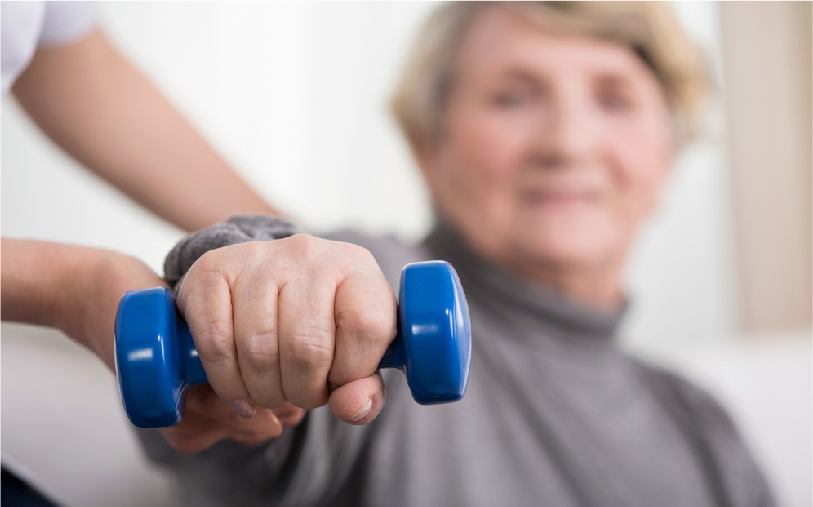
 Causes, Symptoms, And Treatment In Hyderabad.jpg)
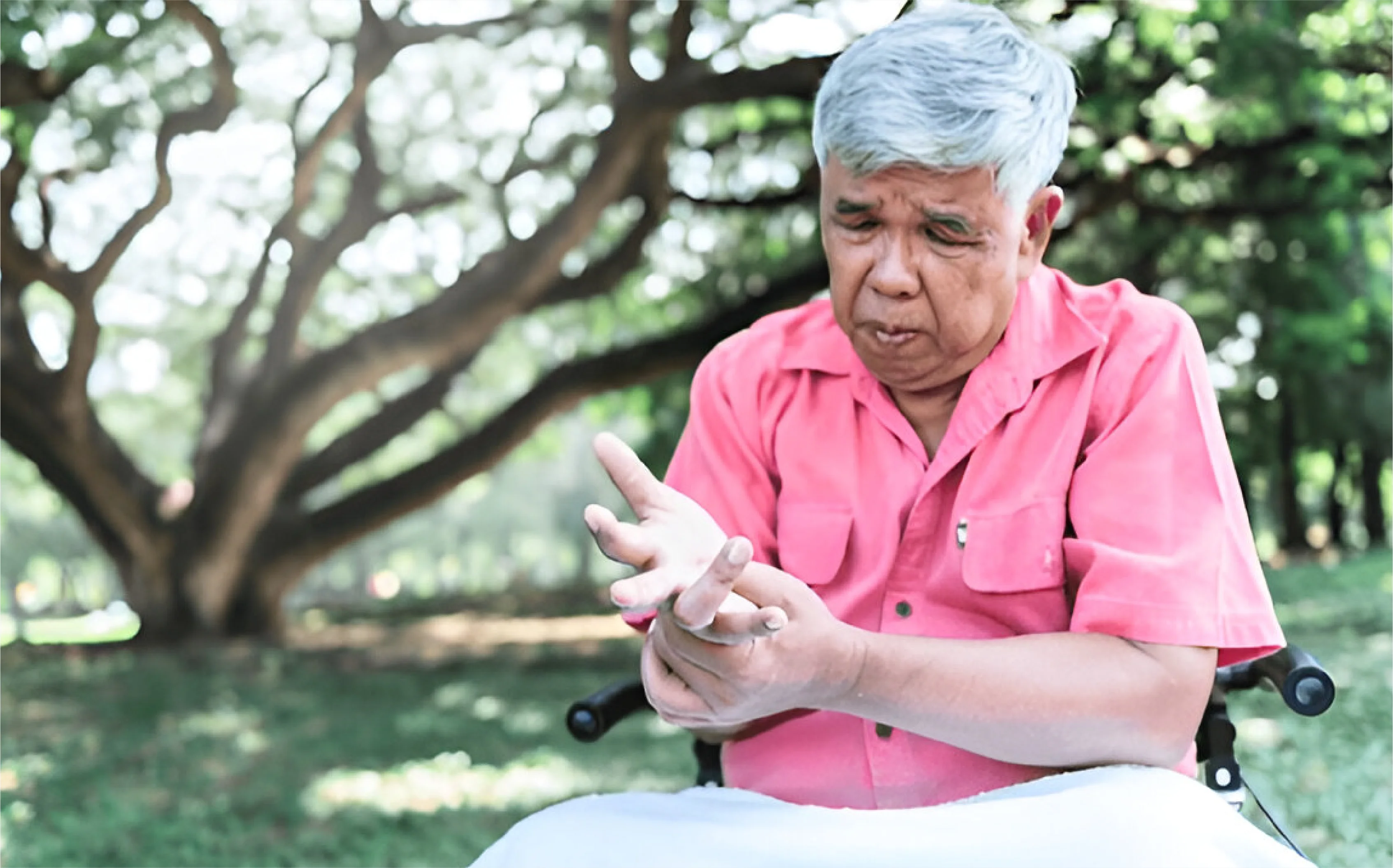
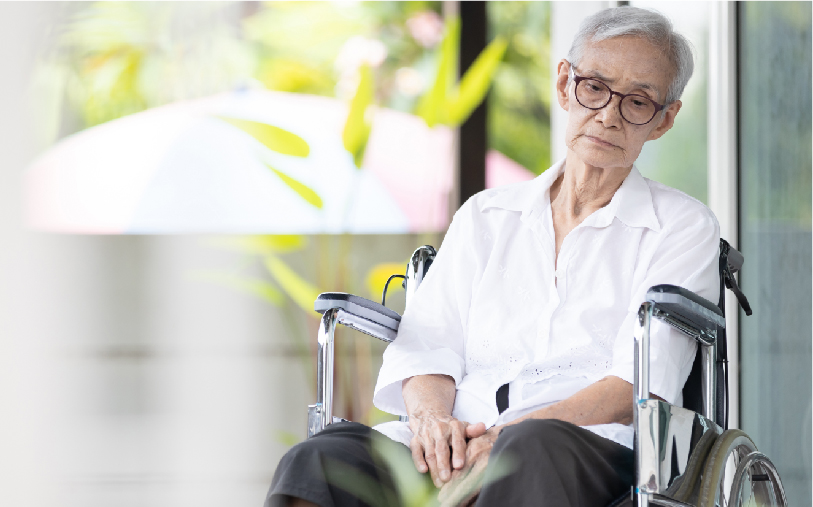
 Causes, Symptoms, And Treatment Options In Hyderabad.webp)




.webp)