

Have questions or interested in our premium window solutions? Reach out to us—we're here to help!
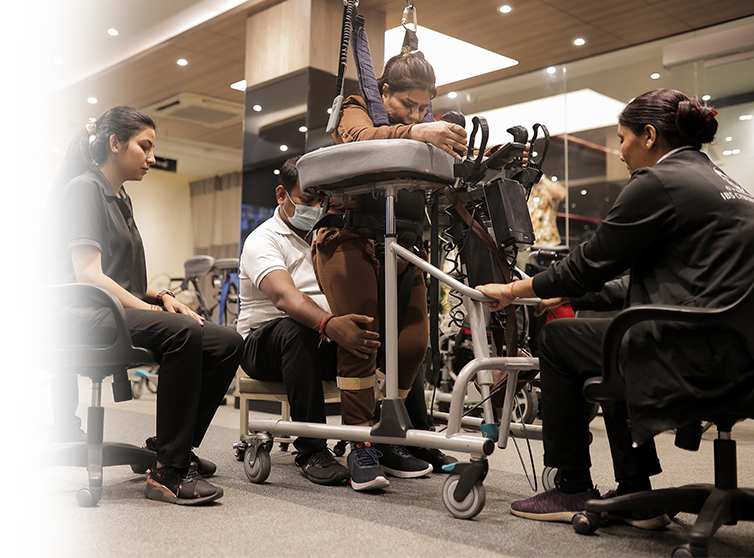
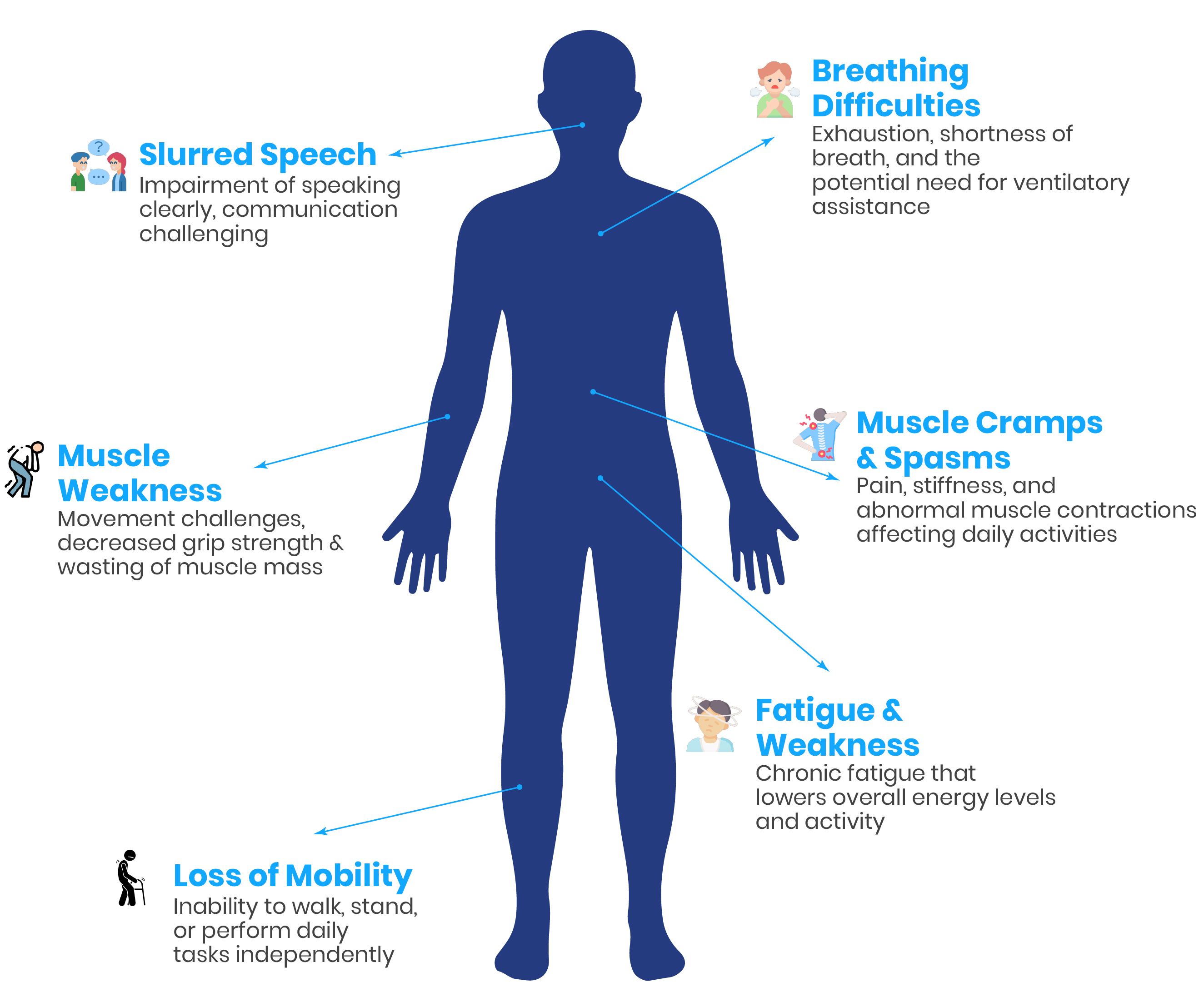
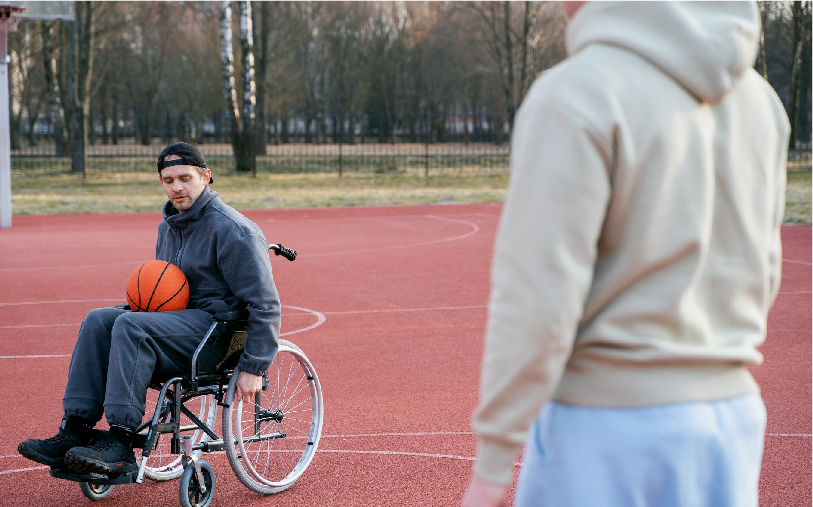
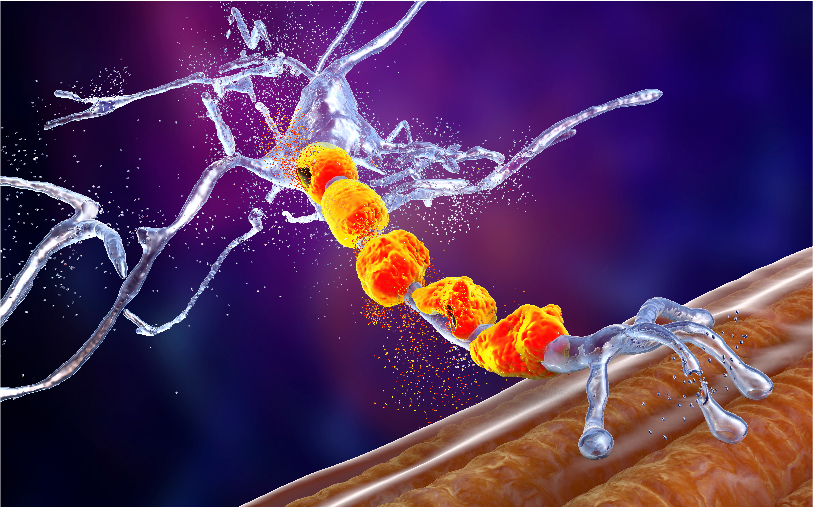
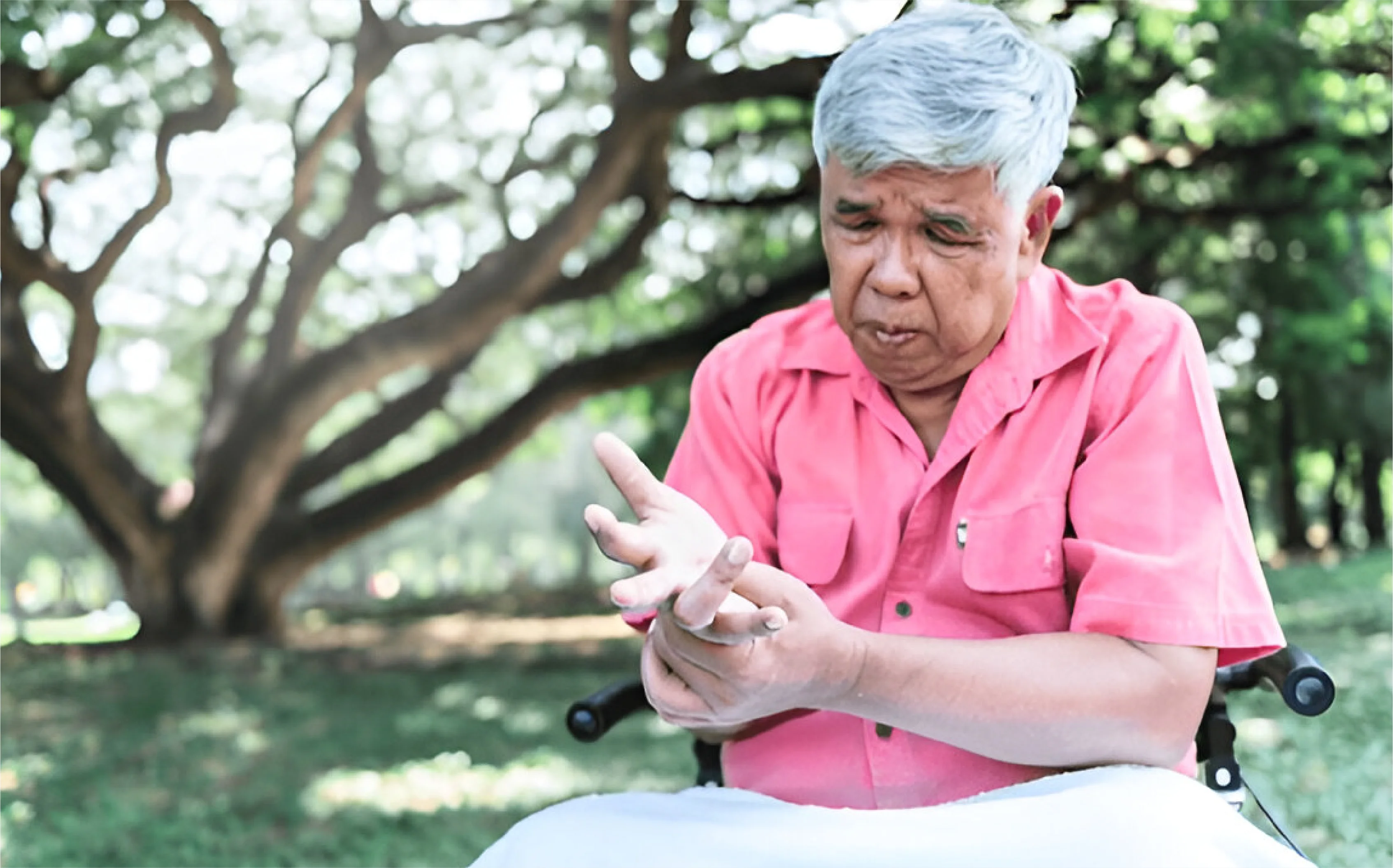
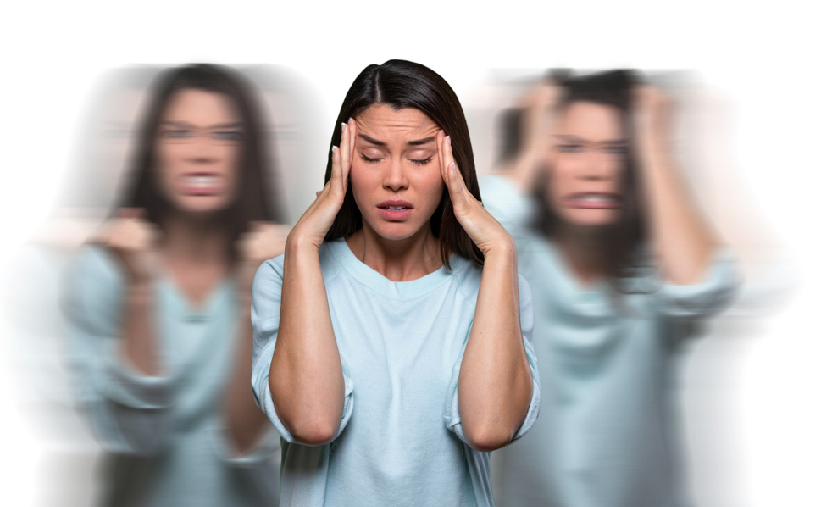
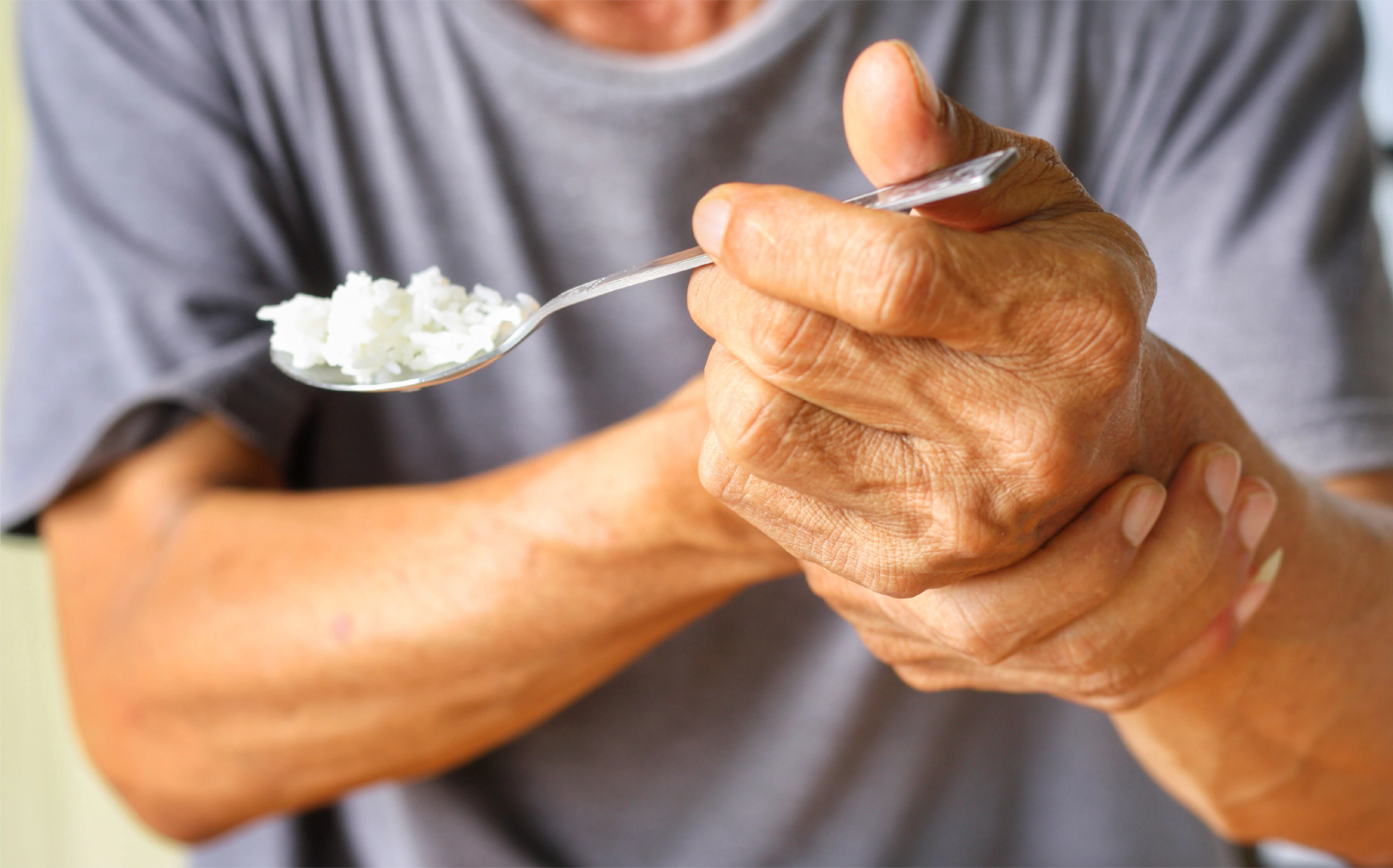
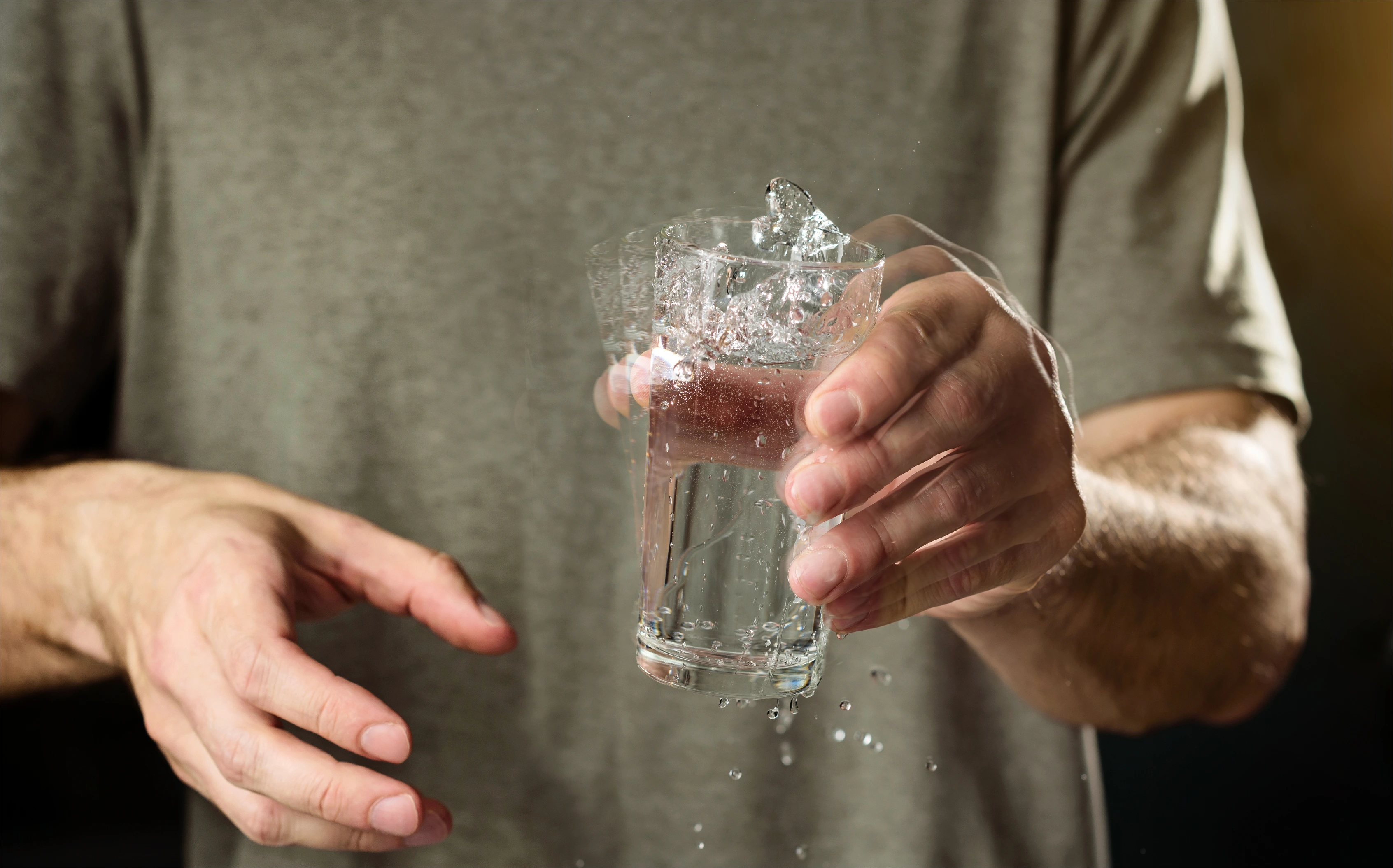
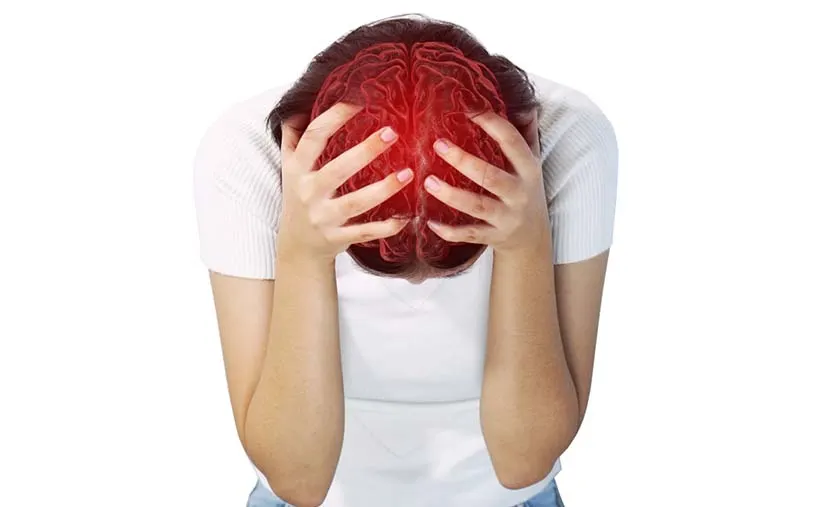
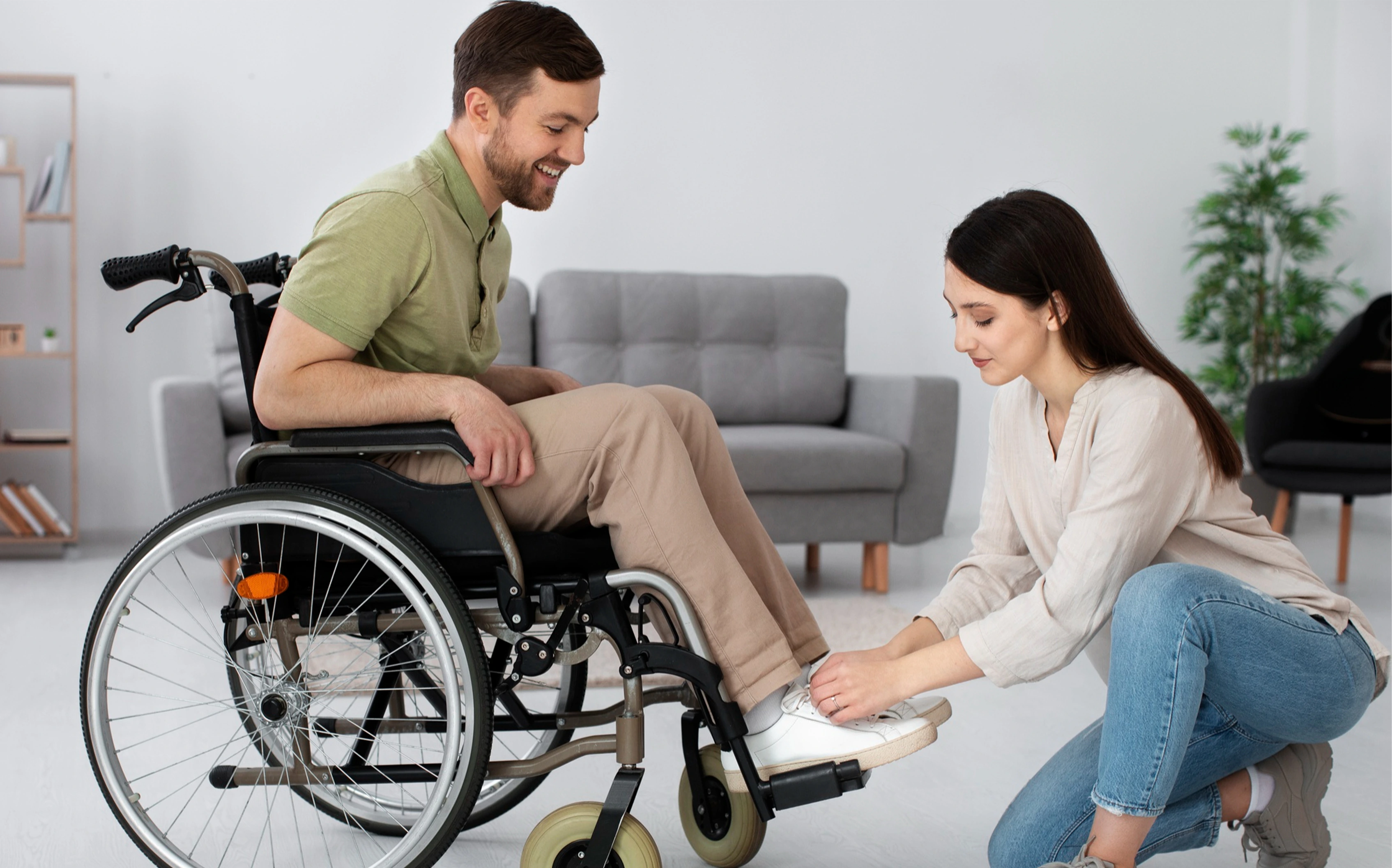
Motor neurone disease (MND) primarily causes physical decline in muscle strength and function, leading to mobility loss. Cognitively, some individuals may develop cognitive impairments. Emotionally, the progressive nature of the disease can cause distress and anxiety. Sensory changes are less common but can include altered sensation or discomfort.
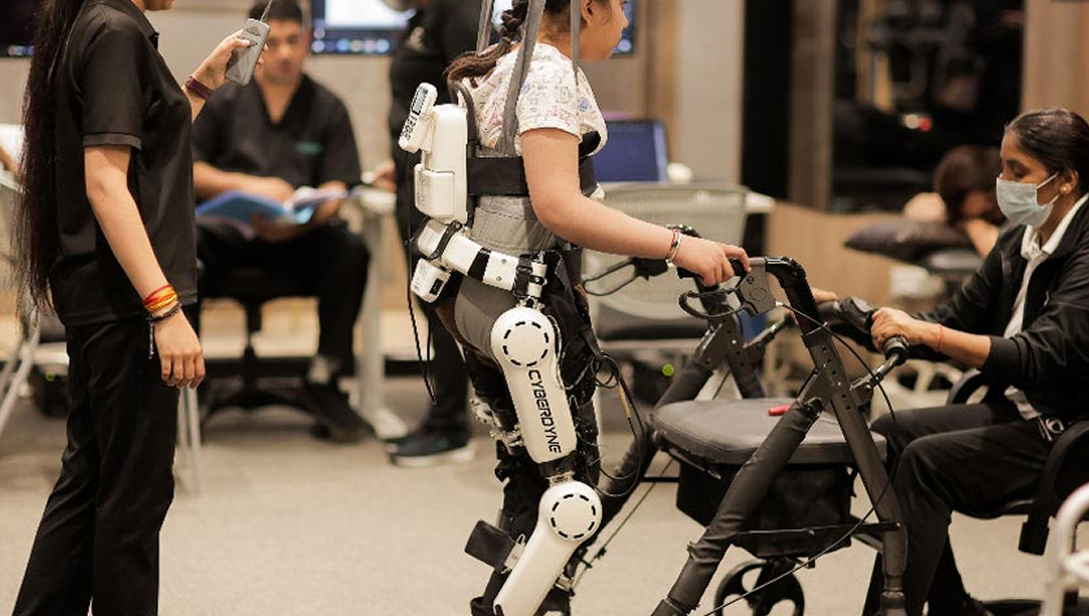
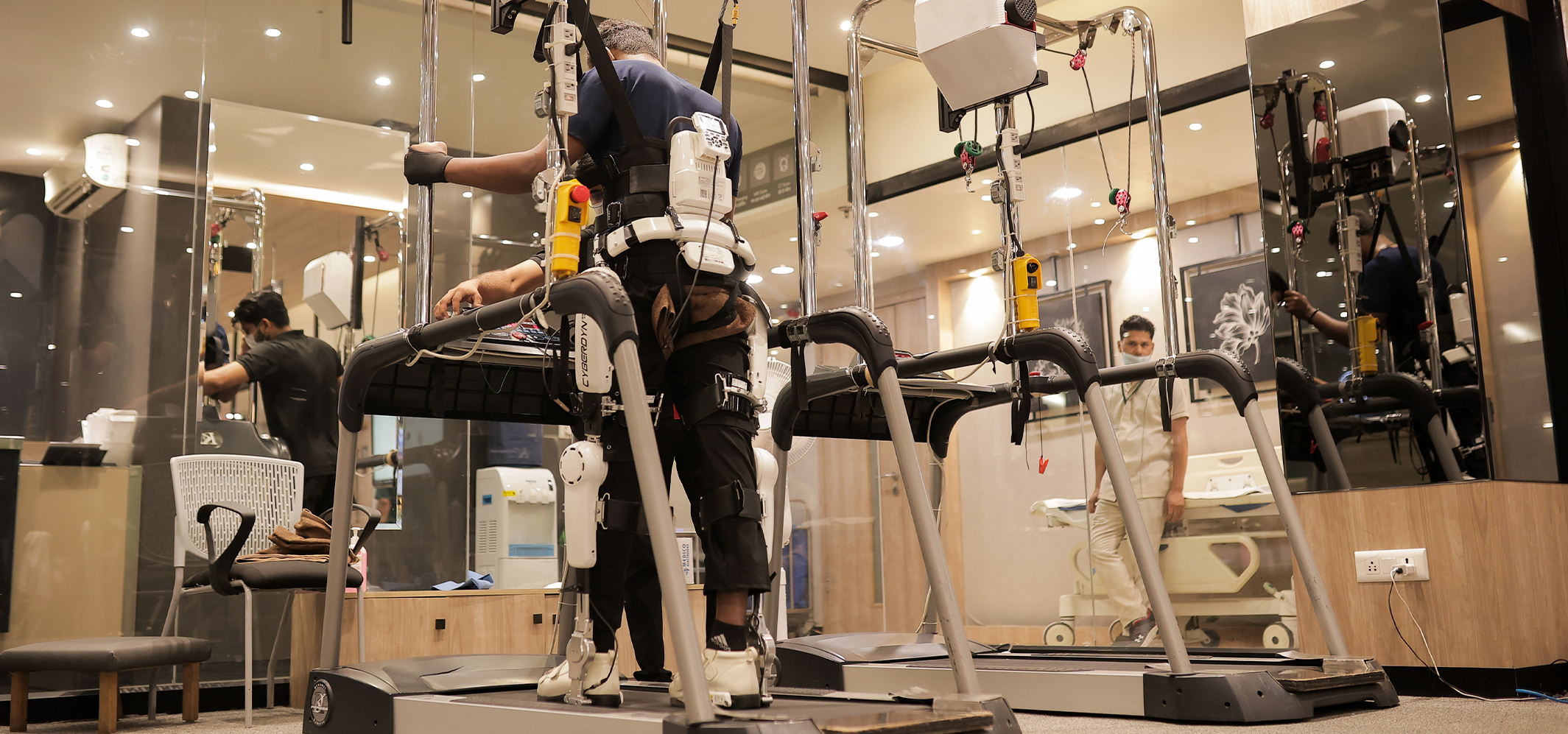
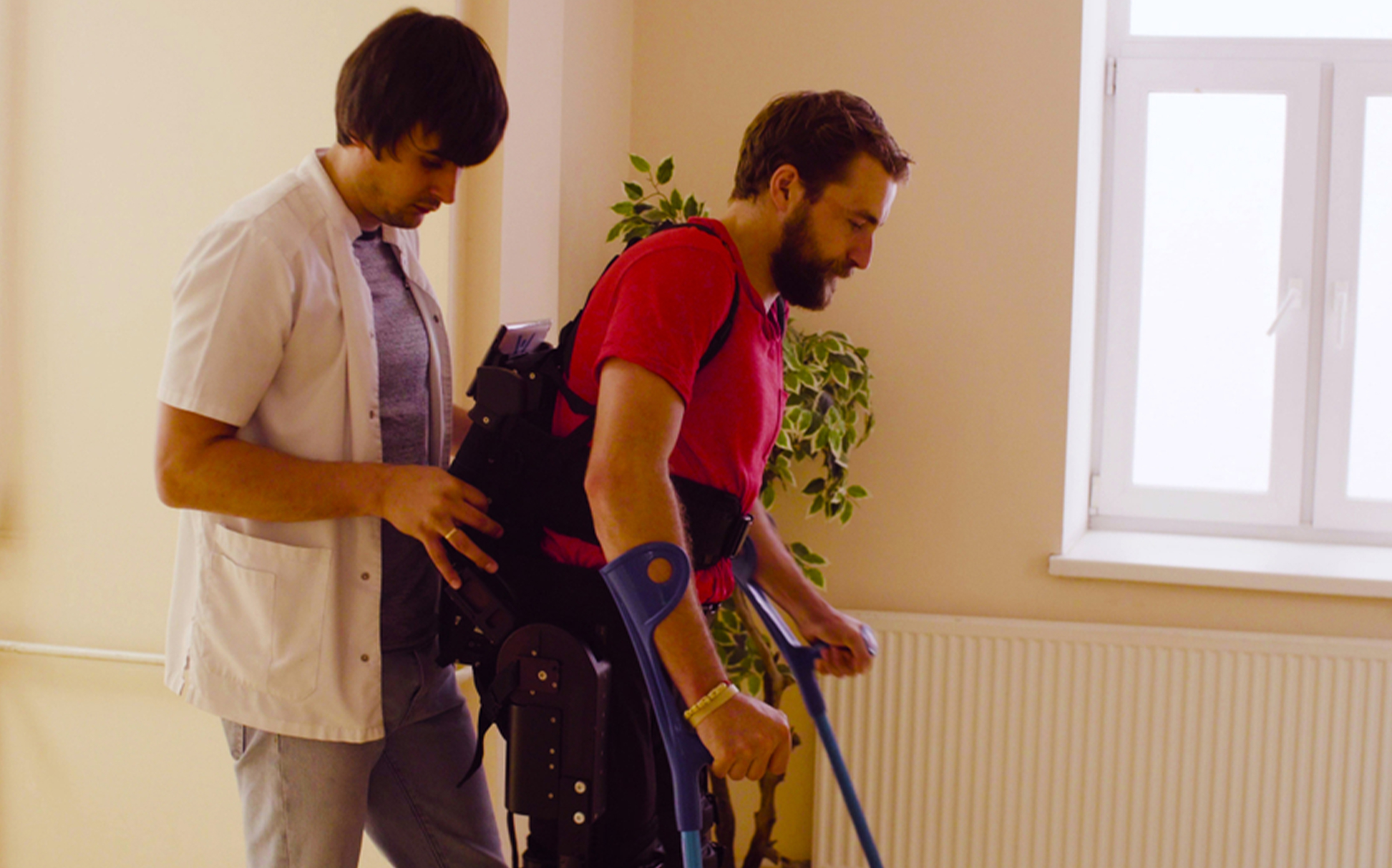
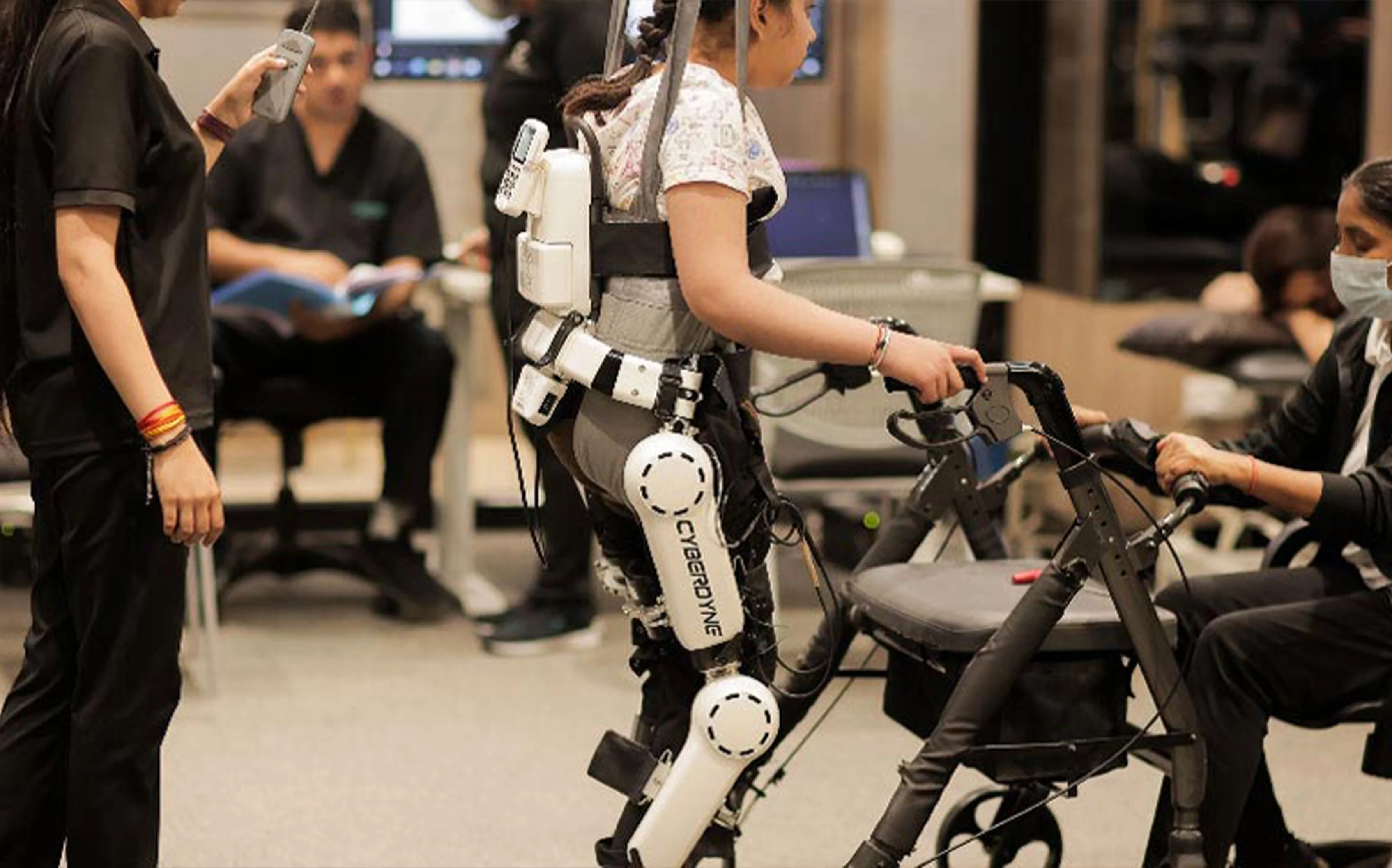
It supports and enhances human mobility and strength. It uses special technology to pick up muscle signals from the wearer and boost their strength and movement.
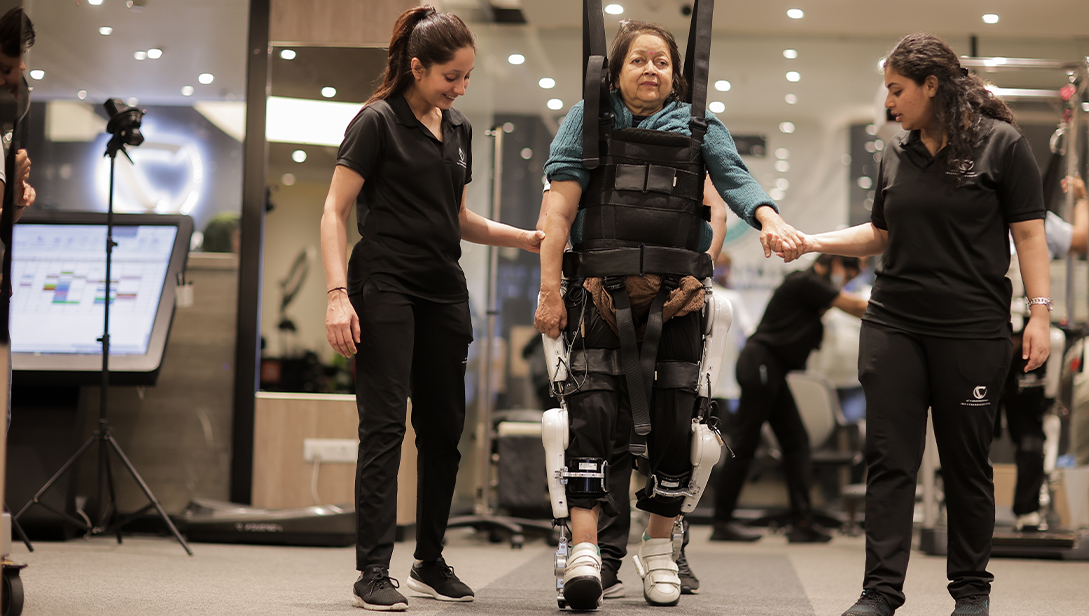
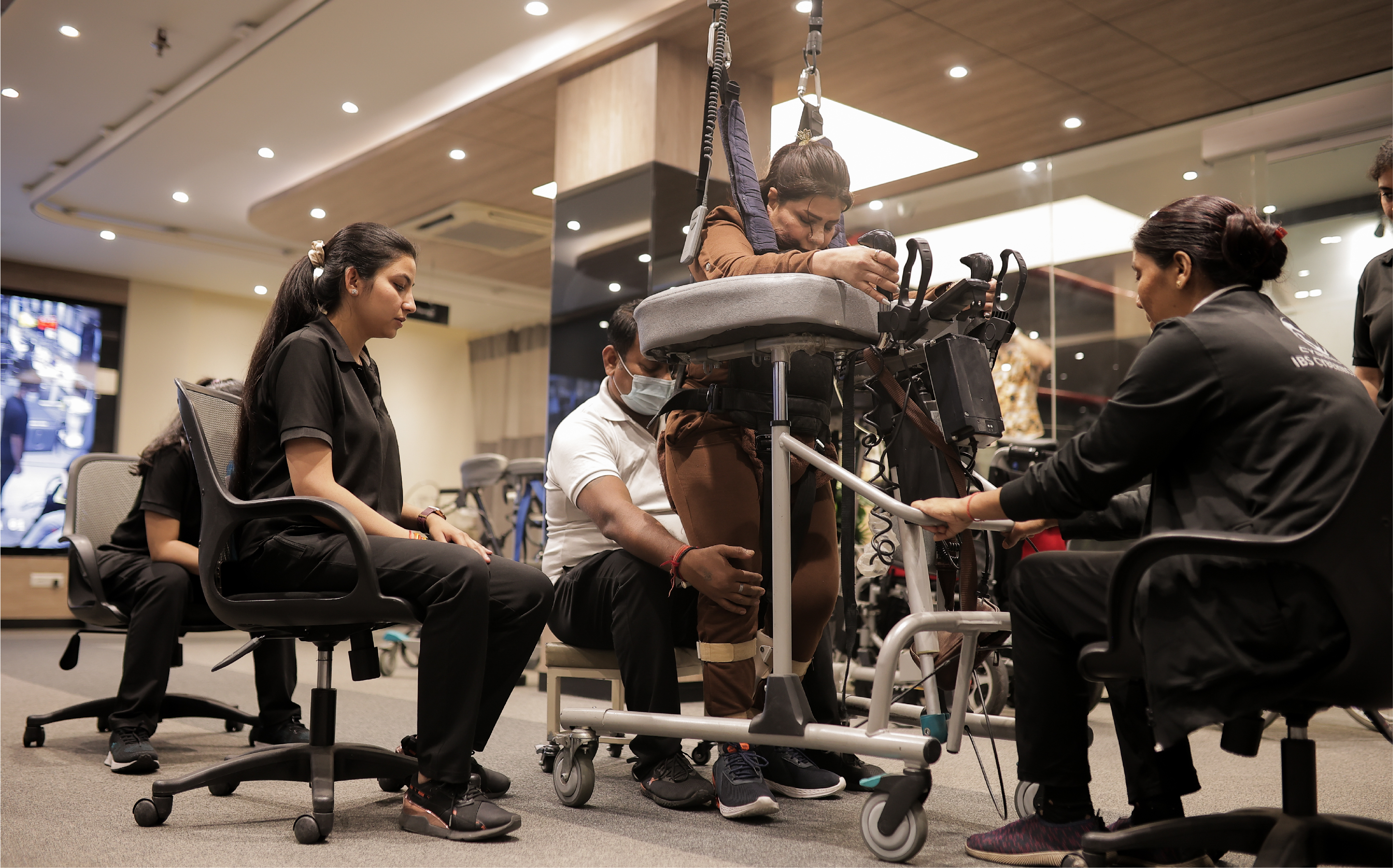
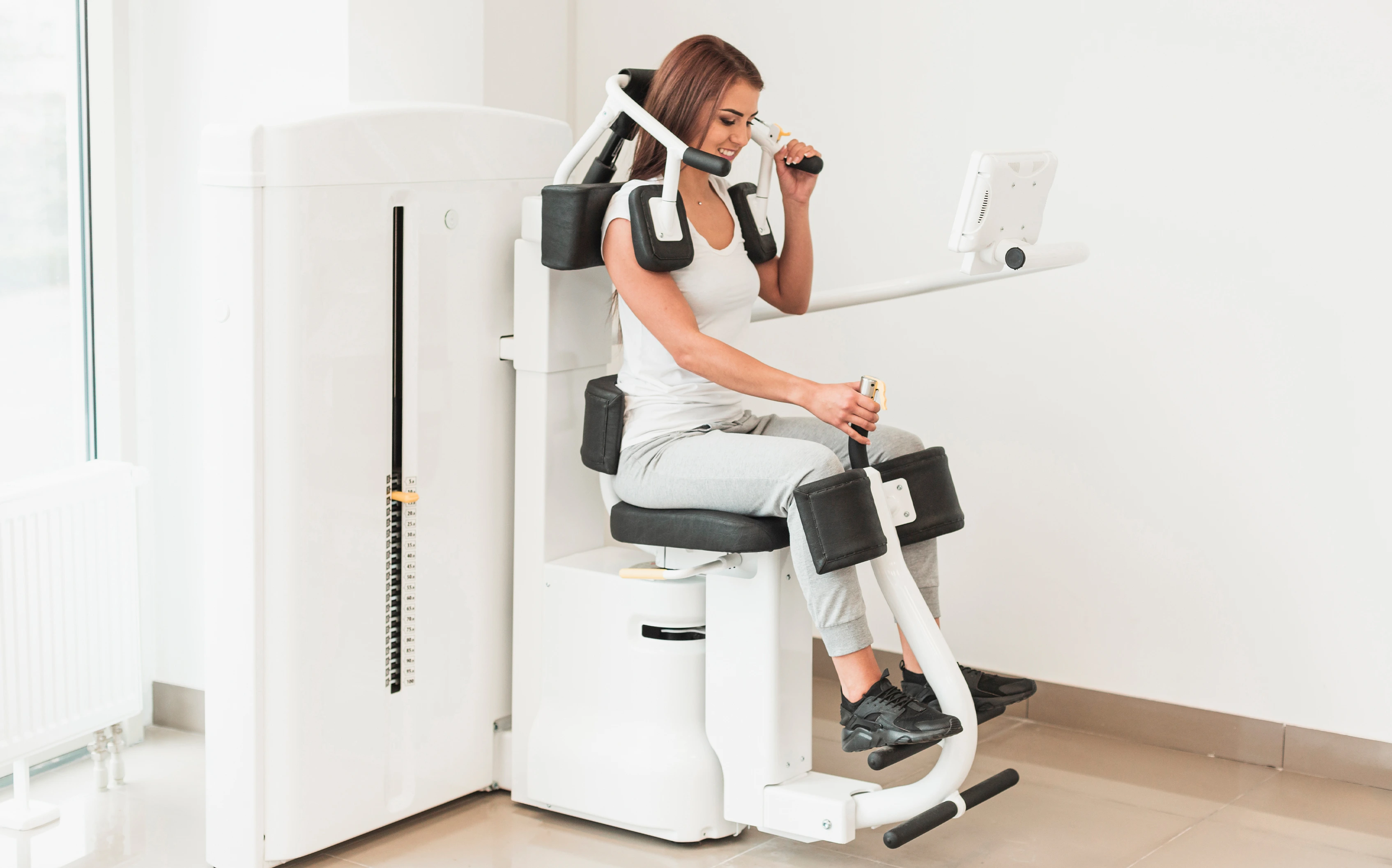
Trunk control and sitting balance training.
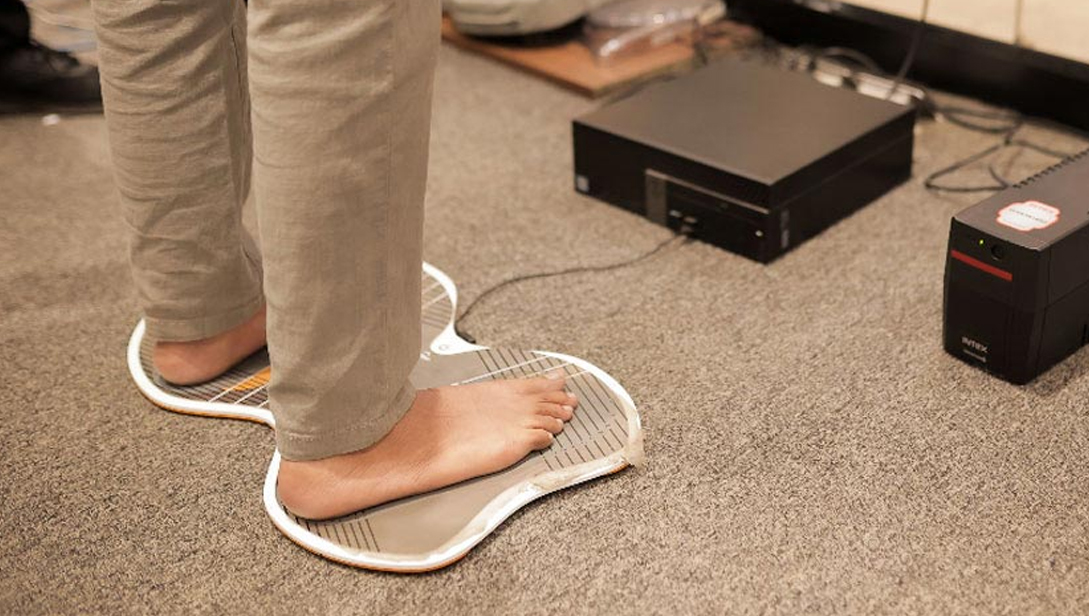
It is a versatile rehabilitation platform that focuses on balance and coordination training. Its interactive system provides real-time feedback, allowing therapists to design customised exercises.
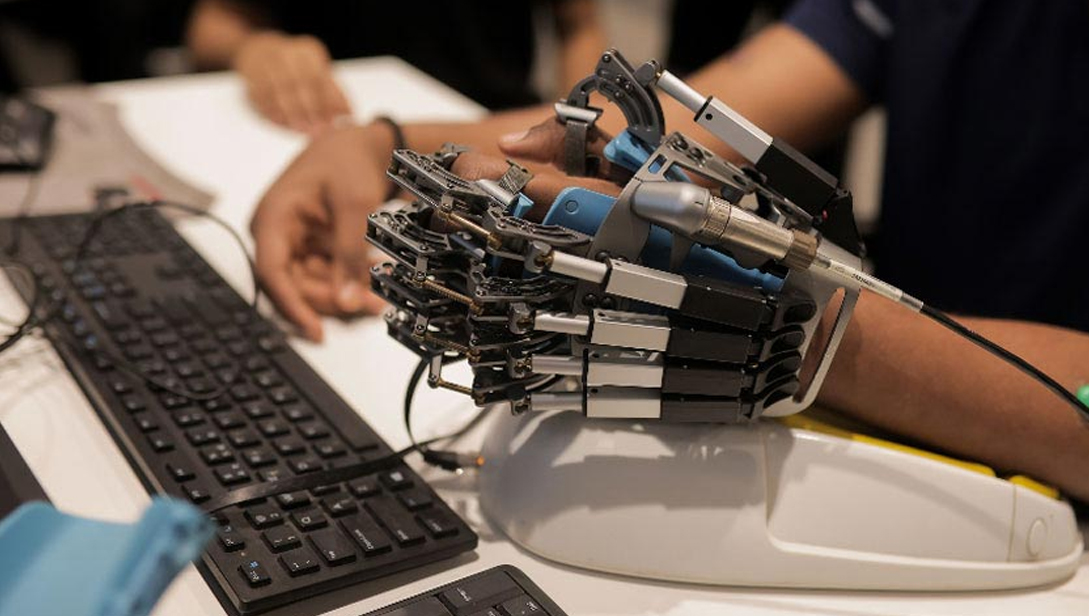
It uses sensors to detect muscle signals and assists patients in opening and closing their hands. This helps in strengthening muscles and improving coordination.
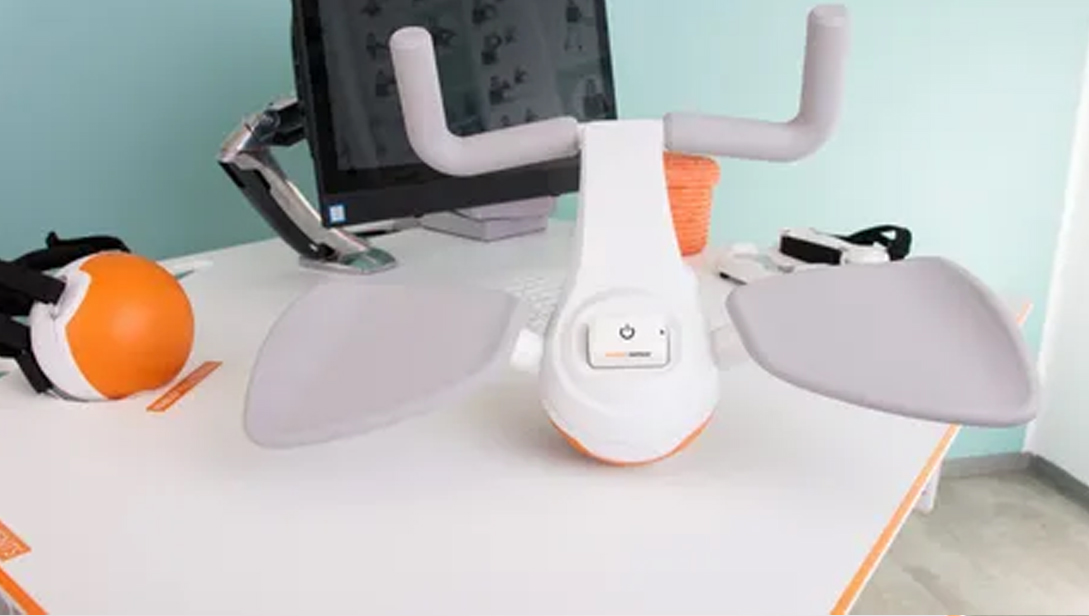
It is a comprehensive tool for rehabilitation, combining sensors and software to assess and train various motor functions.
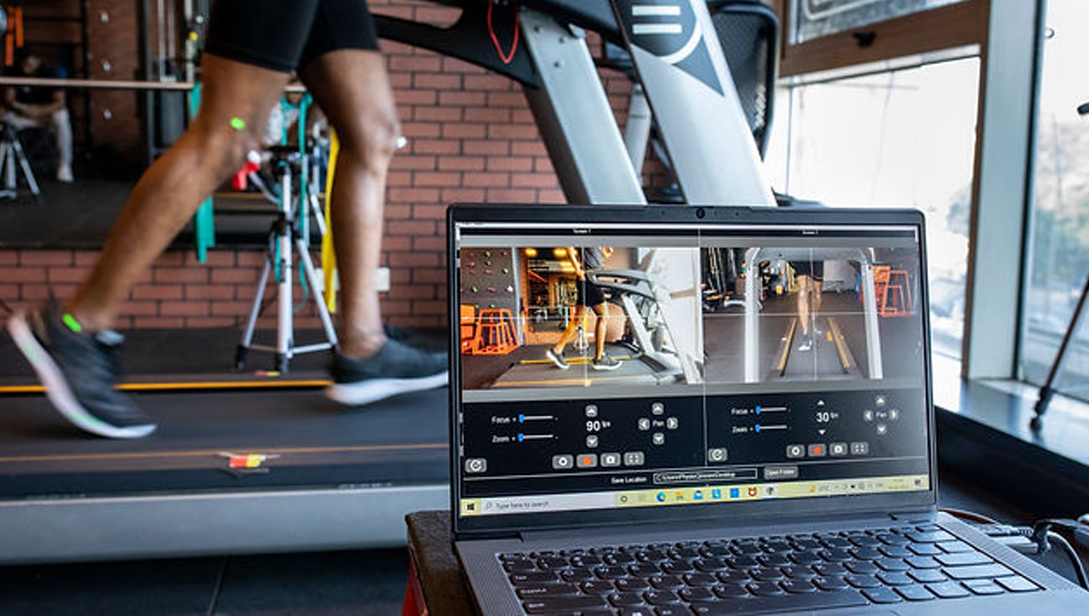
It includes advanced sensors and analysis software to assess and enhance walking patterns. By providing detailed biomechanical data, it helps in designing customized rehabilitation programs.
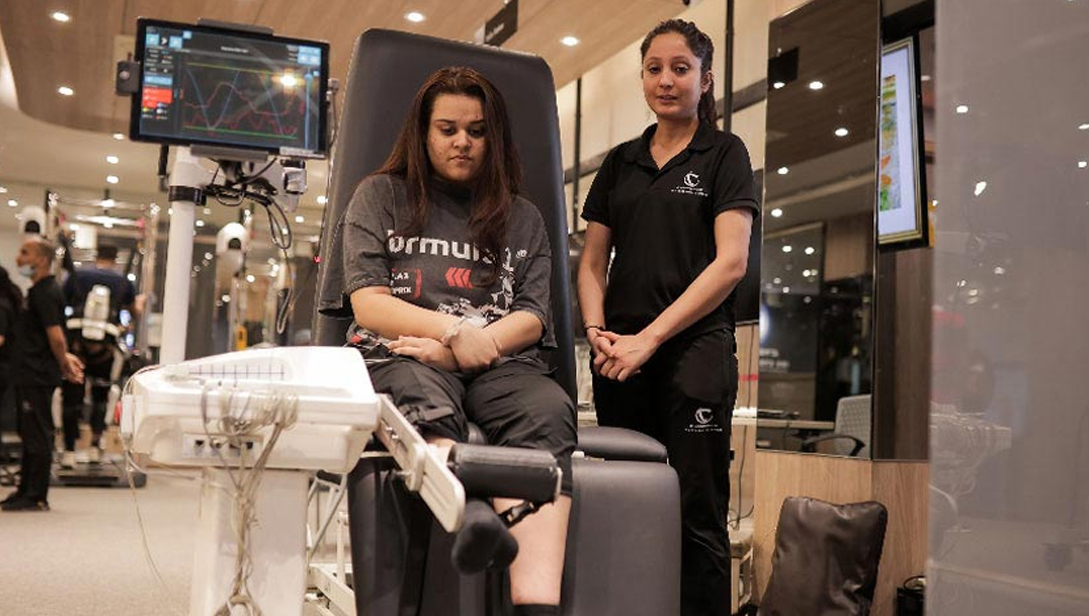
It provides detailed assessments of muscle and nerve function through electromyography (EMG).
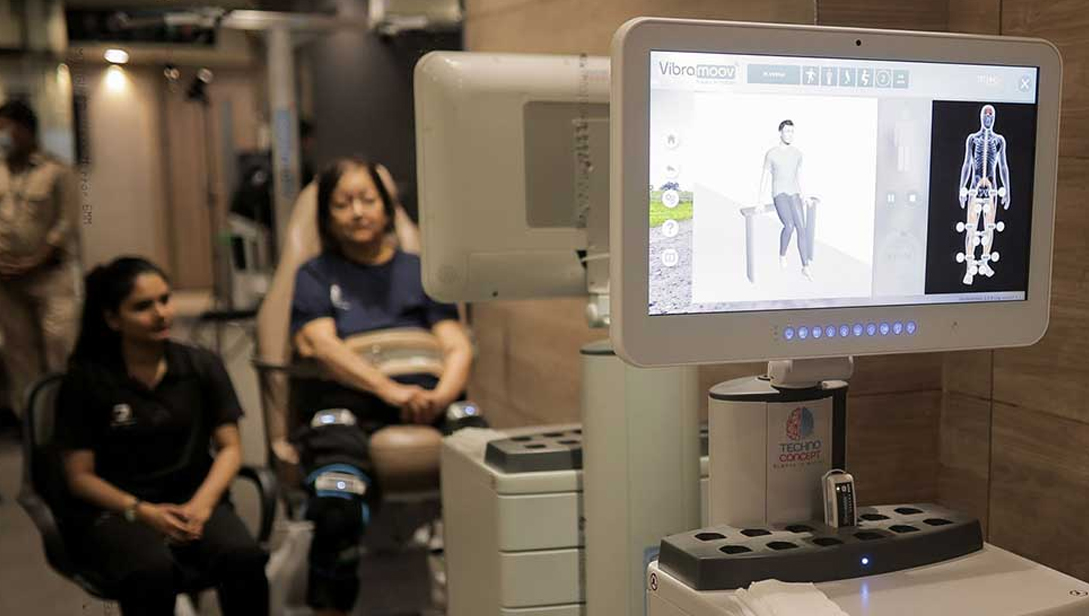
It involves functional stimulation to mimic natural movement patterns to enhance mobility and independence.
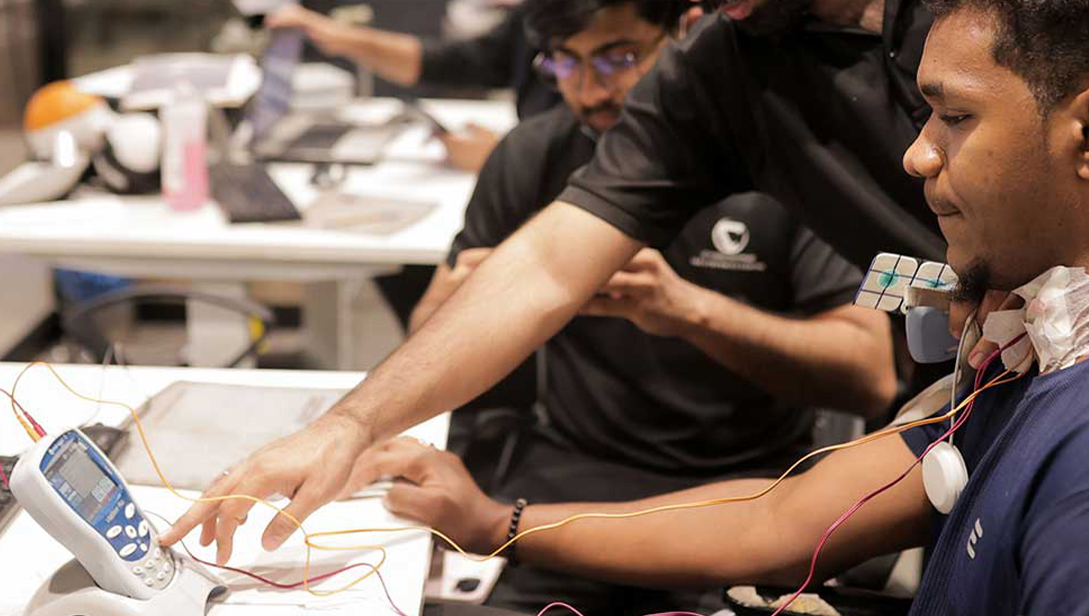
It is a specialized treatment for dysphagia, or swallowing difficulties, combining electrical stimulation with swallowing exercises.
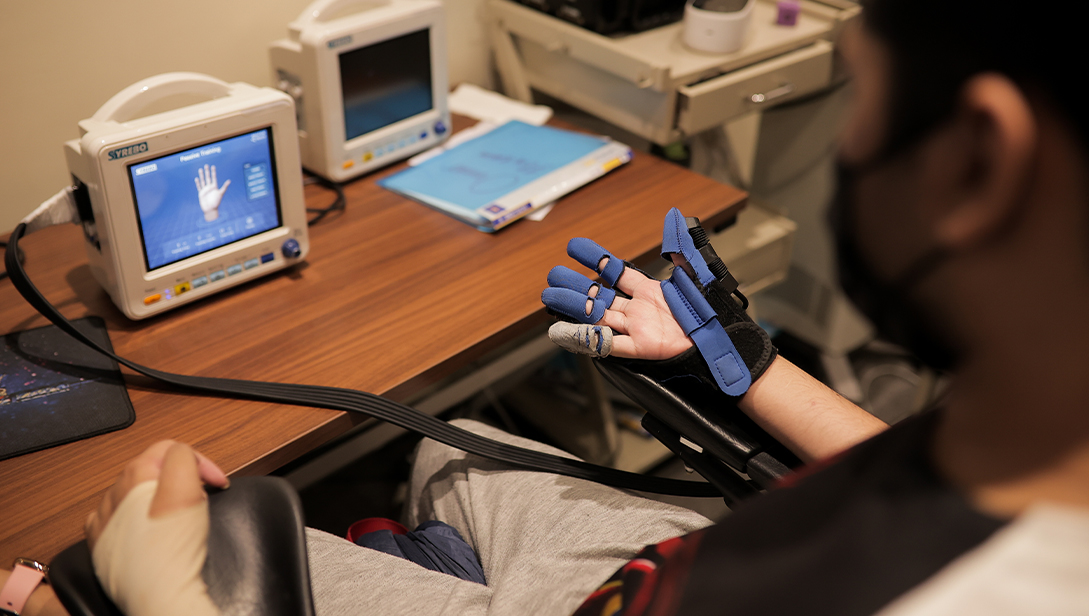
Hand function training.
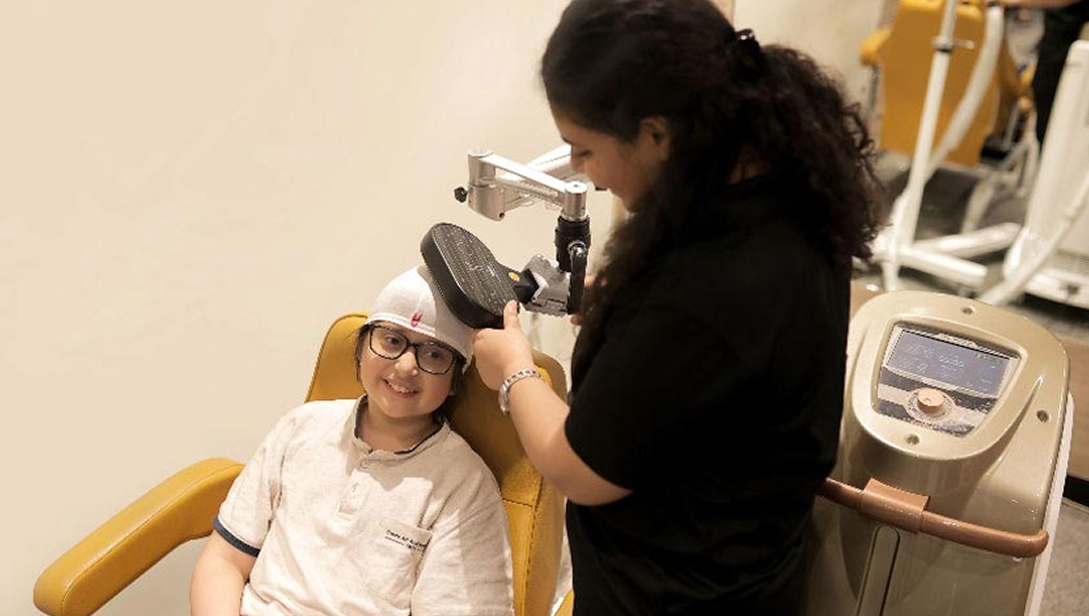
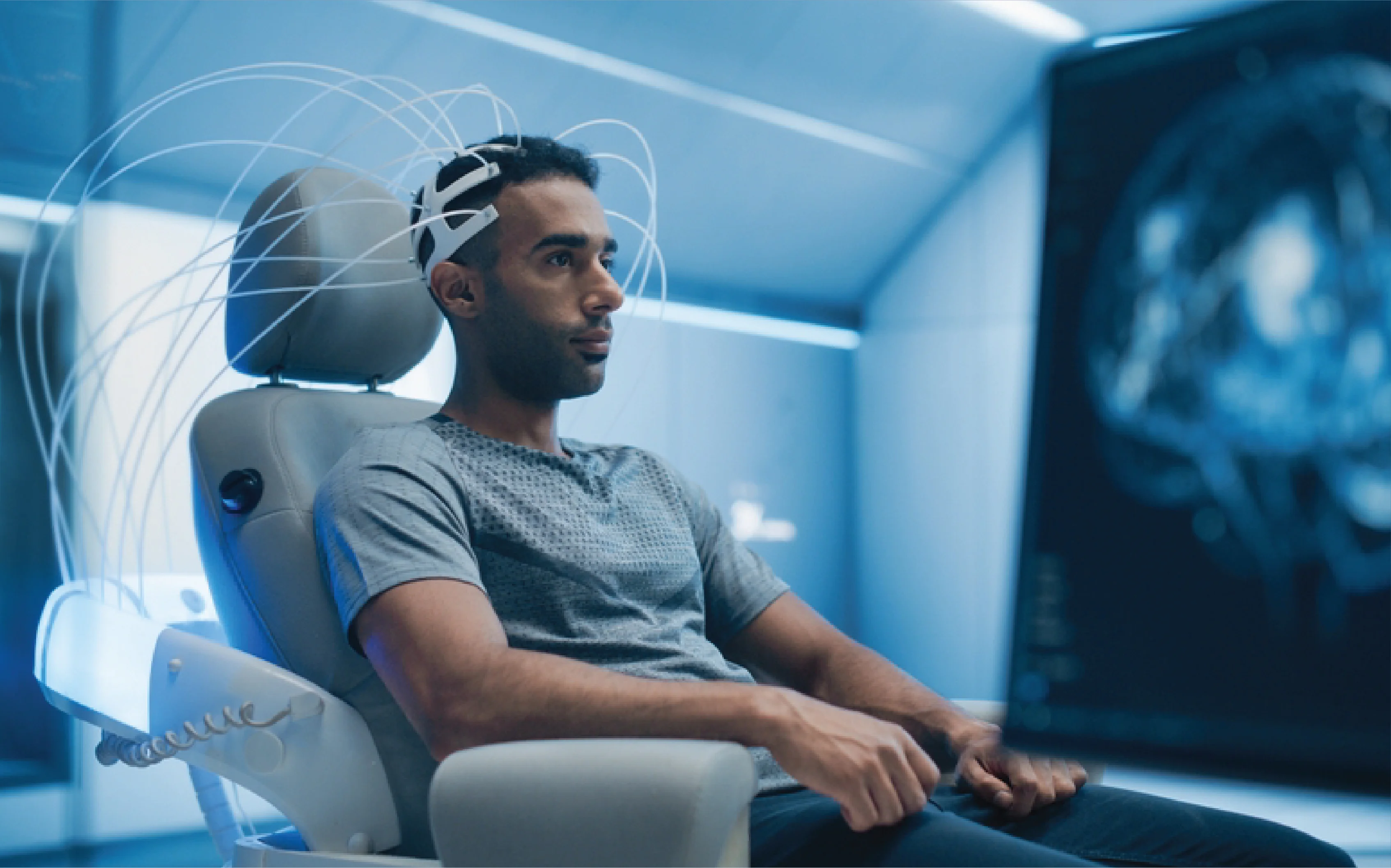
Precise brain stimulation using network mapping.
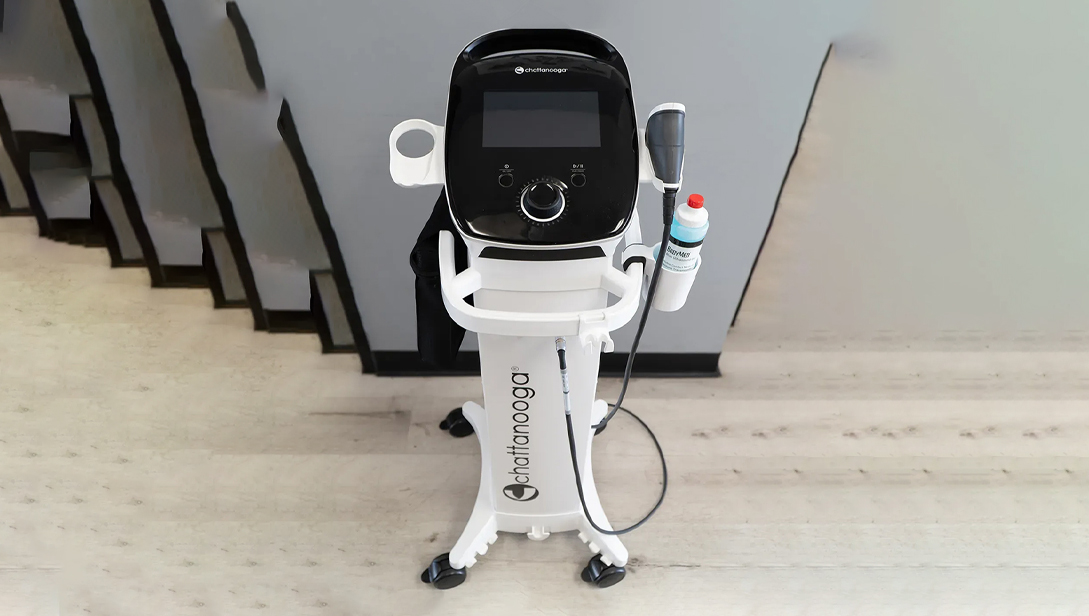
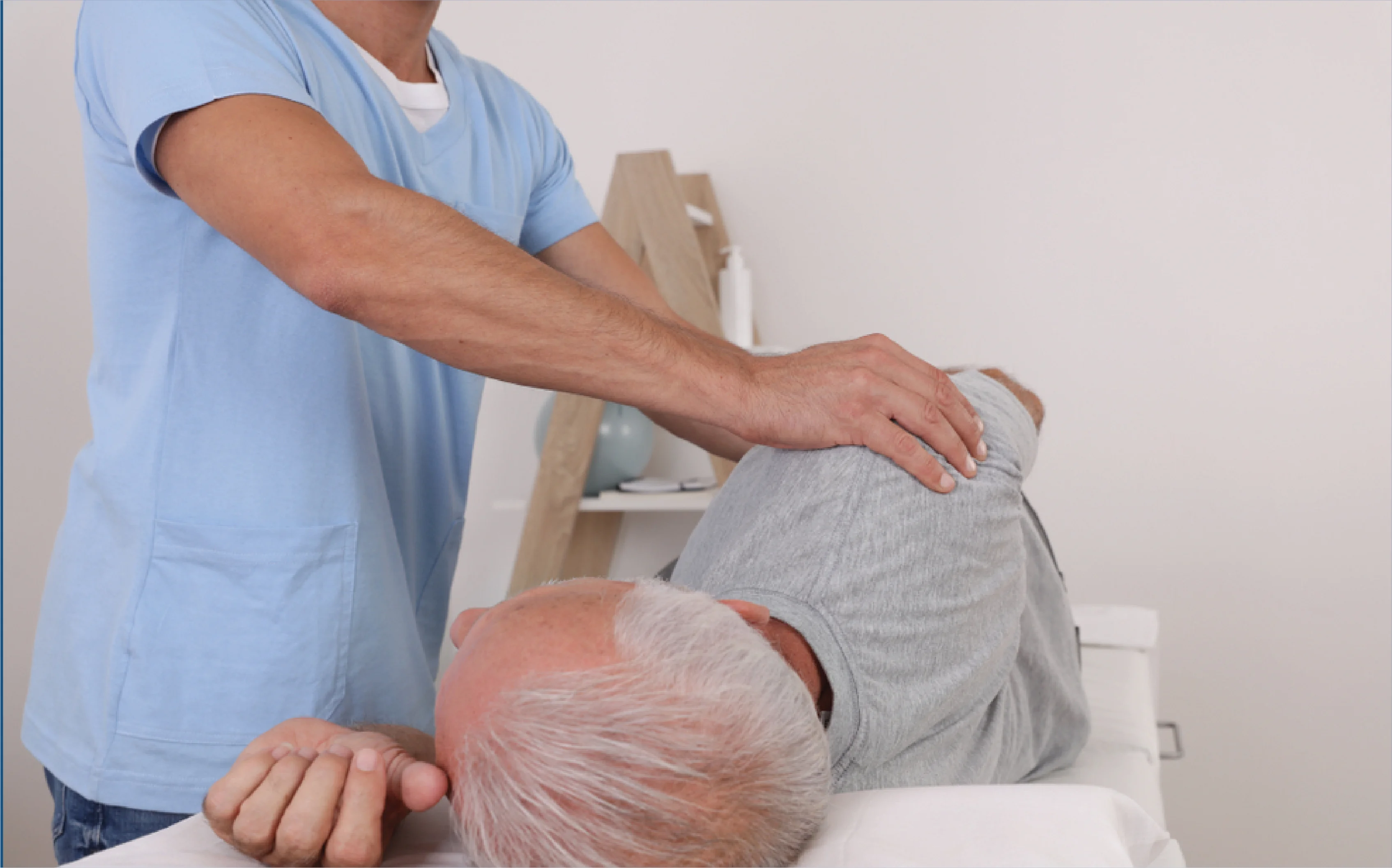
Pain relief and neuromuscular electrical stimulation.
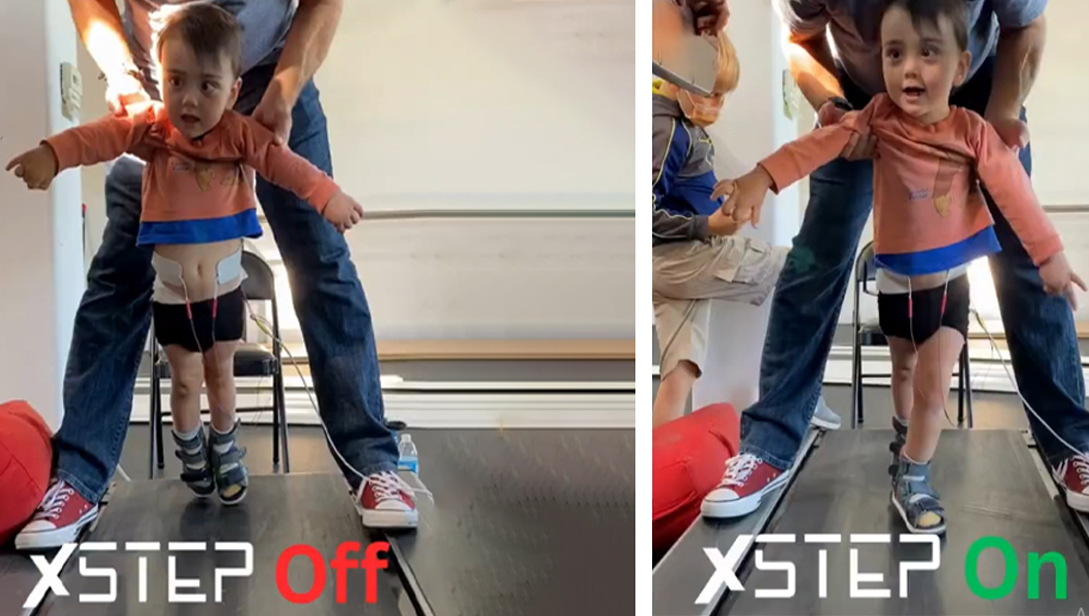
Step is a non-invasive spinal cord stimulation technology that strengthens communication between the brain and spine.
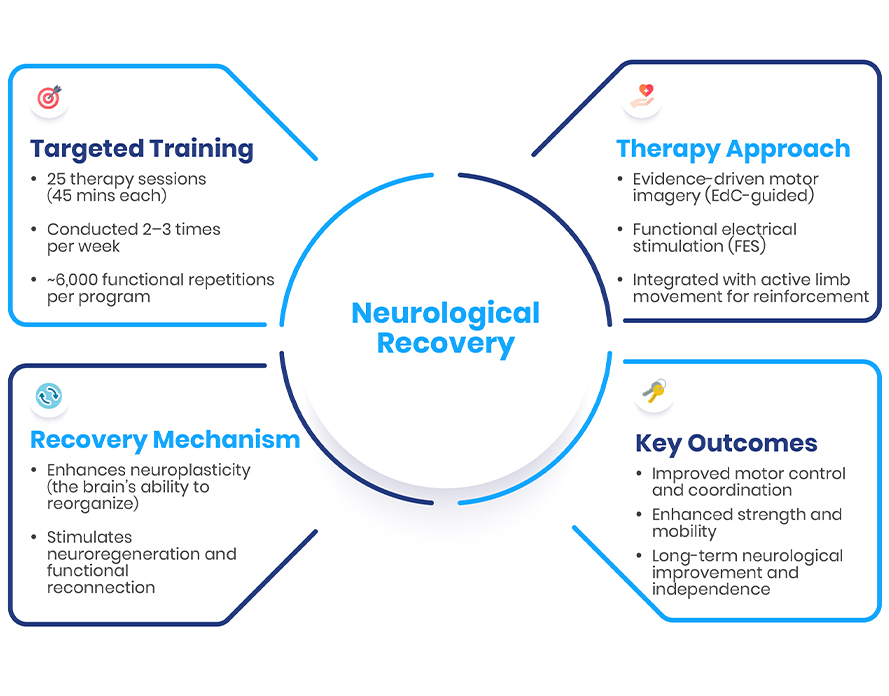
.jpg)
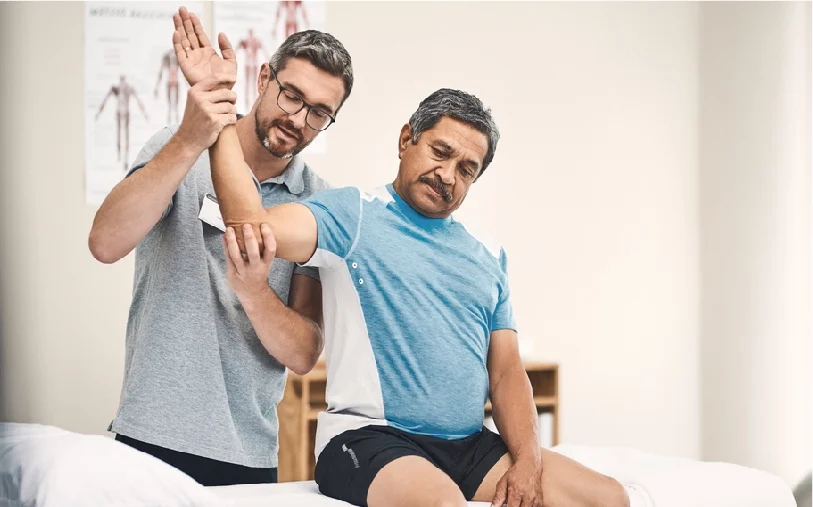
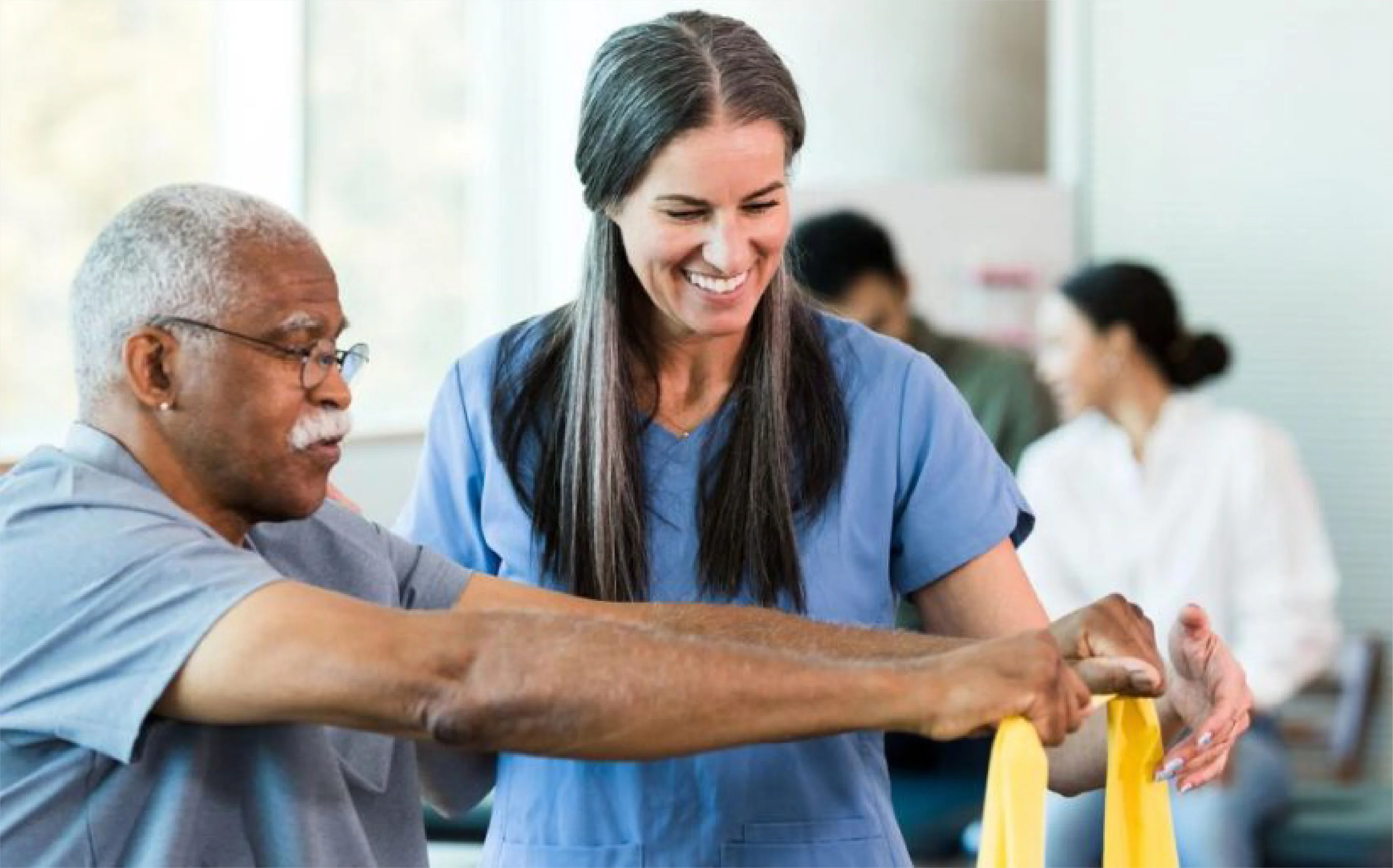
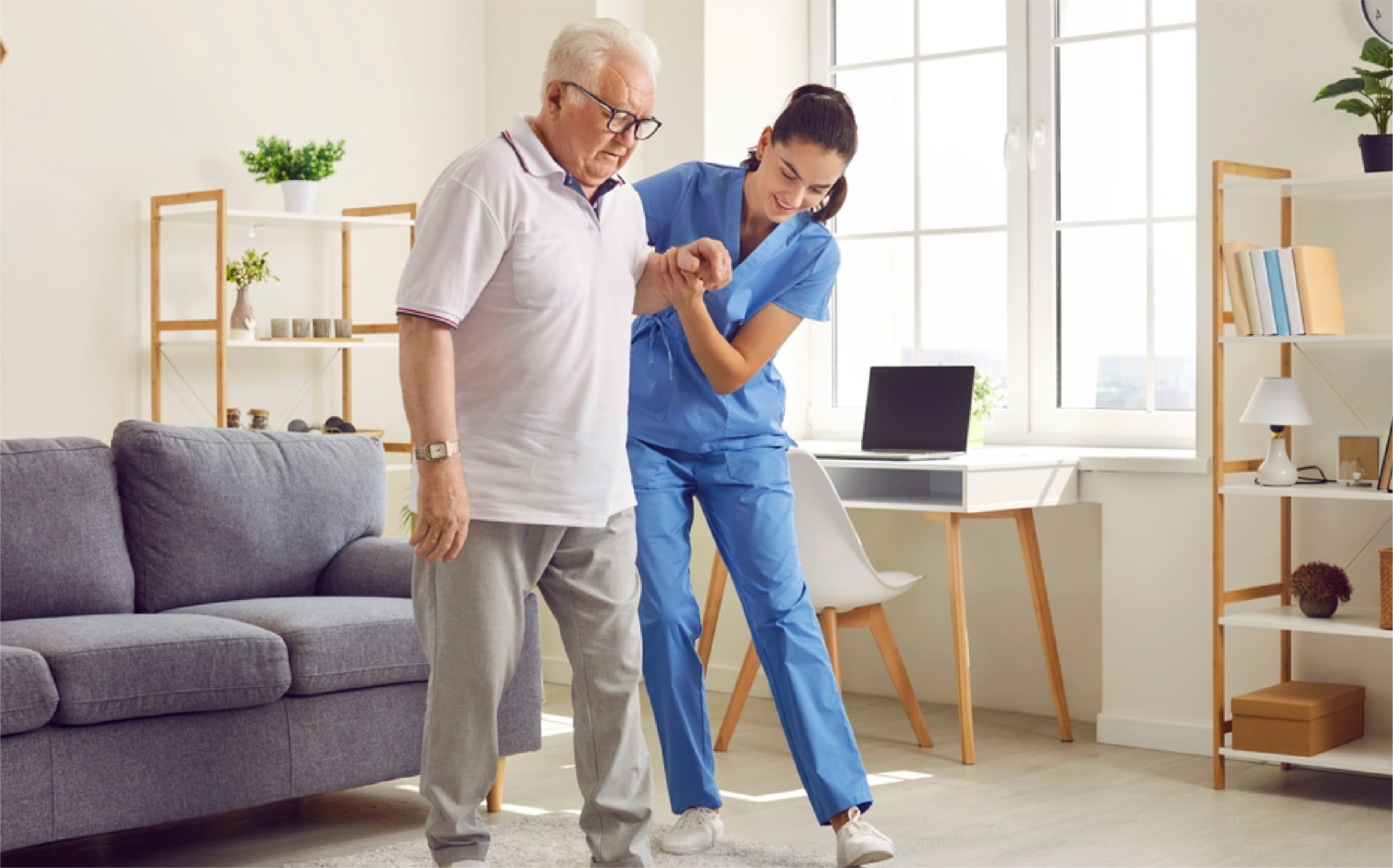
Early-stage rehabilitation aims to sustain independence and slow disease progression.
Goals include maintaining muscular strength, enhancing coordination, and treating early speech or movement issues.
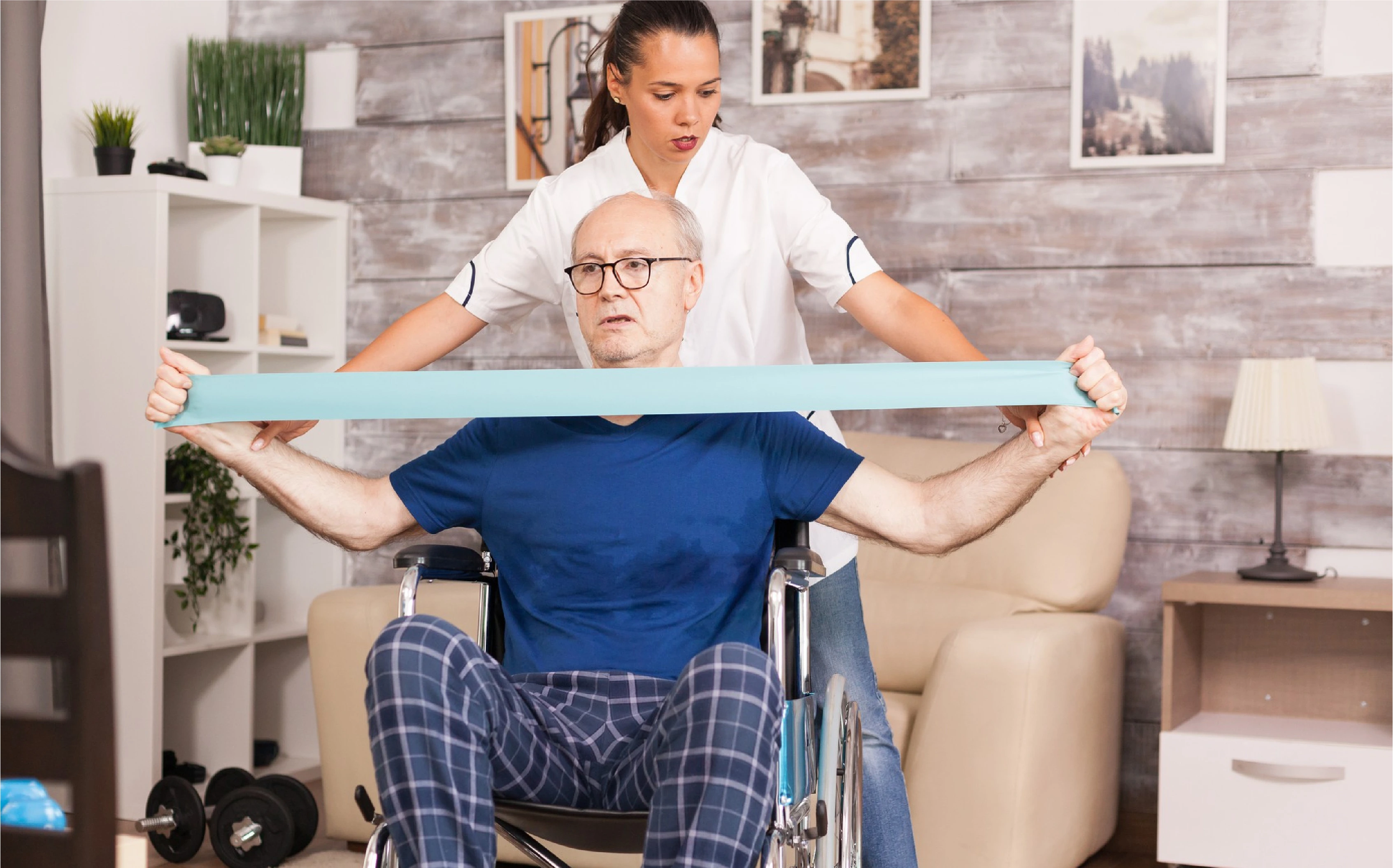
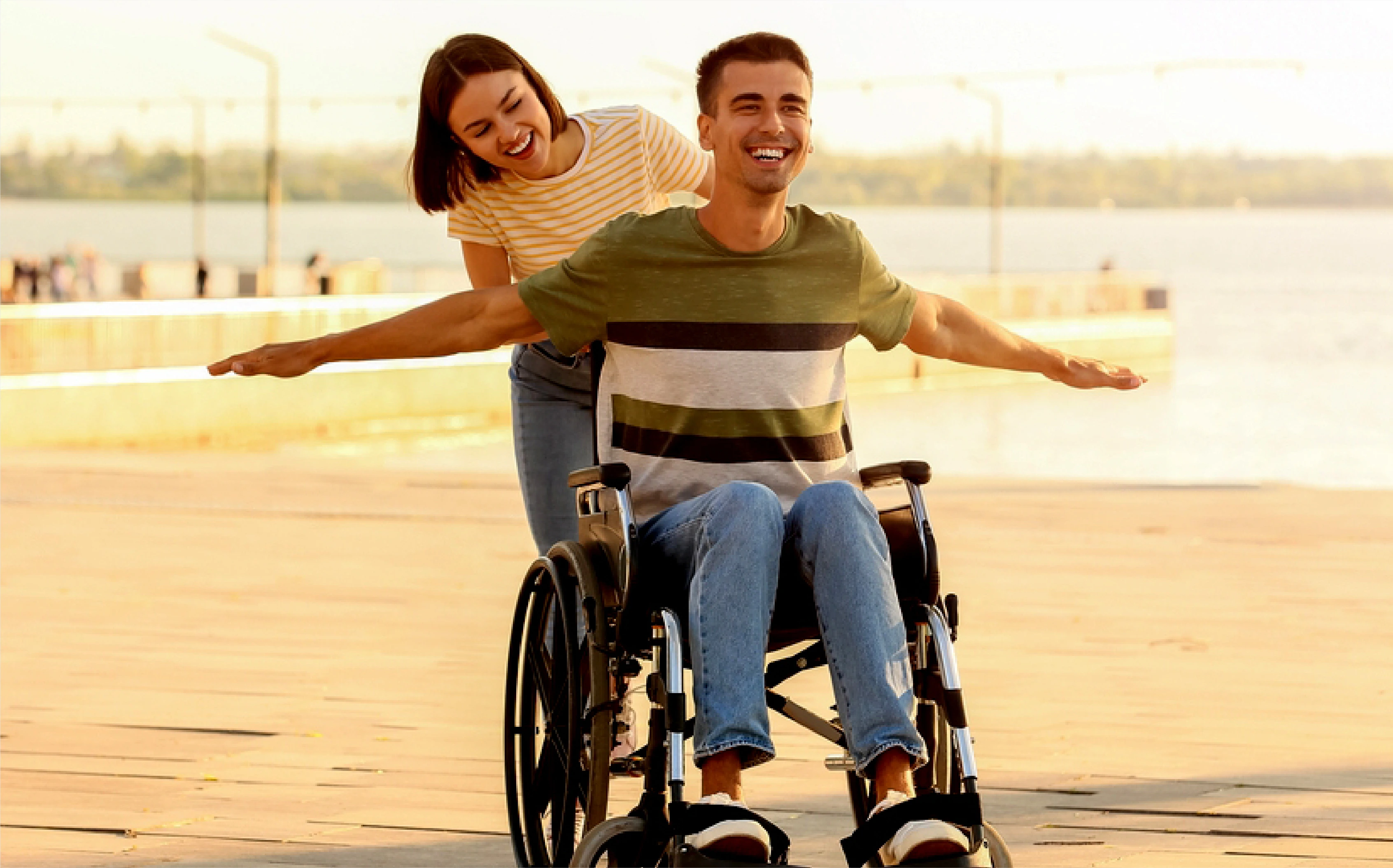
As MND progresses, treatment shifts to improving quality of life and optimizing residual function.
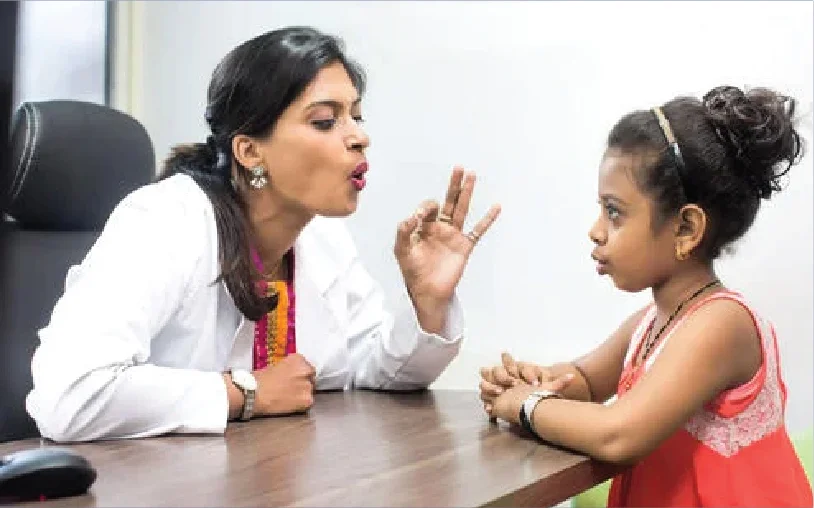
For those with speaking difficulties, the focus is on preserving mobility, easing muscular rigidity, and providing communicative support.
In later rehabilitation phases, the emphasis is on promoting independence in daily activities, limiting challenges, and providing comfort.
At this stage, muscle stiffness, breathing difficulties, and swallowing issues are managed.

 View
video testimonial
View
video testimonial
 View
video testimonial
View
video testimonial
 View
video testimonial
View
video testimonial
 View
video testimonial
View
video testimonial
 New
Delhi: +91 9035030623
New
Delhi: +91 9035030623
 Hyderabad: +91 9035030623
 Bengaluru: +91 9035030623
 Malaysia: +606 235 4000
 Muscat:
+968 22 496007
Muscat:
+968 22 496007




.webp)