

Have questions or interested in our premium window solutions? Reach out to us—we're here to help!
-desk.png)

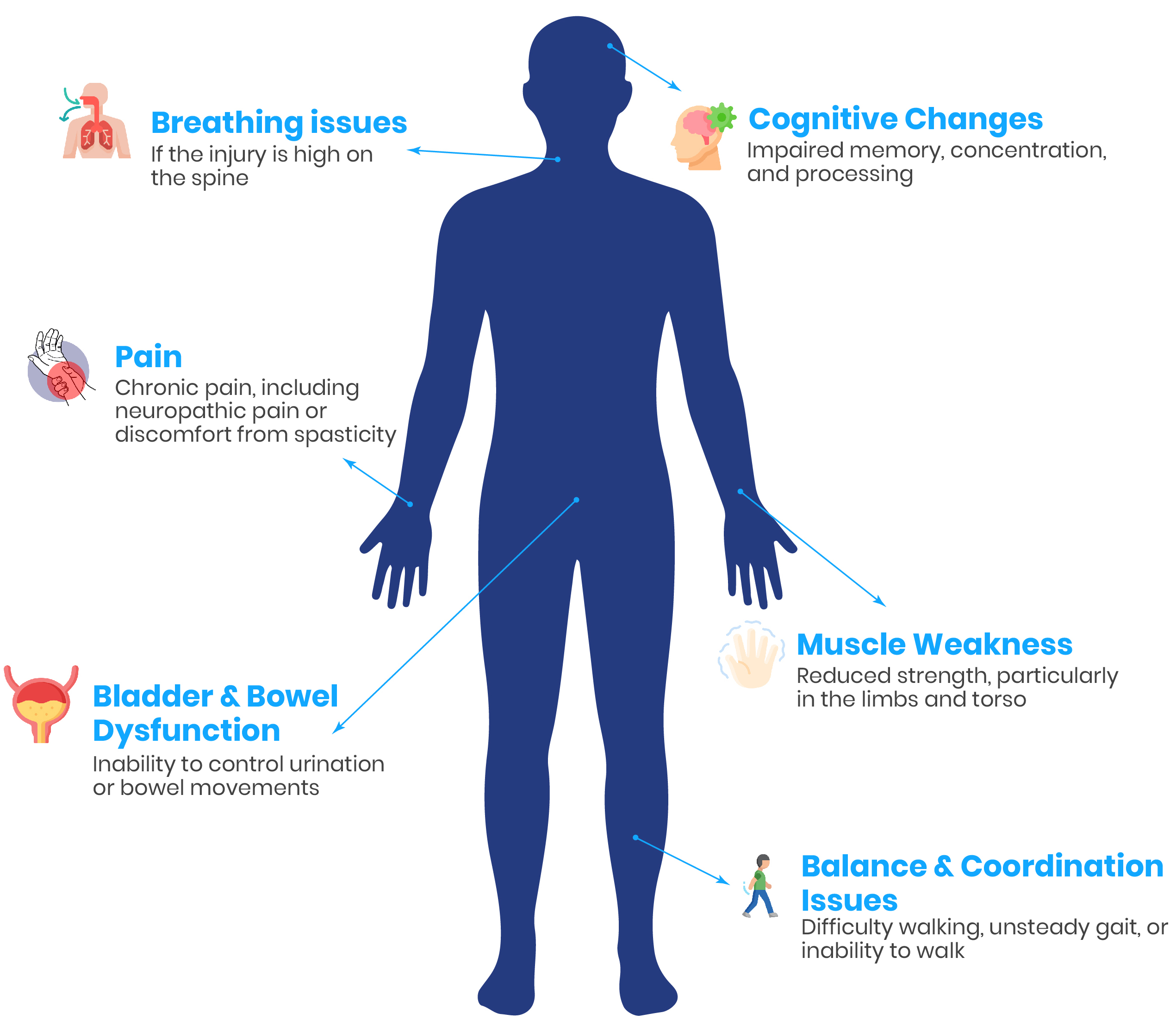
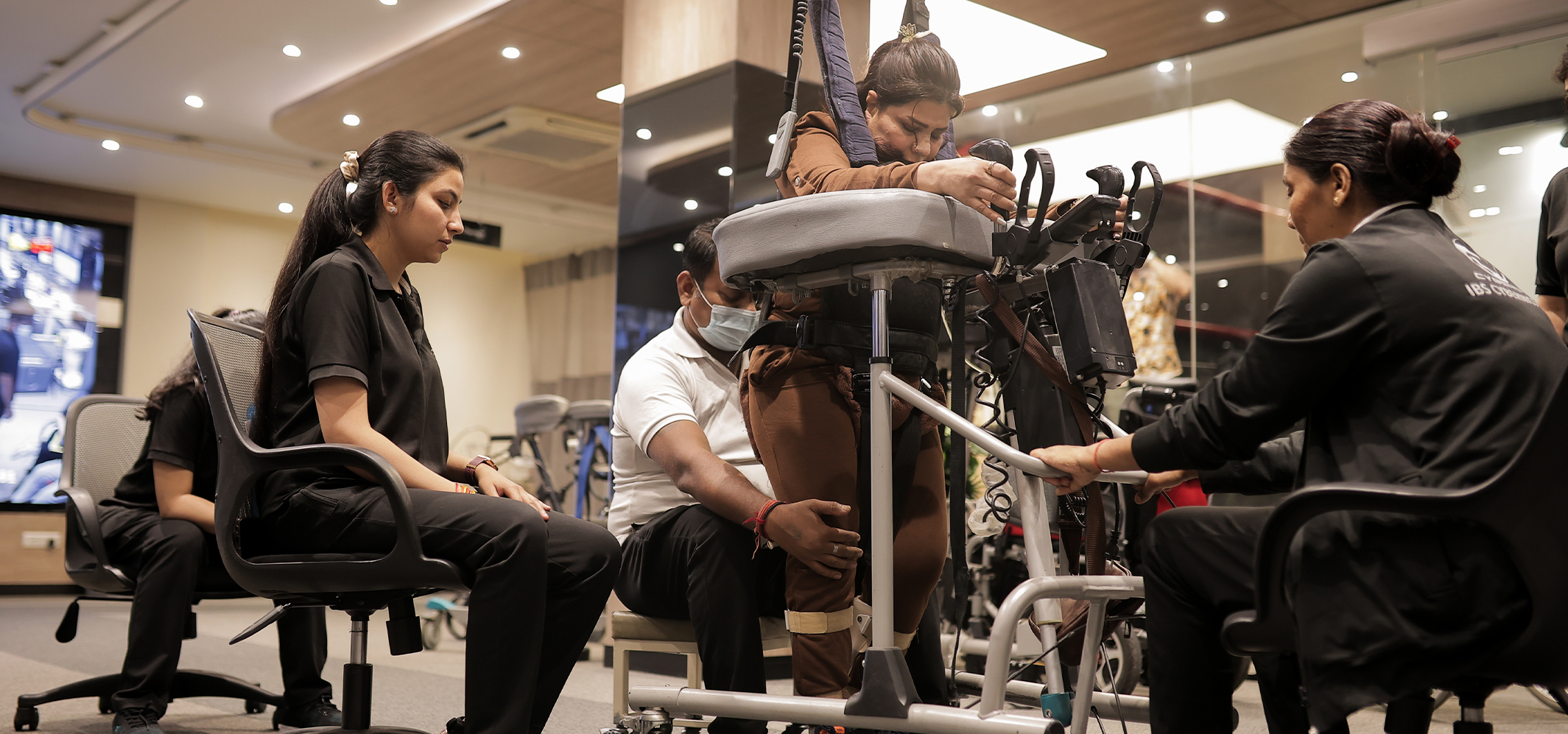
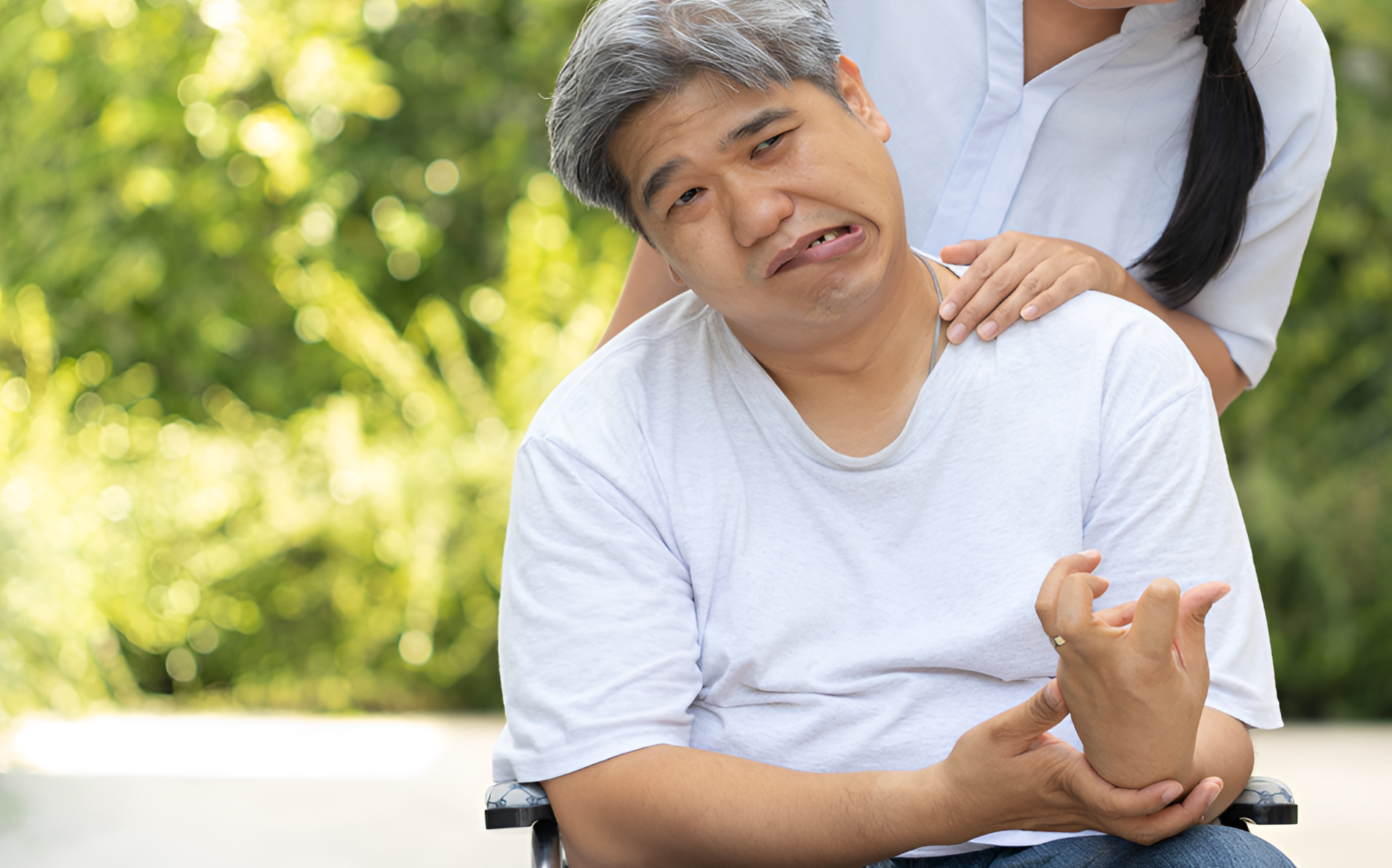
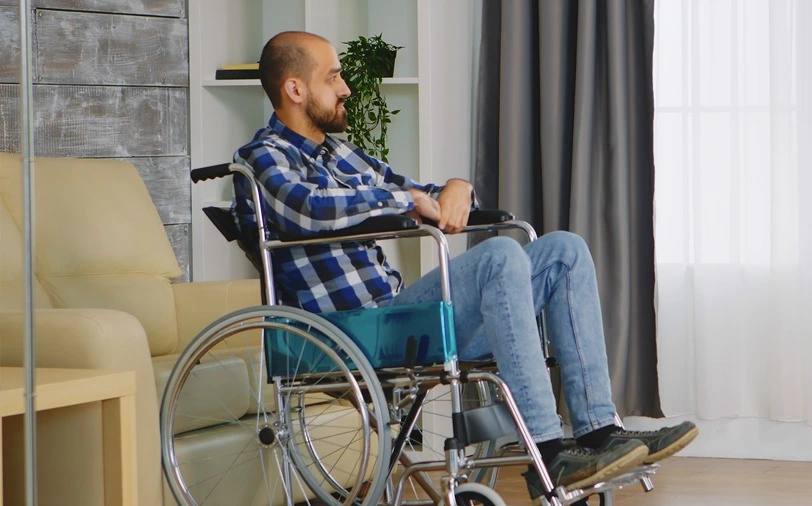
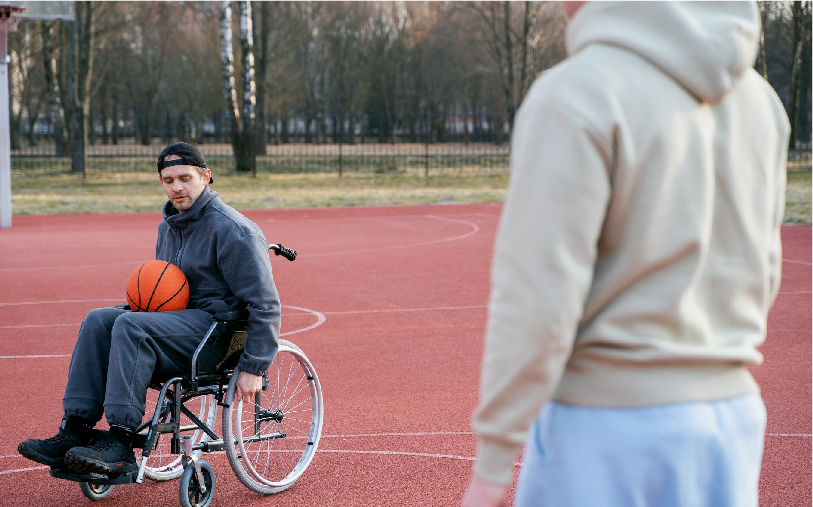
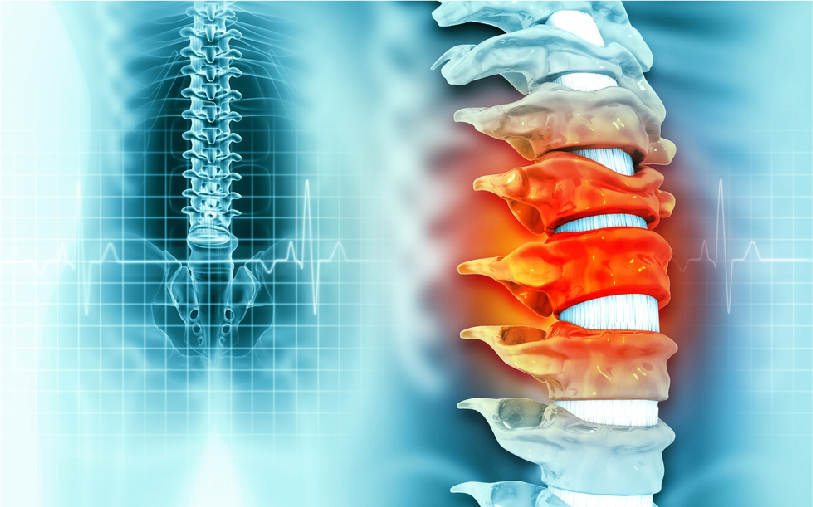
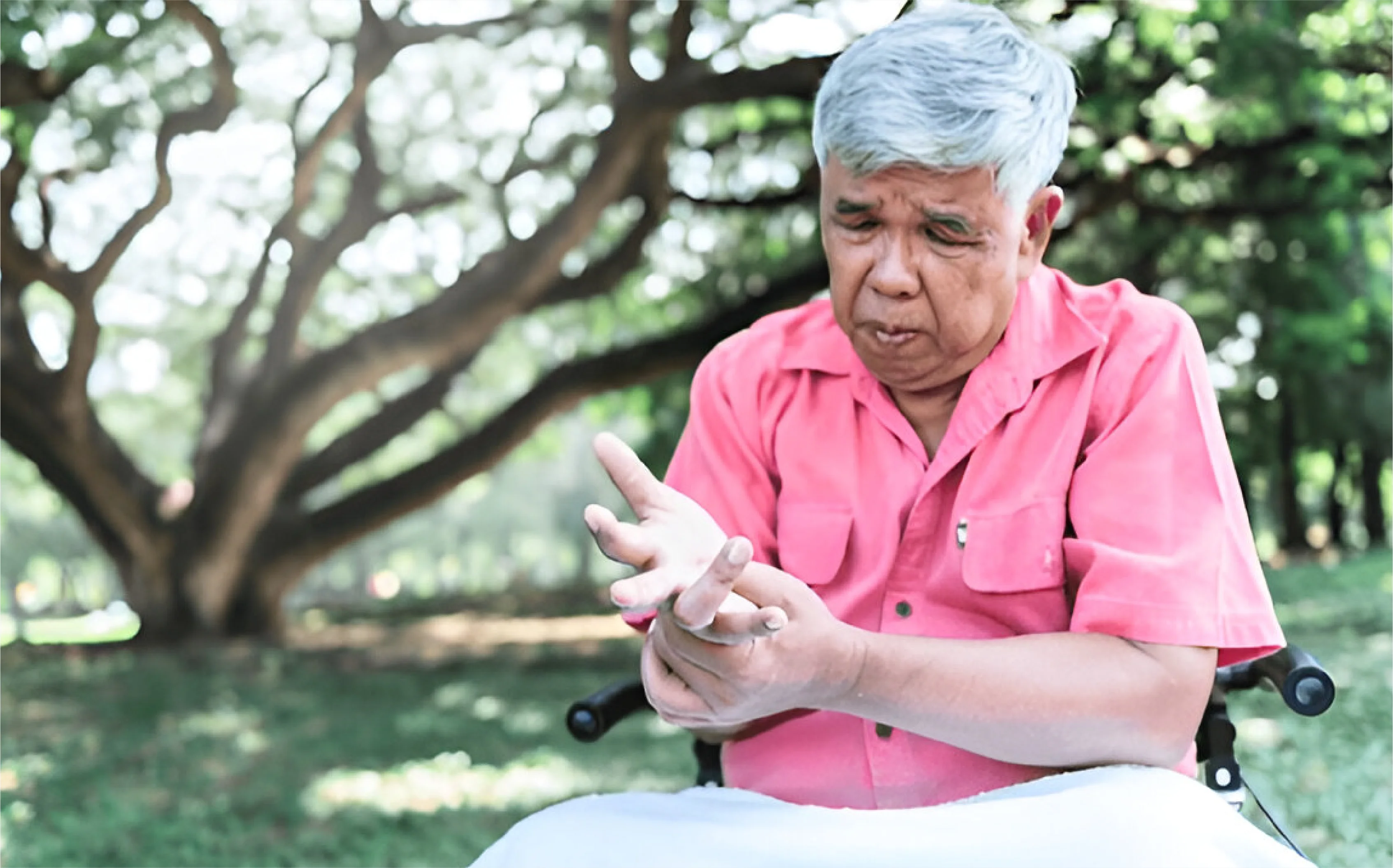
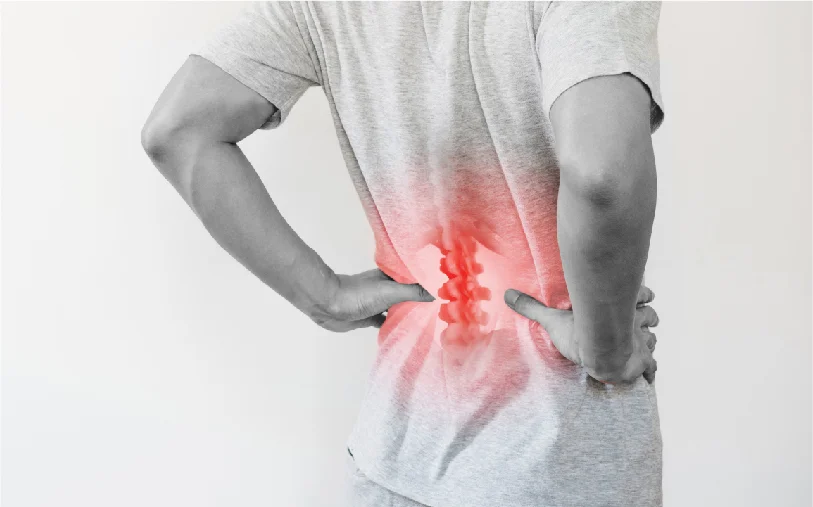
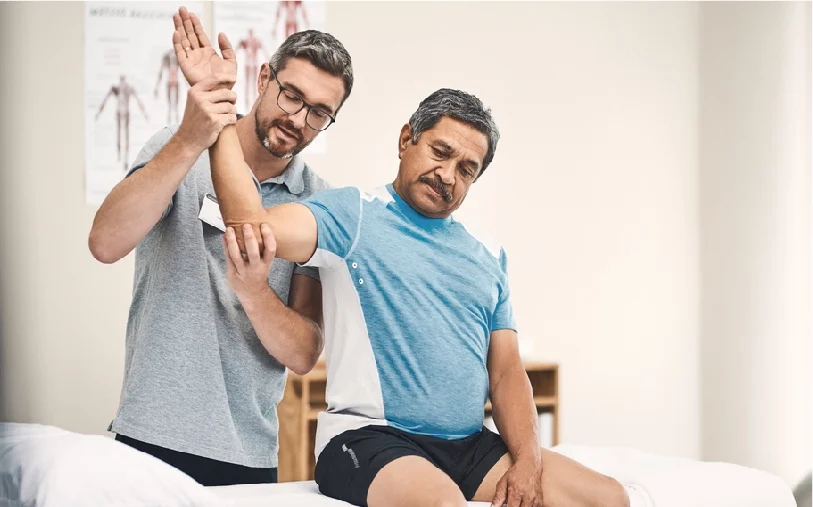
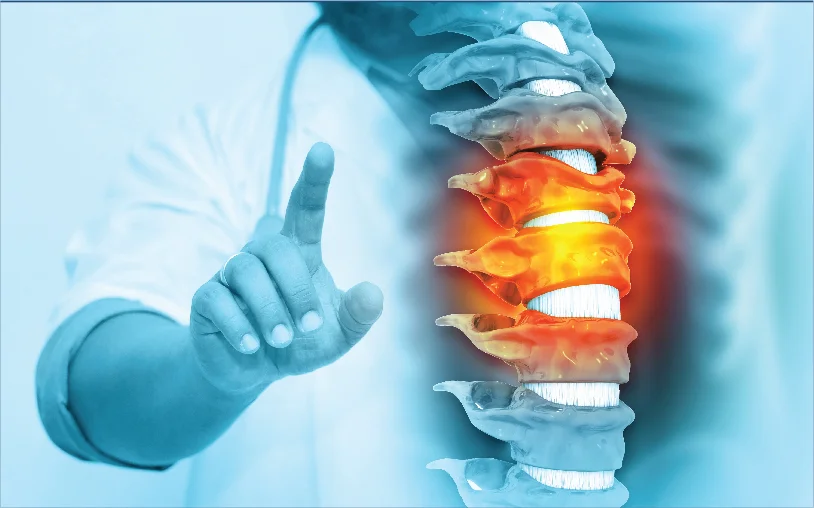
A spinal cord injury often results in permanent impairments in sensation, strength, and other bodily functions below the injury site. Traumatic spinal cord injury (tSCI) is a devastating event that can even lead to death or lifelong disability. Following a spinal cord injury, people may also experience social, emotional, and mental side effects. However, due to advancement in treatment and rehabilitation modalities, many SCI patients are able to recover well and lead productive lives.
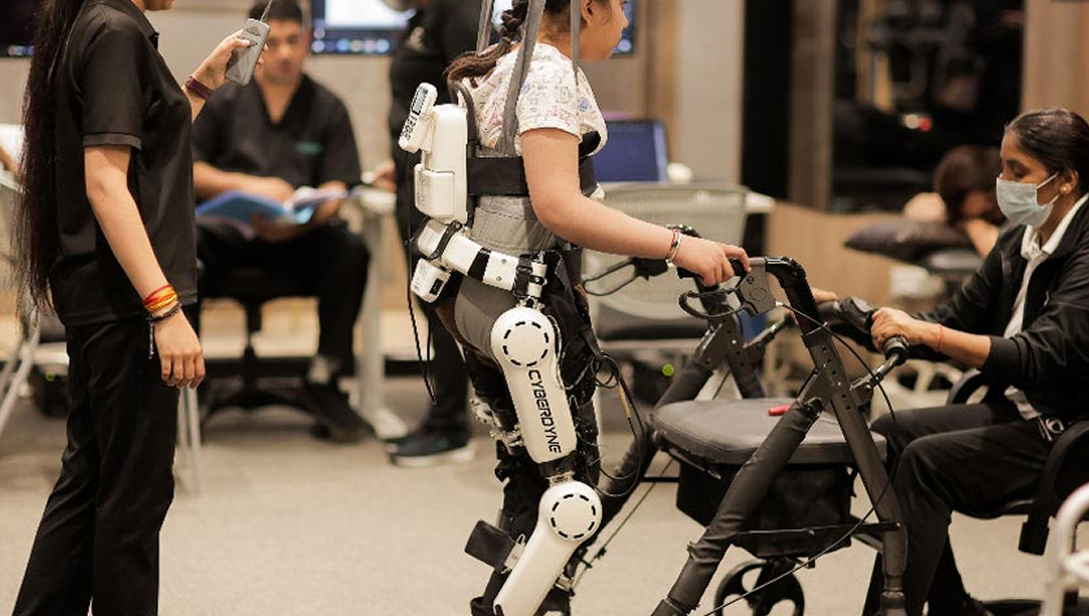
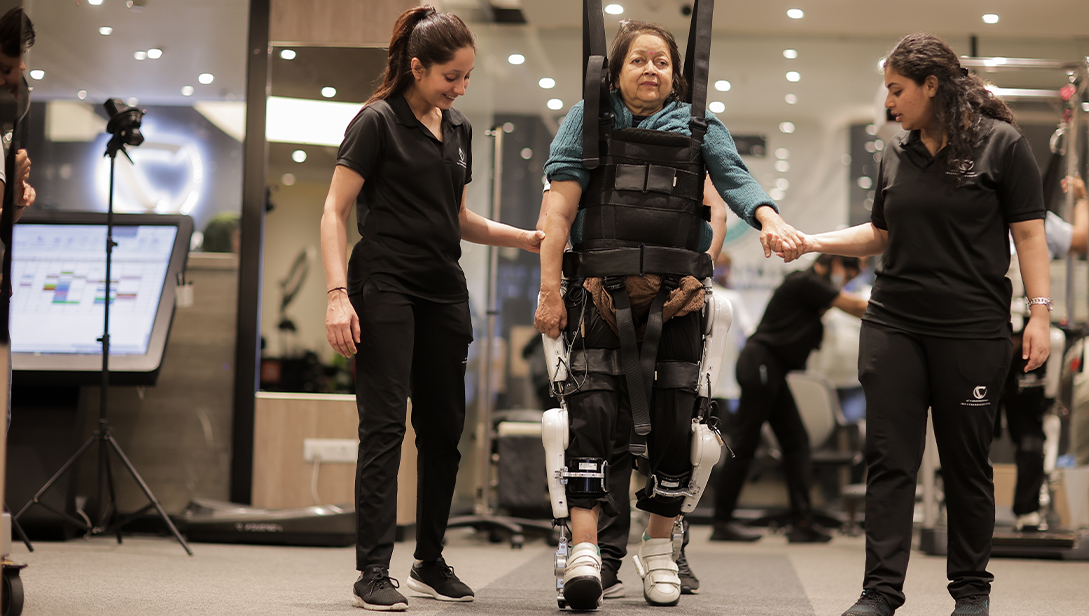
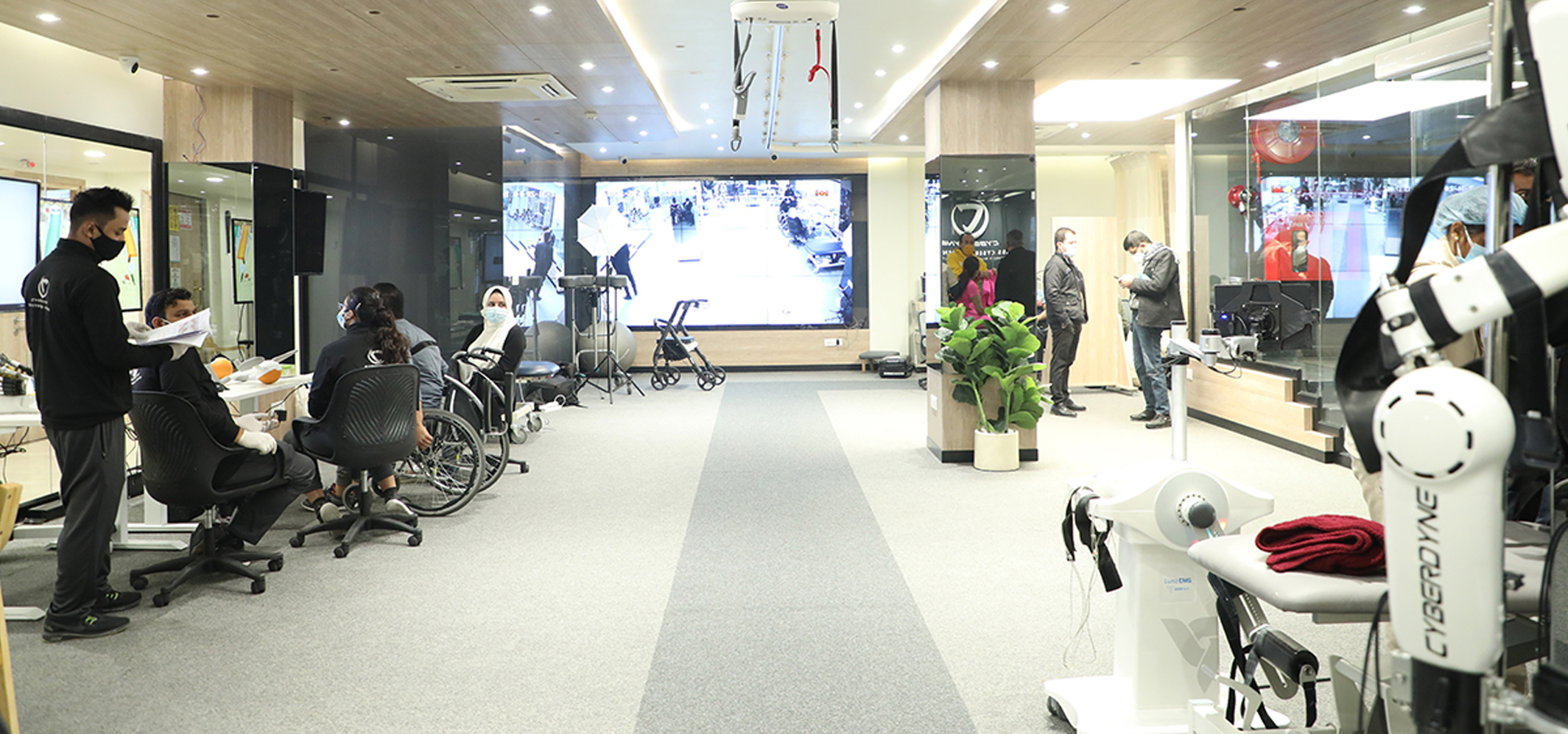
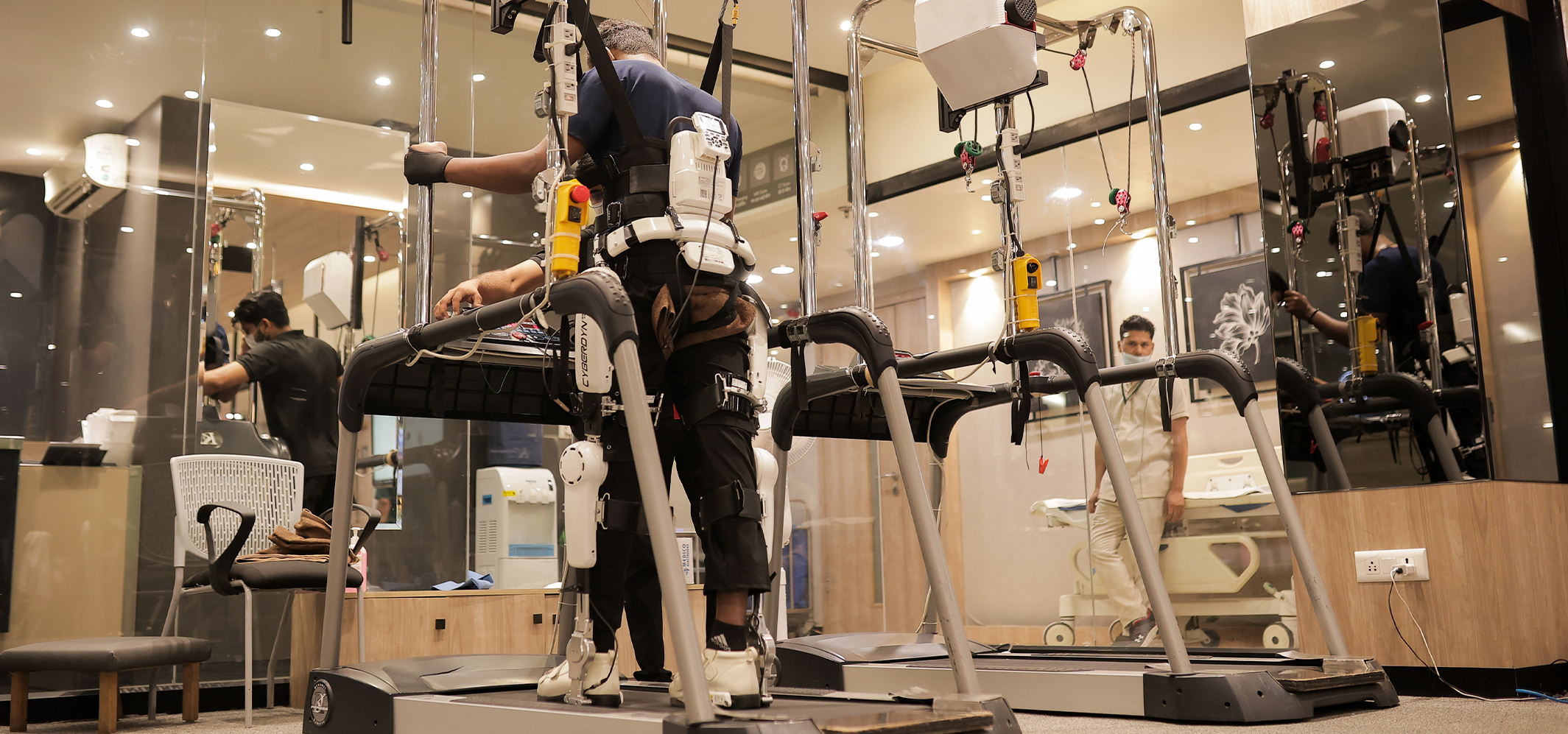
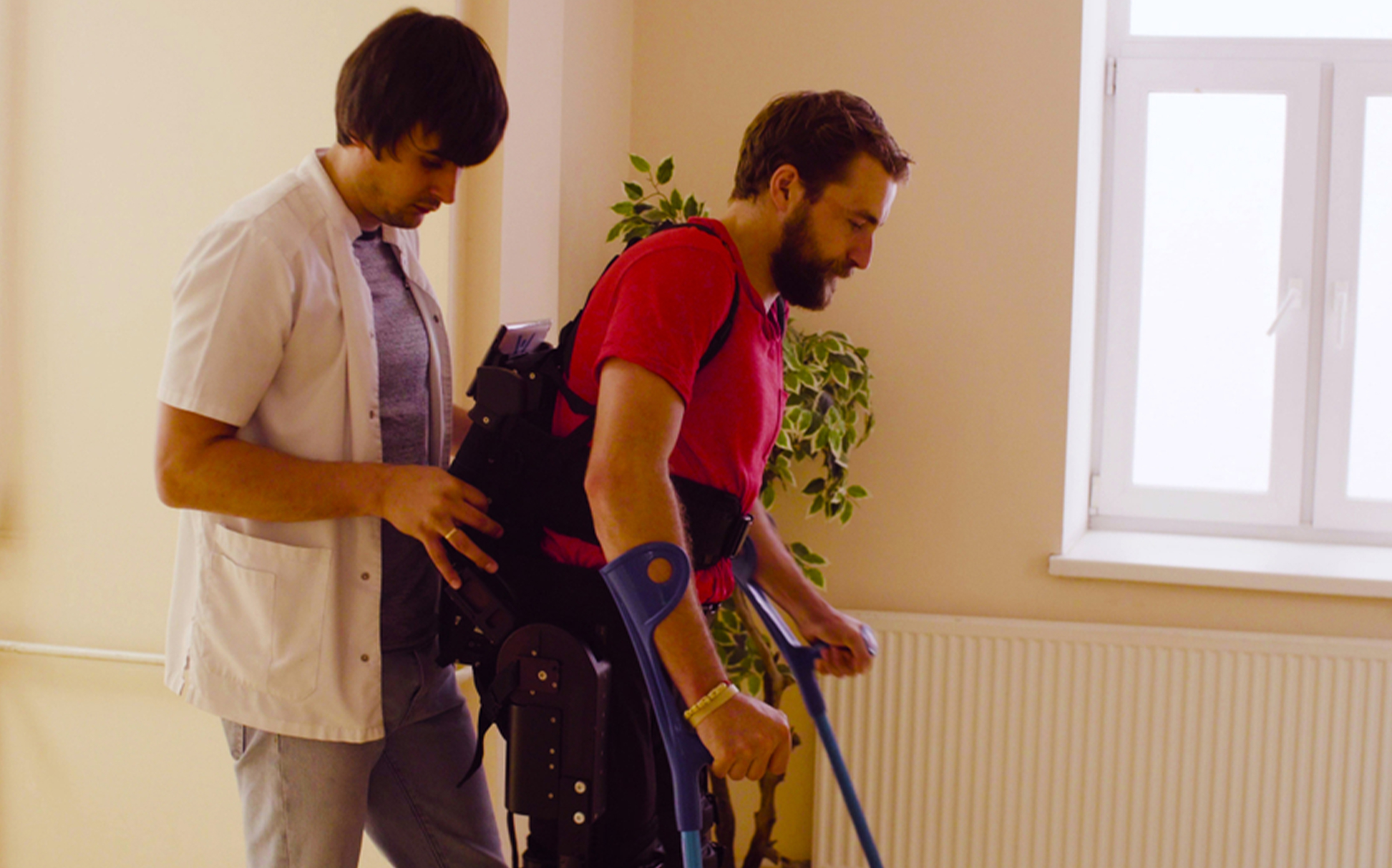
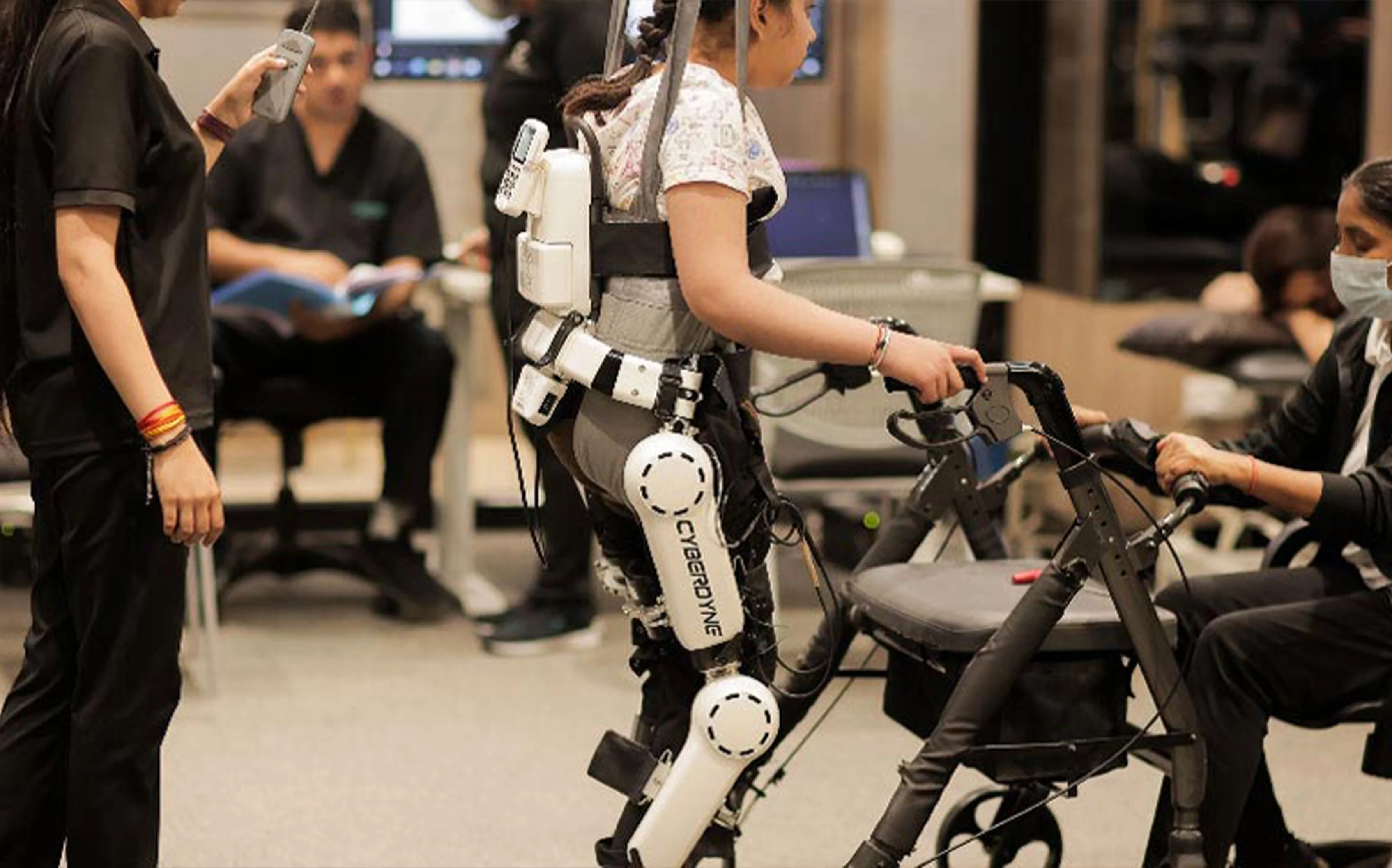
It supports and enhances human mobility and strength. It uses special technology to pick up muscle signals from the wearer and boost their strength and movement.
Trunk control and sitting balance training.
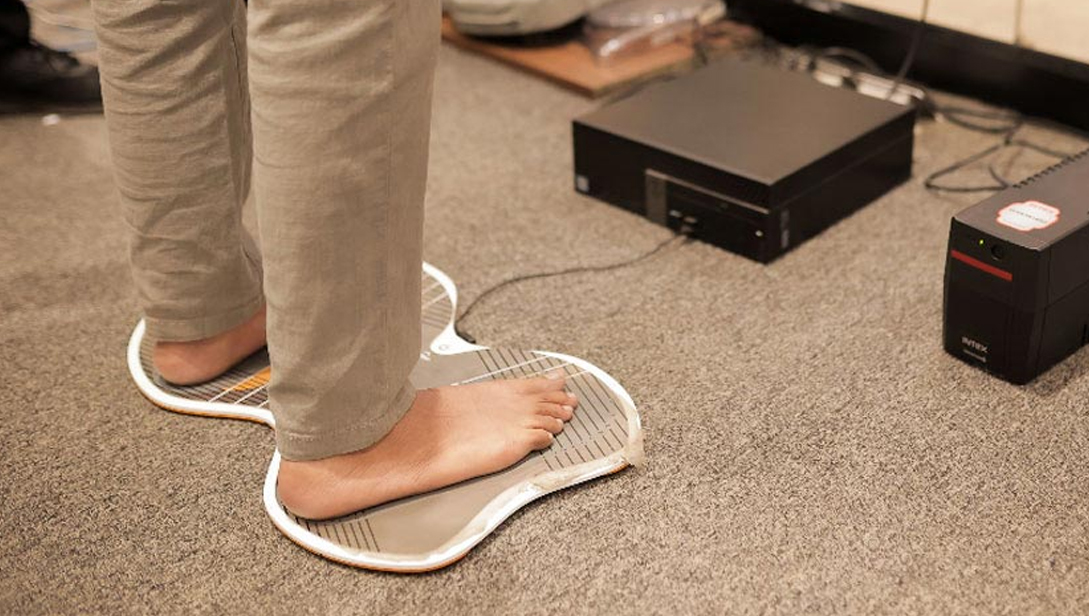
It is a versatile rehabilitation platform that focuses on balance and coordination training. Its interactive system provides real-time feedback, allowing therapists to design customised exercises.
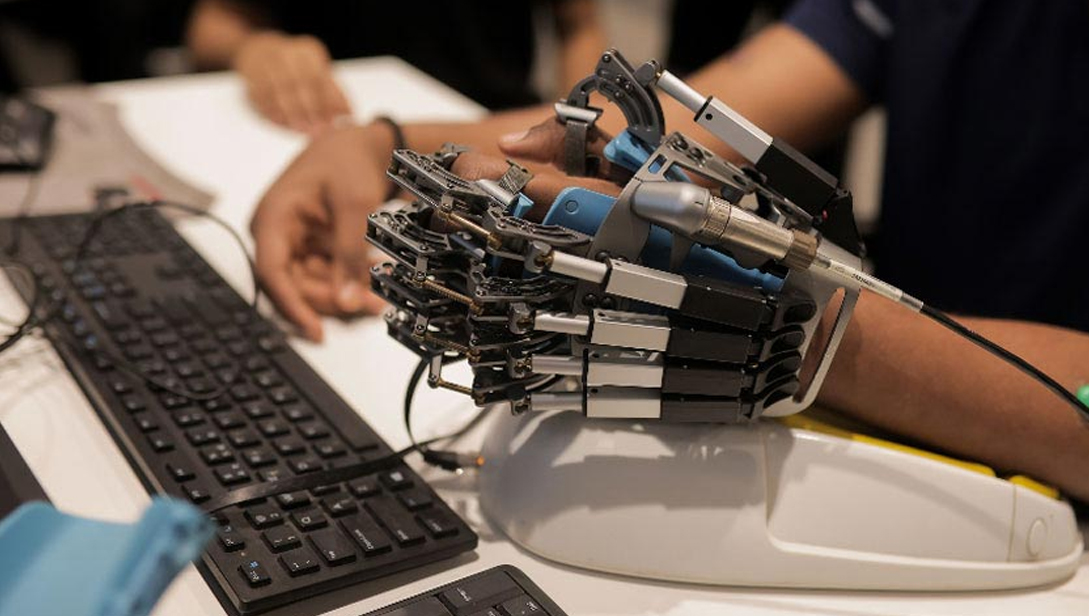
It uses sensors to detect muscle signals and assists patients in opening and closing their hands. This helps in strengthening muscles and improving coordination.
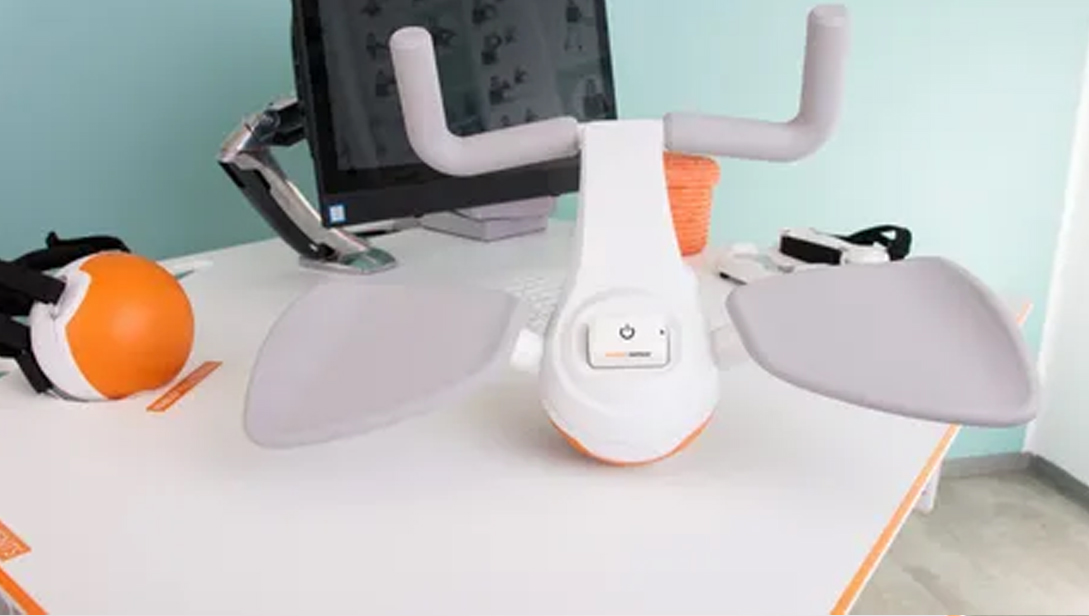
It is a comprehensive tool for rehabilitation, combining sensors and software to assess and train various motor functions.
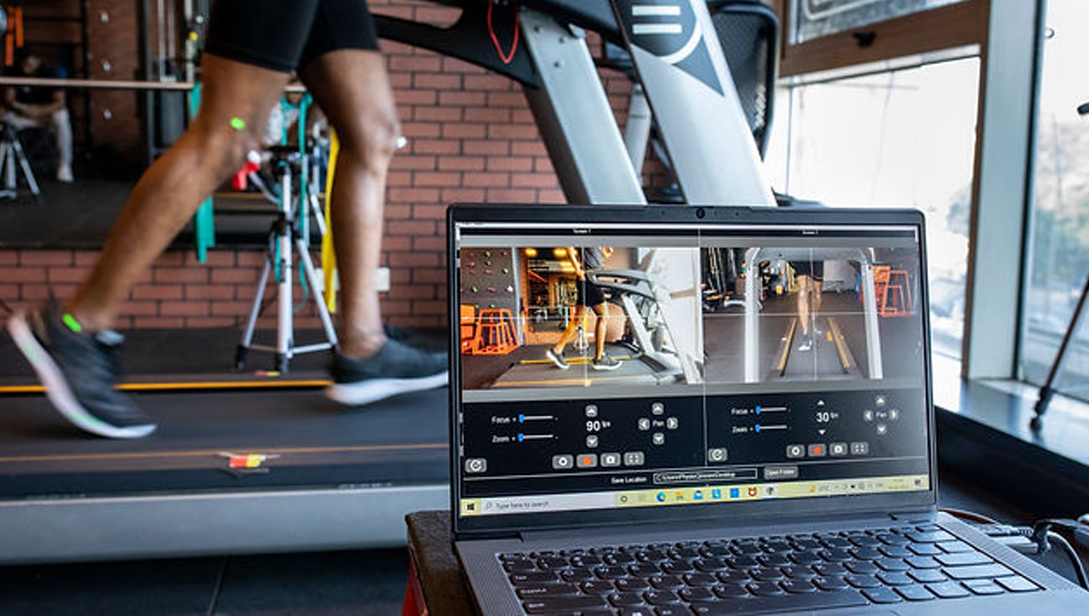
It includes advanced sensors and analysis software to assess and enhance walking patterns. By providing detailed biomechanical data, it helps in designing customized rehabilitation programs.
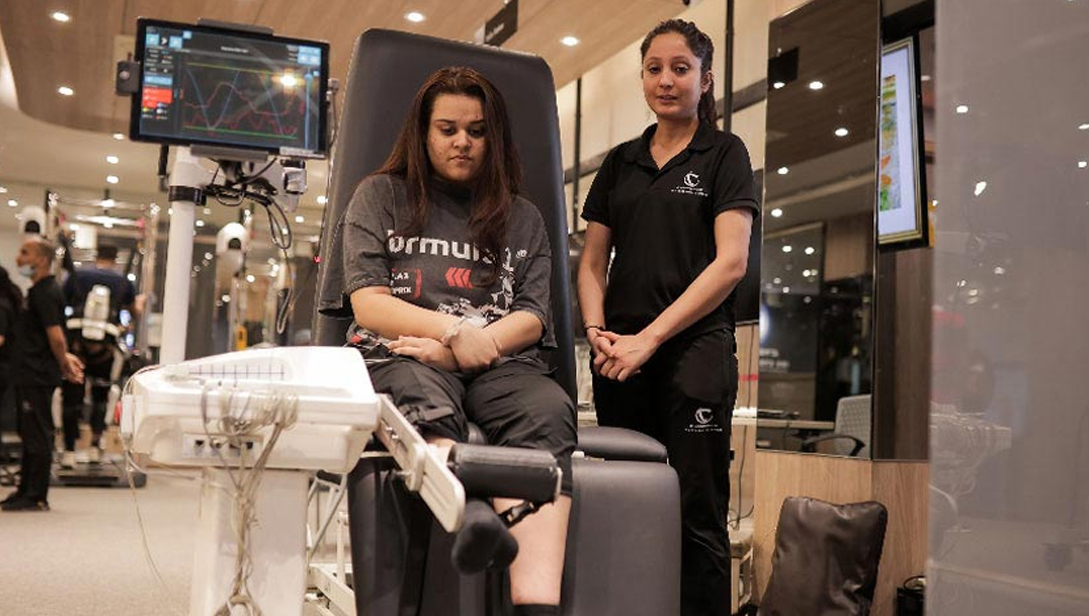
It provides detailed assessments of muscle and nerve function through electromyography (EMG).
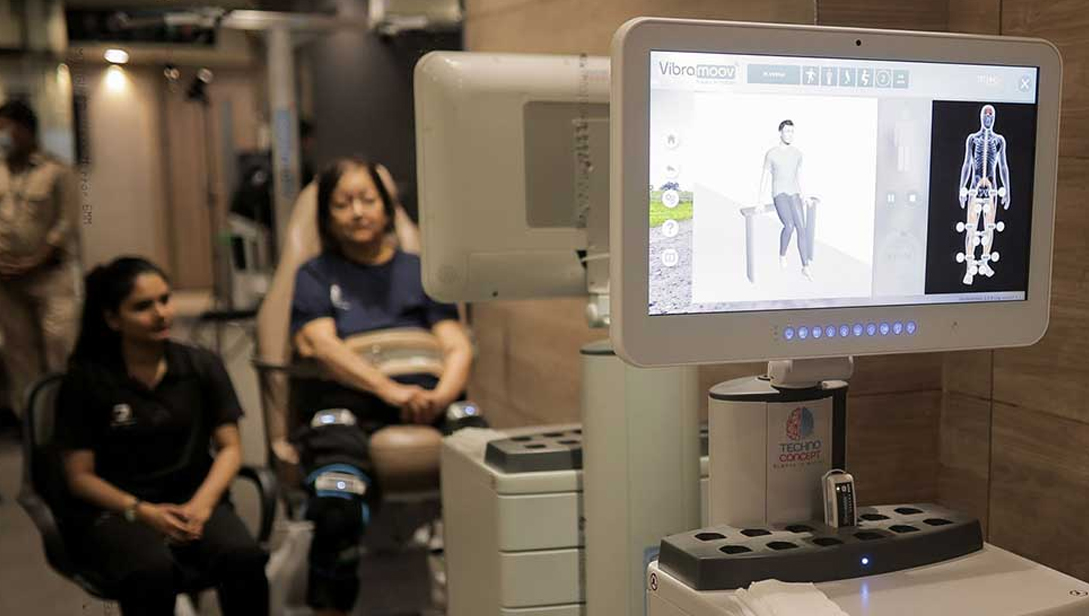
It involves functional stimulation to mimic natural movement patterns to enhance mobility and independence.
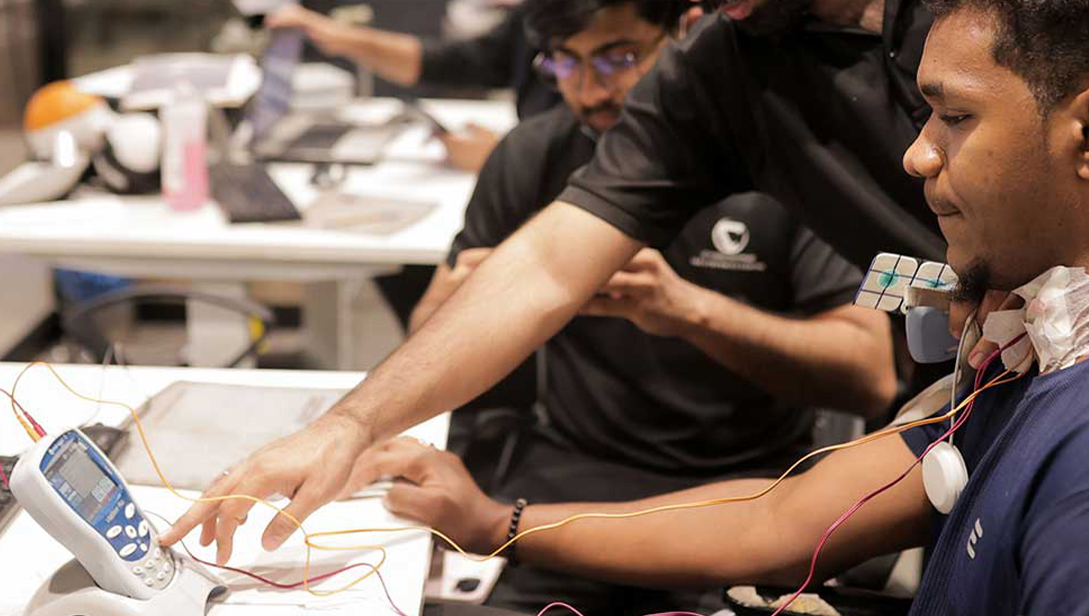
It is a specialized treatment for dysphagia, or swallowing difficulties, combining electrical stimulation with swallowing exercises.
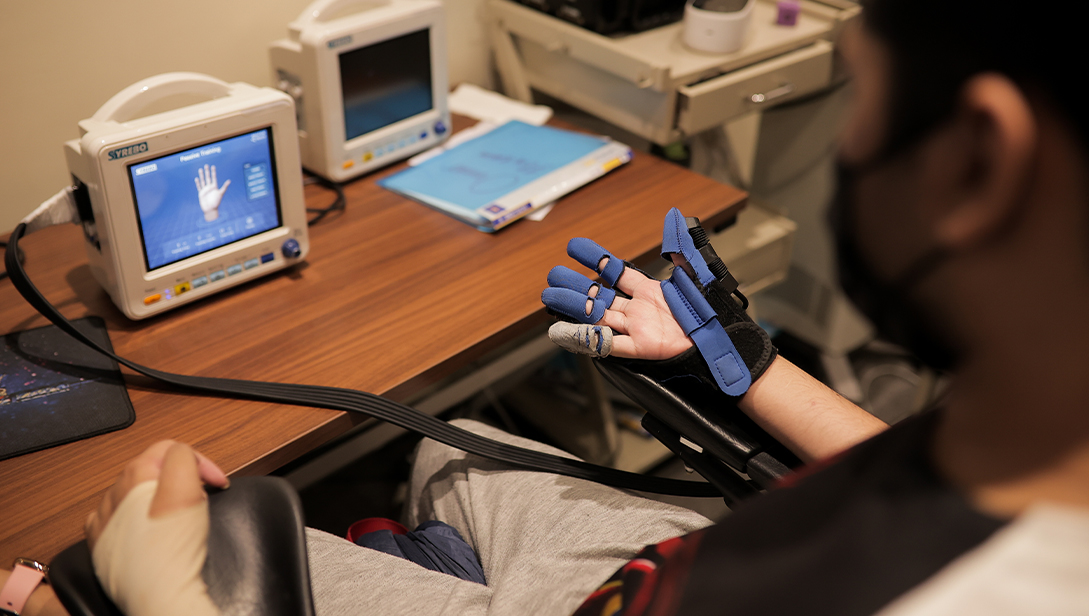
Hand function training.
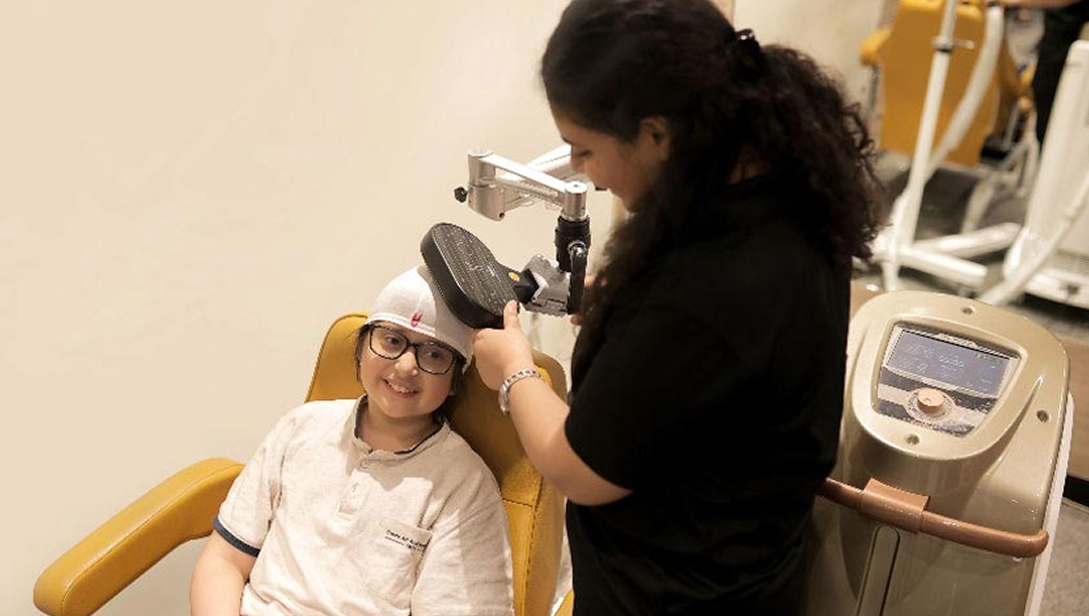
Precise brain stimulation using network mapping.
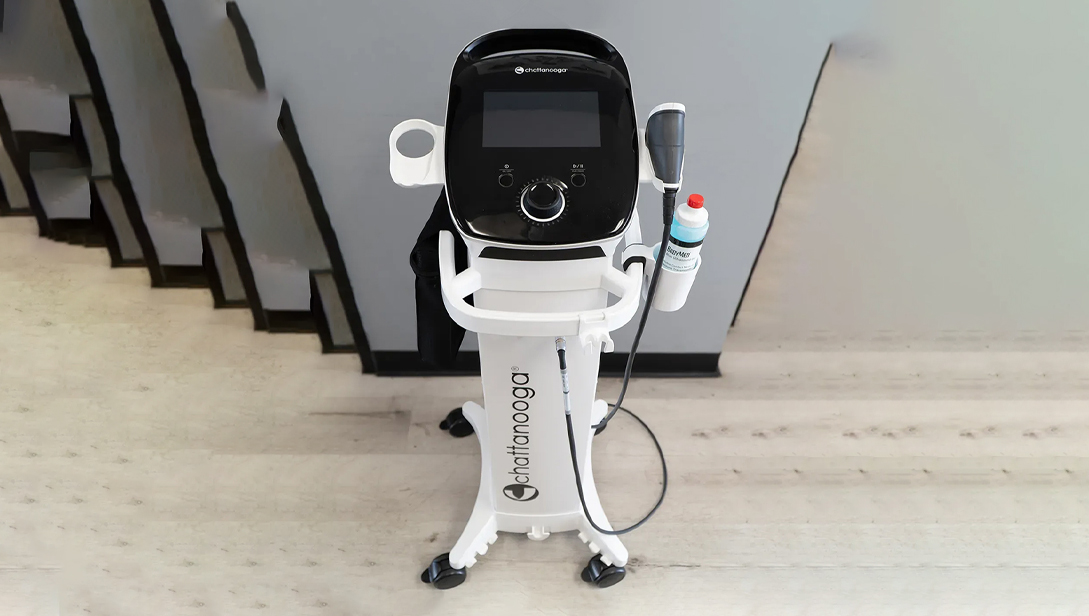
Pain relief and neuromuscular electrical stimulation.
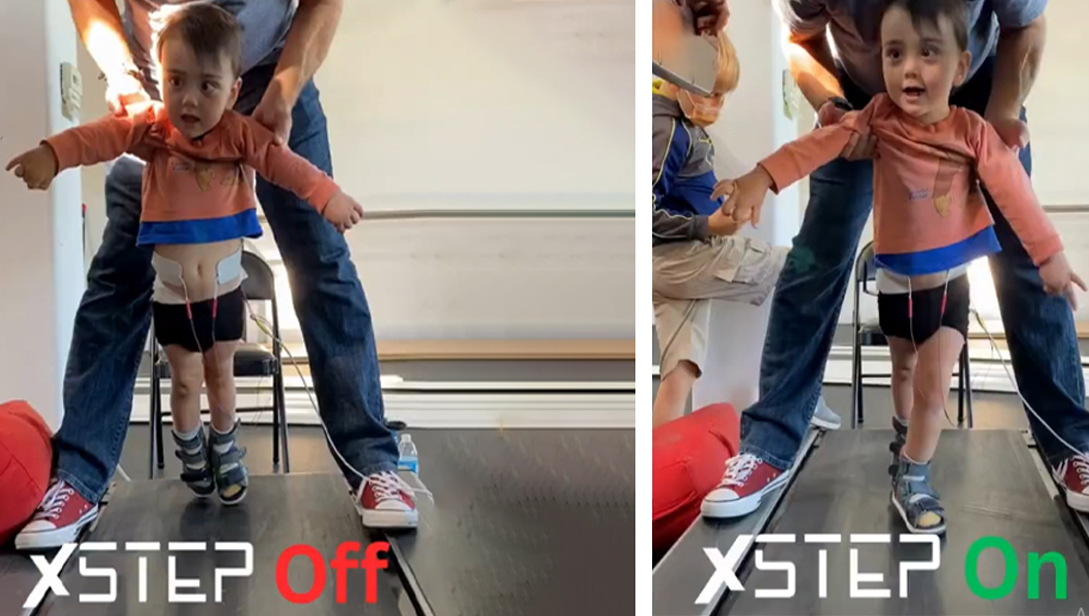
Step is a non-invasive spinal cord stimulation technology that strengthens communication between the brain and spine.

Sustain circulation
Avoid joint stiffness
Begin early passive movement
Assess muscle strength & mobility
Initiate range-of-motion and assisted exercises
Apply Cyberdyne HAL & Brain-Spine Interface (BSI)
Balance and strength training for coordination
Walking with/without assistance
Practice daily activities (eating, dressing, transfers)
Transition to independent living or work
Follow-up with therapy to be maintained
Incomplete vs Complete SCI
 View
video testimonial
View
video testimonial
 View
video testimonial
View
video testimonial
 View
video testimonial
View
video testimonial
 View
video testimonial
View
video testimonial
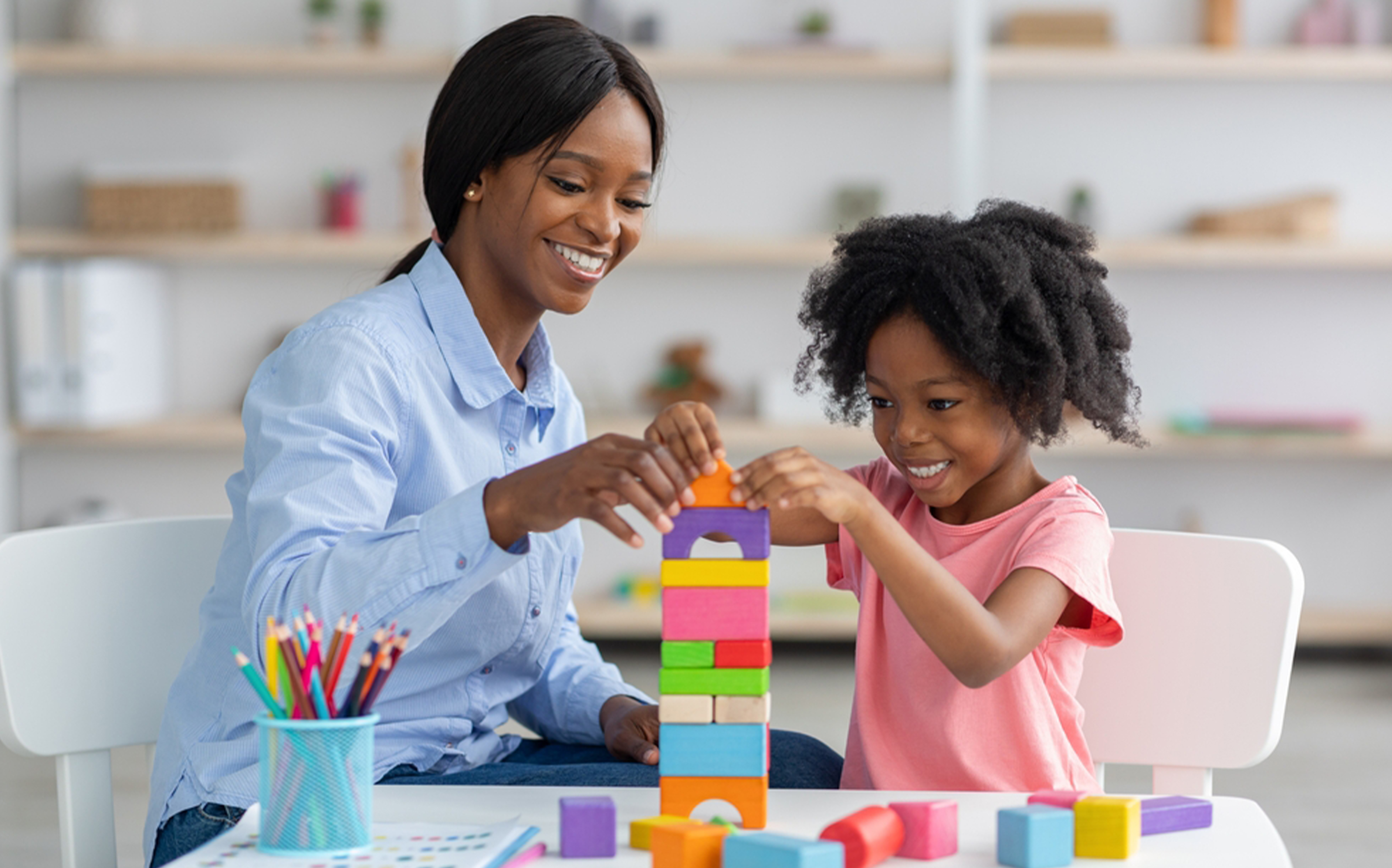
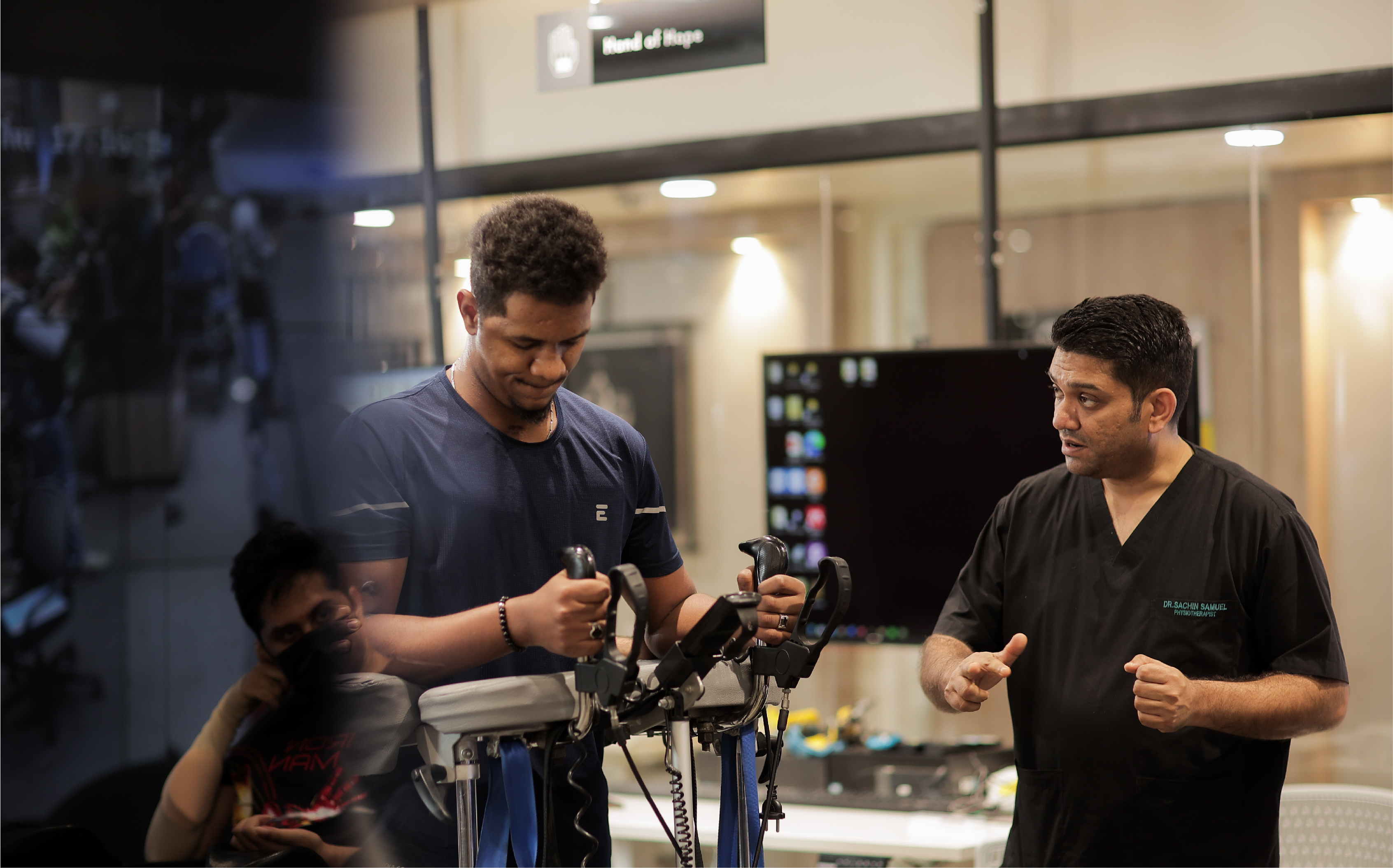
For those impacted by spinal injuries, spinal cord injury rehabilitation aims to improve strength, mobility, and overall quality of life.
 New
Delhi: +91 9035030623
New
Delhi: +91 9035030623
 Hyderabad: +91 9035030623
 Bengaluru: +91 9035030623
 Malaysia: +606 235 4000
 Muscat:
+968 22 496007
Muscat:
+968 22 496007
Walk Again is growing its reach throughout Southeast Asia, bringing advanced neuro-recovery services to more patients. Also opened in Oman.
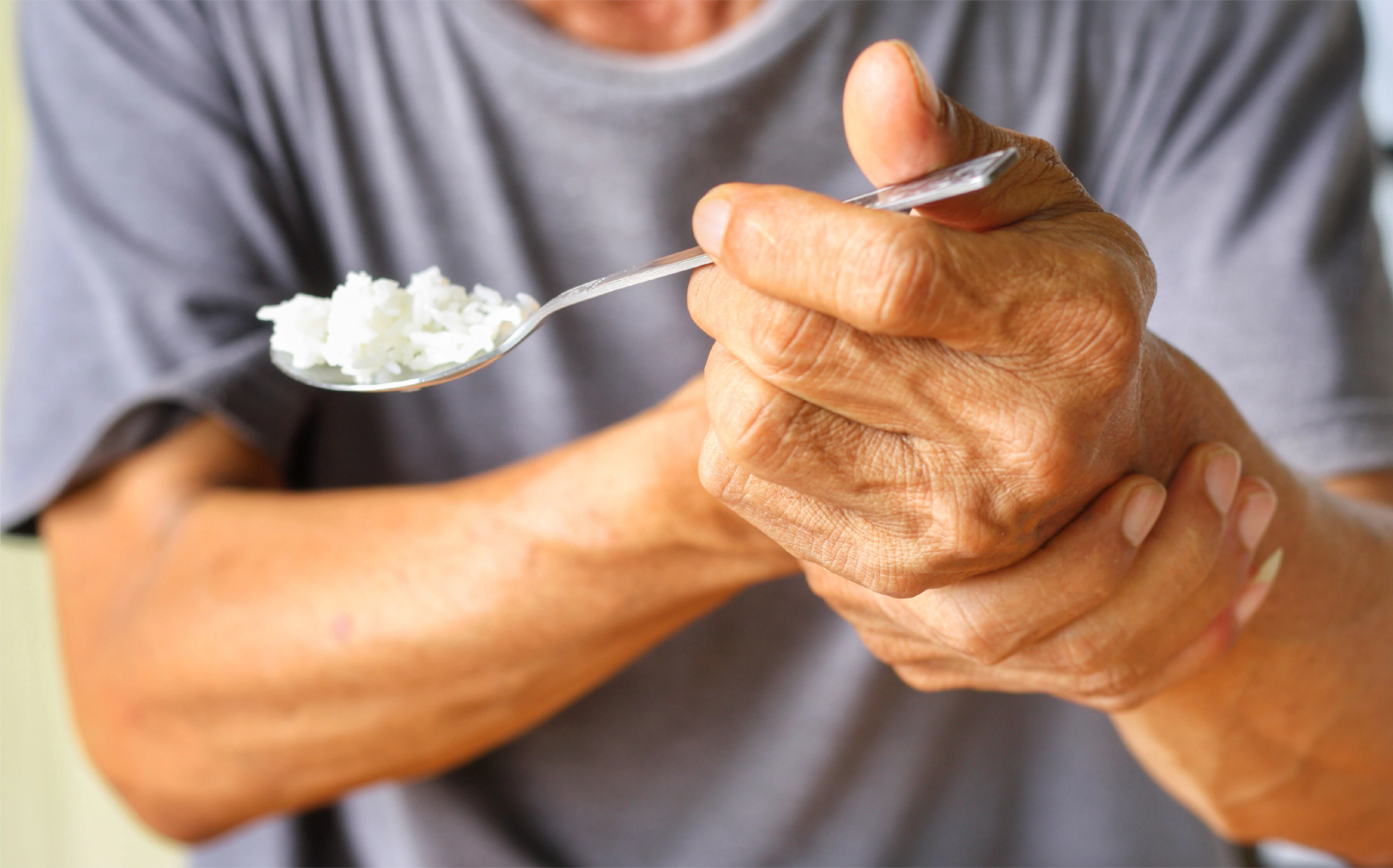
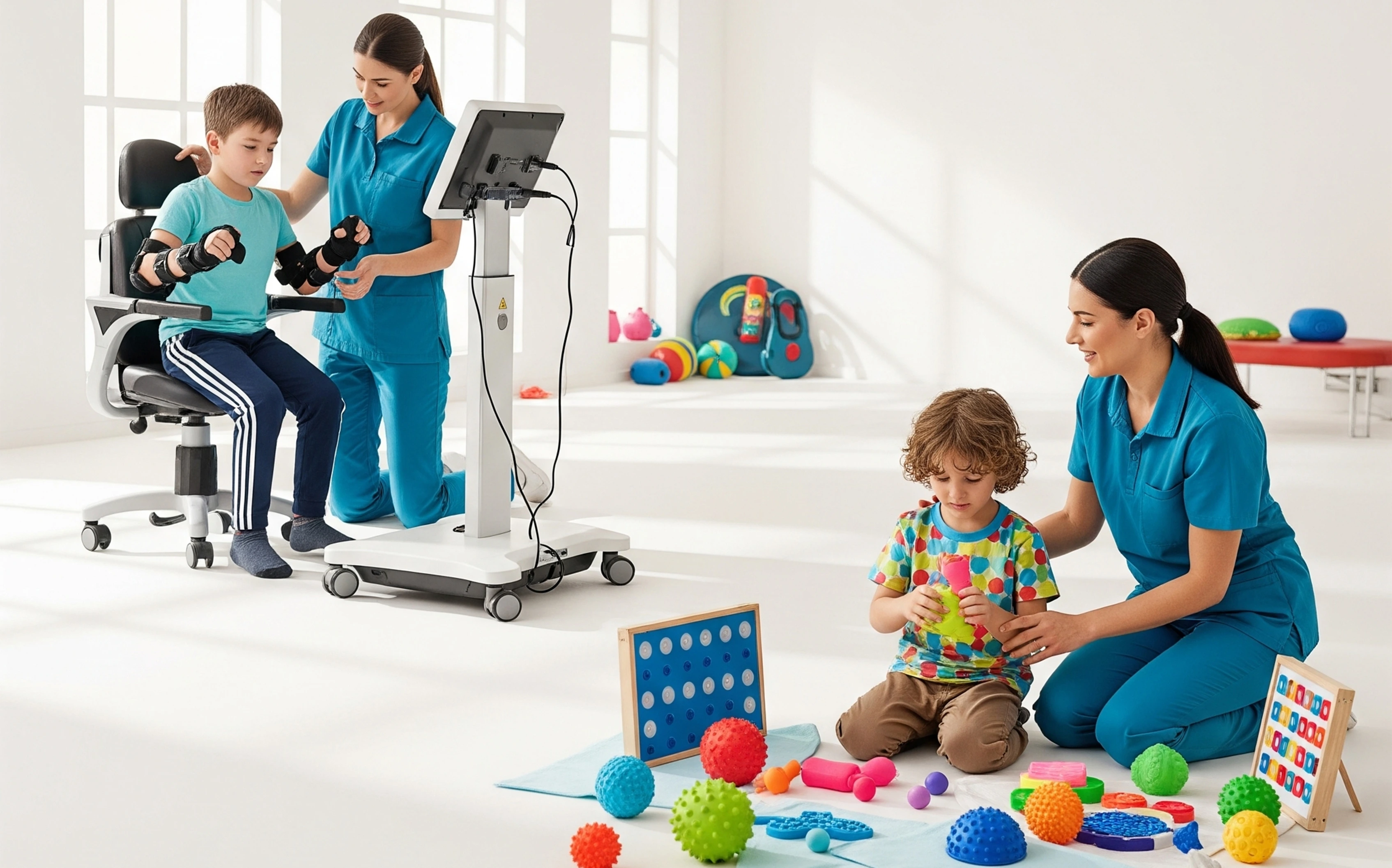
Contact UsOccupational Therapy improves memory, coordination, and mental health while helping stroke survivors regain basic skills like eating, writing, and dressing.
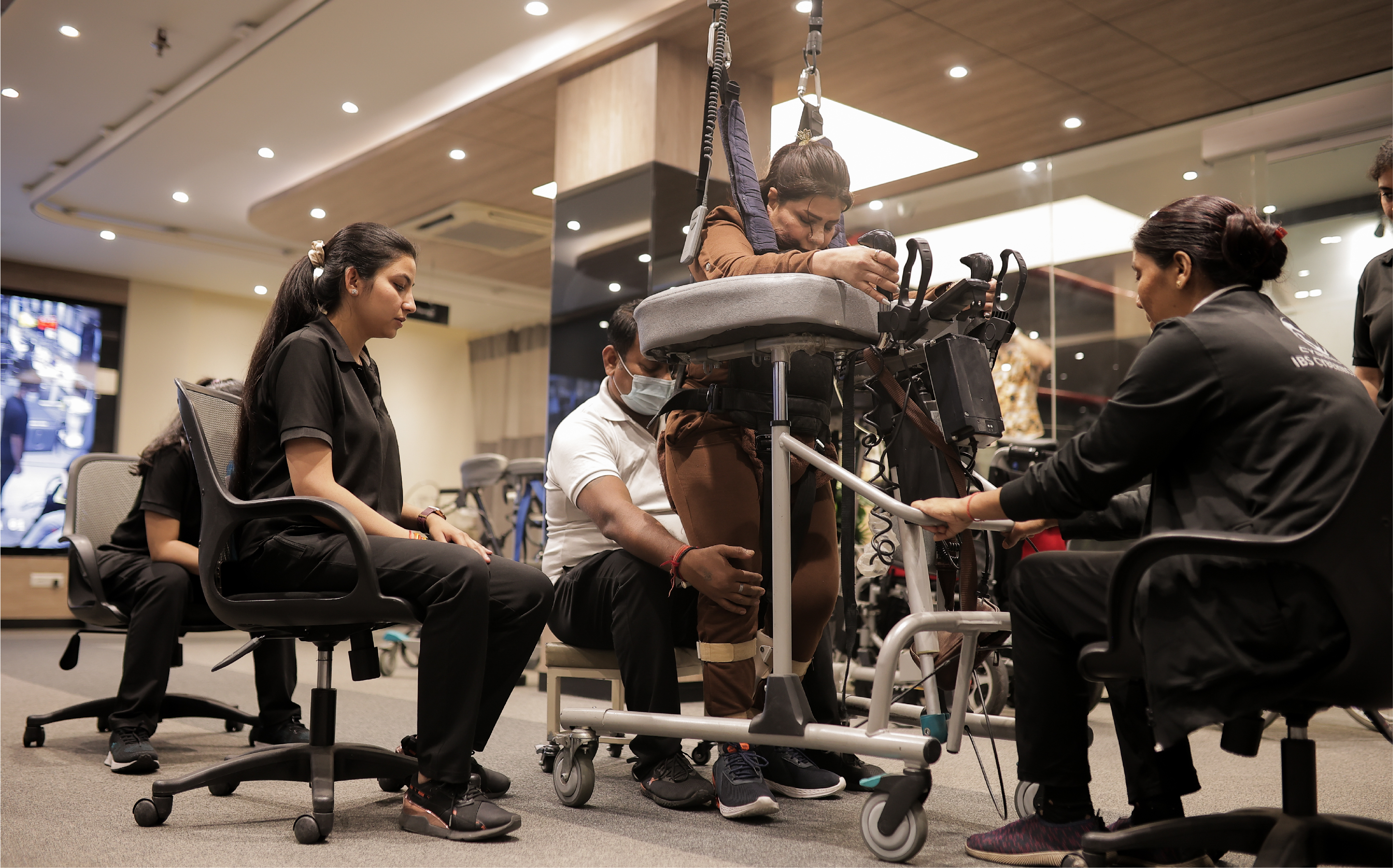
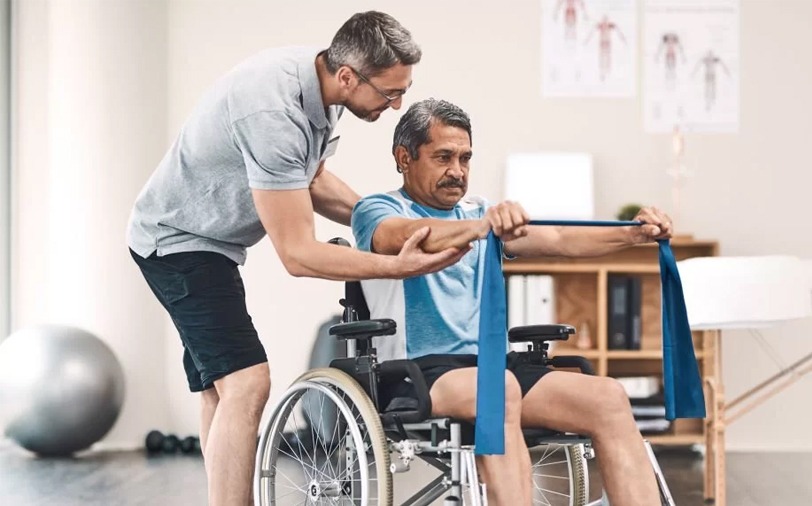
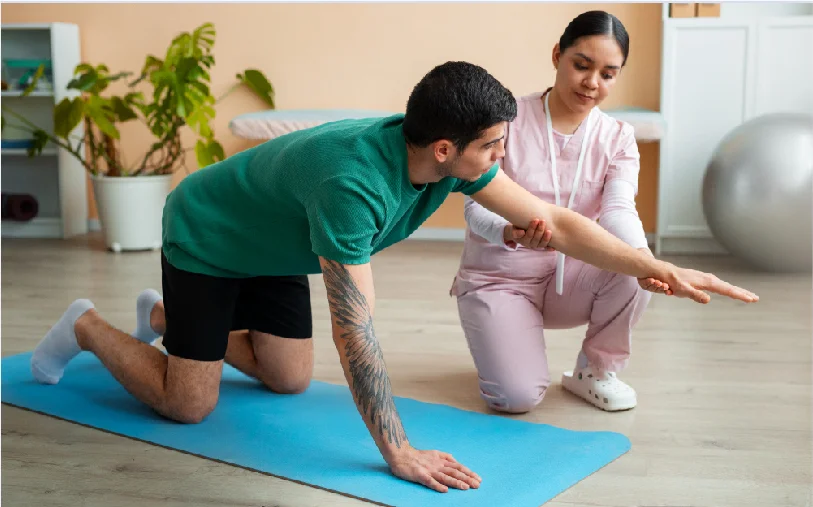
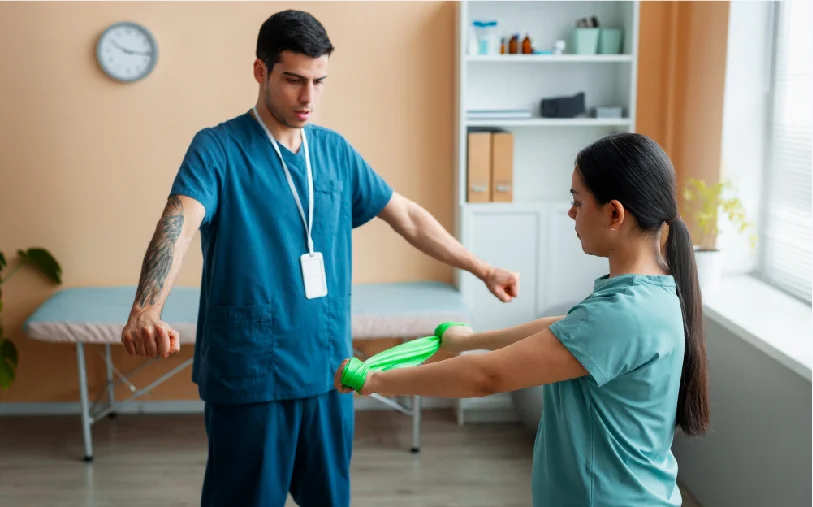
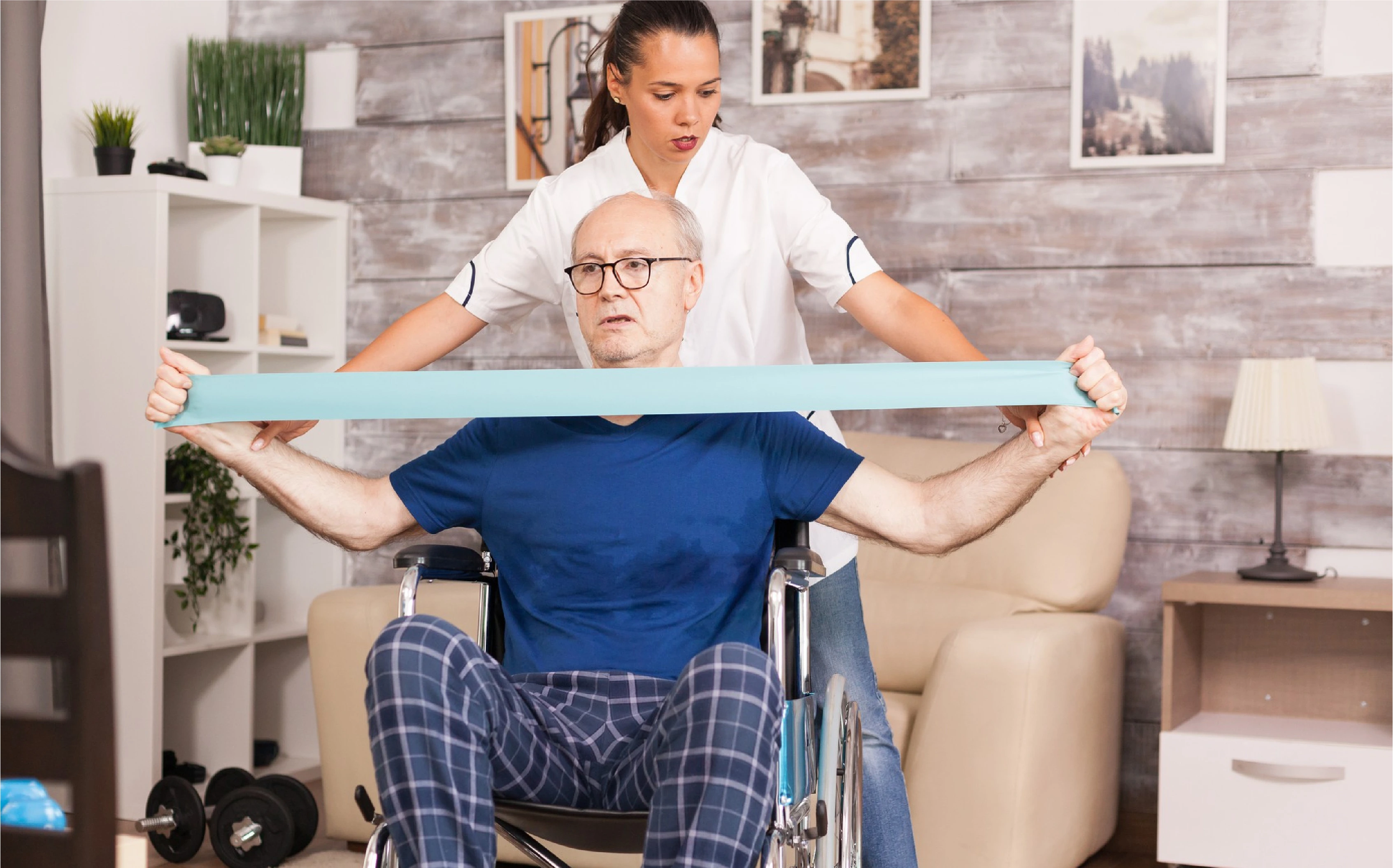
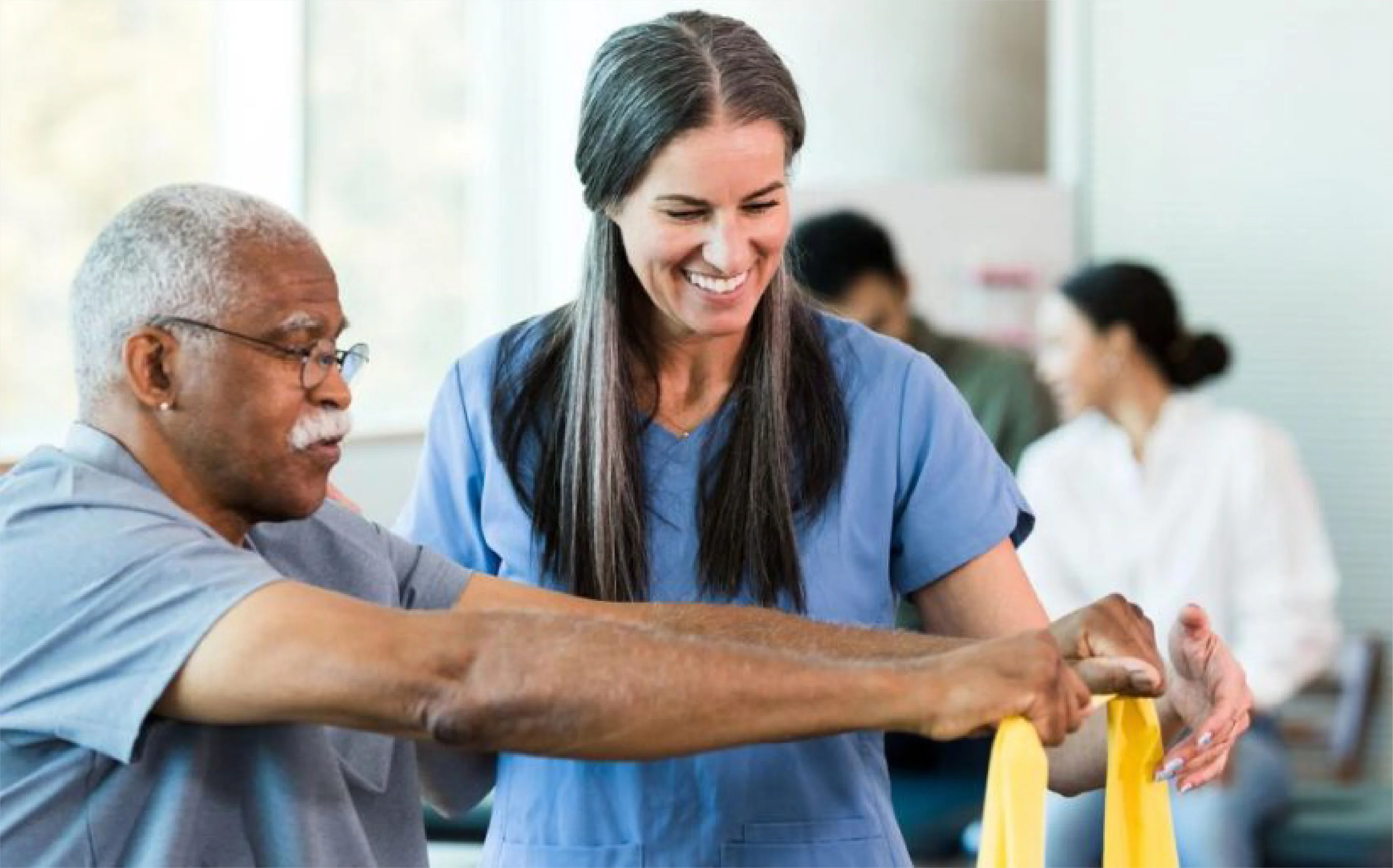
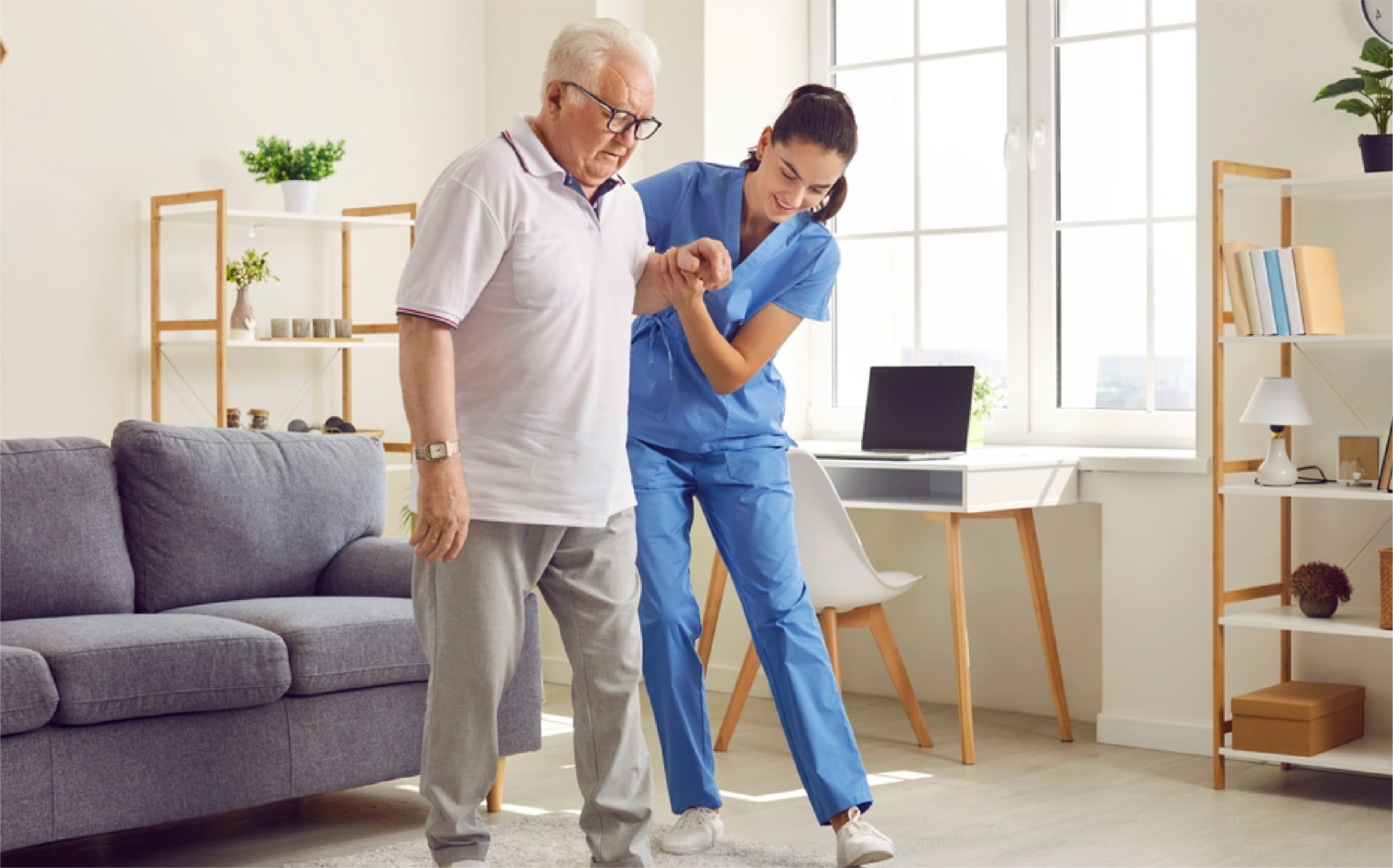
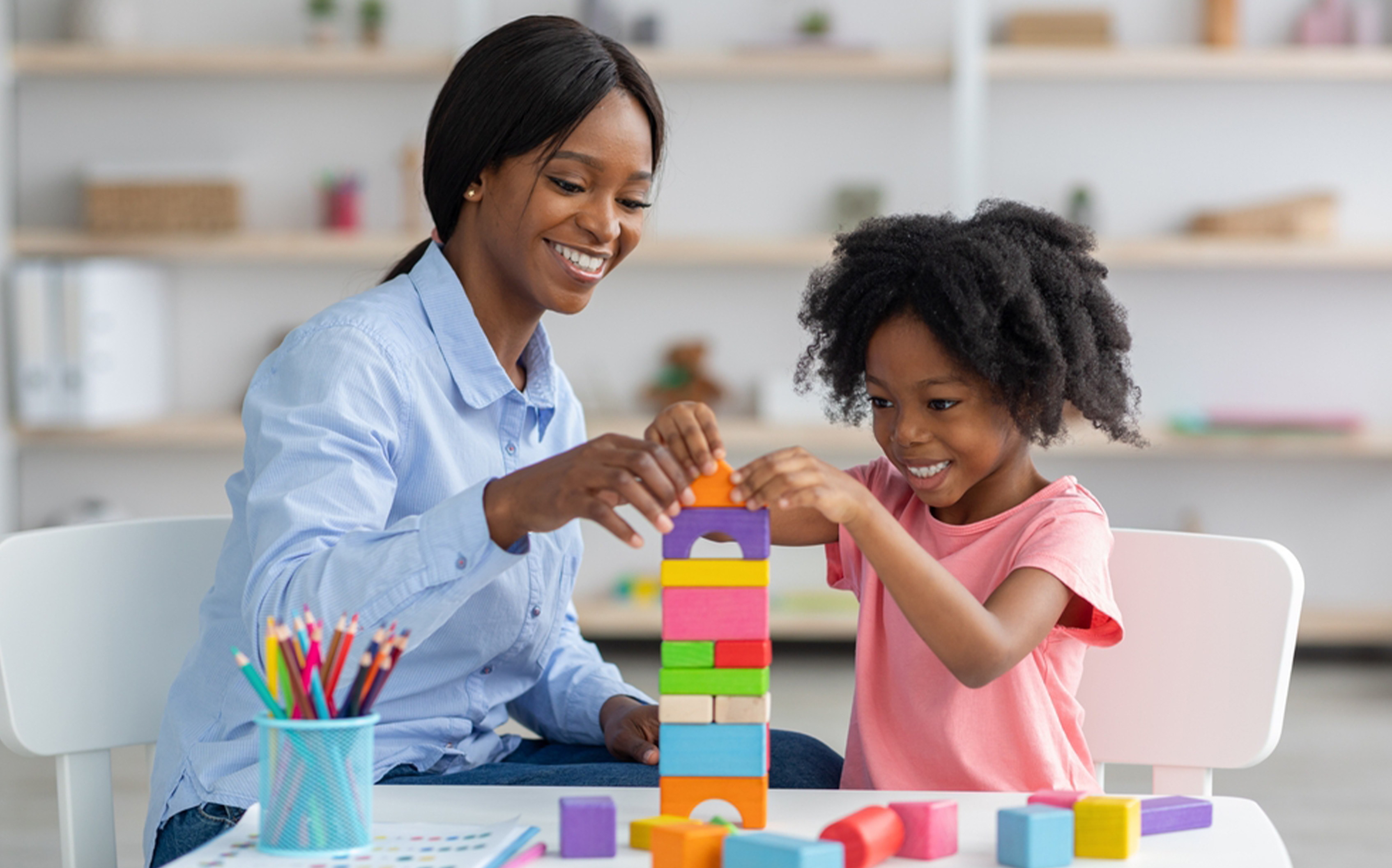
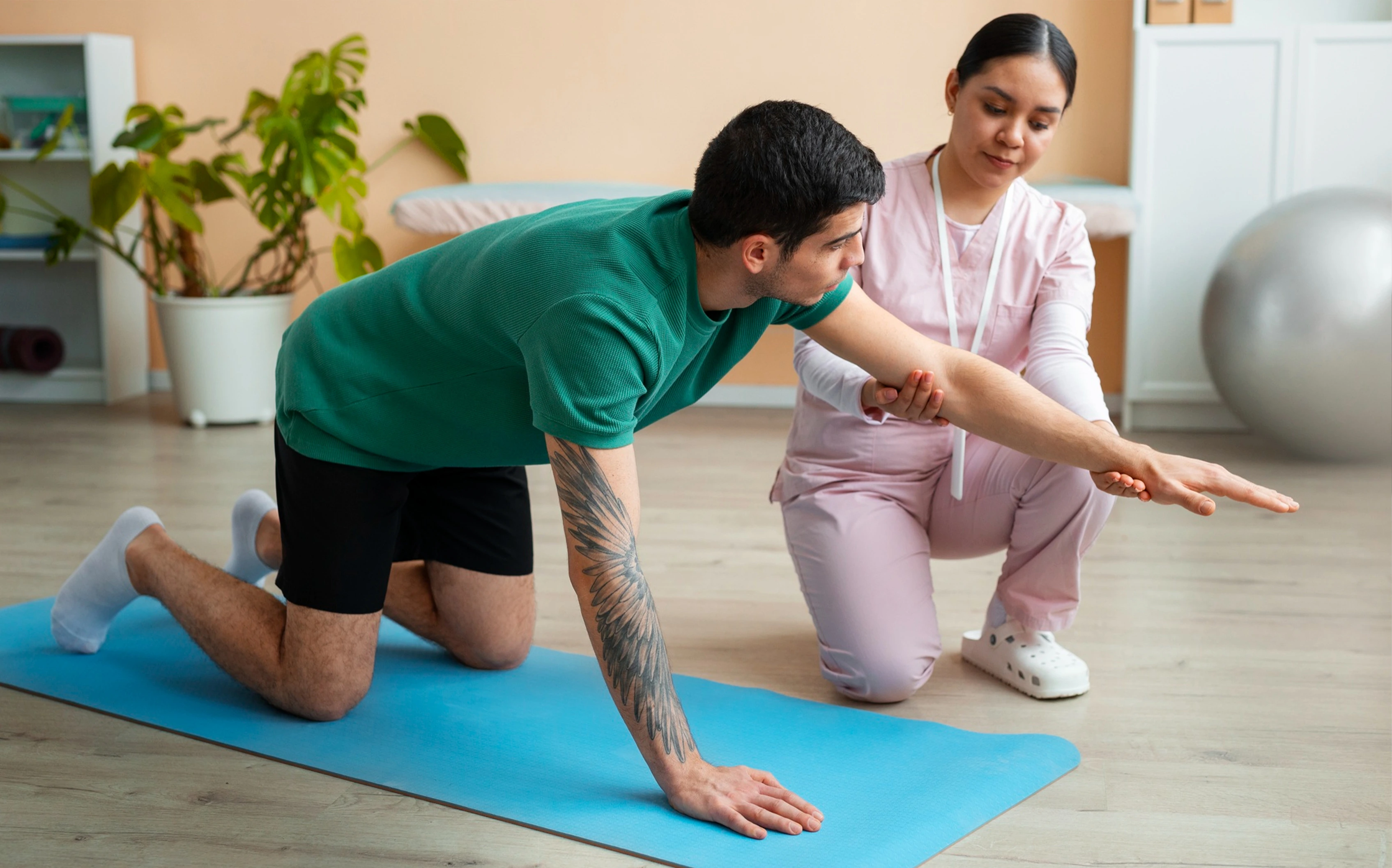
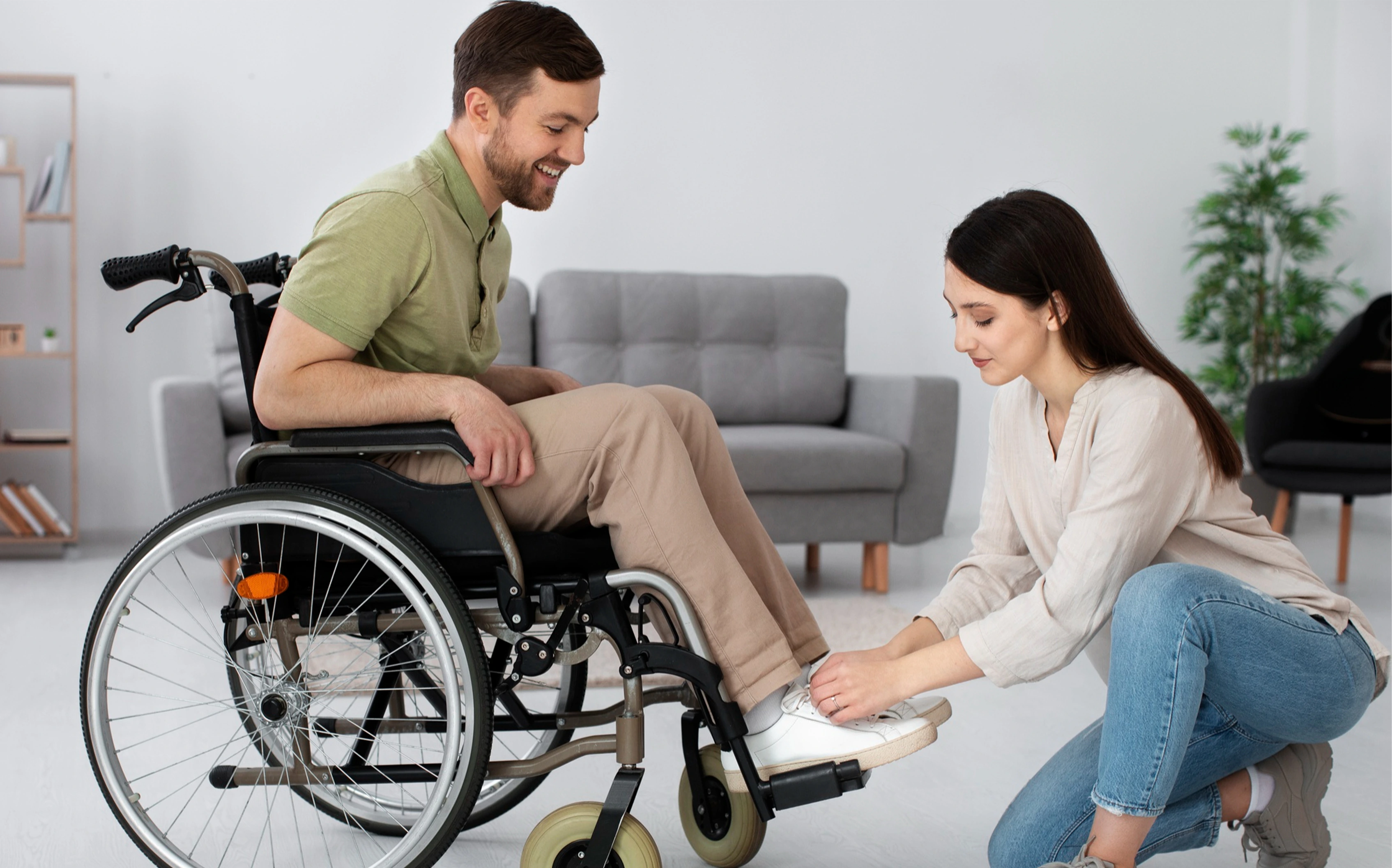
Through adaptive strategies, assistive device training, and adjusting everyday chores to accommodate new physical capabilities, occupational therapy (OT) aims to maximize independence for people with spinal cord injuries.
In order to prevent complications and support a quicker recovery, early intervention is essential. OT often commences in the hospital or rehab facility within days of stabilization.


.webp)