

Have questions or interested in our premium window solutions? Reach out to us—we're here to help!
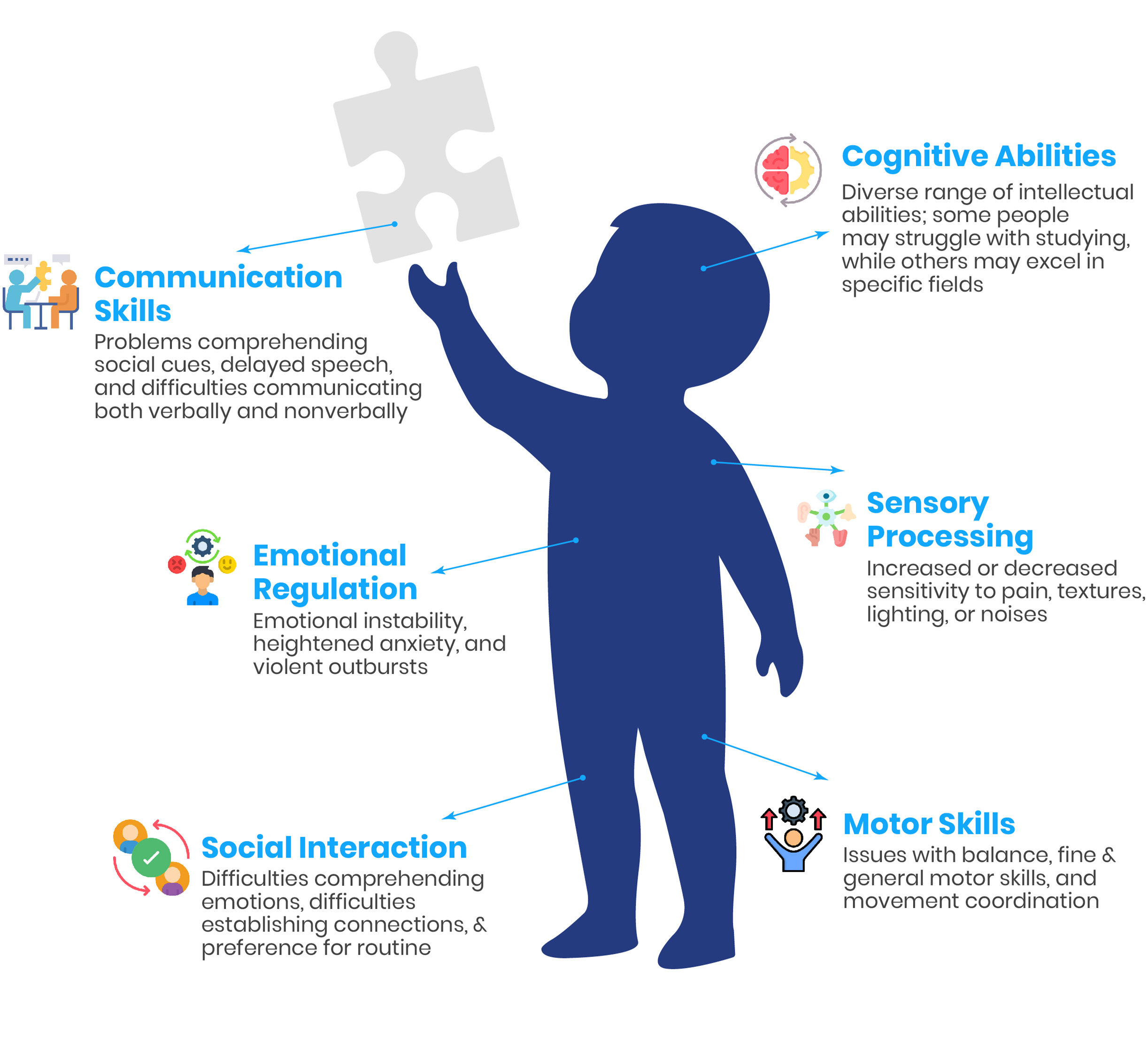
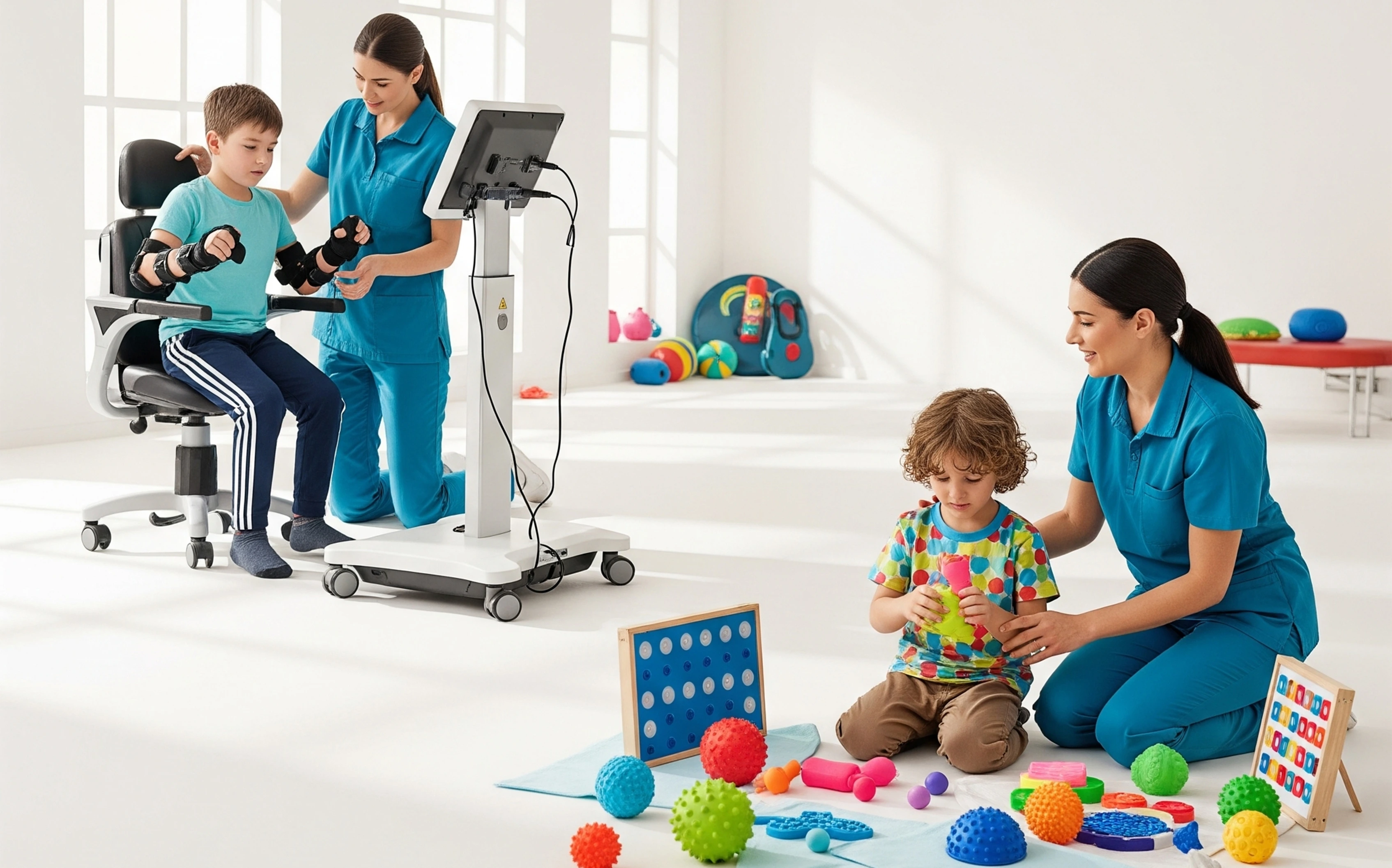
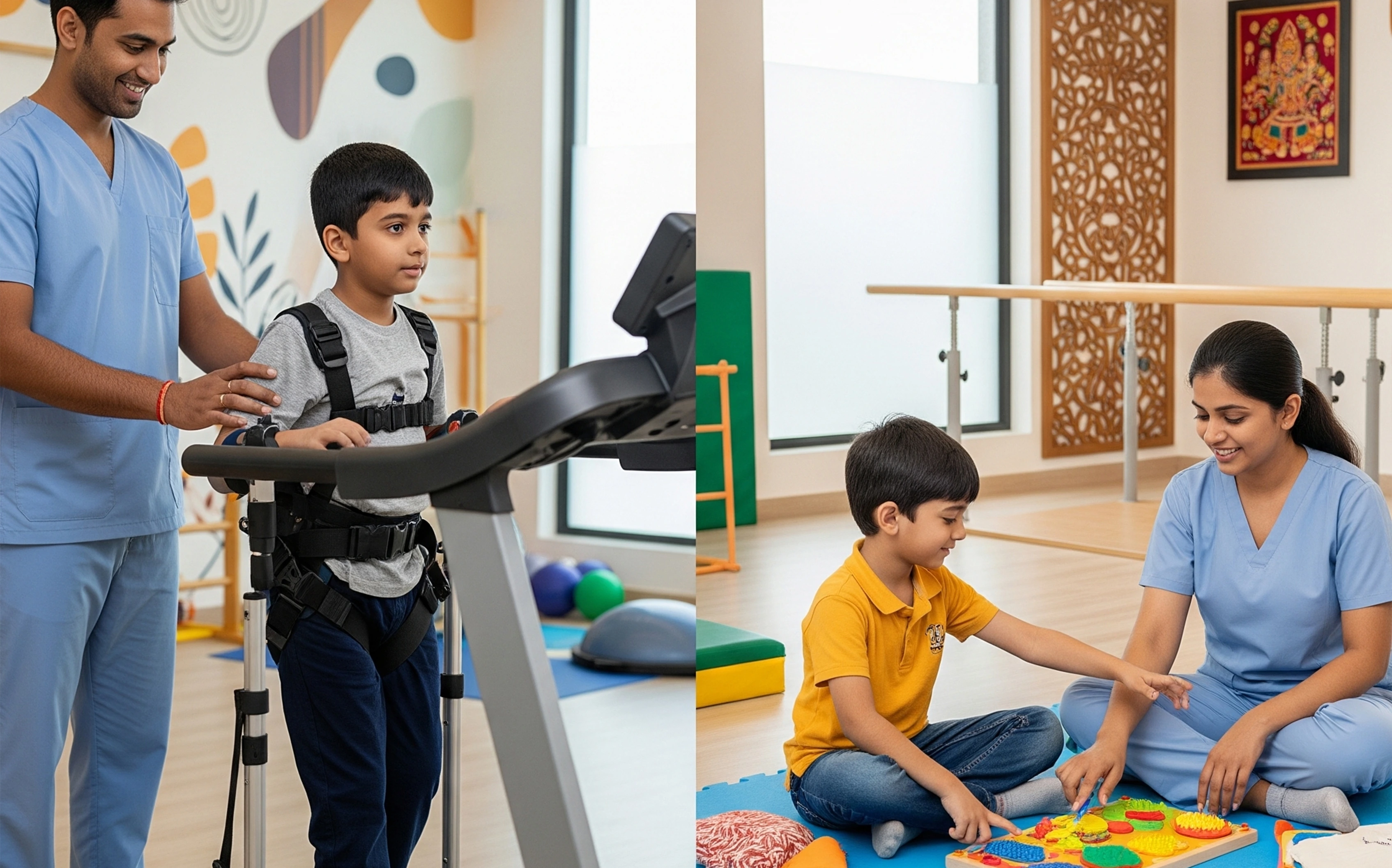
People with ASD often exhibit repetitive behaviours, limited interests, and social-communication issues that affect their everyday interactions. Cognitive difficulties might include everything from cognitive impairments to extraordinary aptitude in specific domains. They could have emotional difficulties comprehending and expressing their emotions. Tailored environmental adjustments are required as sensory sensitivities are common in ASD.
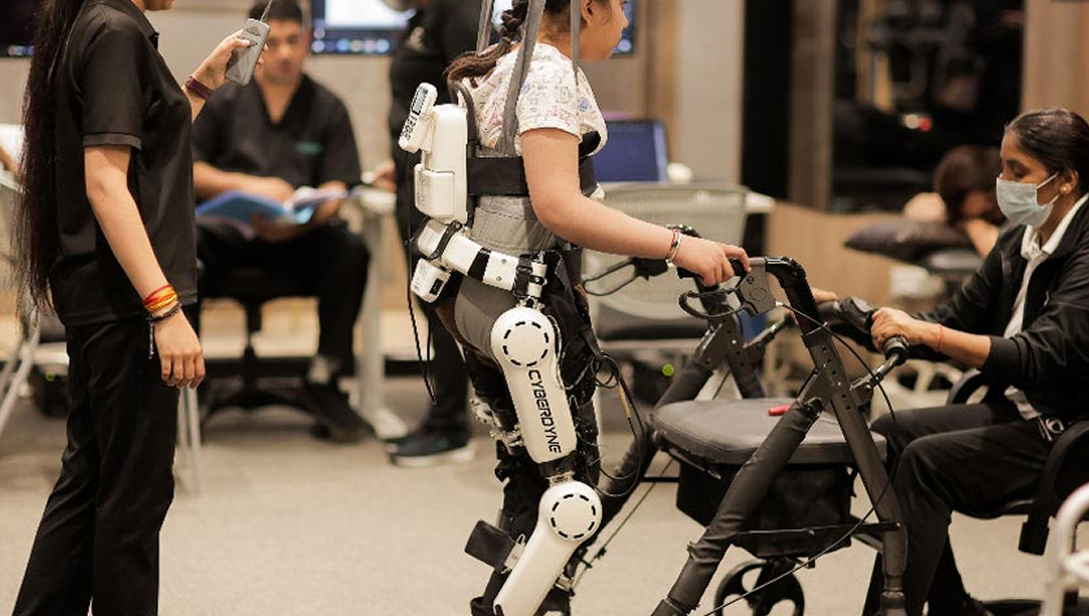
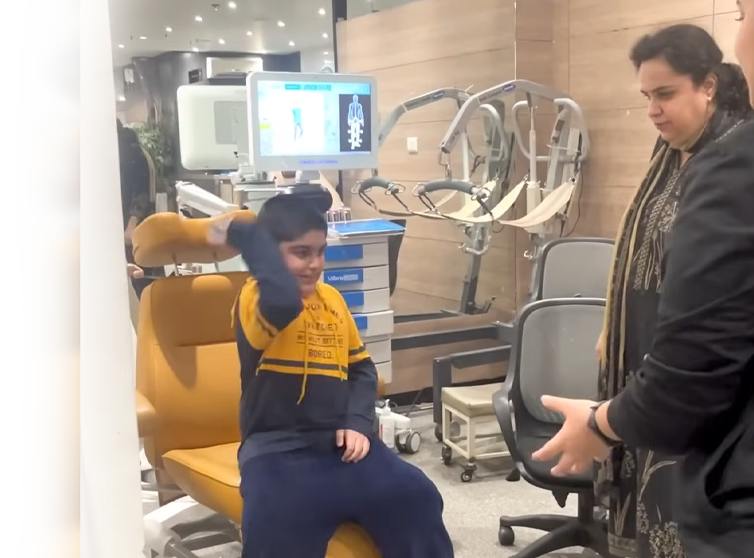
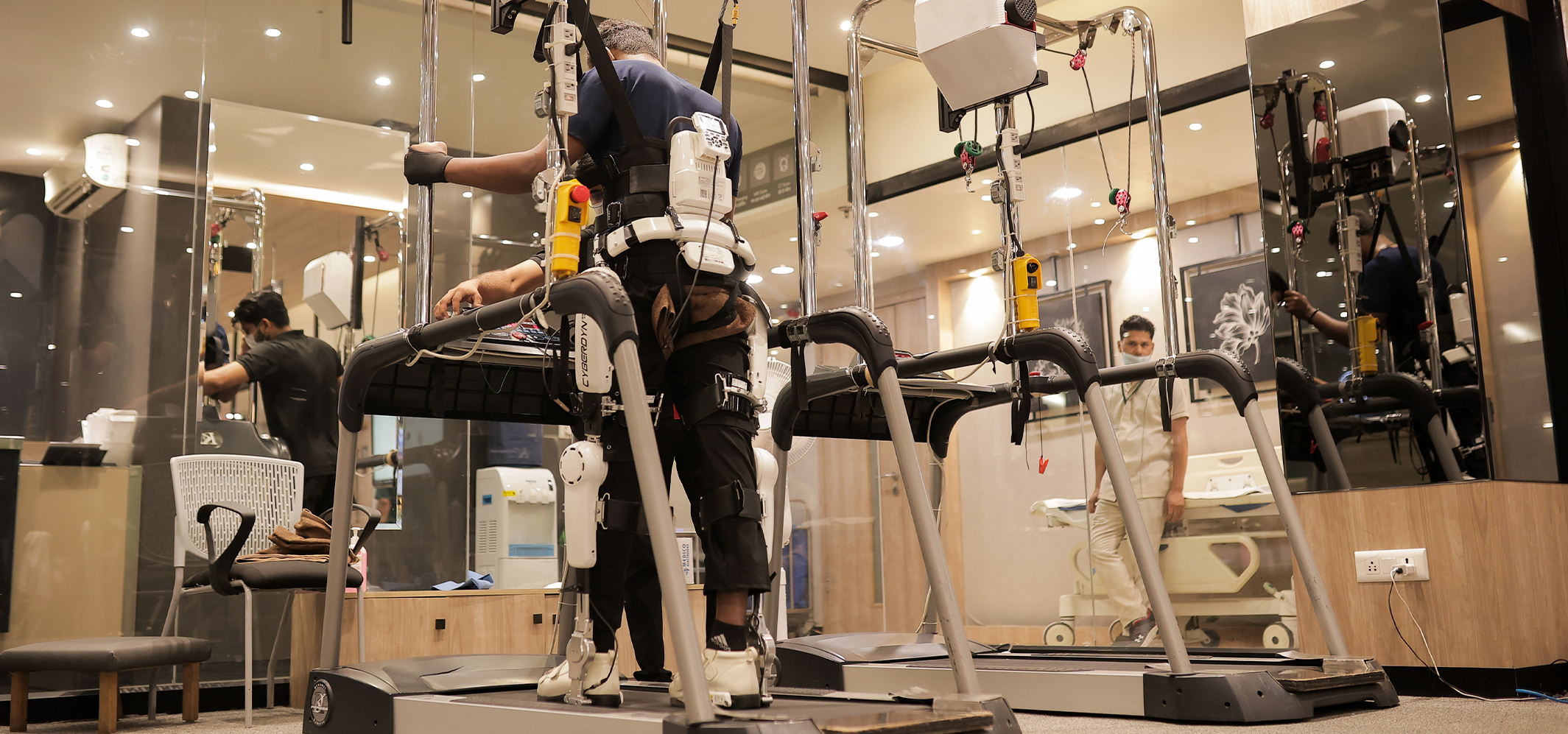
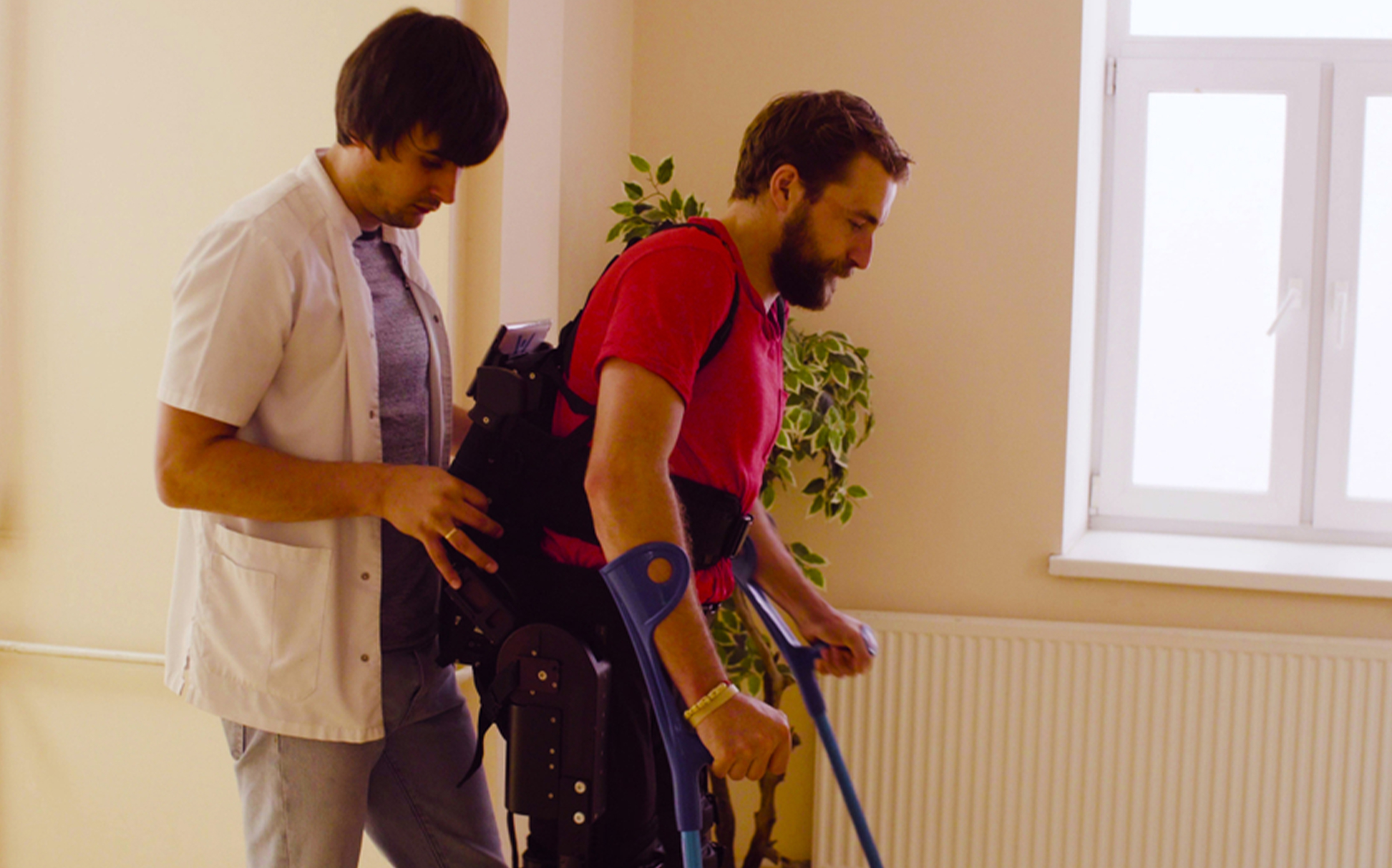
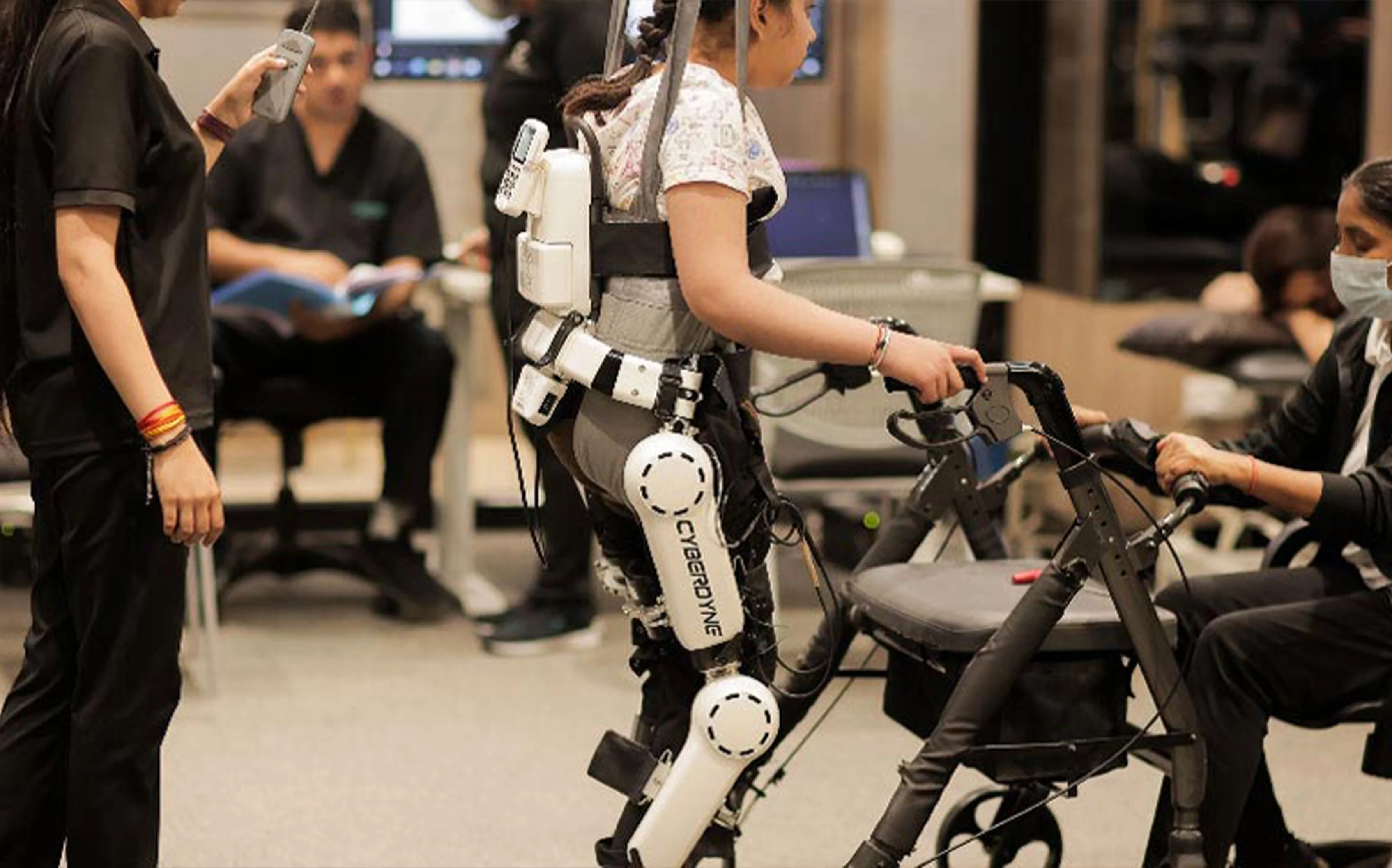
It supports and enhances human mobility and strength. It uses special technology to pick up muscle signals from the wearer and boost their strength and movement.
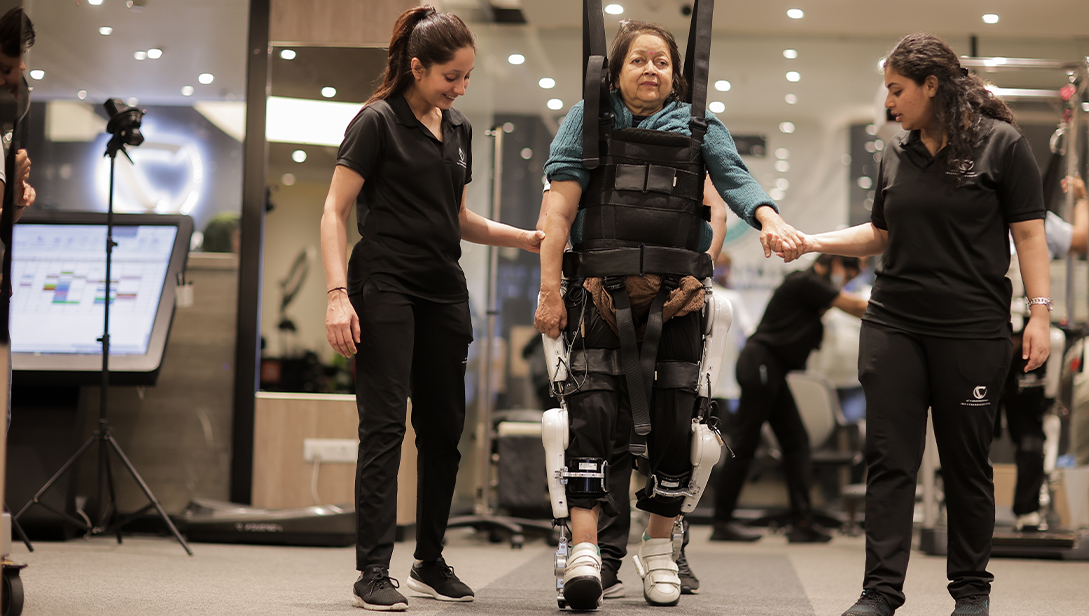
Trunk control and sitting balance training.
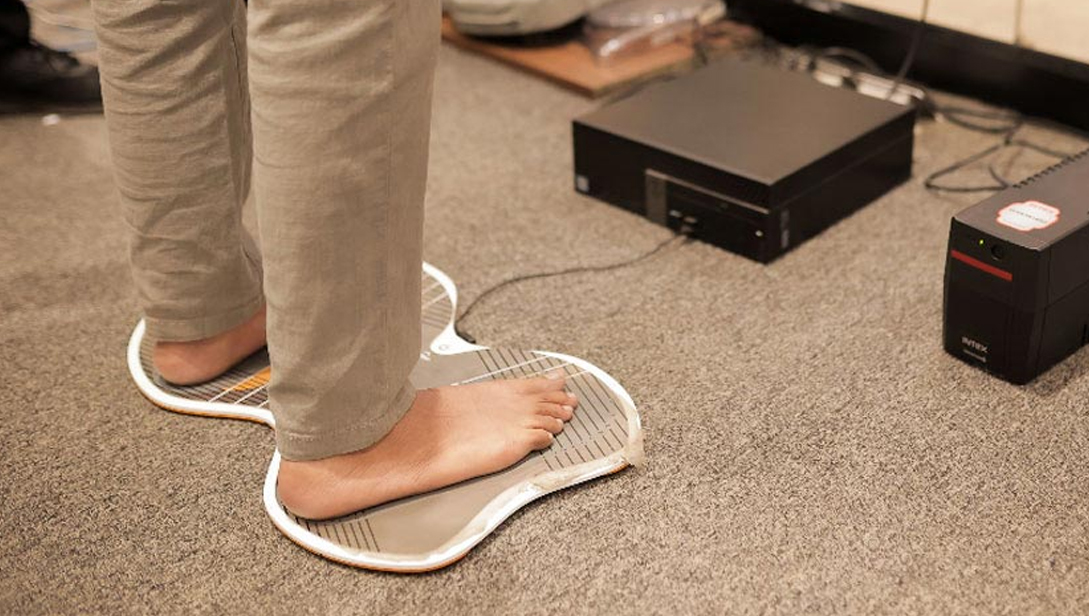
It is a versatile rehabilitation platform that focuses on balance and coordination training. Its interactive system provides real-time feedback, allowing therapists to design customised exercises.
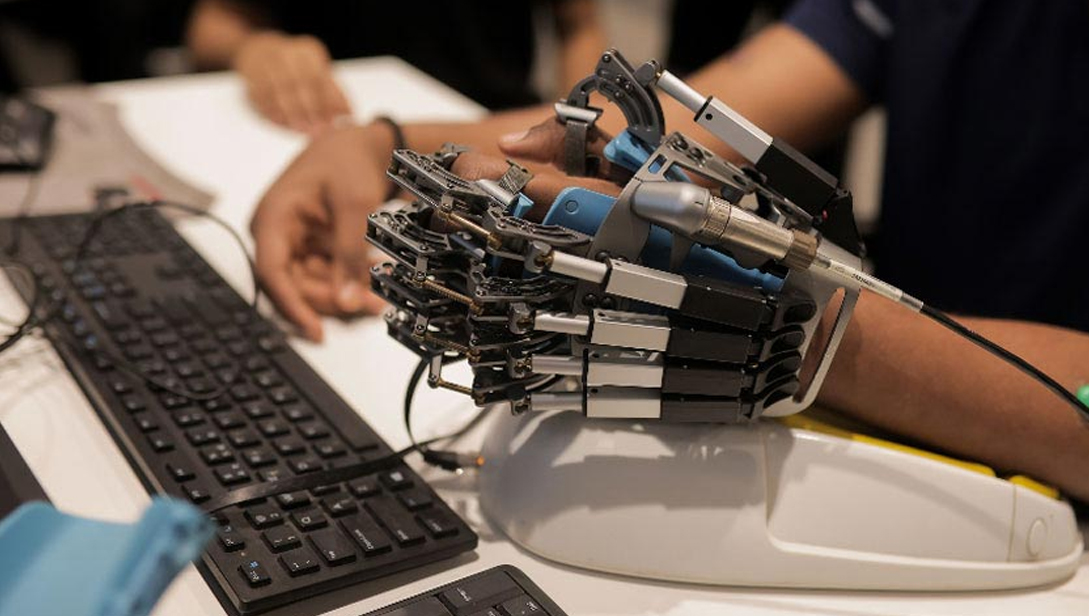
It uses sensors to detect muscle signals and assists patients in opening and closing their hands. This helps in strengthening muscles and improving coordination.
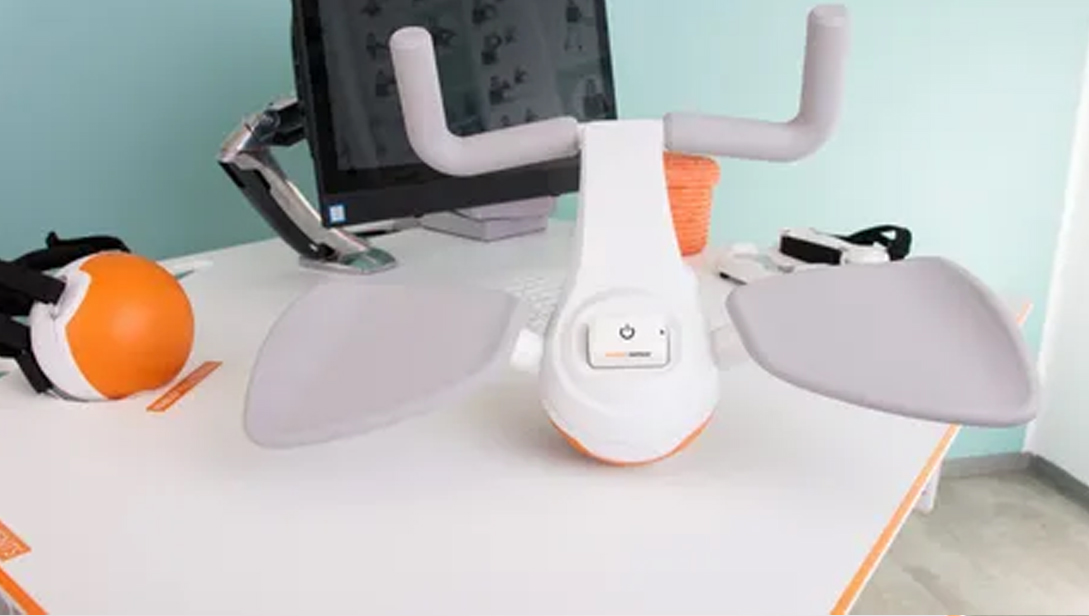
It is a comprehensive tool for rehabilitation, combining sensors and software to assess and train various motor functions.
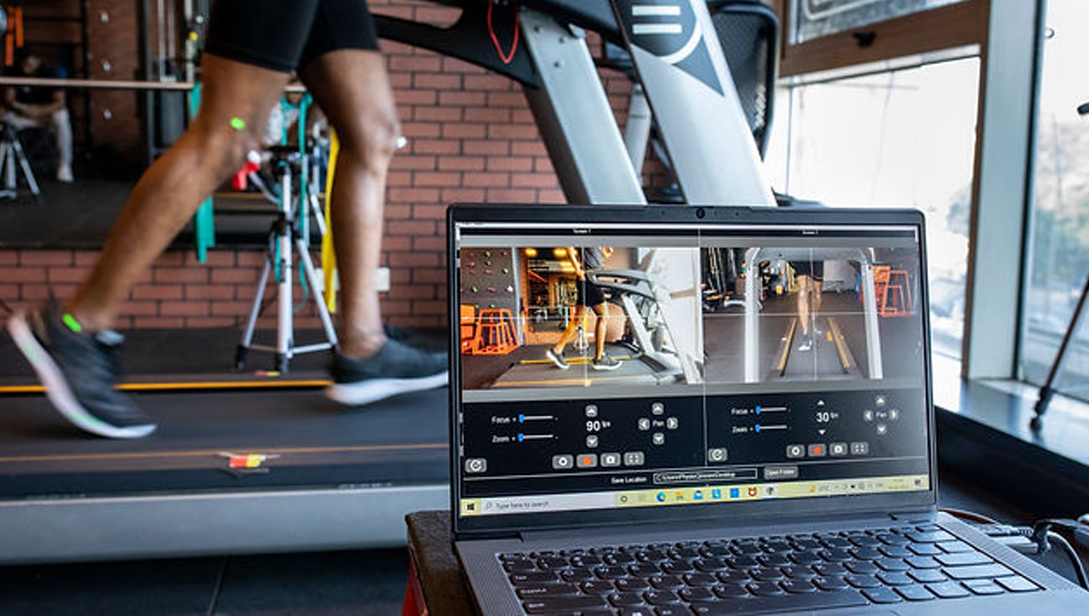
It includes advanced sensors and analysis software to assess and enhance walking patterns. By providing detailed biomechanical data, it helps in designing customized rehabilitation programs.
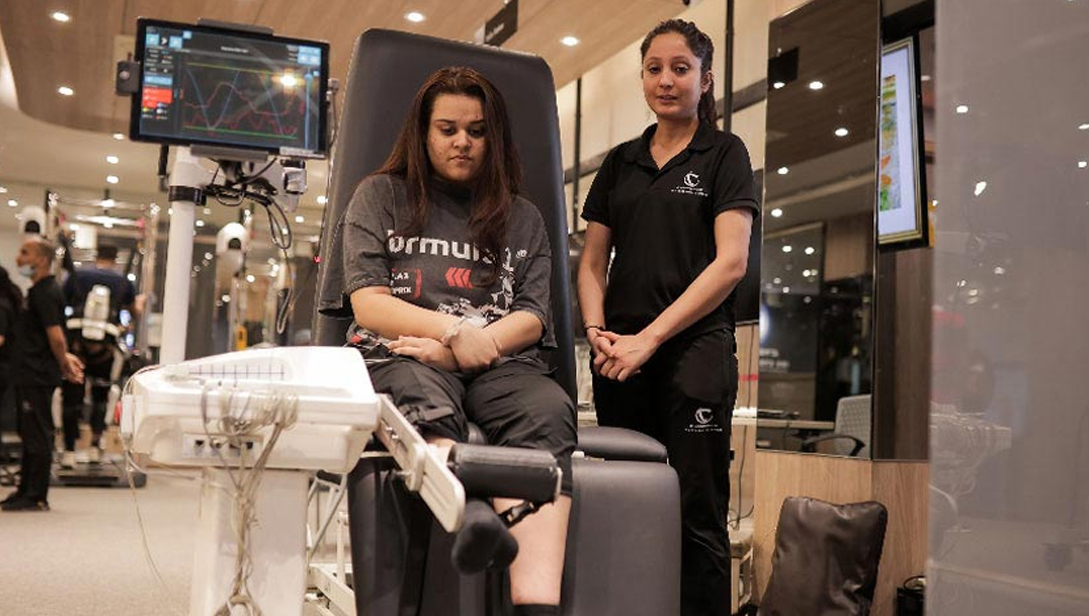
It provides detailed assessments of muscle and nerve function through electromyography (EMG).
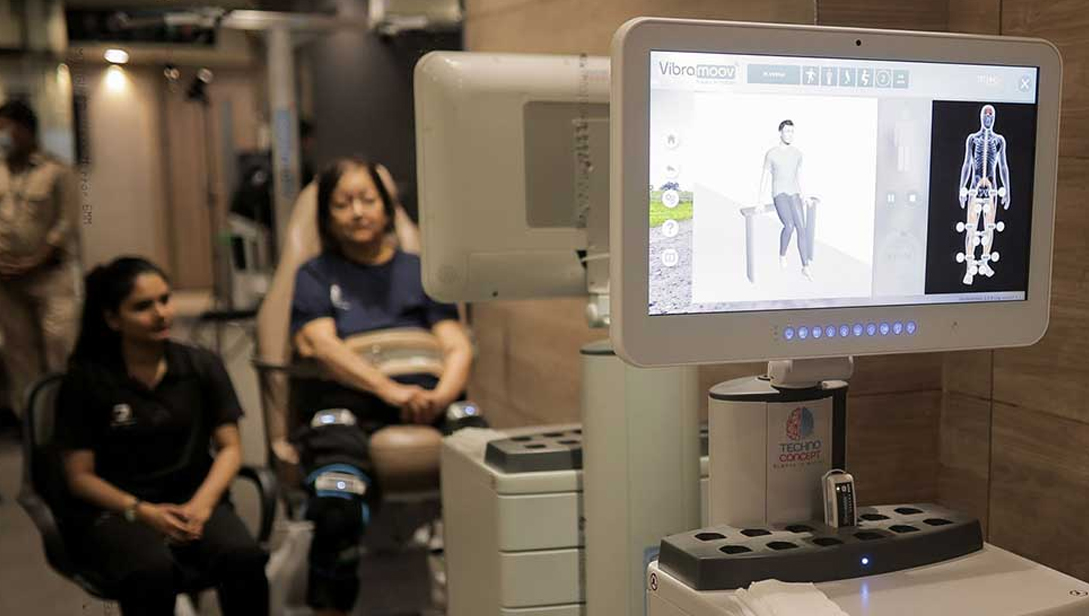
It involves functional stimulation to mimic natural movement patterns to enhance mobility and independence.
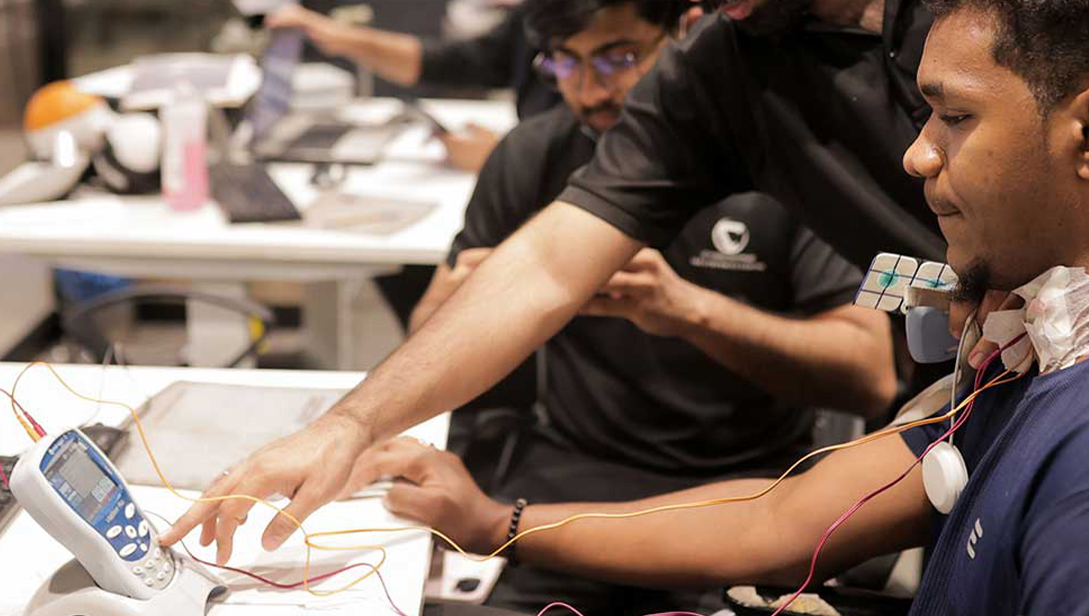
It is a specialized treatment for dysphagia, or swallowing difficulties, combining electrical stimulation with swallowing exercises.
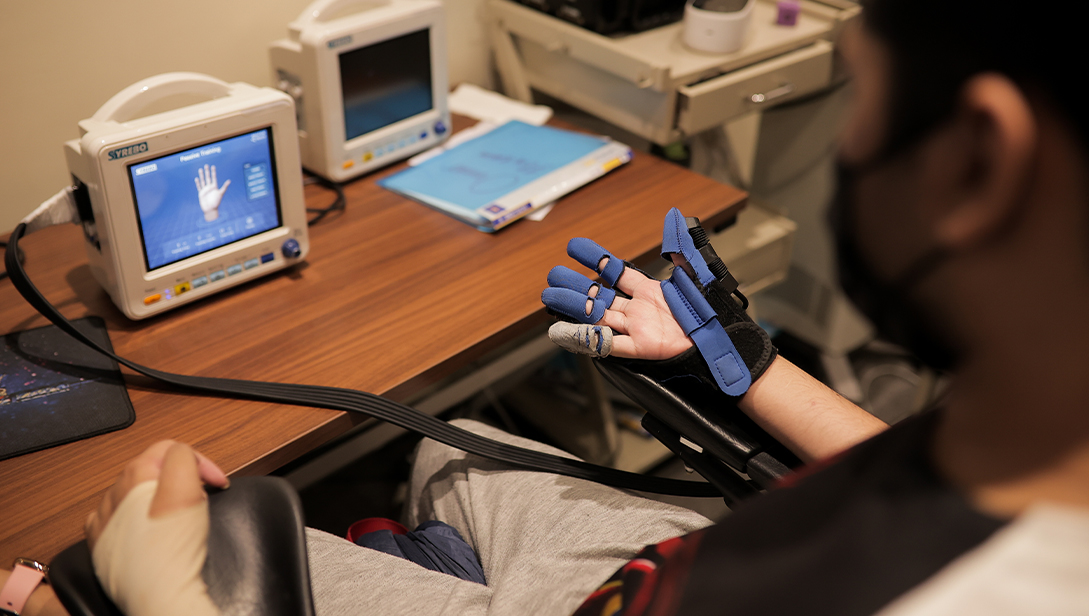
Hand function training.
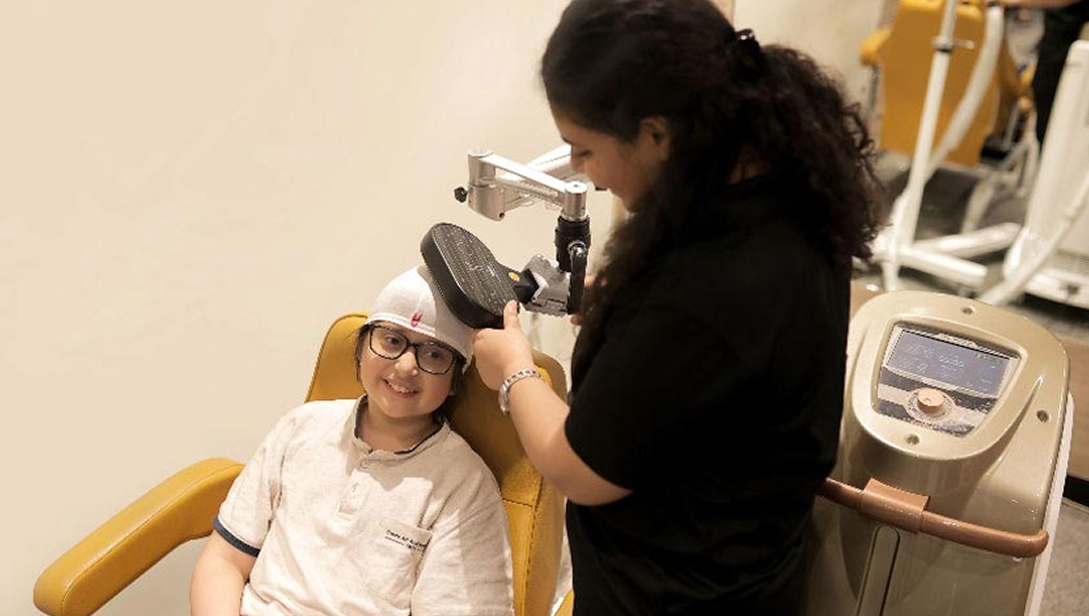
Precise brain stimulation using network mapping.
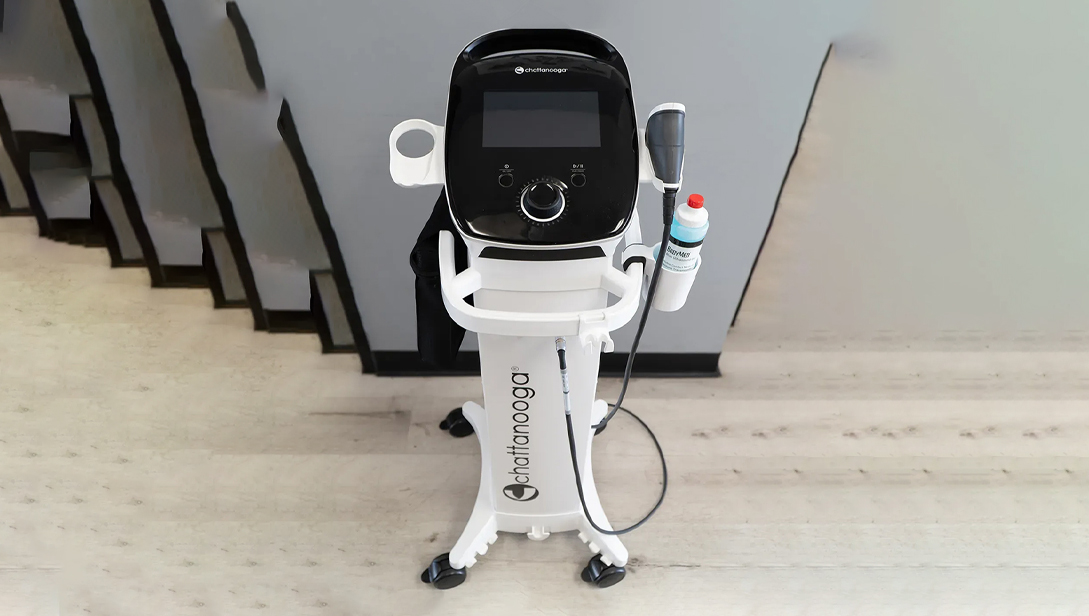
Pain relief and neuromuscular electrical stimulation.
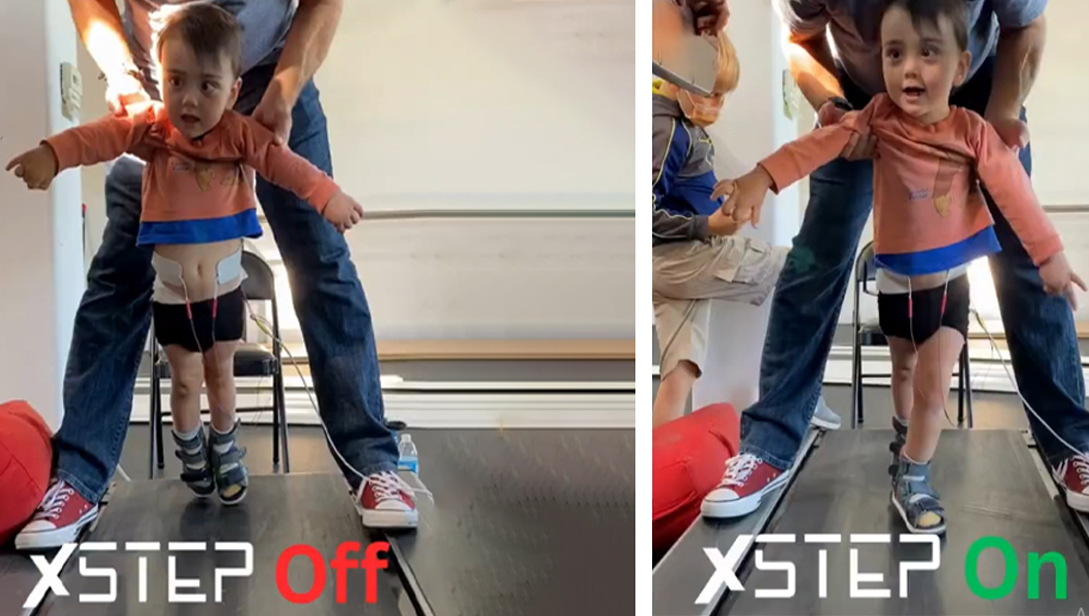
Step is a non-invasive spinal cord stimulation technology that strengthens communication between the brain and spine.
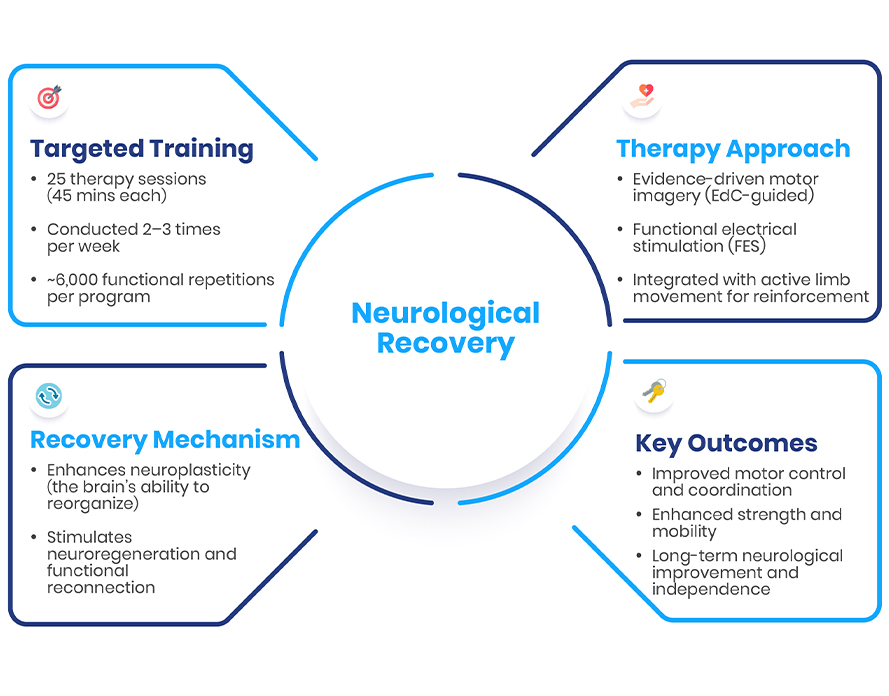
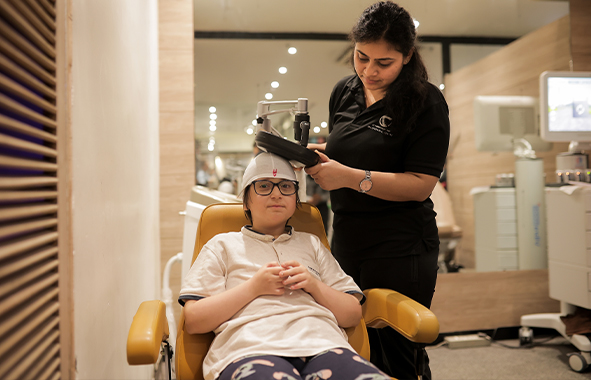
Rehabilitation starts with a comprehensive evaluation of cognitive, motor, sensory, and communicative abilities.
Individualized therapy plans aim to improve flexibility and involvement.
Early therapies focus on enhancing body awareness, basic motor abilities, and sensory control to build a strong foundation for social rehabilitation.
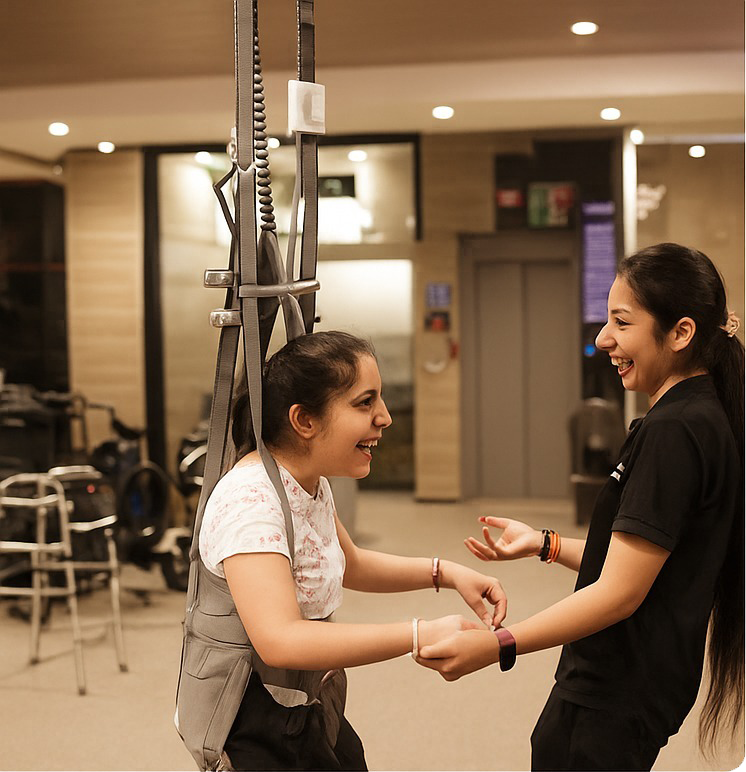
This stage involves systematic training to improve motor coordination, balance, and sensory processing.
Cognitive and communicative activities are encouraged to enhance social skills and reinforce brain connections.
Focus areas include functional movement patterns, emotional control, and independence in everyday tasks.
Restore independence & maintain progress
At this point, the focus is on improving higher cognitive abilities, social communication, and complex motor skills.
Therapy aims to enhance self-reliance, coordination, and practical application of skills.
Objectives include maximizing independence, social engagement, and long-term improvement.
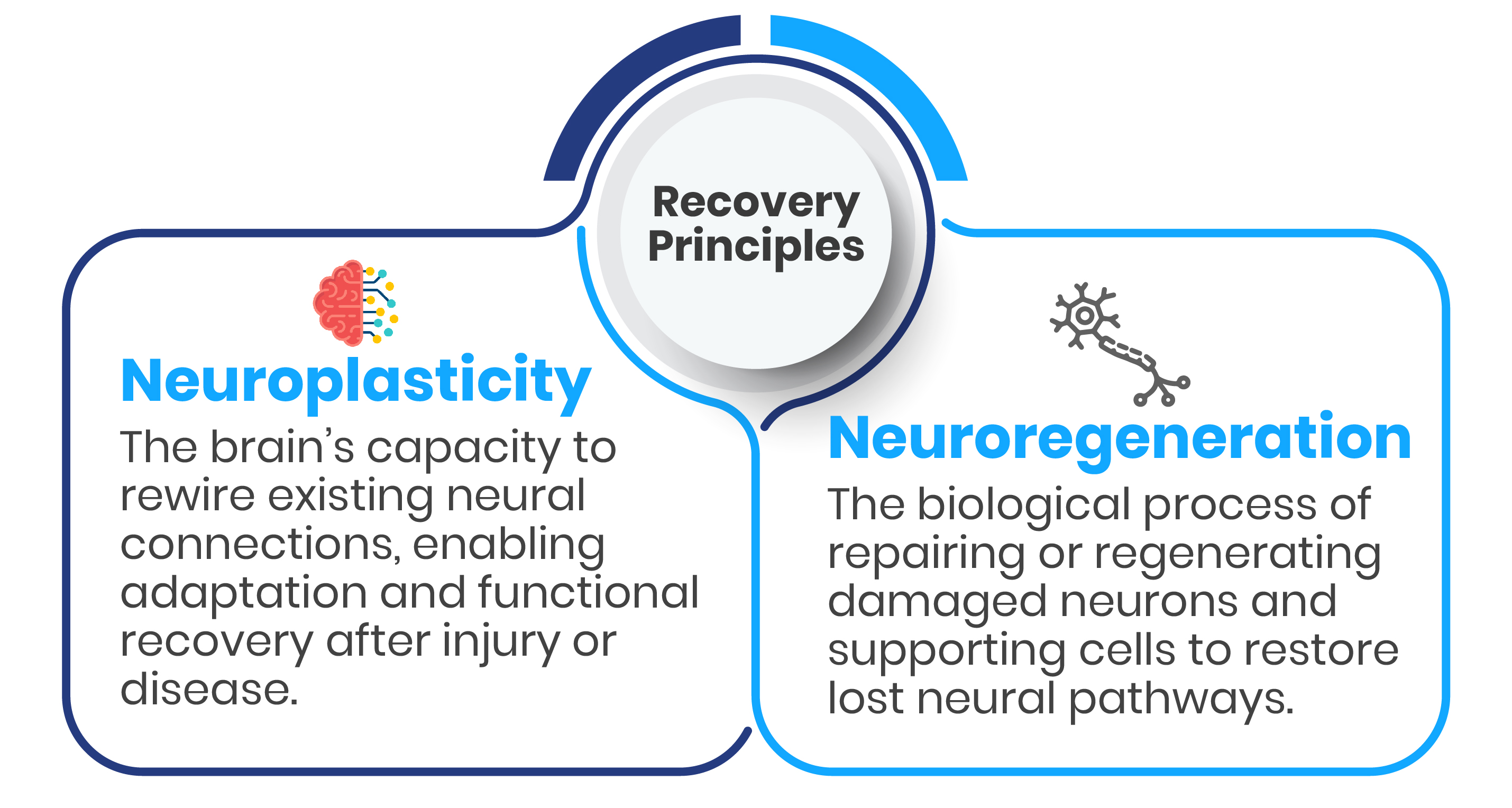
 View
video testimonial
View
video testimonial
 View
video testimonial
View
video testimonial
 View
video testimonial
View
video testimonial
 View
video testimonial
View
video testimonial
 New
Delhi: +91 9035030623
New
Delhi: +91 9035030623
 Hyderabad: +91 9035030623
 Bengaluru: +91 9035030623
 Malaysia: +606 235 4000
 Muscat:
+968 22 496007
Muscat:
+968 22 496007

 Causes, Symptoms, And Treatment In Hyderabad.jpg)








.webp)