

Have questions or interested in our premium window solutions? Reach out to us—we're here to help!
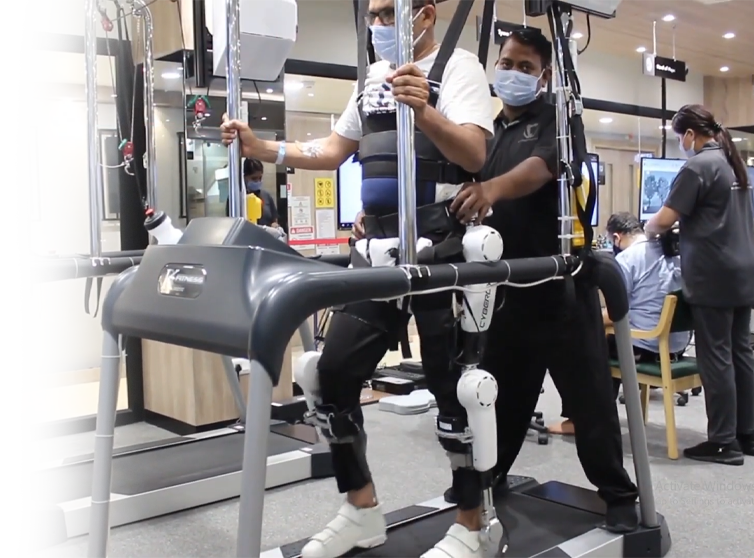

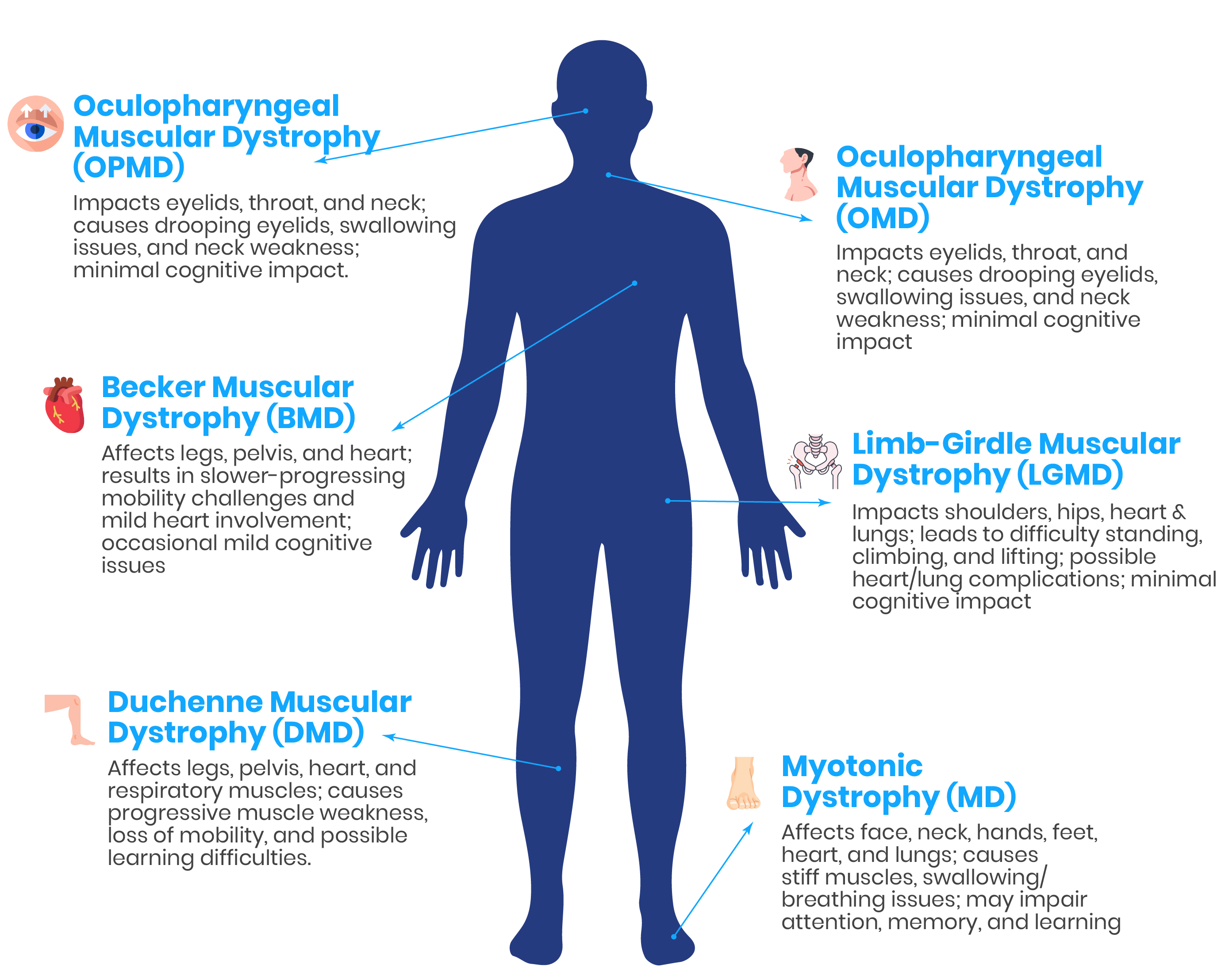
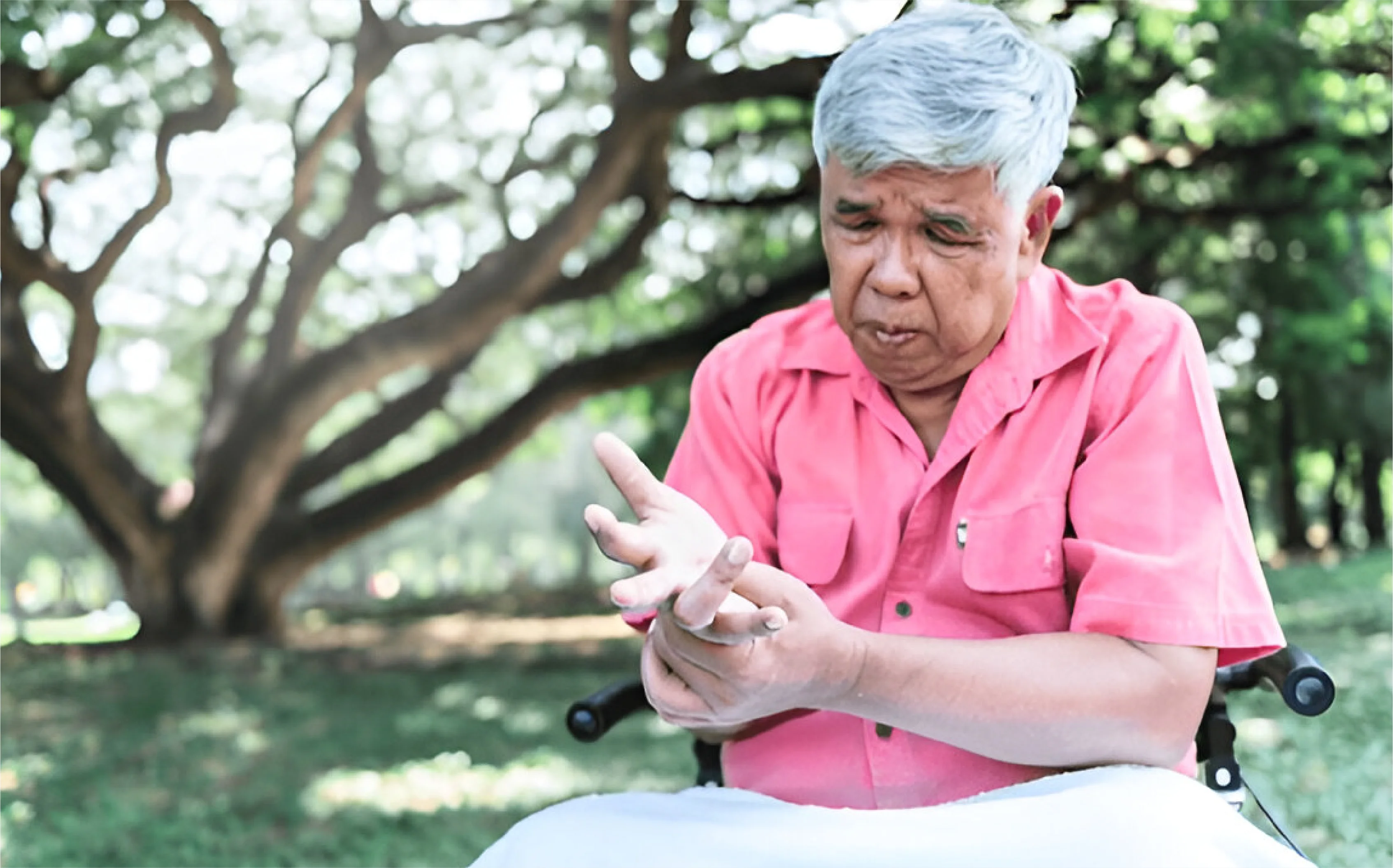
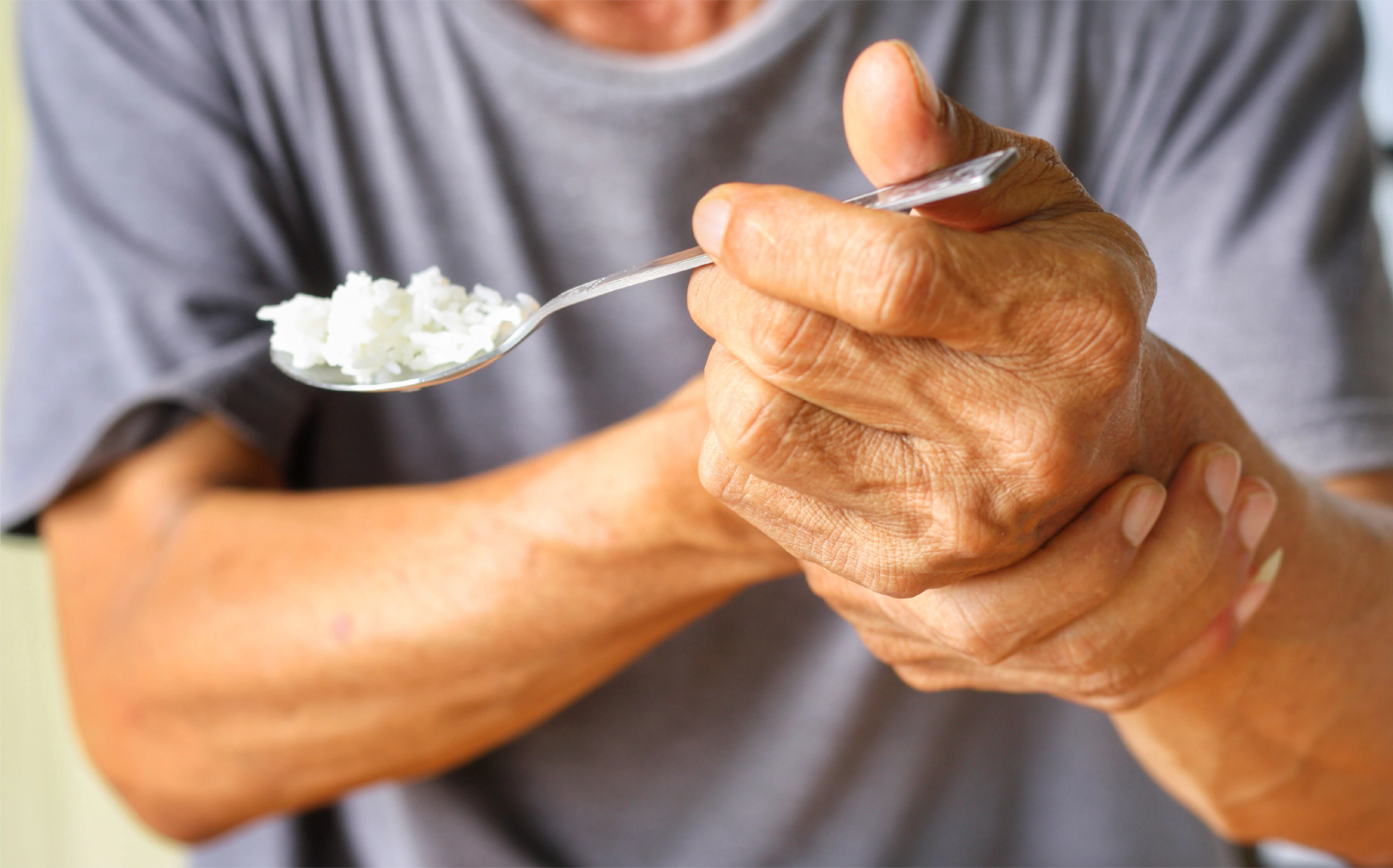
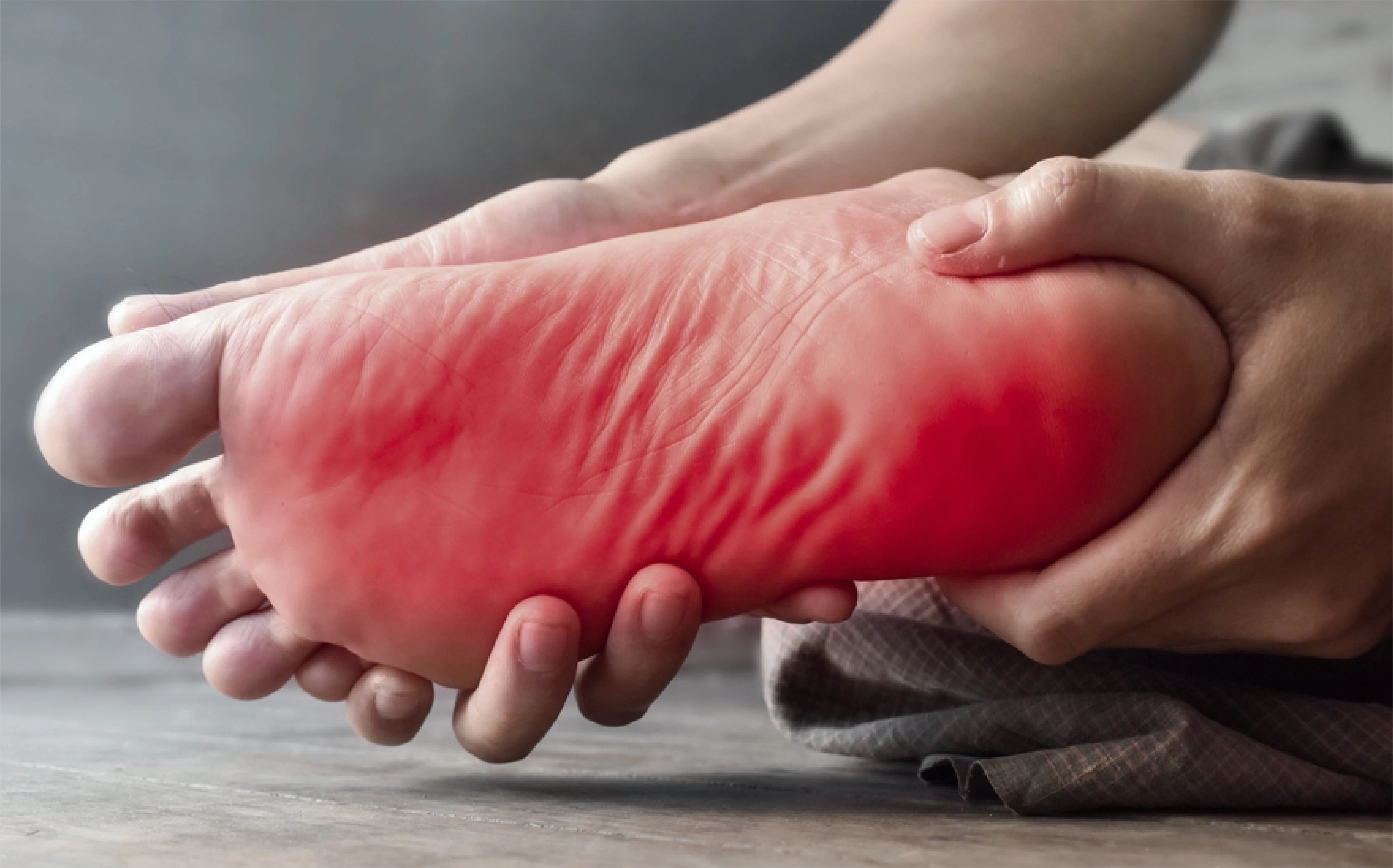
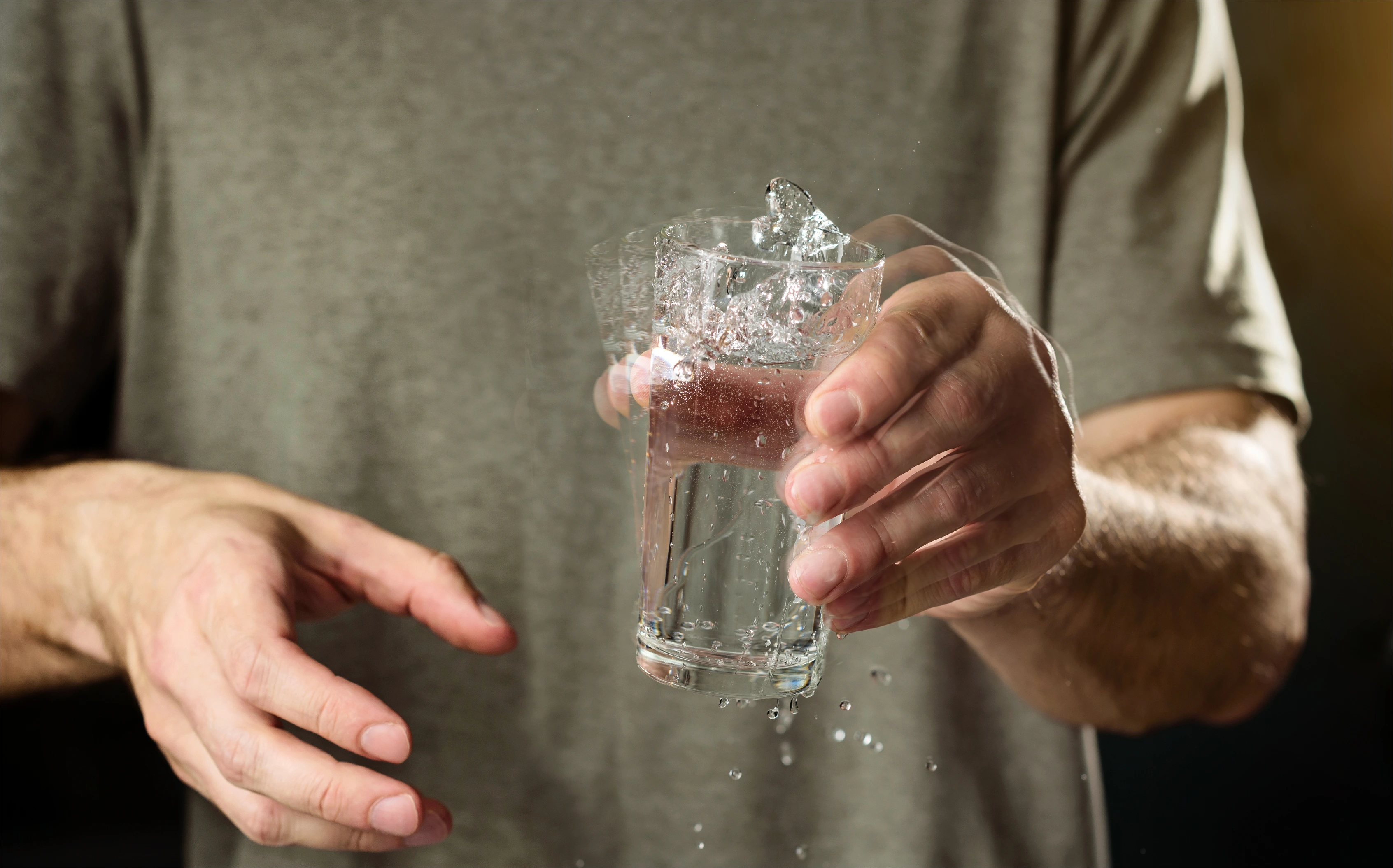
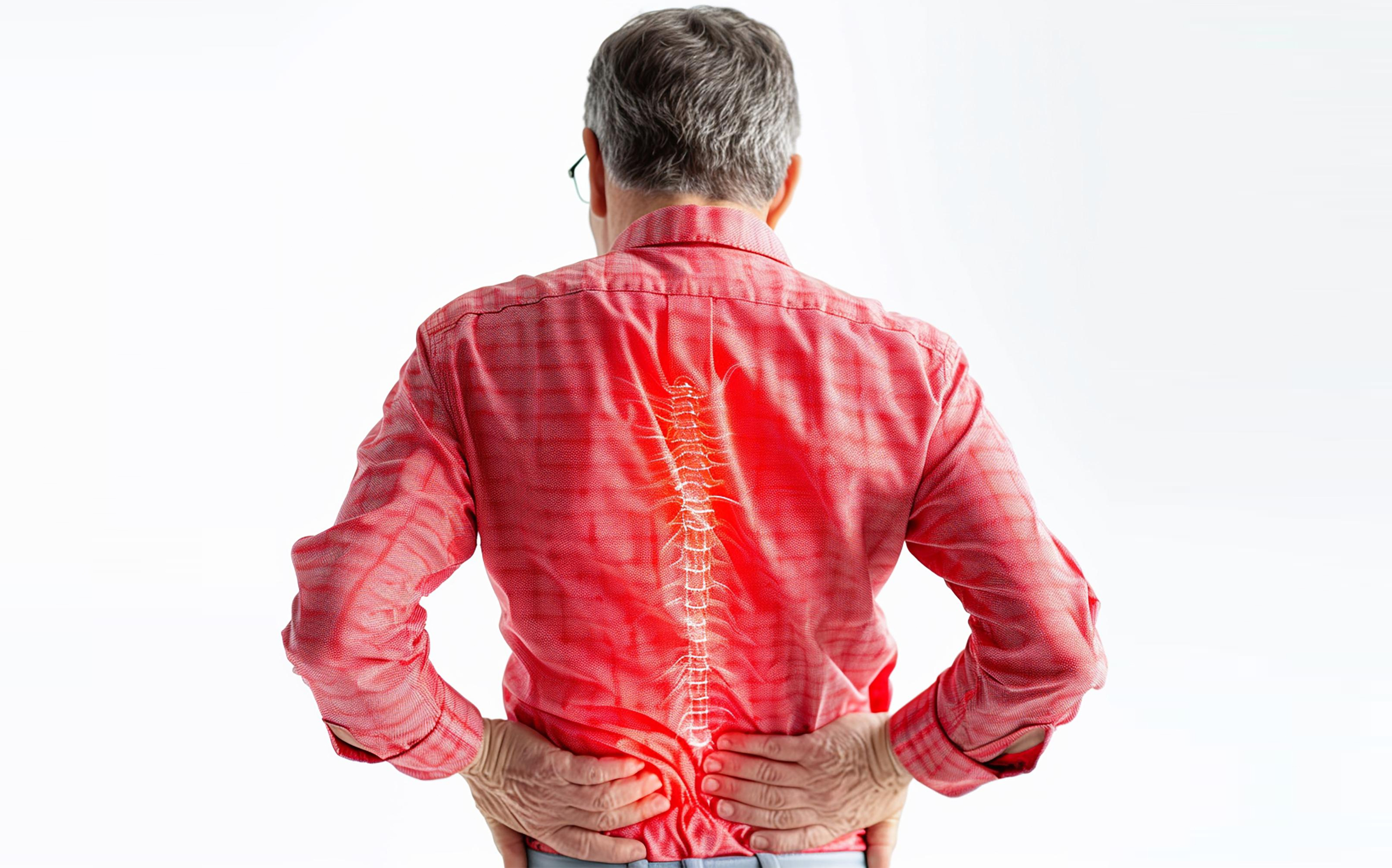
Progressive muscle weakening brought on by muscular dystrophy makes it challenging to walk, move objects, or carry out regular tasks. It can eventually impair breathing, heart function, and overall movement, usually necessitating long-term care or assistive technology.
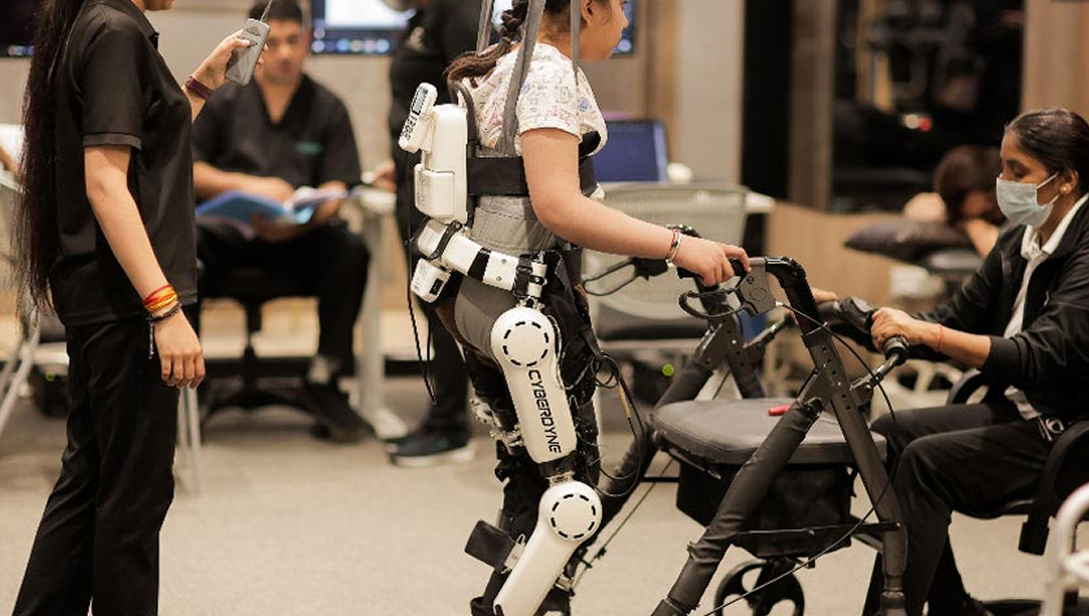
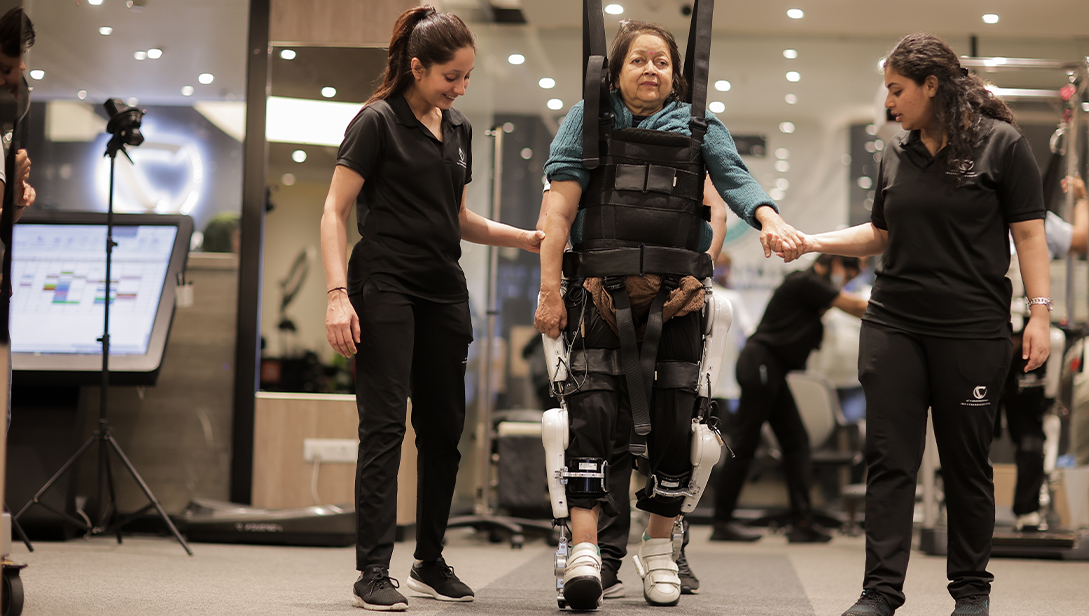
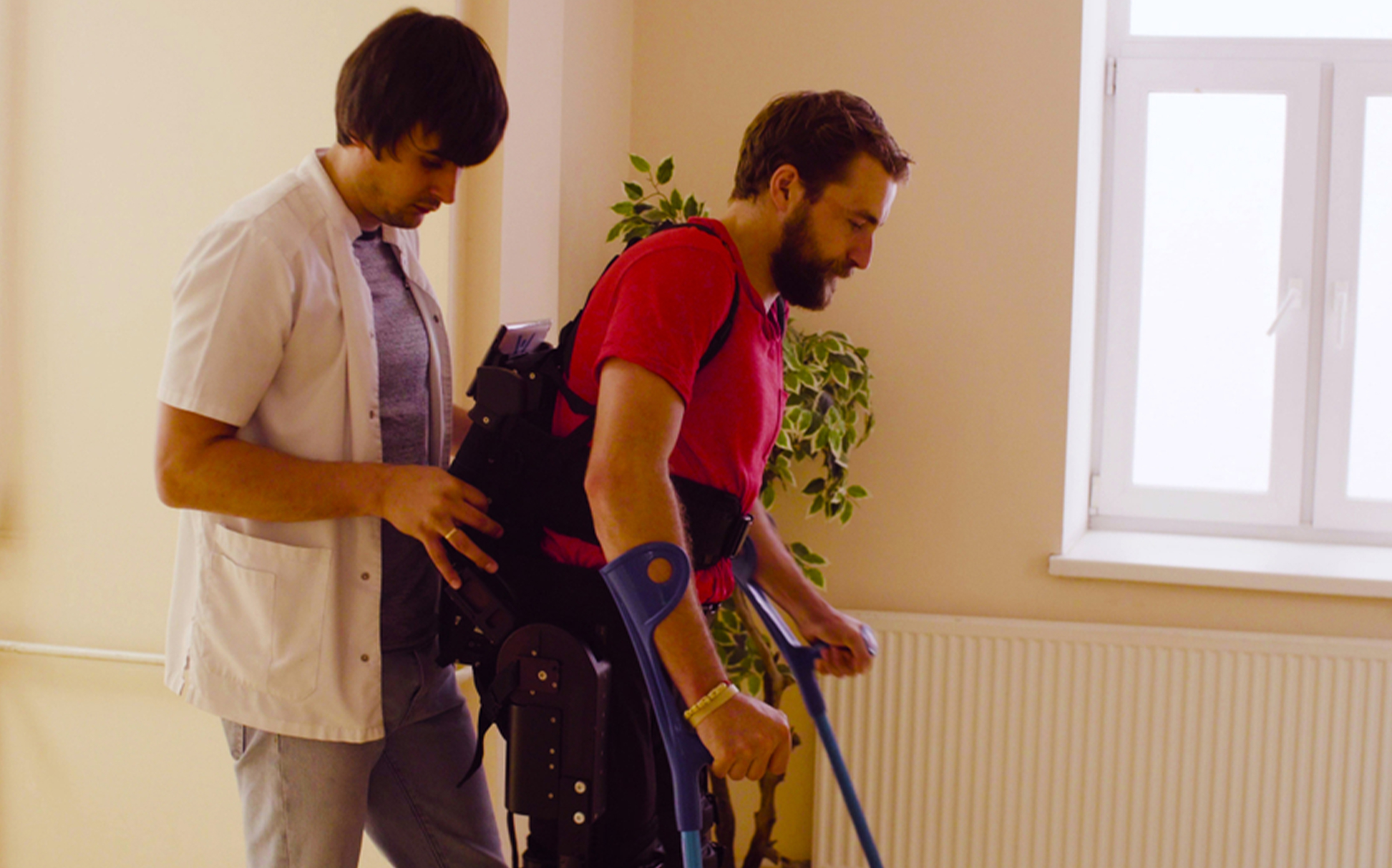
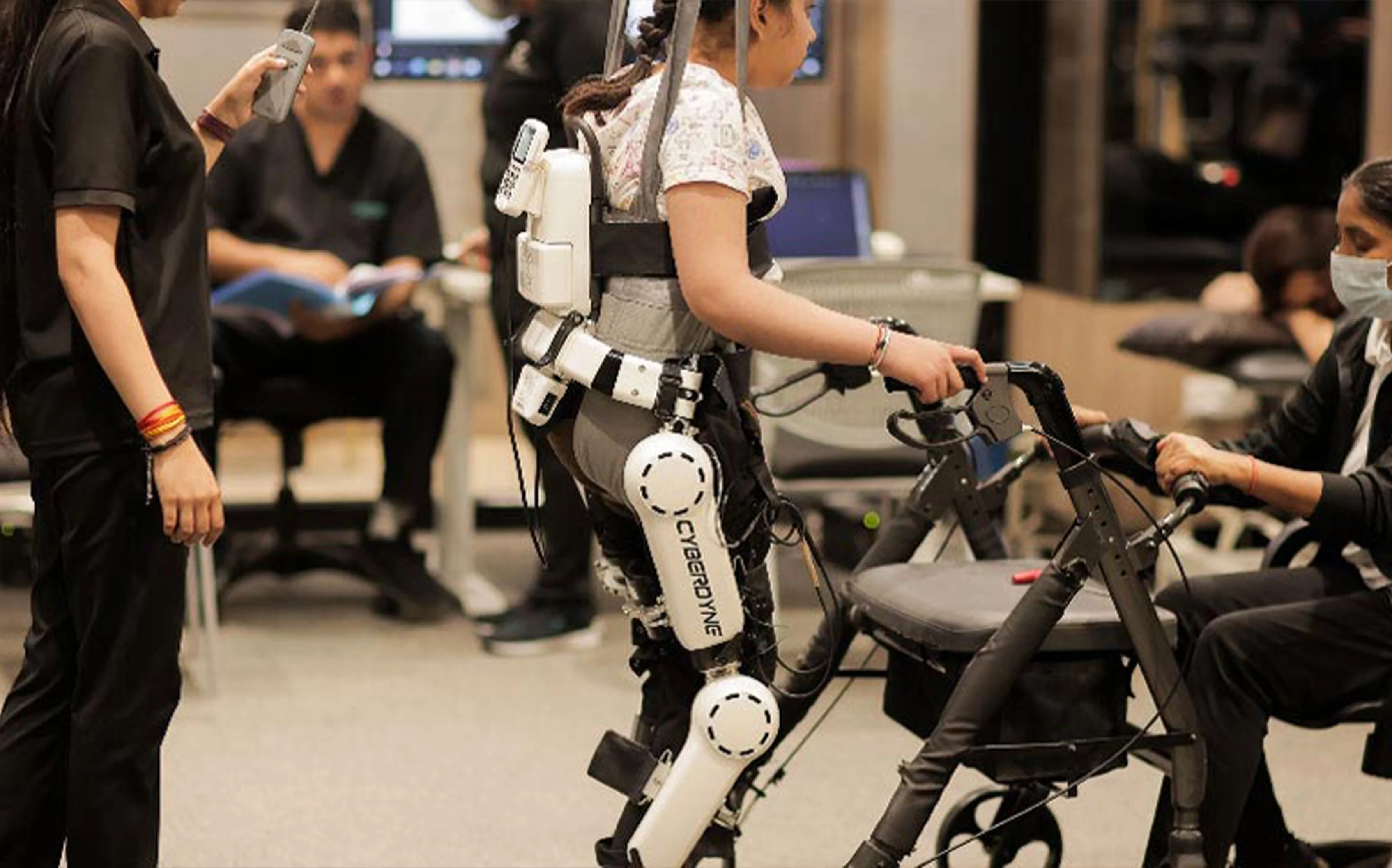
It supports and enhances human mobility and strength. It uses special technology to pick up muscle signals from the wearer and boost their strength and movement.
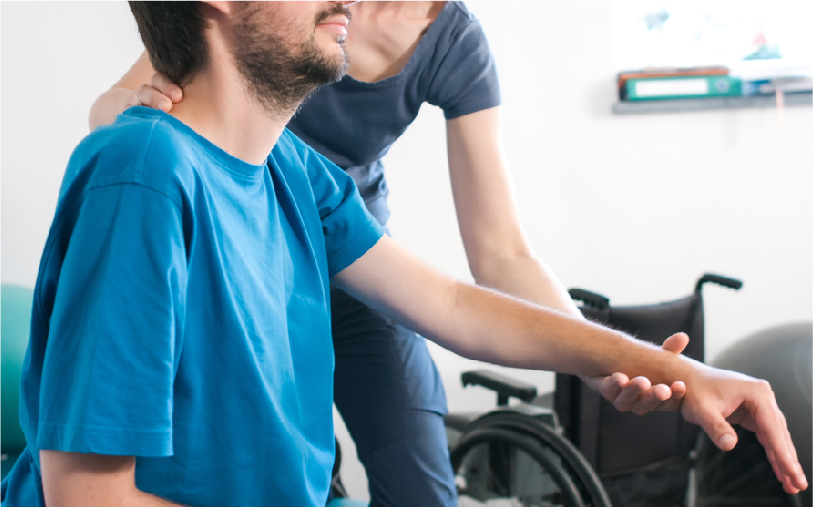
Trunk control and sitting balance training.
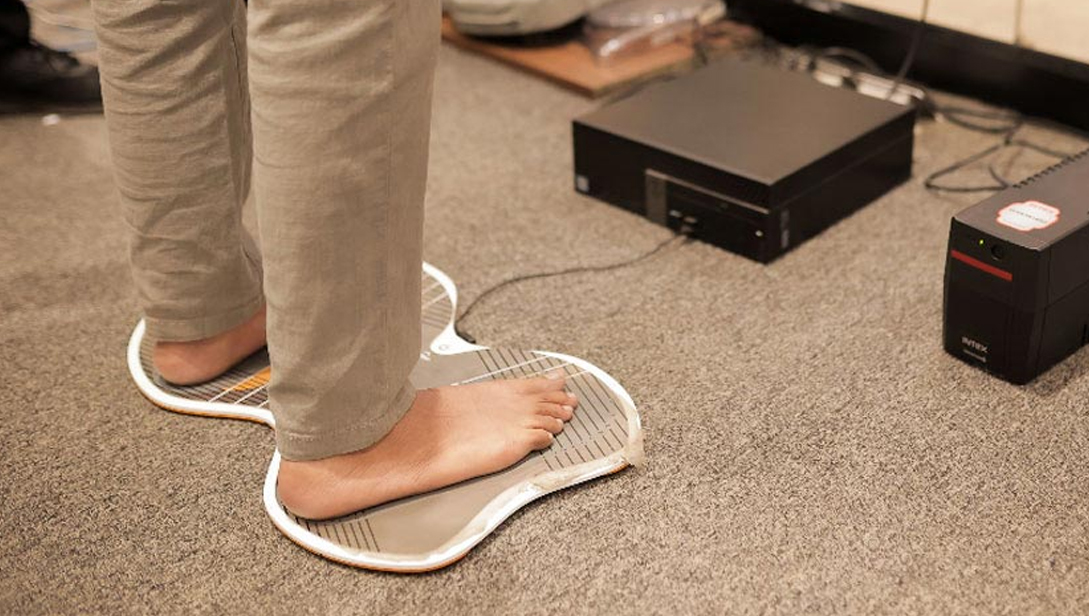
It is a versatile rehabilitation platform that focuses on balance and coordination training. Its interactive system provides real-time feedback, allowing therapists to design customised exercises.
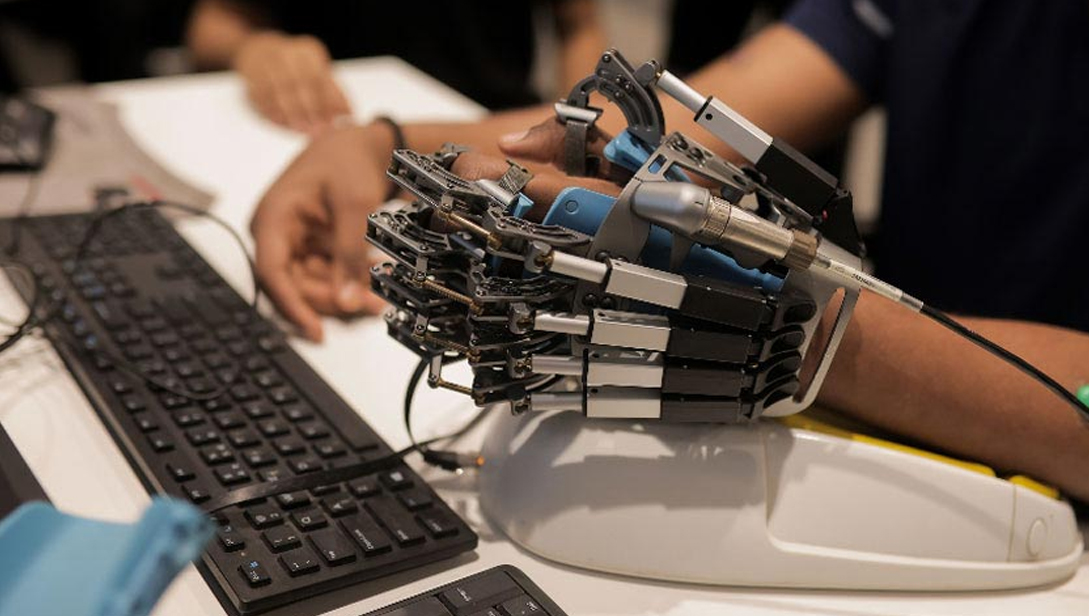
It uses sensors to detect muscle signals and assists patients in opening and closing their hands. This helps in strengthening muscles and improving coordination.
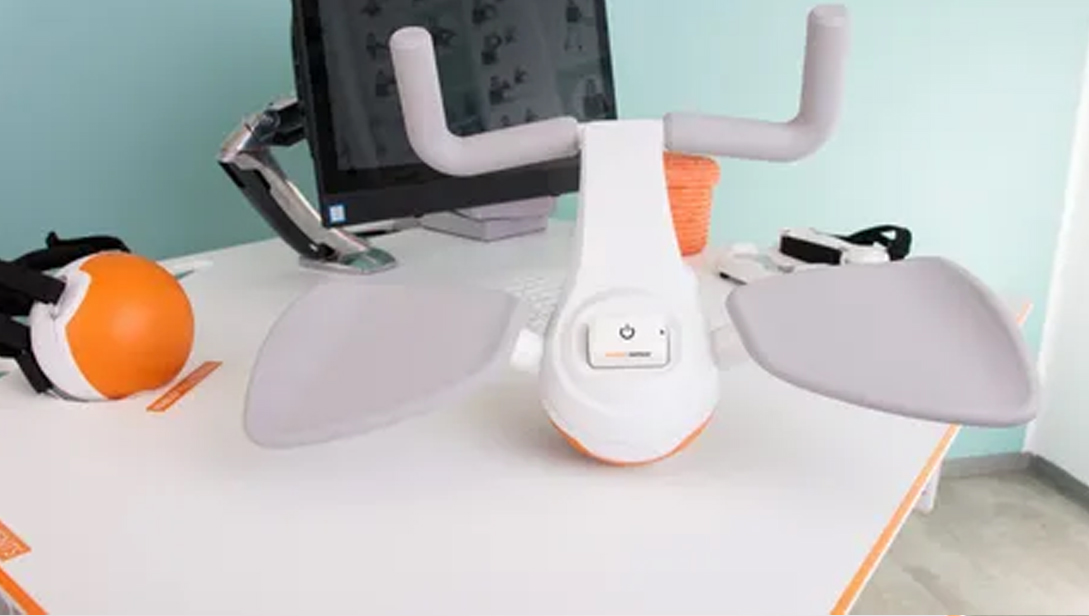
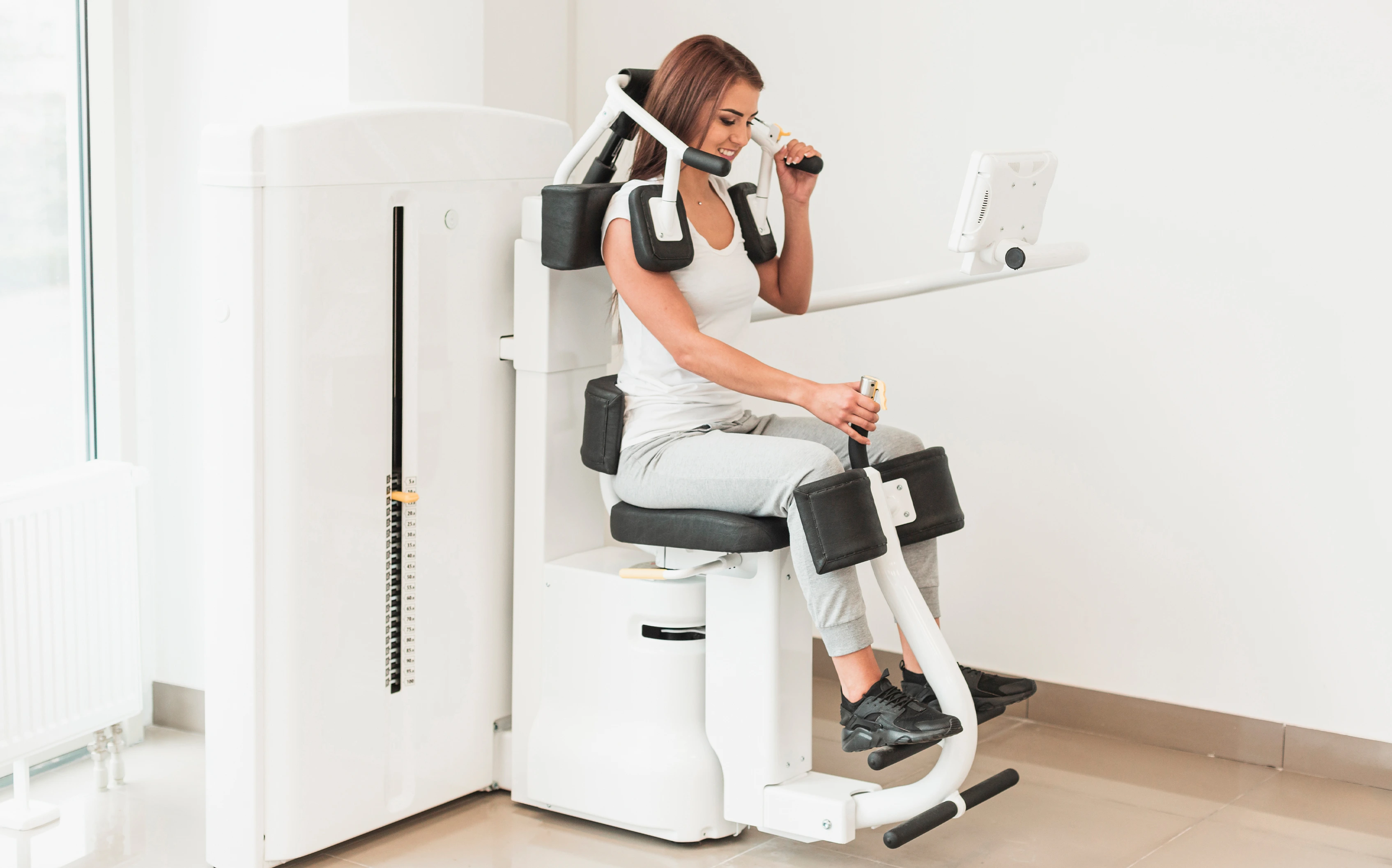
It is a comprehensive tool for rehabilitation, combining sensors and software to assess and train various motor functions.
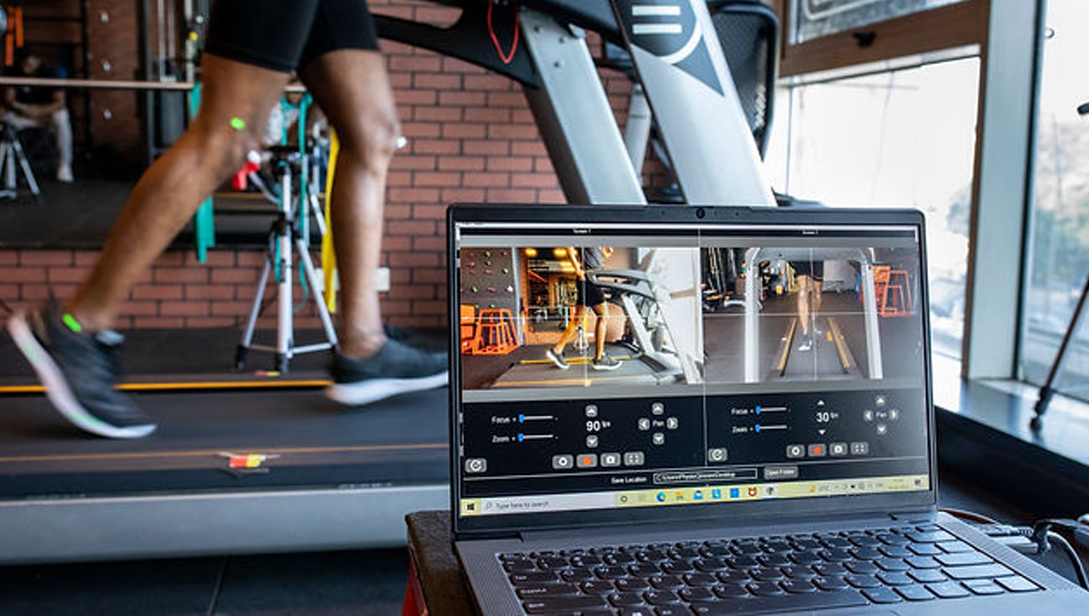
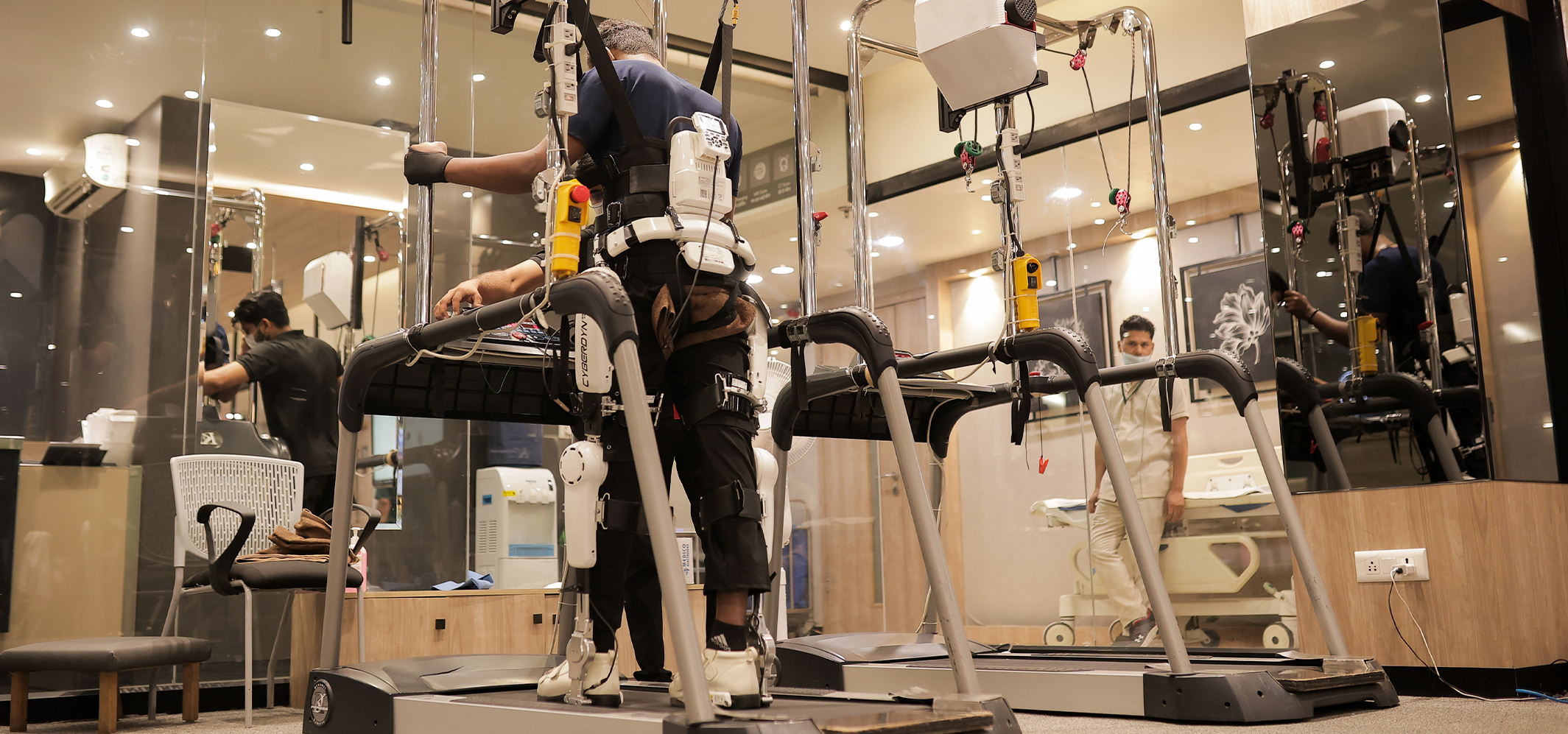
It includes advanced sensors and analysis software to assess and enhance walking patterns. By providing detailed biomechanical data, it helps in designing customized rehabilitation programs.
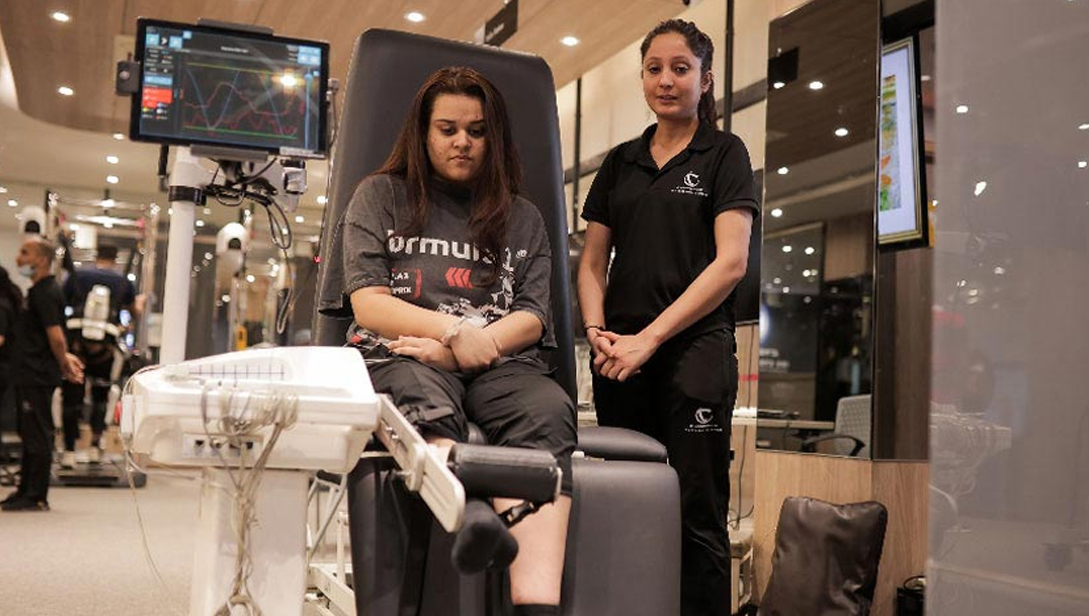
It provides detailed assessments of muscle and nerve function through electromyography (EMG).
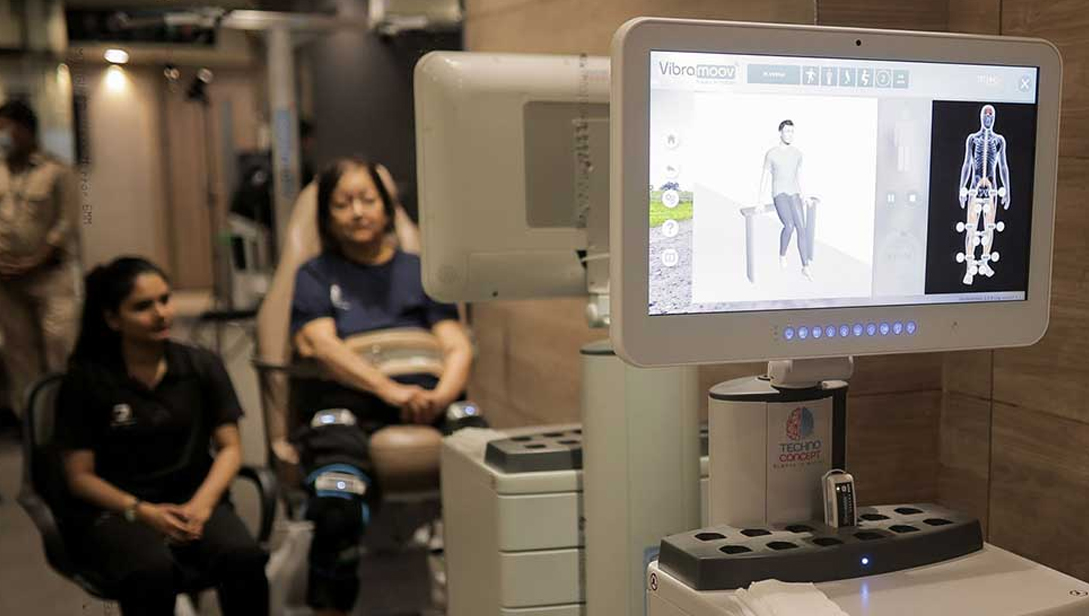
It involves functional stimulation to mimic natural movement patterns to enhance mobility and independence.
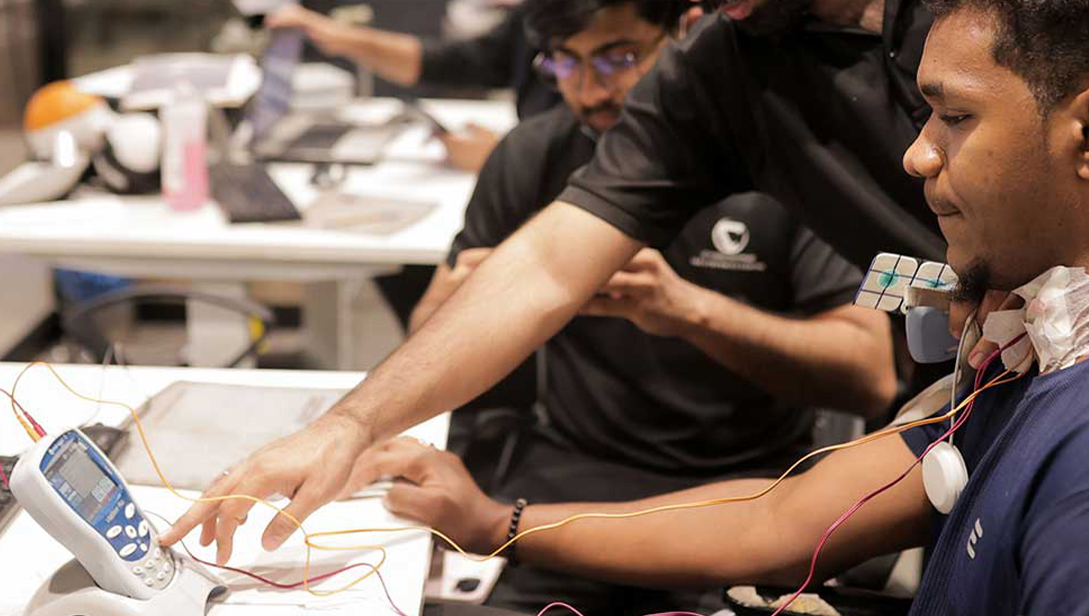
It is a specialized treatment for dysphagia, or swallowing difficulties, combining electrical stimulation with swallowing exercises.
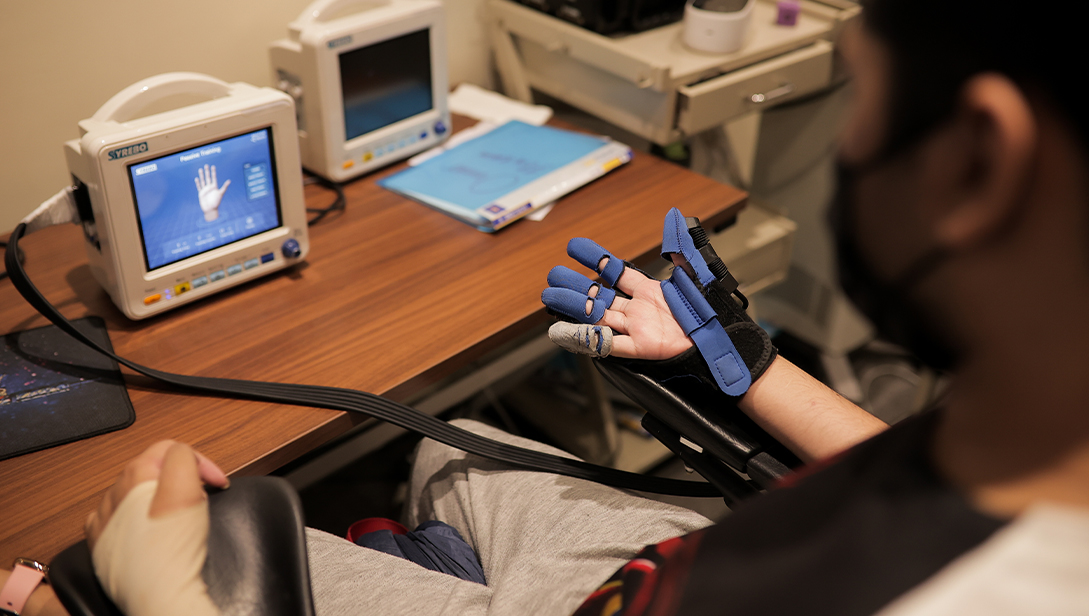
Hand function training.
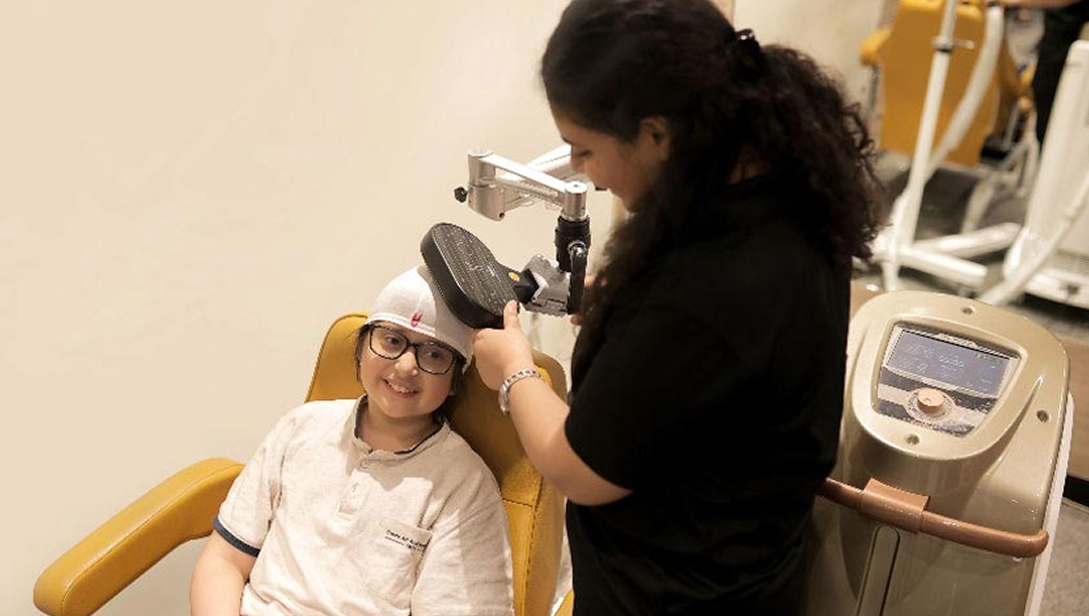
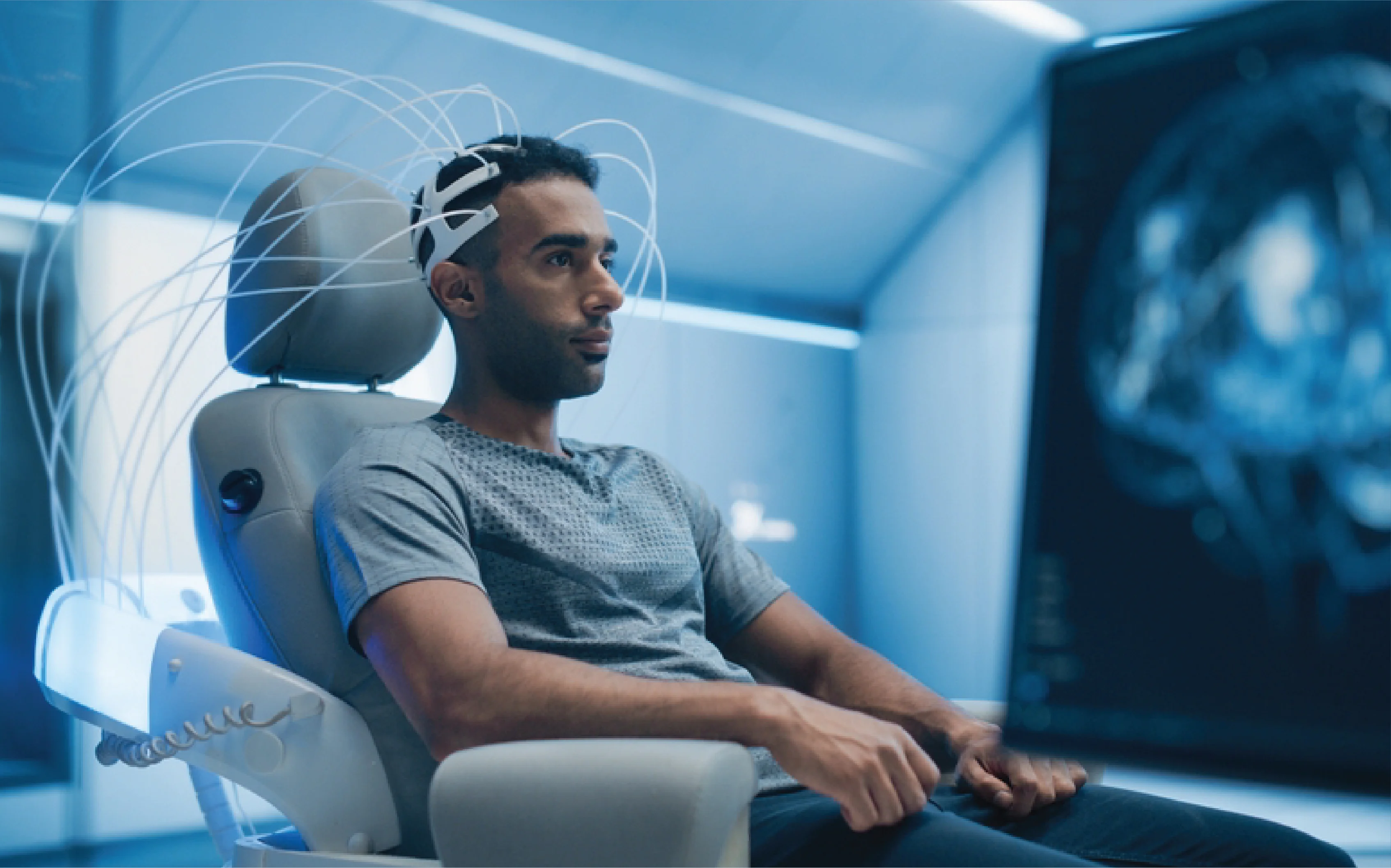
Precise brain stimulation using network mapping.
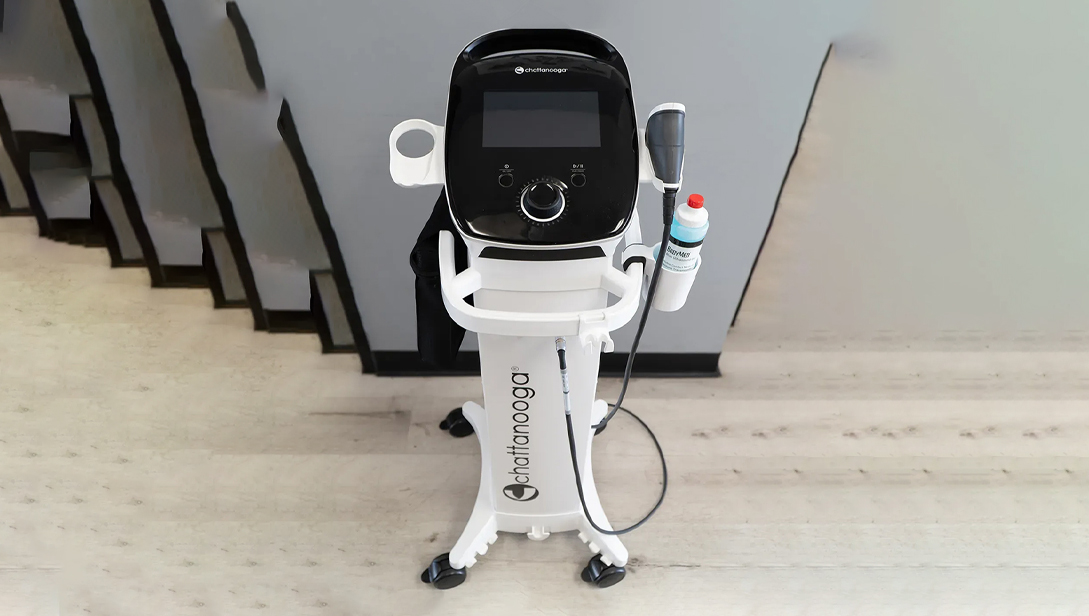
Pain relief and neuromuscular electrical stimulation.
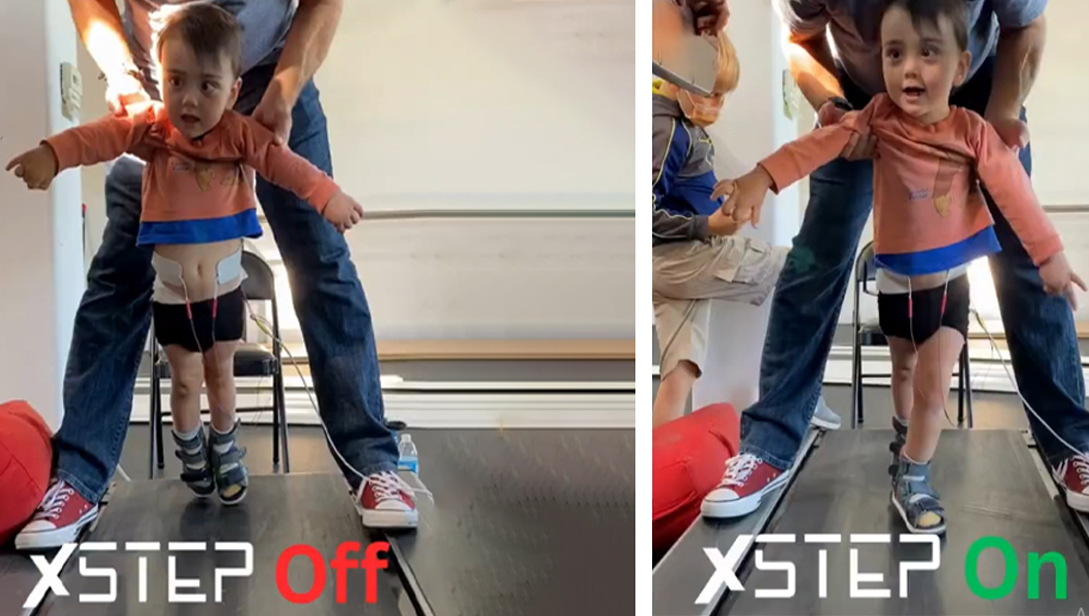
Step is a non-invasive spinal cord stimulation technology that strengthens communication between the brain and spine.
.jpg)
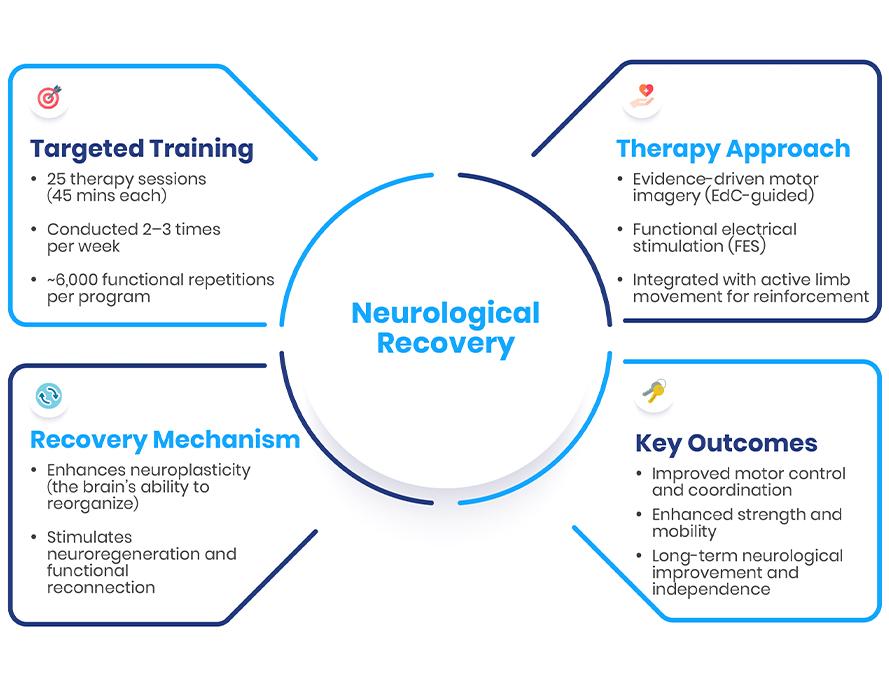
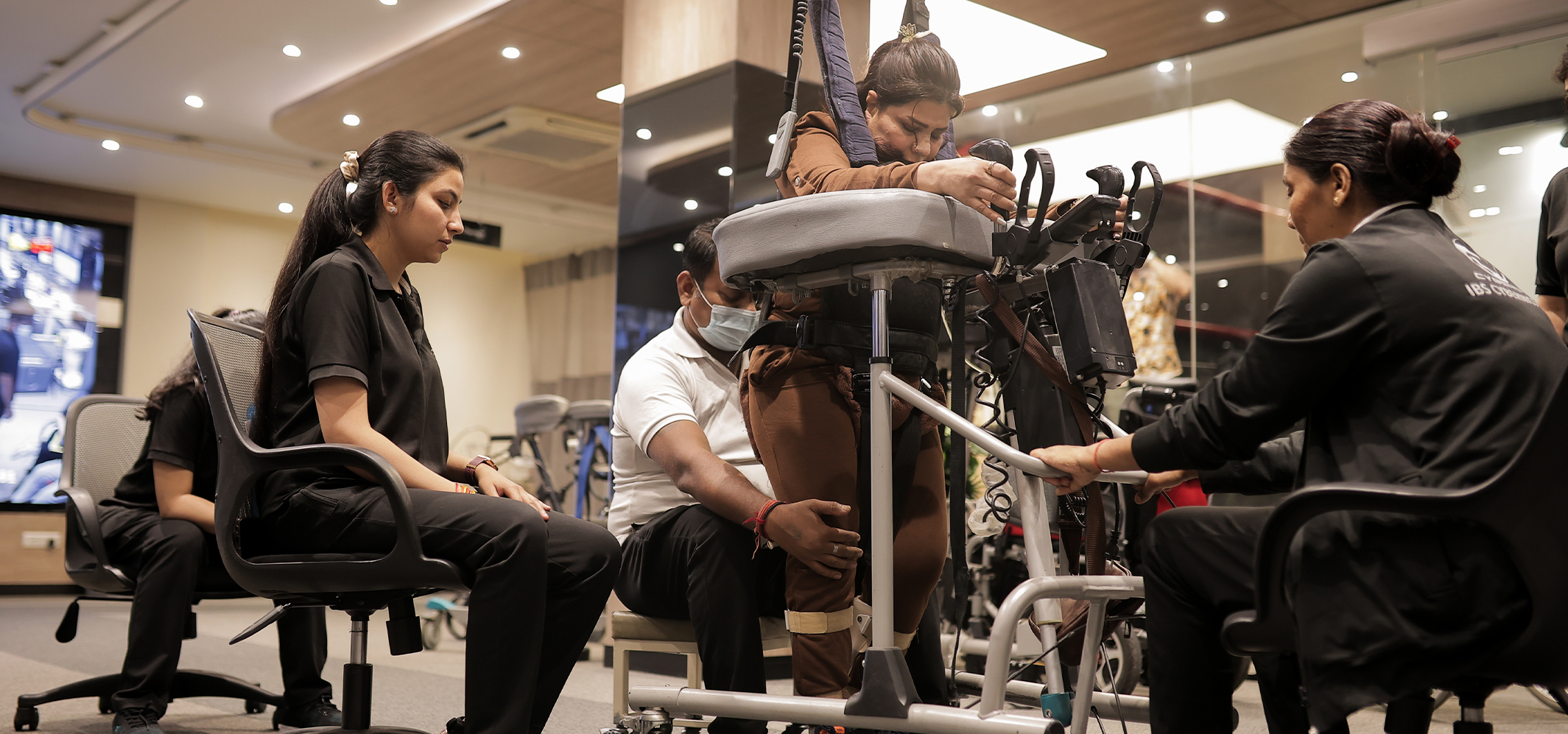
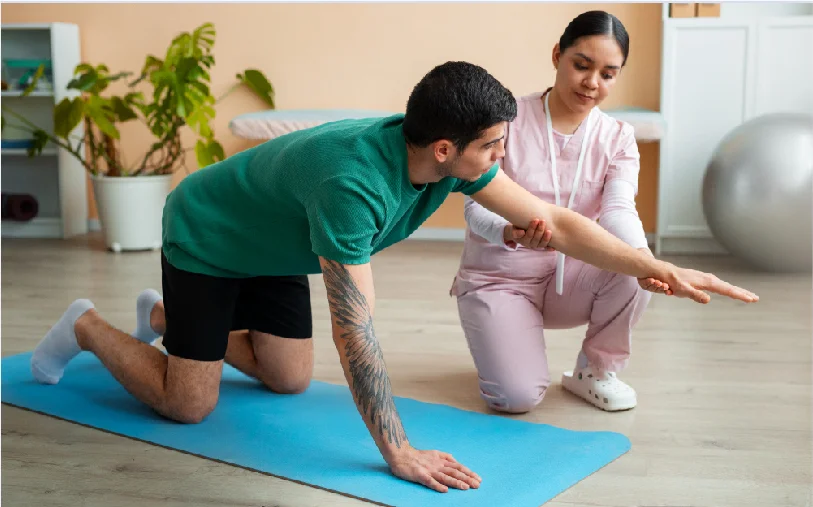
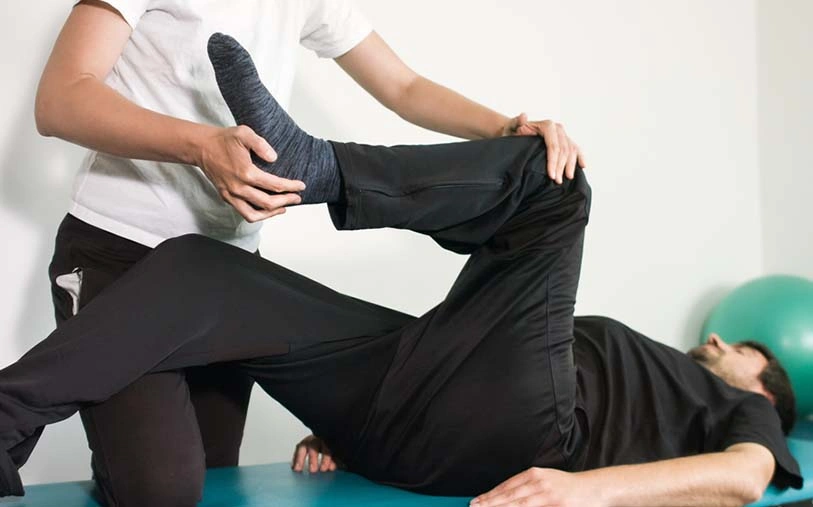
This neurorehabilitation stage focuses on enhancing joint mobility, minimizing spasms, and stimulating weak muscles through guided movement training.
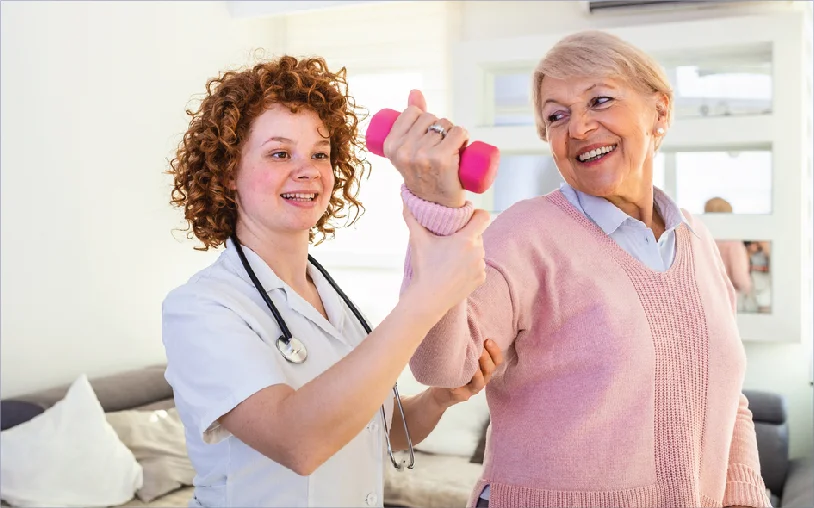
Patients receive movement rehabilitation to optimize function and learn about joint protection, posture, and assisted mobility.
The main objectives are to improve posture, strengthen weak muscles, and improve gait.
This phase fosters independence in daily activities, enhances respiratory function, and includes training for adaptive strategies to preserve mobility.
The goal is to effectively manage pain and prevent further muscle degeneration while preserving muscular function.
Continual therapy ensures maintained mobility and minimized complication risk.
Focus is on maintaining overall quality of life through lifestyle modifications and psychological assistance.
 View
video testimonial
View
video testimonial
 View
video testimonial
View
video testimonial
 View
video testimonial
View
video testimonial
 View
video testimonial
View
video testimonial
 New
Delhi: +91 9035030623
New
Delhi: +91 9035030623
 Hyderabad: +91 9035030623
 Bengaluru: +91 9035030623
 Malaysia: +606 235 4000
 Muscat:
+968 22 496007
Muscat:
+968 22 496007
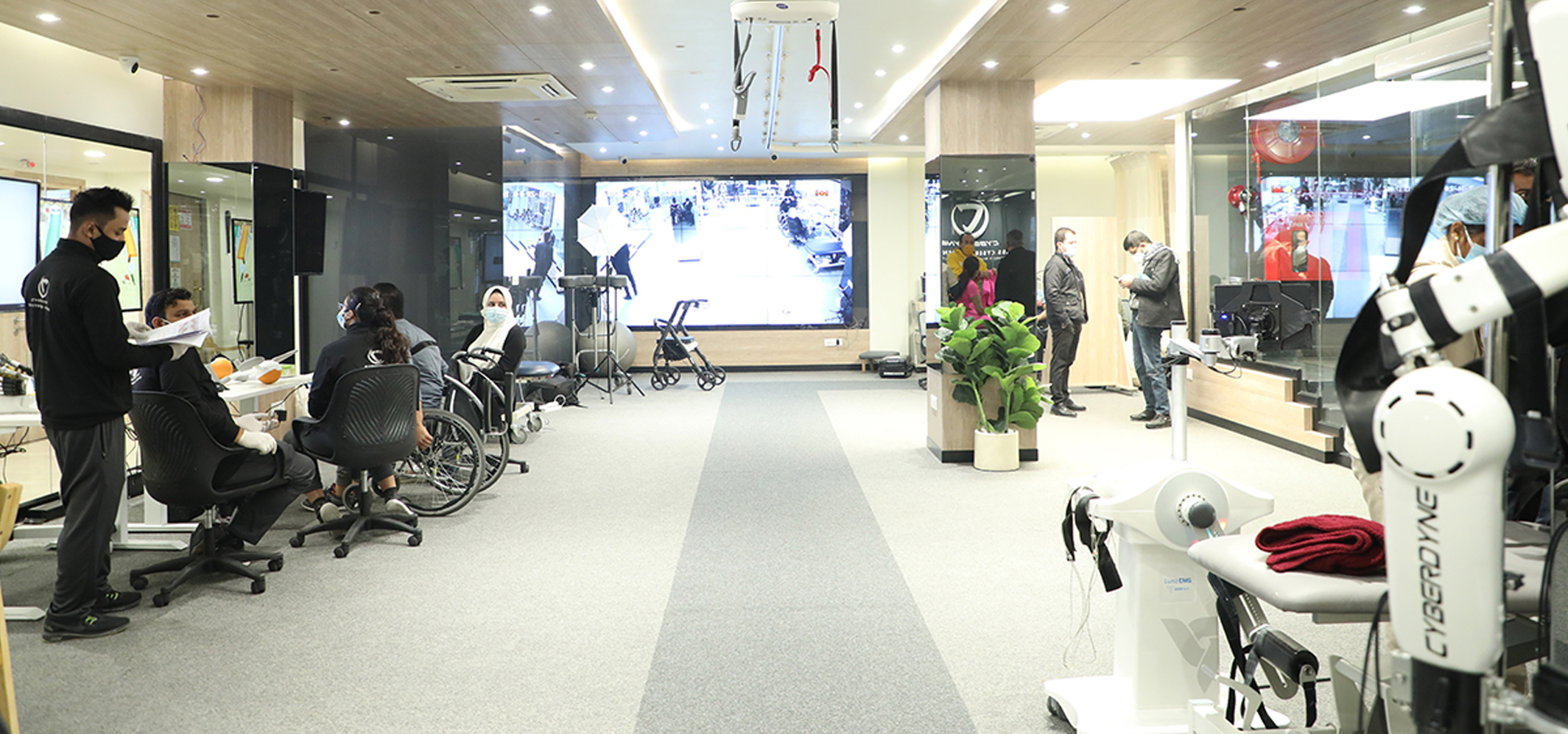
Walk Again is growing its reach throughout Southeast Asia, bringing advanced neuro-recovery services to more patients. Also opened in Oman.
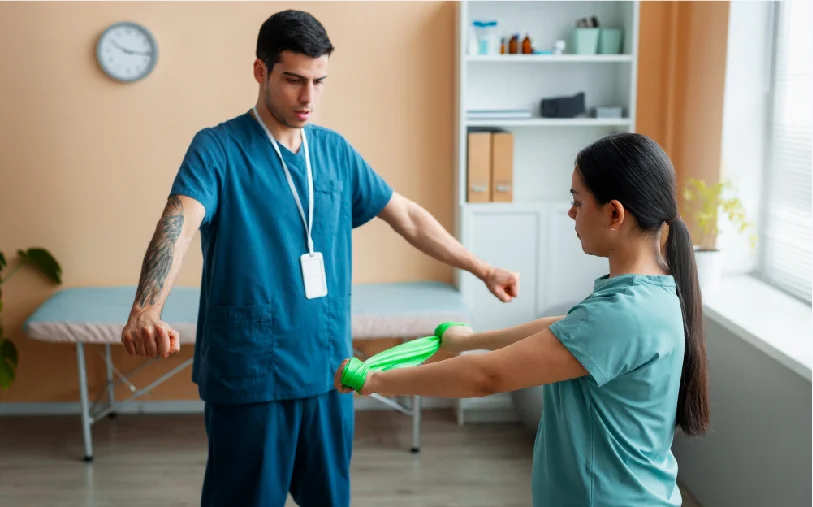
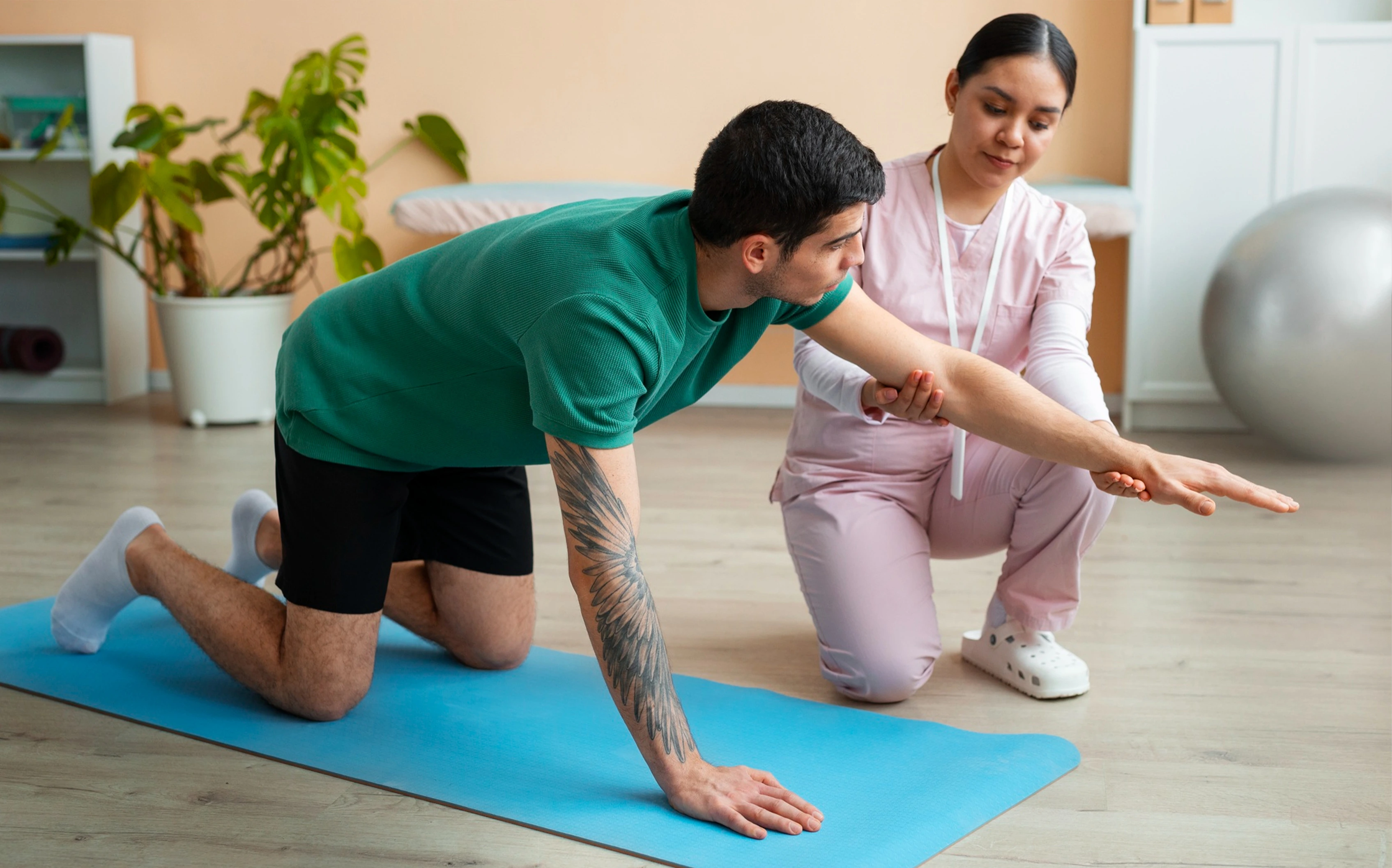
Contact UsIndeed, physical treatment can help with limb-girdle, Becker, and Duchenne MDs, among others. Depending on the nature and severity of the ailment, the strategy is adjusted.
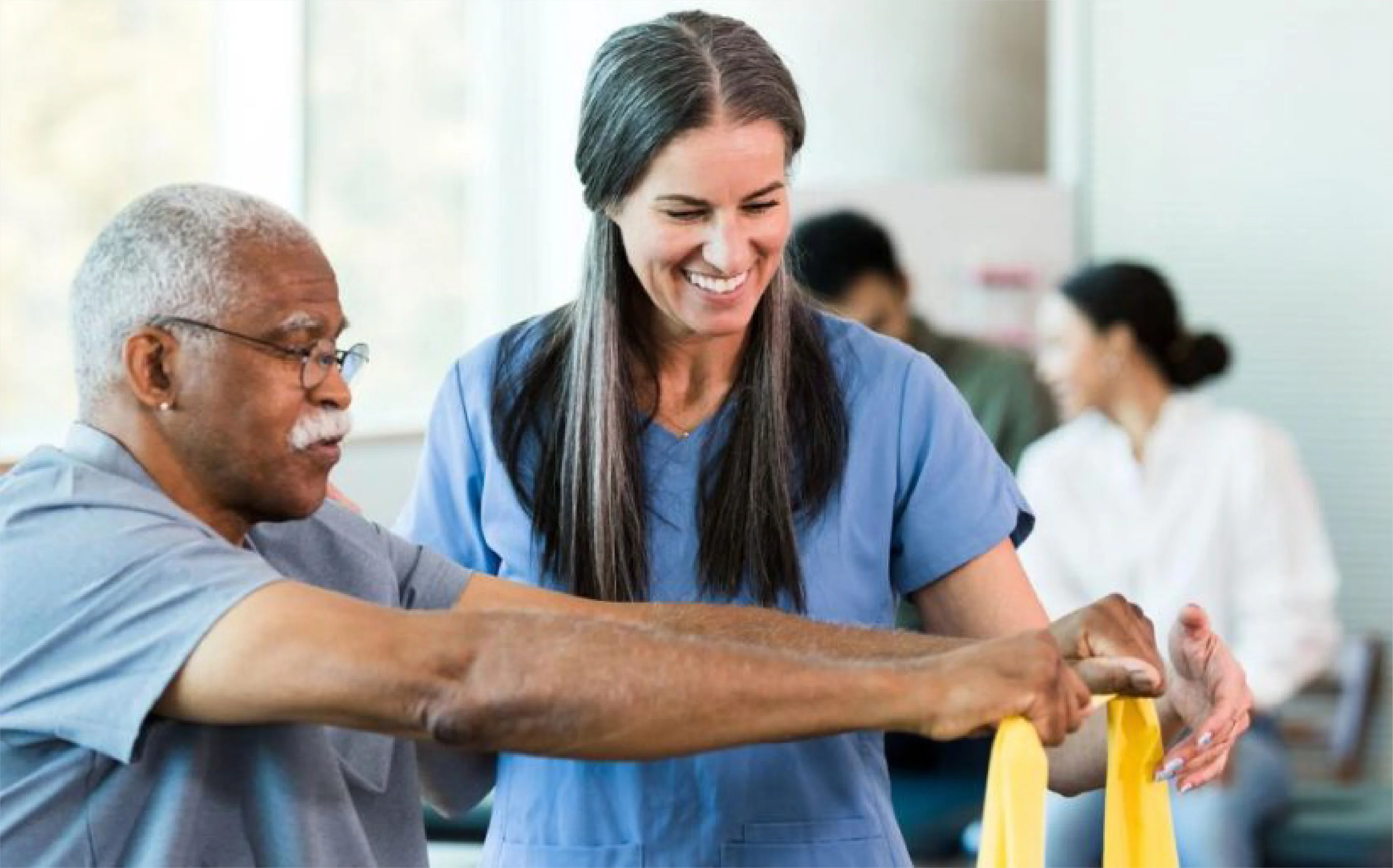
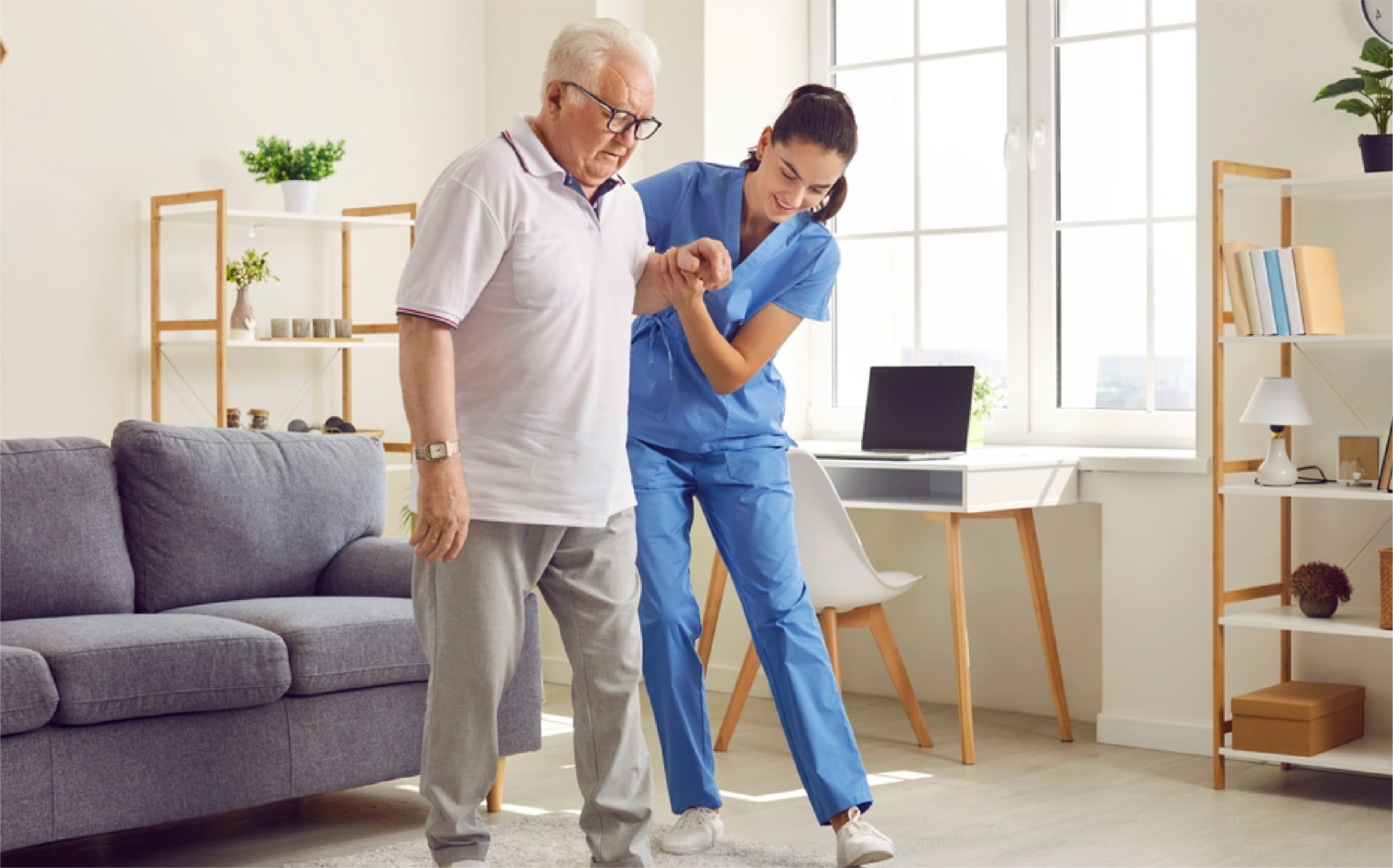
While it cannot cure the disease, Physical Therapy can slow the progression of symptoms, promote independence, while enhancing overall quality of life.
Yes, it is not only safe but also crucial. Pediatric physical therapists establish age-appropriate, low-impact programs that maintain muscular function while preventing abnormalities.
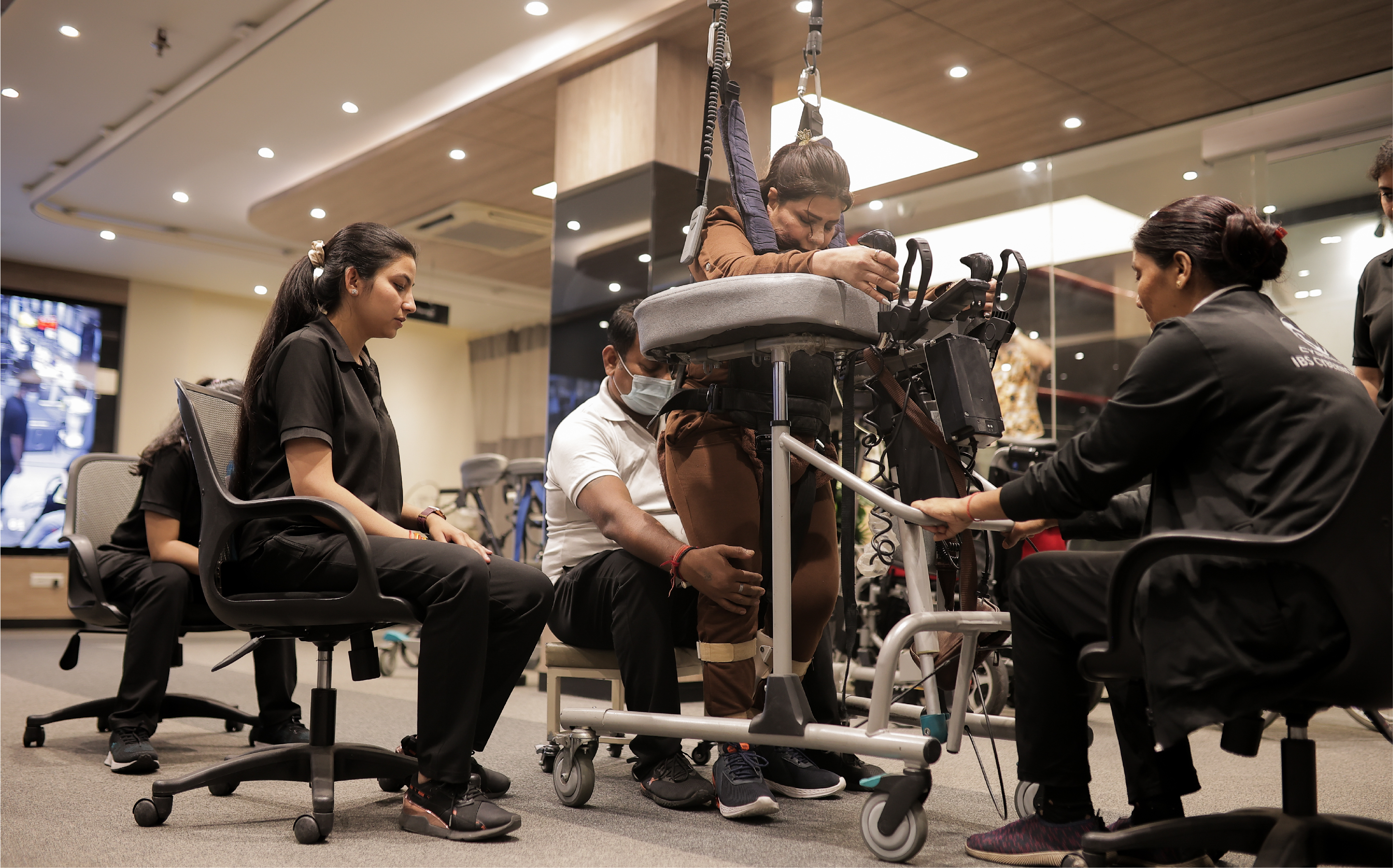
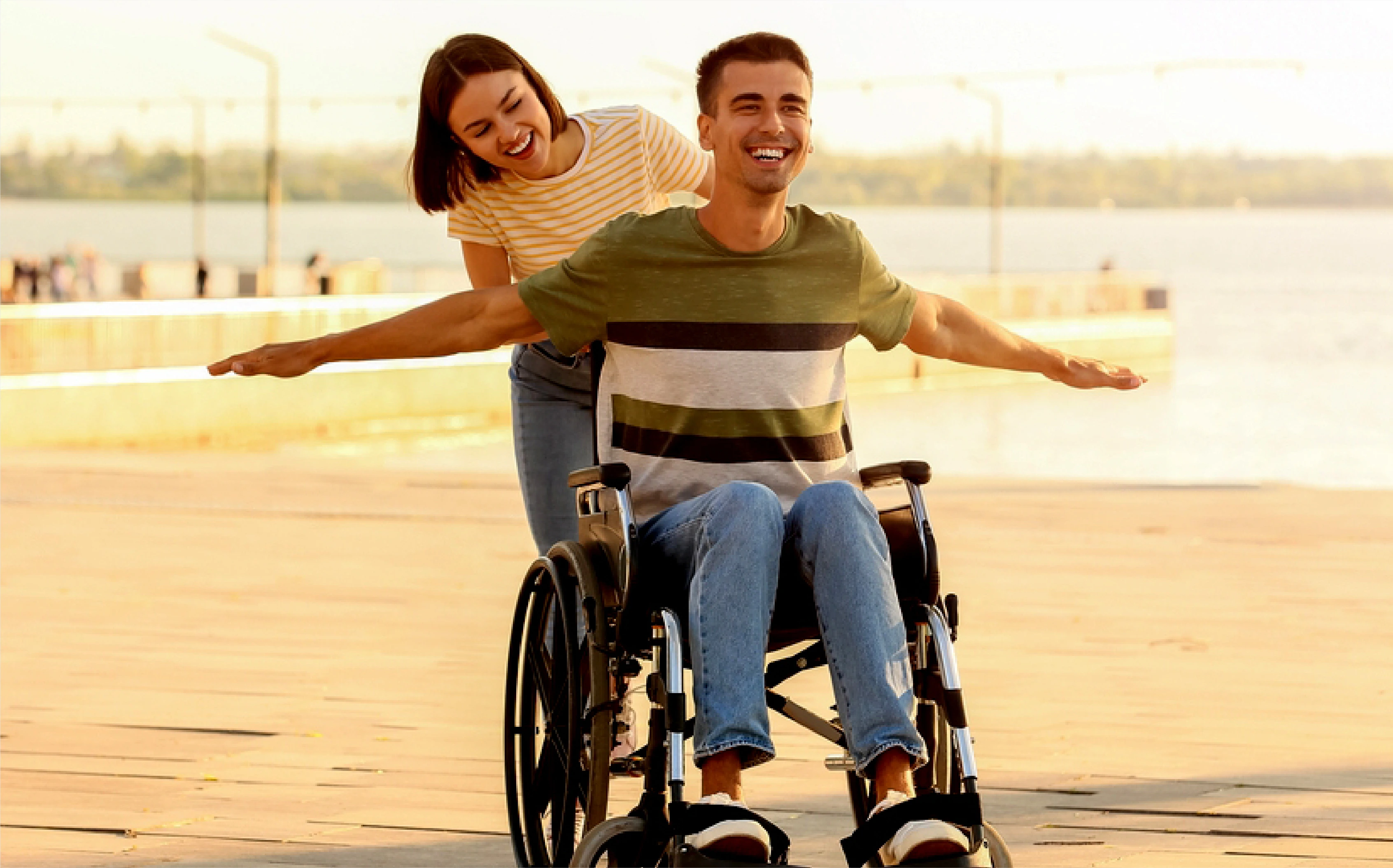
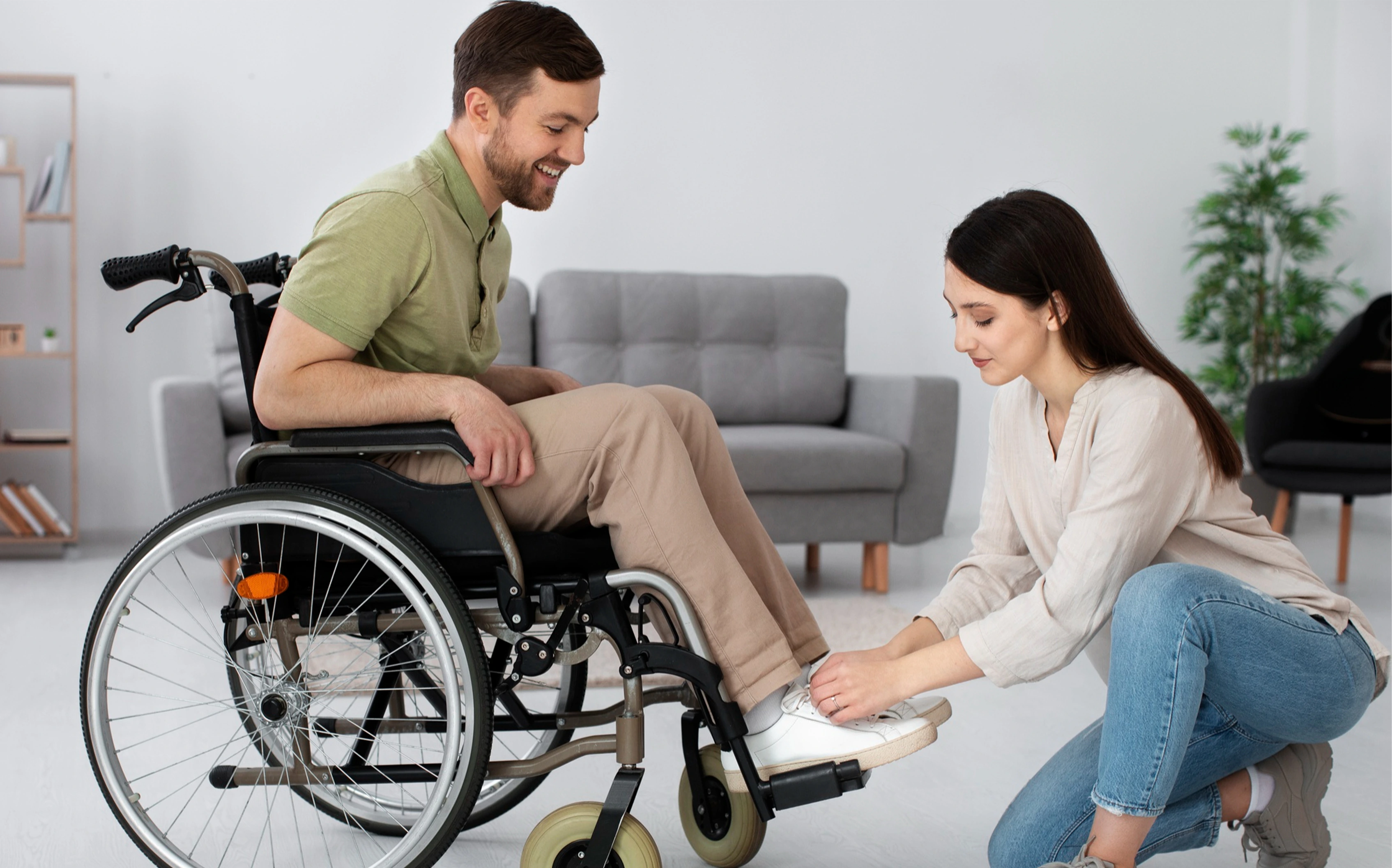
In order to maintain posture and movement as the disorder worsens, therapists may suggest standing frames, wheelchairs, or braces.
In later phases, breathing issues might be helped by activities that promote chest expansion and respiratory treatment.
You can consult neurologists or neuromuscular specialists who can refer you to physical therapists experienced in treating MD. Facilities like Walk Again specialize in therapy for neuromuscular problems.

.webp)