

Have questions or interested in our premium window solutions? Reach out to us—we're here to help!
-Desk.png)

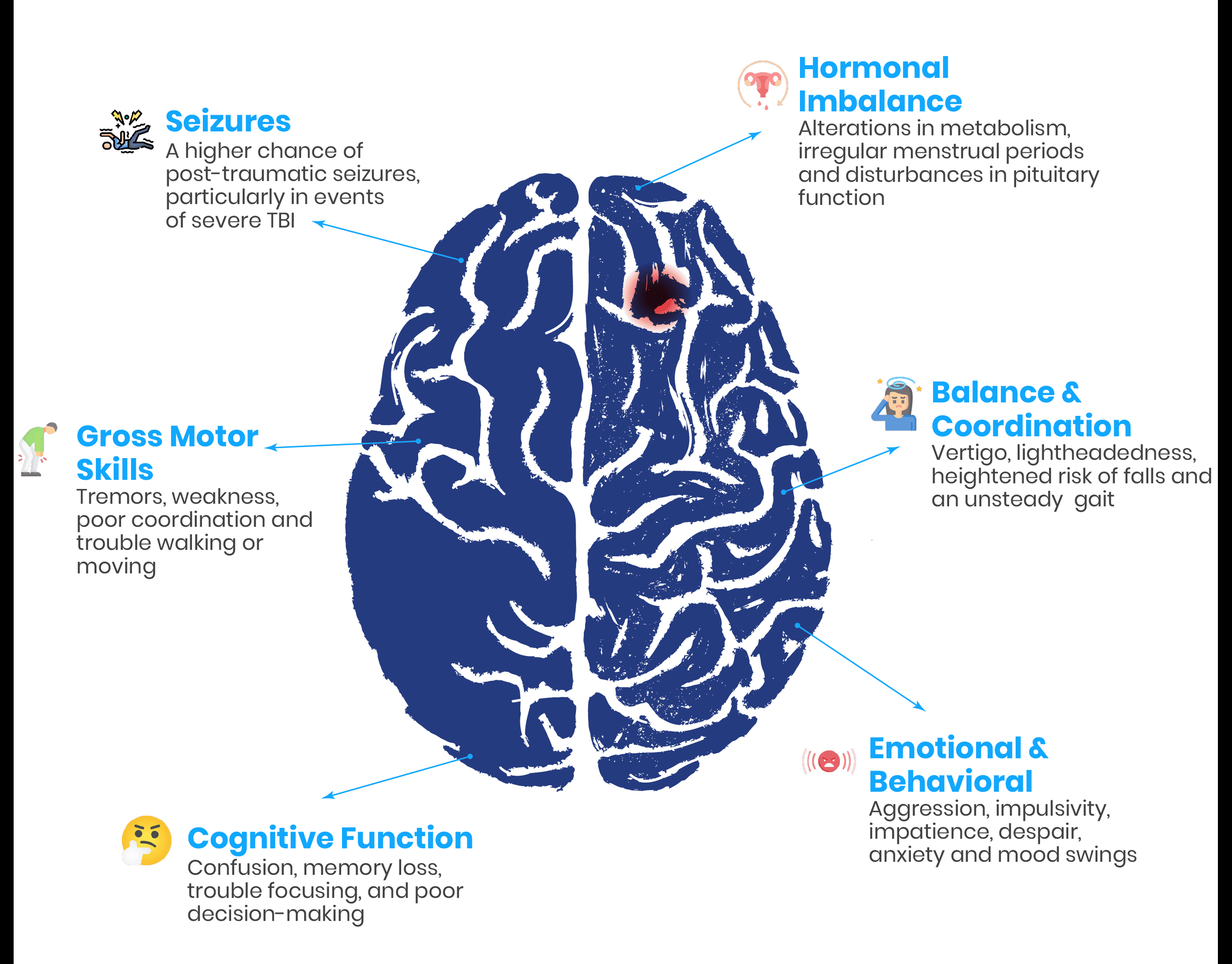
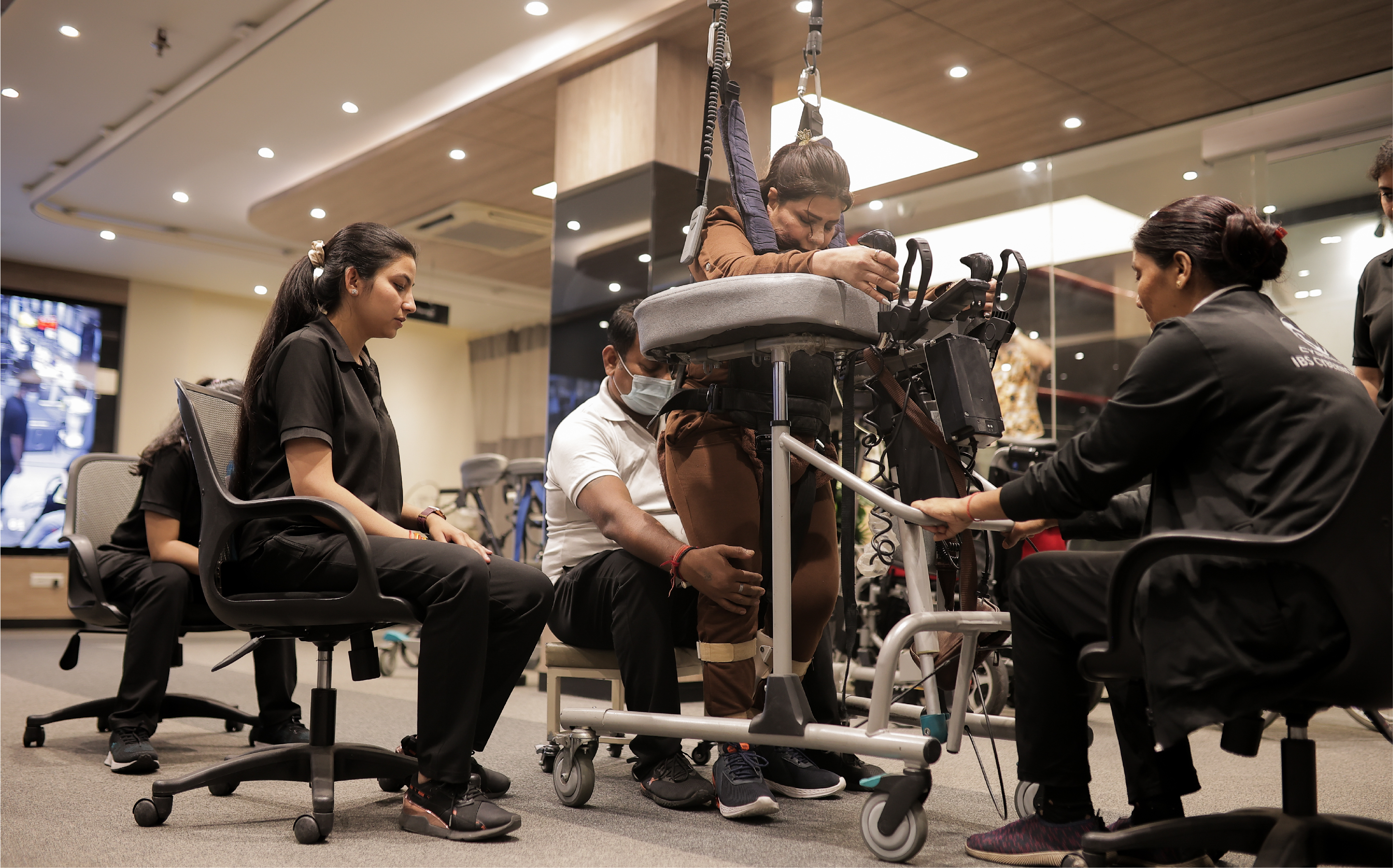
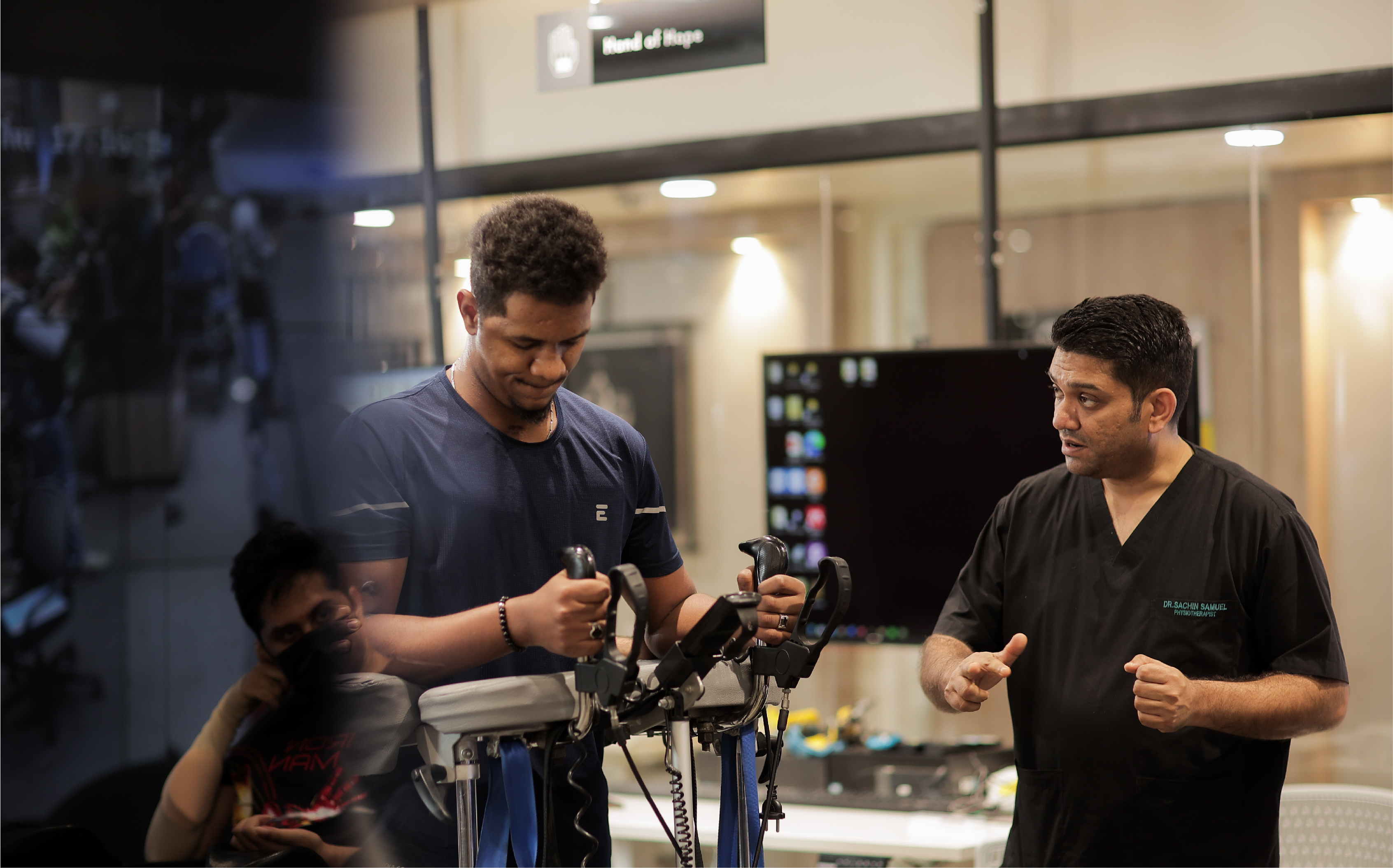
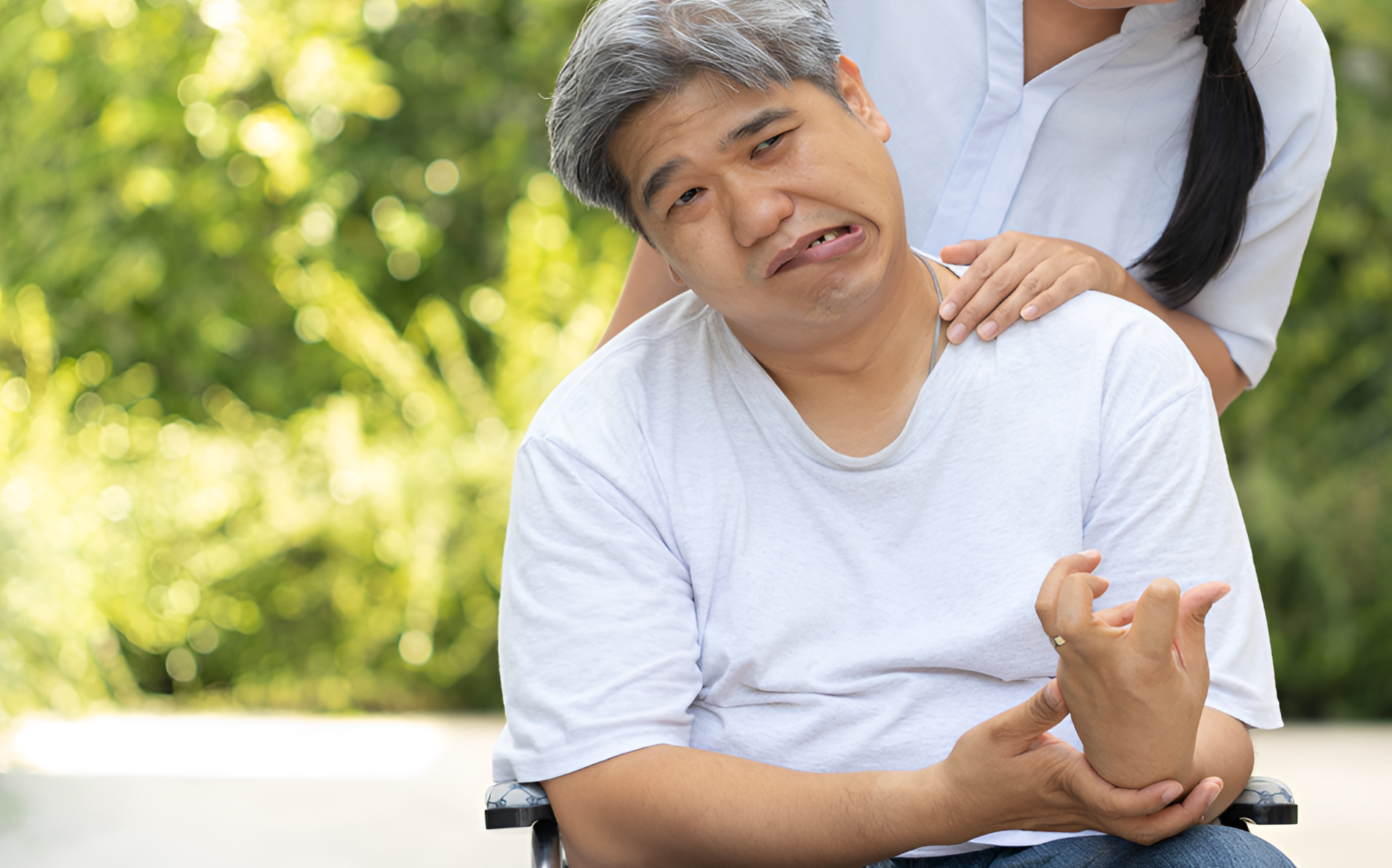
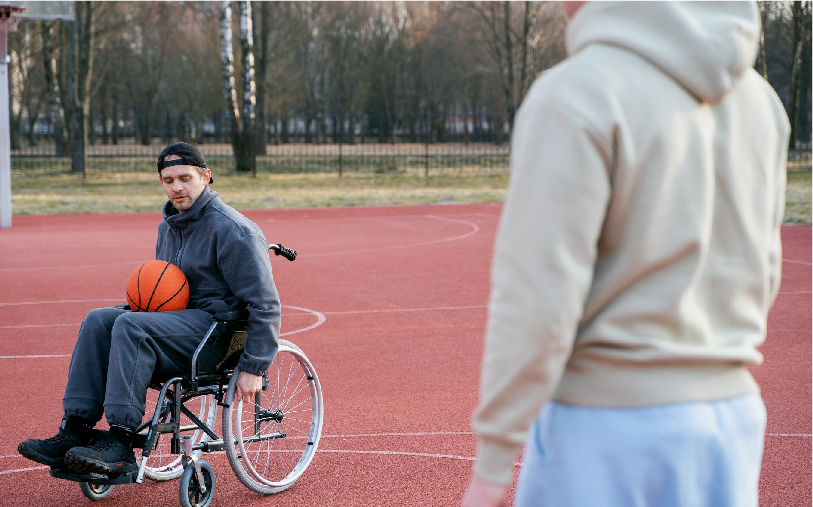
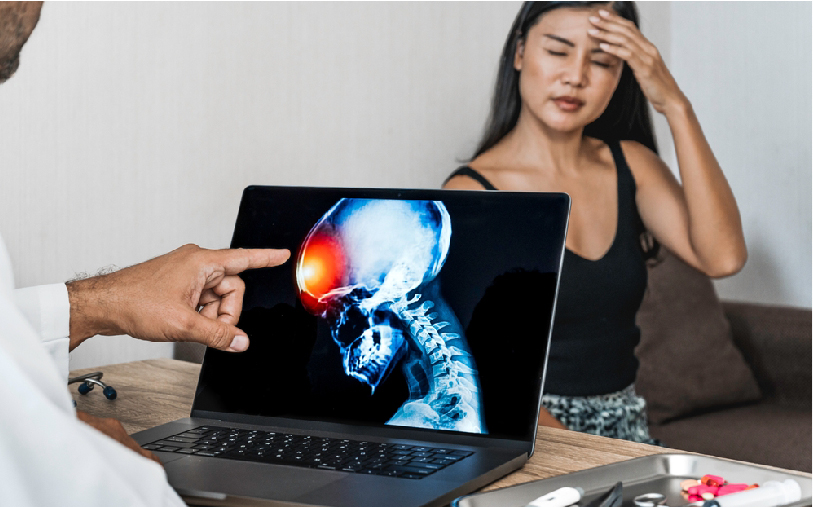
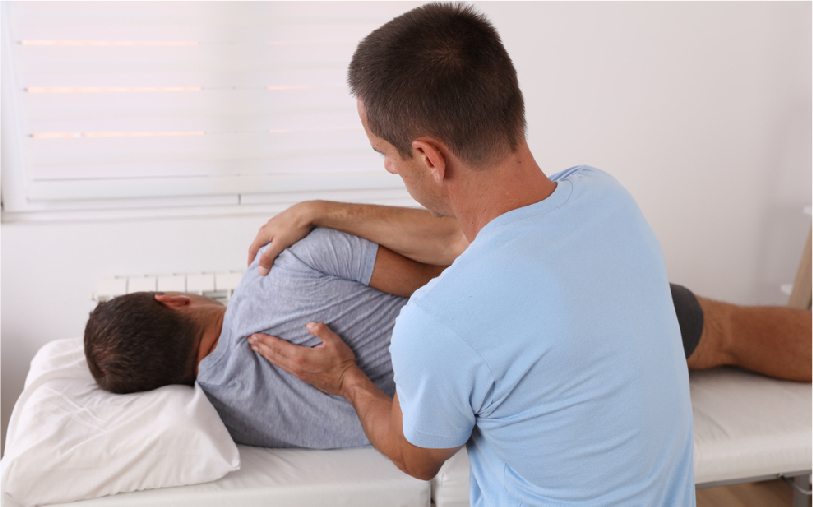
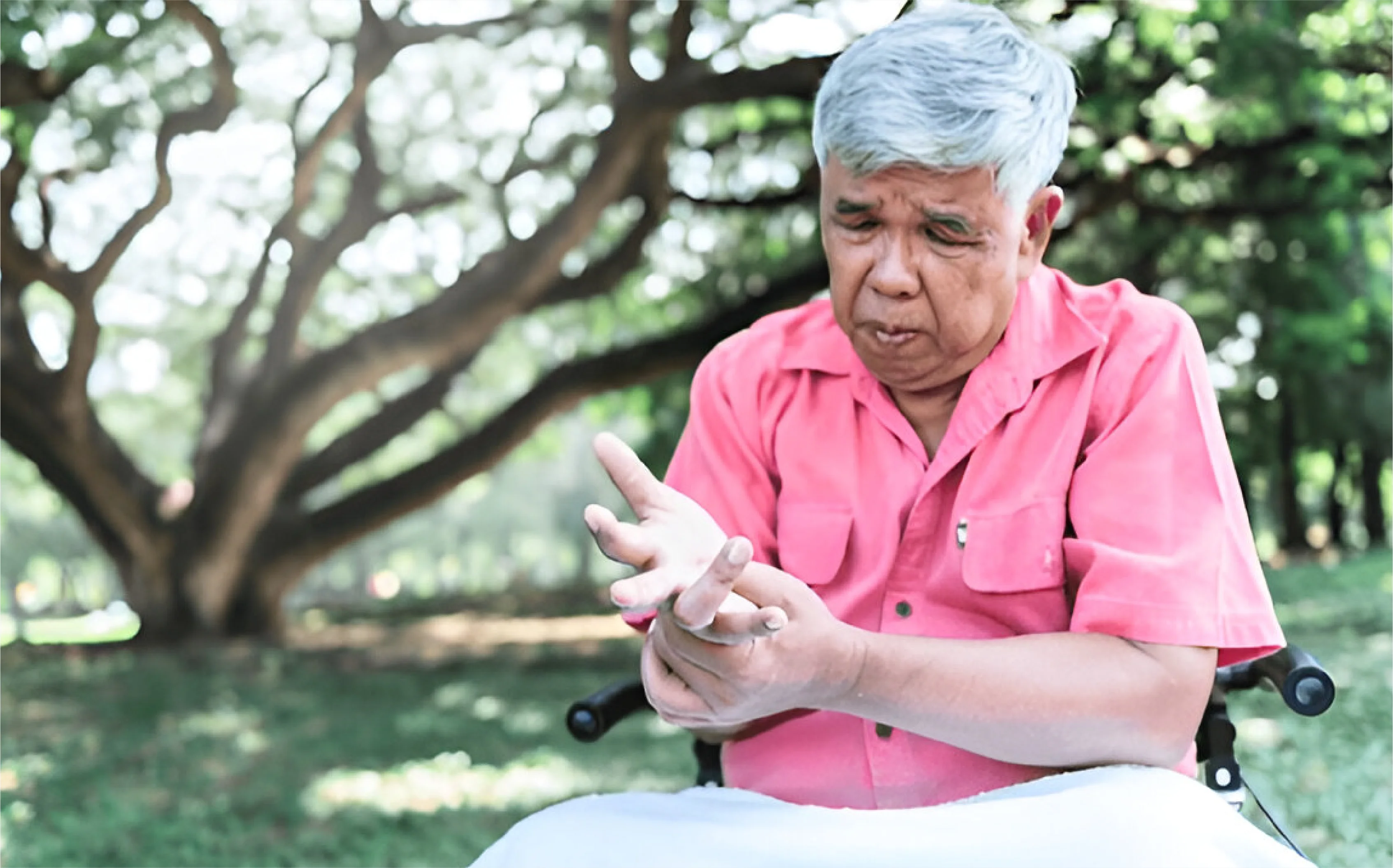
People with traumatic brain injuries (TBI) could benefit from multiple care pathways and therapies while recovering from the physical, cognitive, emotional, and behavioural impacts of TBI. Some people require lifetime care, while others may benefit from rehabilitation programs for limited duration with periodic follow up check ups. Evidence suggests many patients with moderate to severe TBI benefit from dedicated comprehensive interdisciplinary rehabilitation care for maximal recovery.
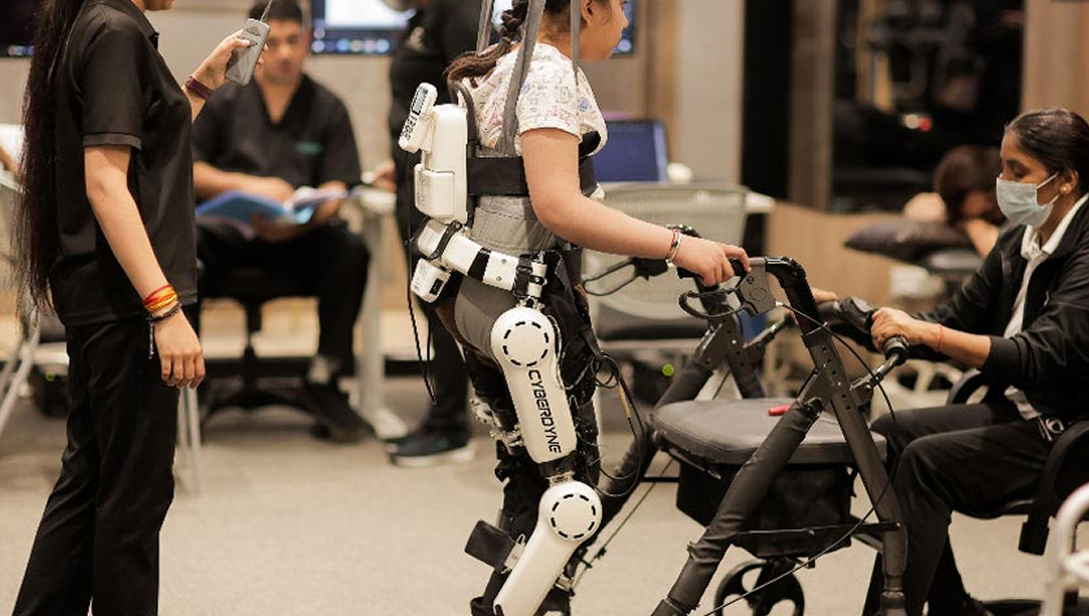
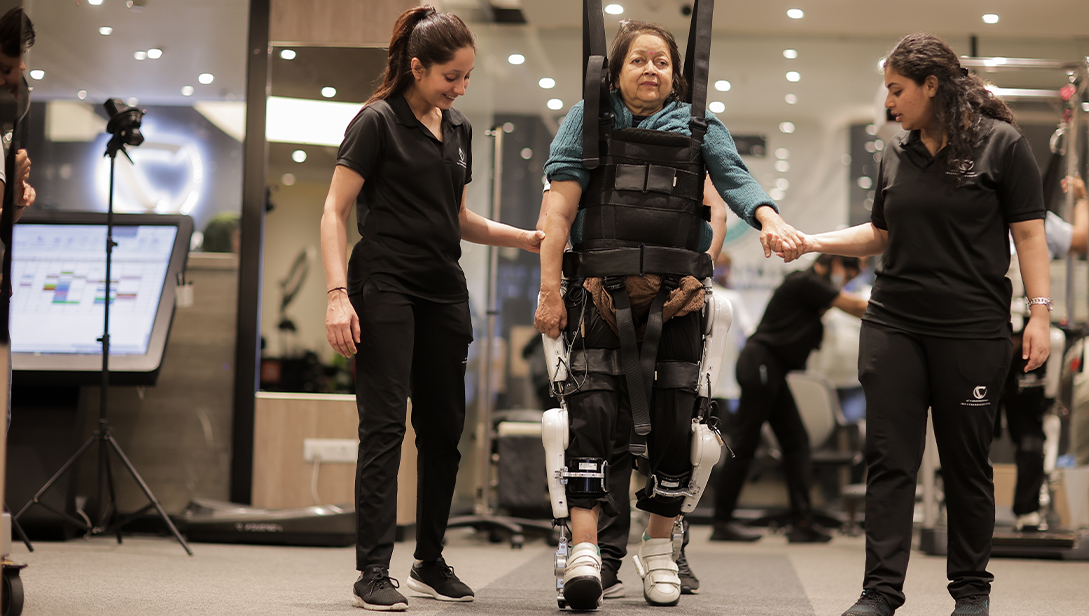
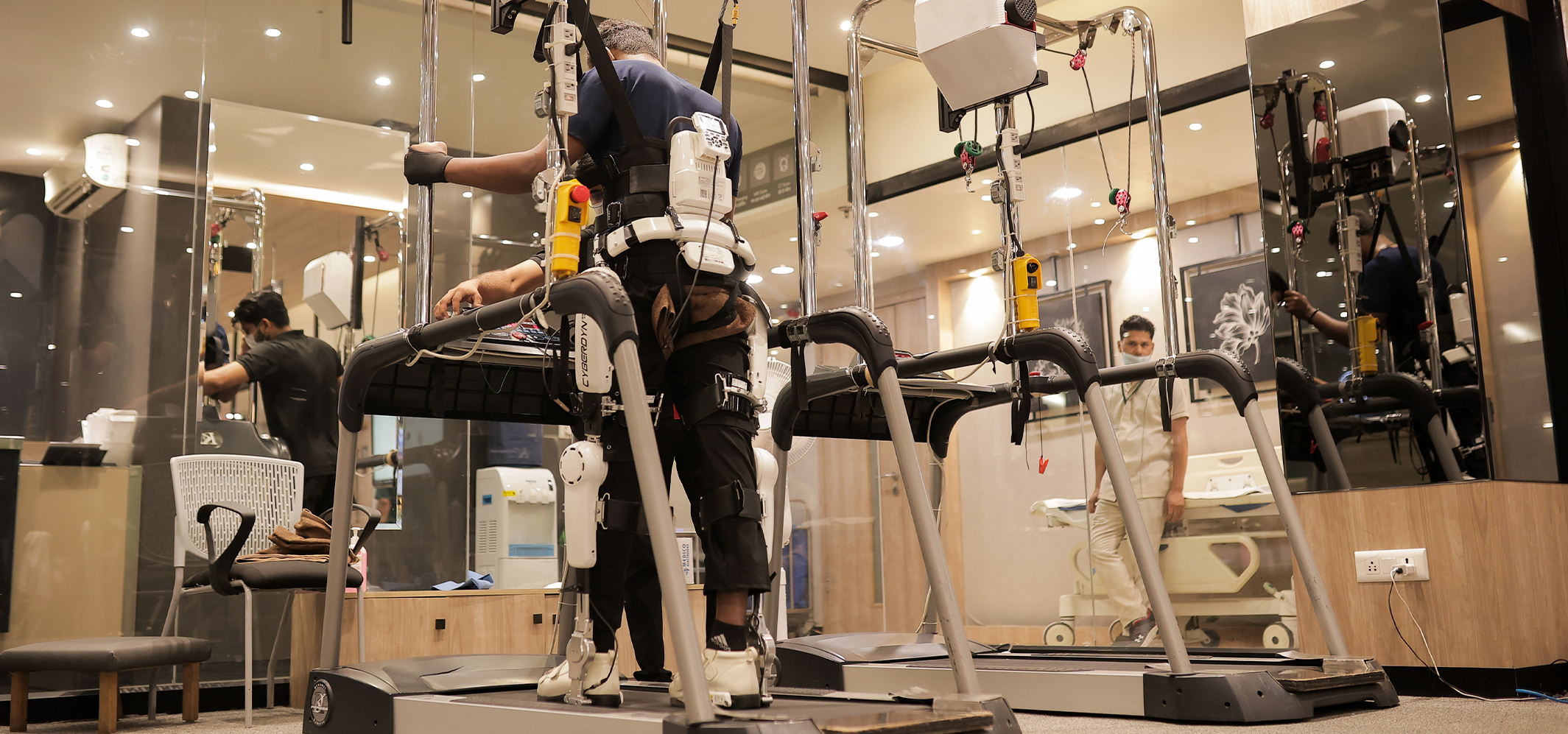
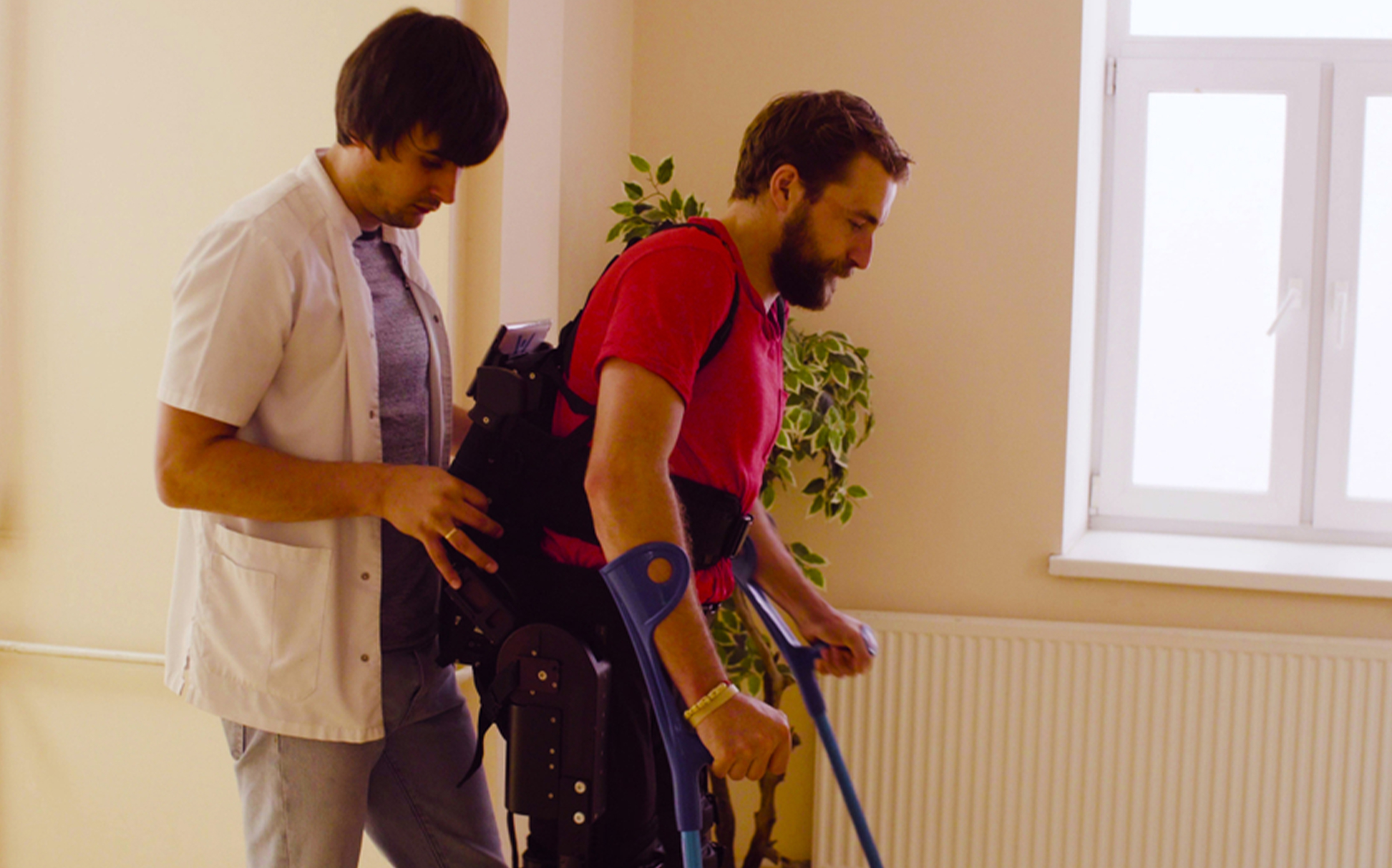
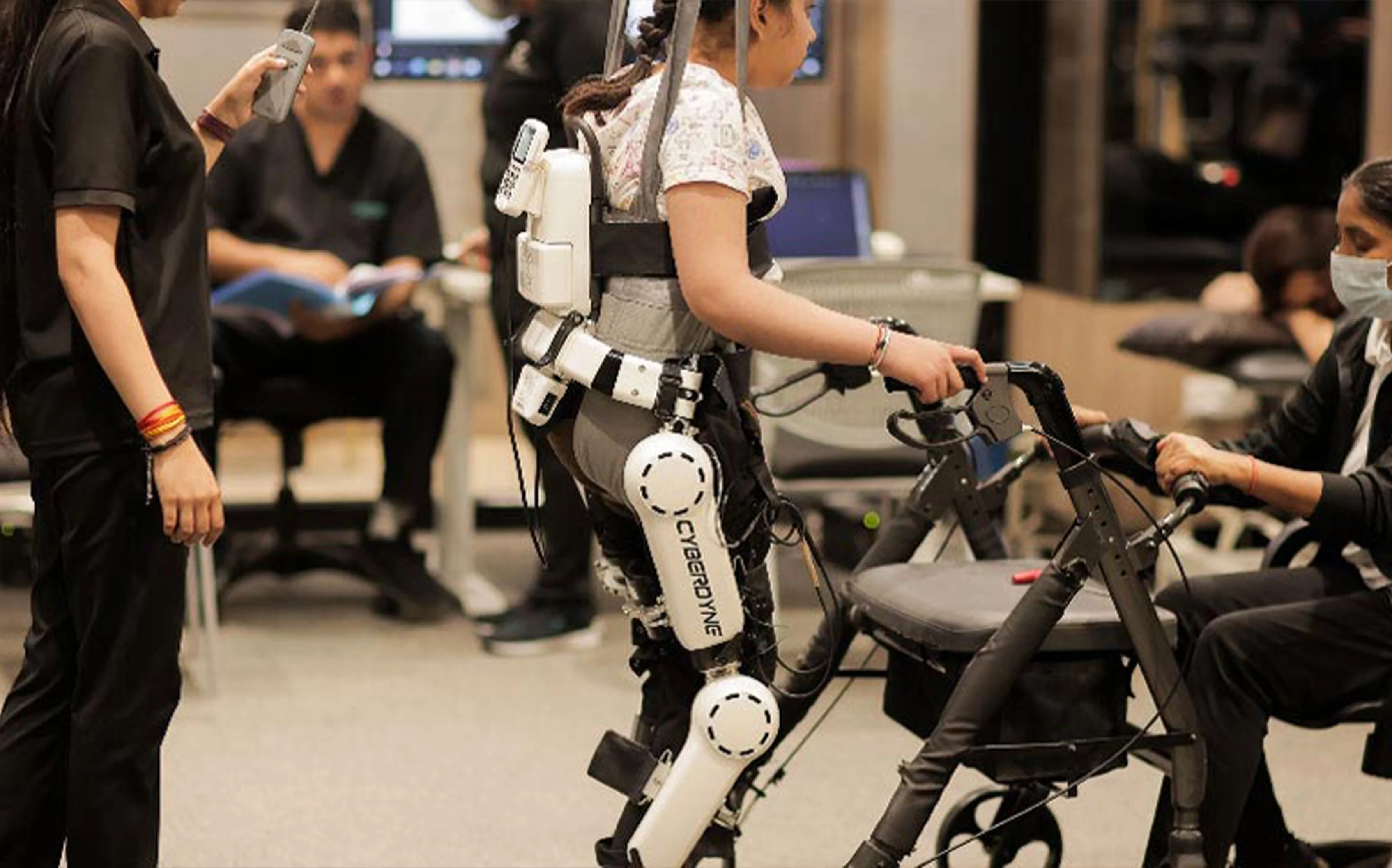
It supports and enhances human mobility and strength. It uses special technology to pick up muscle signals from the wearer and boost their strength and movement.
Trunk control and sitting balance training.
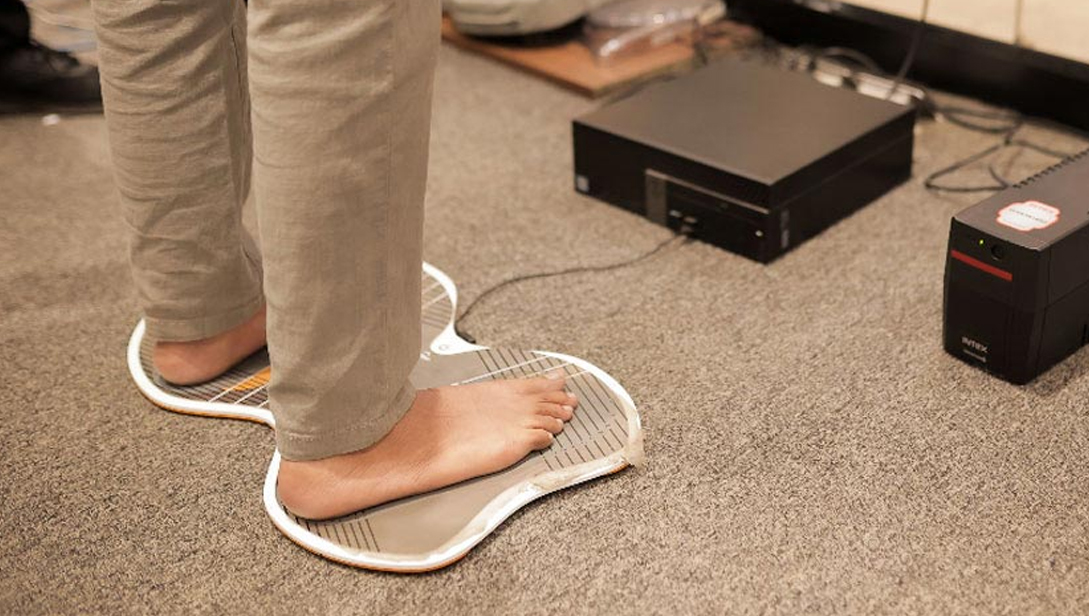
It is a versatile rehabilitation platform that focuses on balance and coordination training. Its interactive system provides real-time feedback, allowing therapists to design customised exercises.
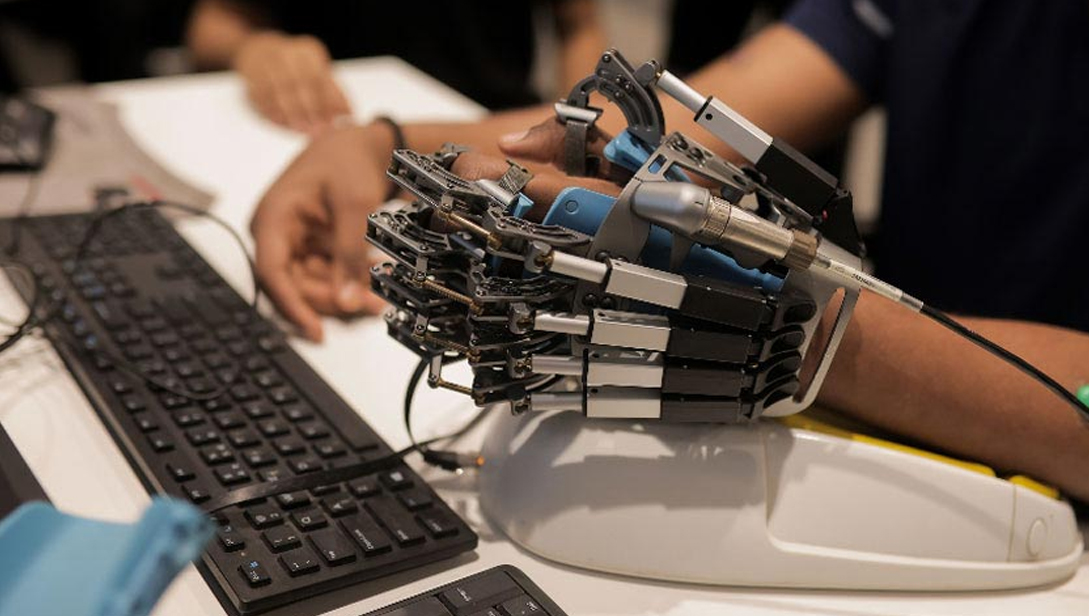
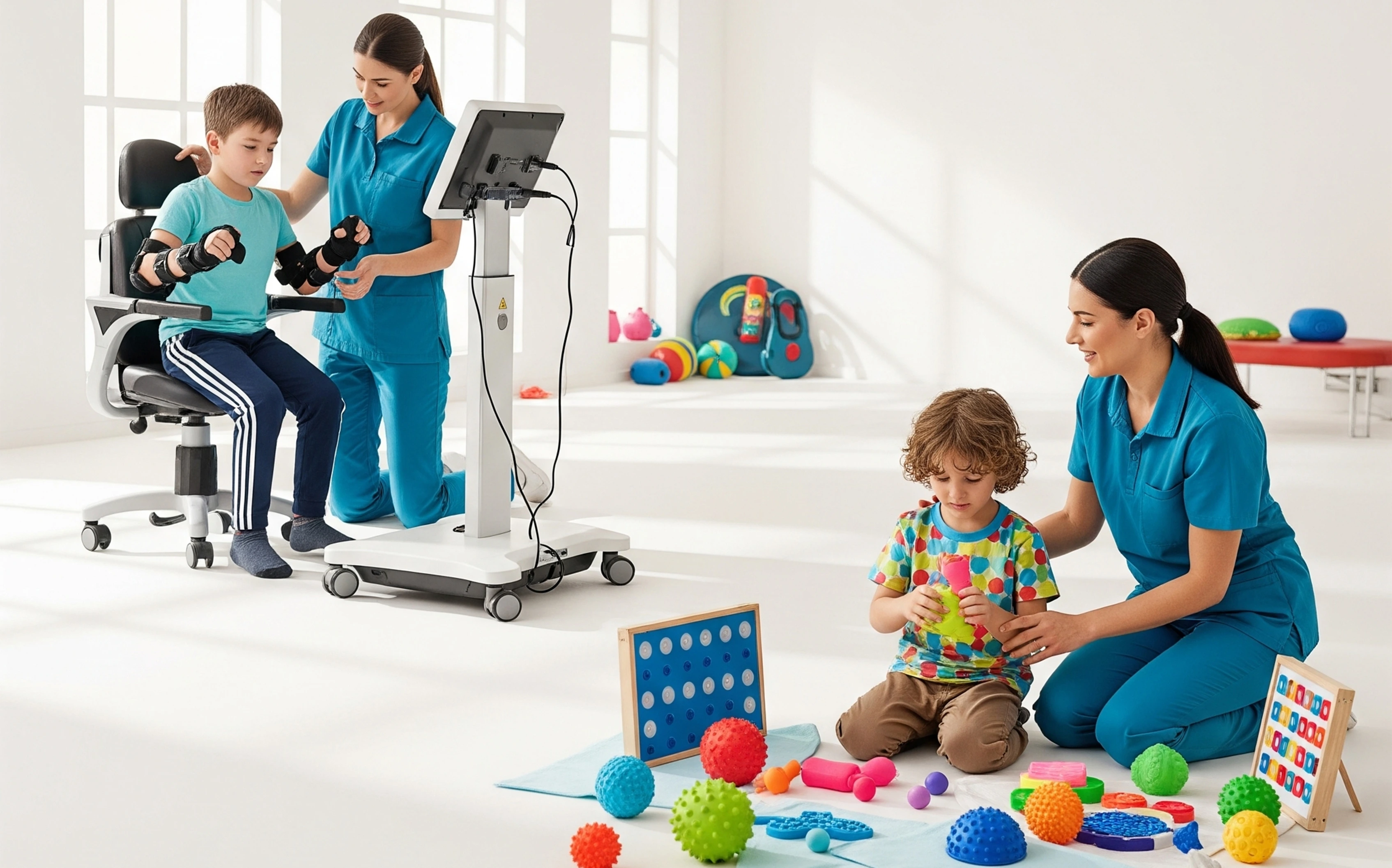
It uses sensors to detect muscle signals and assists patients in opening and closing their hands. This helps in strengthening muscles and improving coordination.
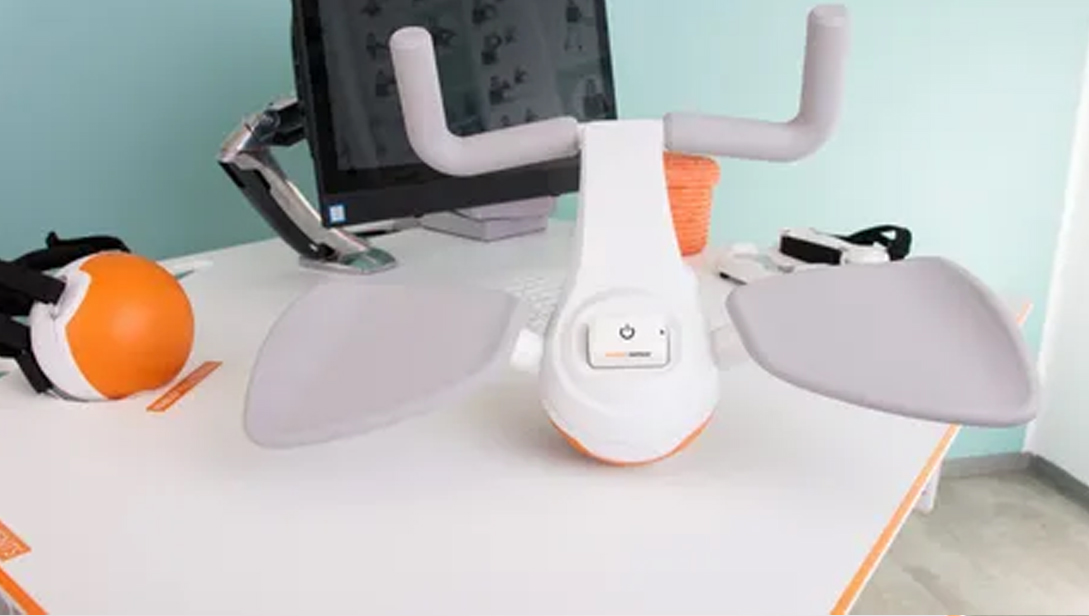
It is a comprehensive tool for rehabilitation, combining sensors and software to assess and train various motor functions.
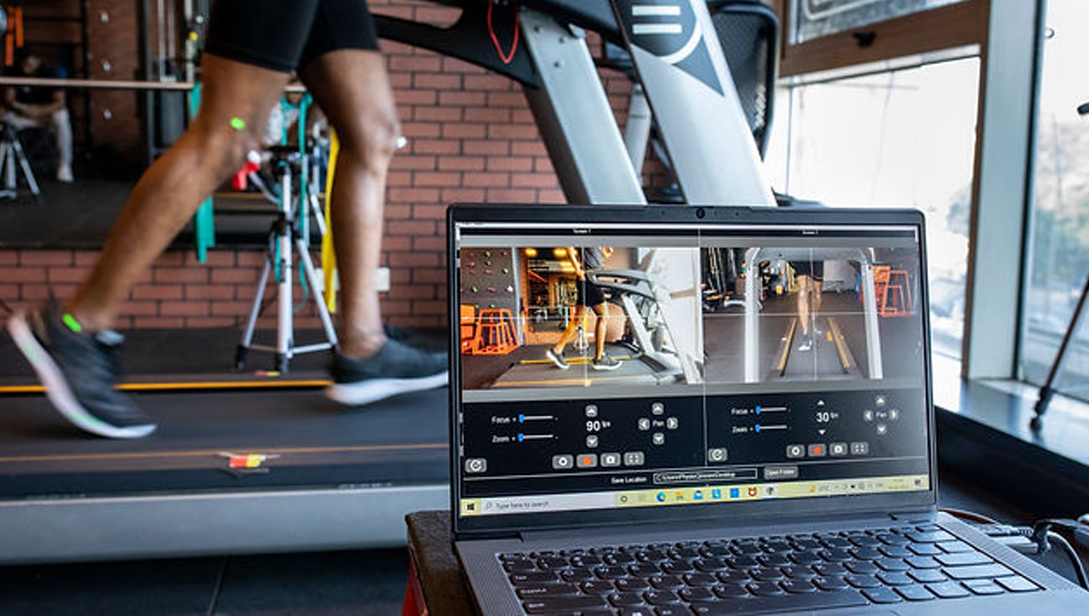
It includes advanced sensors and analysis software to assess and enhance walking patterns. By providing detailed biomechanical data, it helps in designing customized rehabilitation programs.
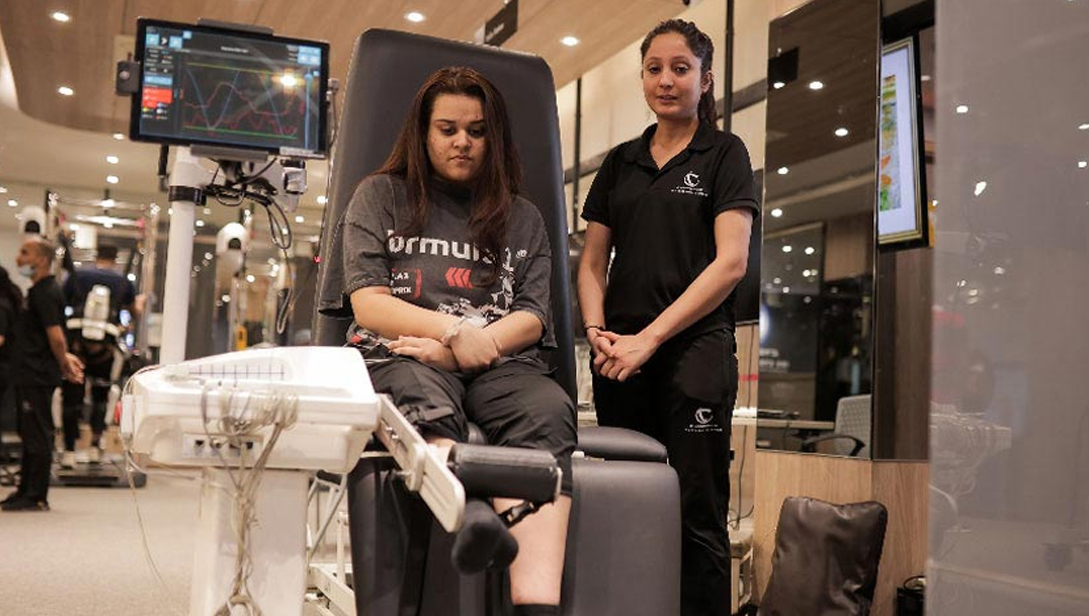
It provides detailed assessments of muscle and nerve function through electromyography (EMG).
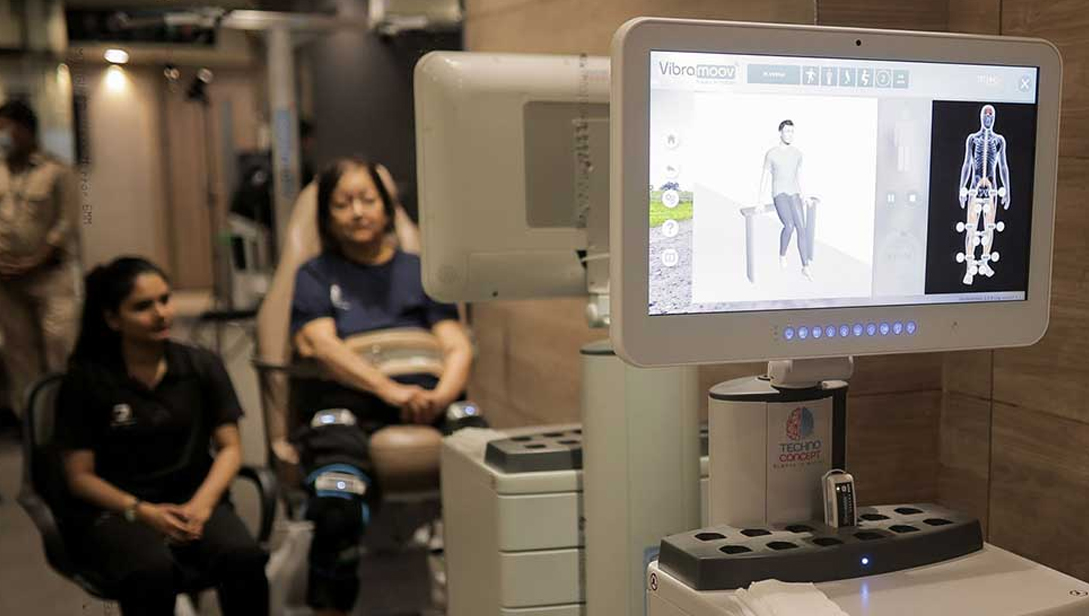
It involves functional stimulation to mimic natural movement patterns to enhance mobility and independence.
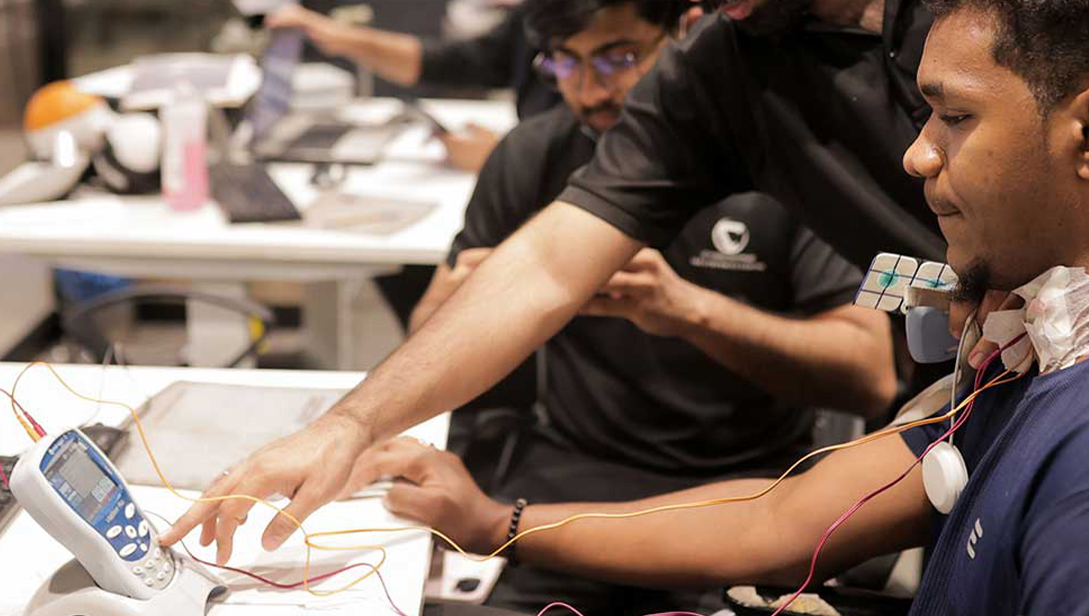
It is a specialized treatment for dysphagia, or swallowing difficulties, combining electrical stimulation with swallowing exercises.
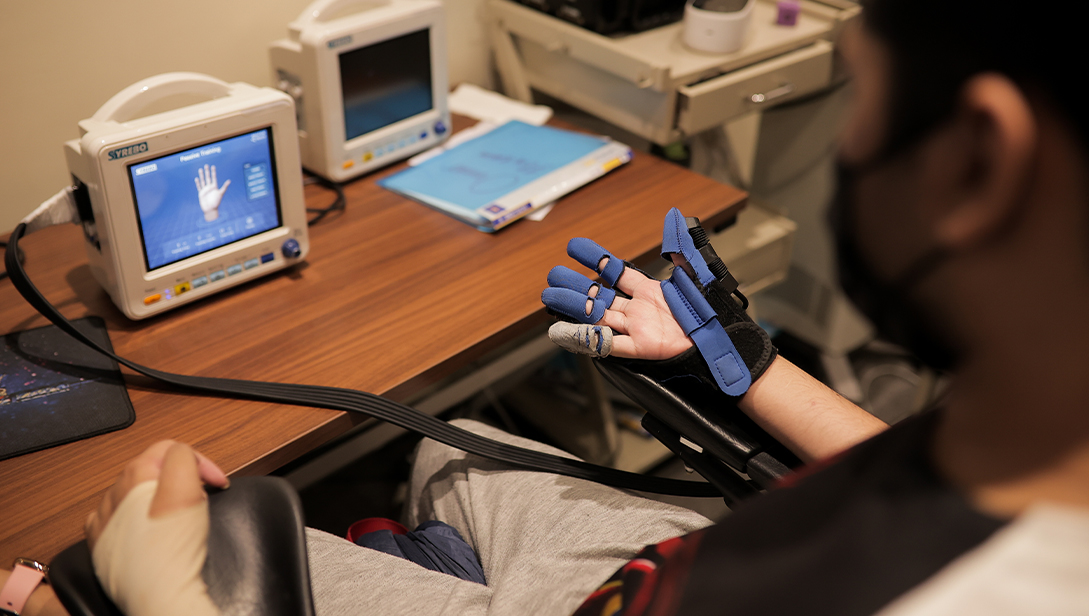
Hand function training.
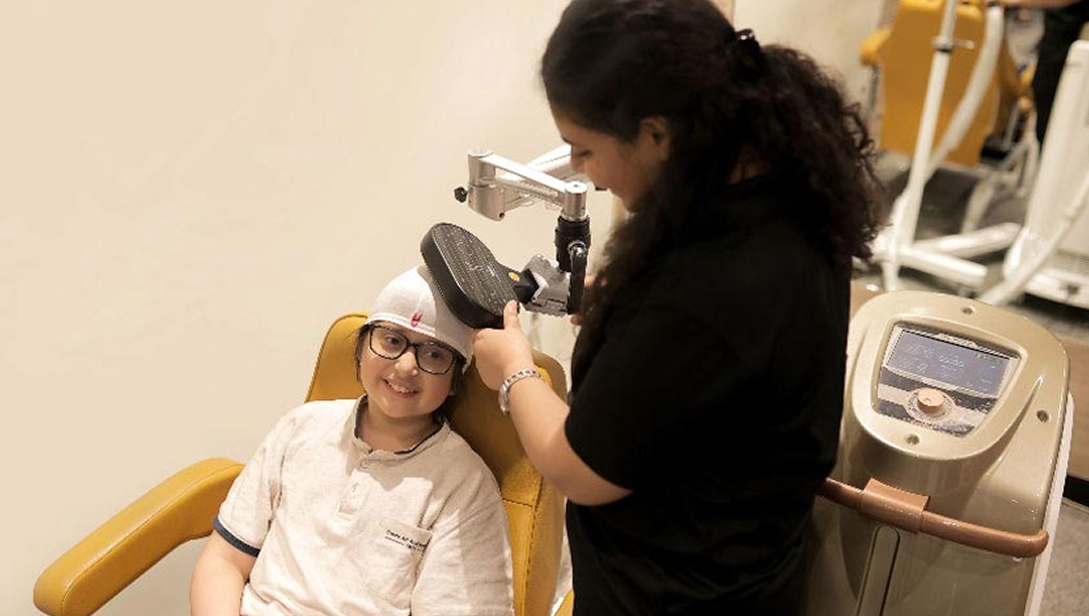
Precise brain stimulation using network mapping.
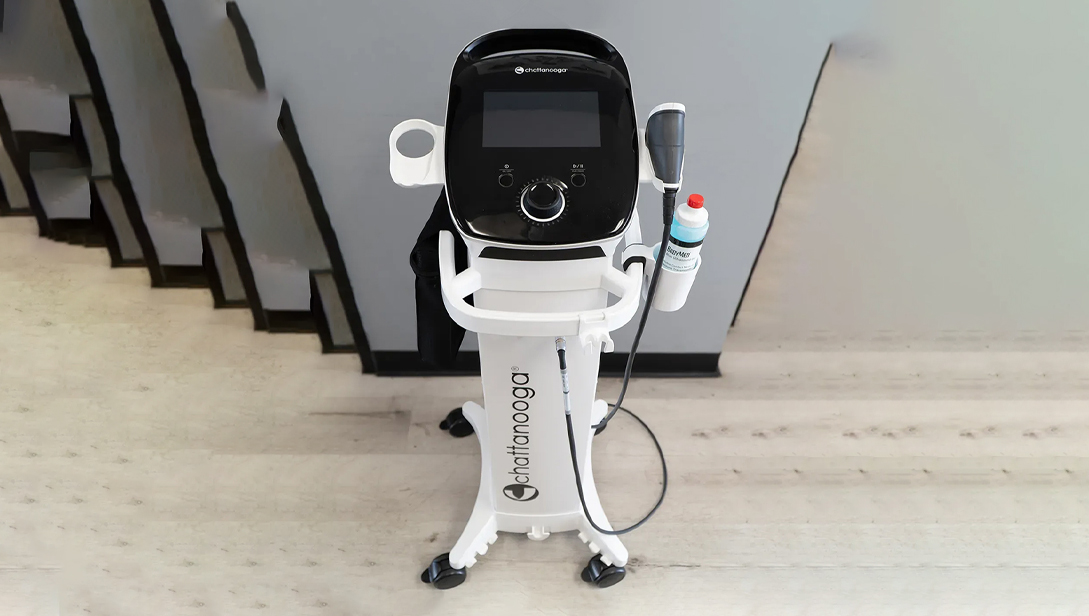
Pain relief and neuromuscular electrical stimulation.
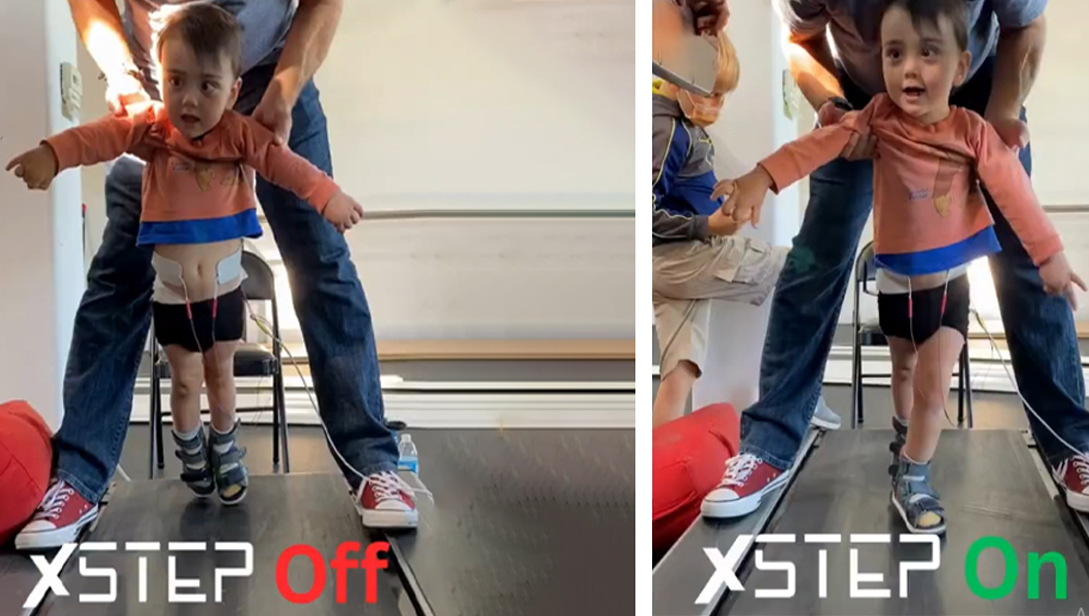
Step is a non-invasive spinal cord stimulation technology that strengthens communication between the brain and spine.


Begins immediately following injury.
Goal: restoration of activities of daily living skills.
For patients prepared to receive intense therapy.
Goal: regain independence.
For patients needing extended, low-level therapy.
Follow-up rehab after other stages to reinforce and develop further progress.
 View
video testimonial
View
video testimonial
 View
video testimonial
View
video testimonial
 View
video testimonial
View
video testimonial
 View
video testimonial
View
video testimonial
 New
Delhi: +91 9035030623
New
Delhi: +91 9035030623
 Hyderabad: +91 9035030623
 Bengaluru: +91 9035030623
 Malaysia: +606 235 4000
 Muscat:
+968 22 496007
Muscat:
+968 22 496007
Walk Again is growing its reach throughout Southeast Asia, bringing advanced neuro-recovery services to more patients. Also opened in Oman.
Contact UsRest is the main key right after a Brain injury, followed by early, guided neurotherapy and quality sleep to help the brain heal efficiently.
Recovery from a Traumatic Brain injury varies widely but most progress happens within 3 to 6 months. And some improvements continue for years.
Quality sleep aids brain healing by clearing toxins and supporting cell repair. On the contrary, poor sleep can hamper the recovery process and worsen symptoms.
 Causes, Symptoms, And Treatment Options In Hyderabad.webp)
.webp)