

Have questions or interested in our premium window solutions? Reach out to us—we're here to help!
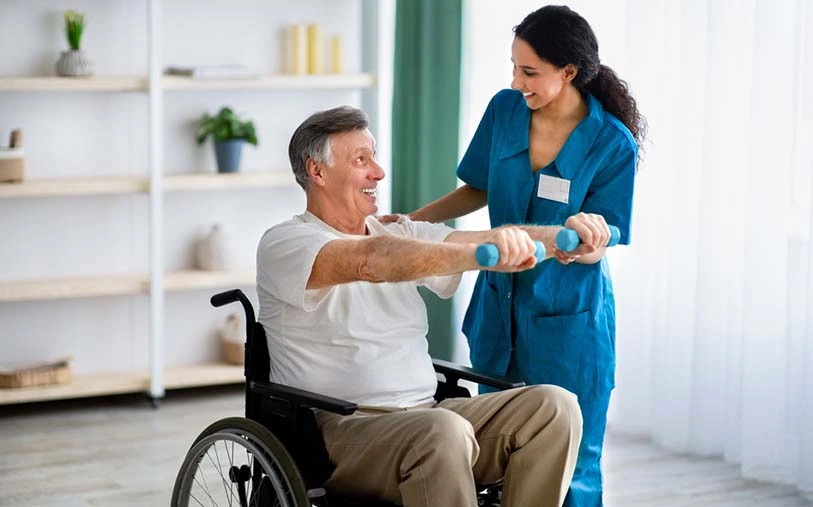
If you have experienced a spinal cord injury, you may find assistive technology (AT) or adaptive equipment useful as you return home and to the workplace.
The human brain has a remarkable capacity for healing, primarily through two key processes: Neuroplasticity and Neuroregeneration. Therefore, it is crucial to begin rehabilitation as soon as possible following a stroke. In order to restore lost capabilities and promote the re-establishment of brain connections, early rehabilitative therapies take advantage of this potential. This method improves the efficacy of rehabilitation initiatives while also accelerating recovery.
Through the development and repair of neural tissues, neuroregeneration enables the brain to make up for damaged areas by creating new connections. It has been demonstrated that using early rehabilitation techniques that promote neuroplasticity and neuroregeneration improves motor and cognitive recovery. Many innovative approaches have shown potential in stimulating neuronal reconfiguration and enhancing functional outcomes. These are Cyberdyne Hybrid Assistive Limb (HAL), Spinal Cord Stimulation, Brain-Computer Interface (BCI), Connectomics-Guided rTMS, and many more. Let’s have a look at expert tips and effective therapies for optimised stroke recovery outcomes.
Following are the tips to understand the stroke recovery better and enhance the rehabilitation outcomes:
Did you know that following an injury such as a stroke, the brain has inbuilt capability to repair itself? This is due to neuroplasticity, which is the process by which your brain rewires itself to form new neural pathways. The idea of neuroplasticity is perhaps the most crucial to stroke recovery. It all comes down to this well-known saying: "neurons that fire together, wire together." Regular practice of these abilities induces synapses to "fire," improving the connections between various neurons in your brain.
Read Also: What are the Early Symptoms of Stroke?
Experiential learning drives neuroplasticity. Your brain will try harder to become more proficient at a skill the more you practice it and gather experience. Clinically, massed practice is the term used to describe increased practice. One of the most important components of stroke healing is regular rehabilitation exercise. For example, your leg mobility will increase as a result of practicing leg exercises regularly. Massed practice should be guided by a therapist to avoid fatigue or improper technique.
Read Also: Best Hospital For Stroke Treatment In Bangalore
By concentrating on healthy eating, you can accelerate your body's and brain's recovery from the aftereffects of a stroke. Whole foods, such as whole grains, nuts, and vegetables, are among the healthiest foods for stroke rehabilitation. Limiting consumption of sugar and saturated fat may also be beneficial since these foods can negatively affect brain adaptability and recovery. Additionally, make sure your food is high in B-vitamins, omega-3s, and antioxidants for neural repair to aid in the healing from a stroke. Before taking any additional vitamins or supplements, speak with your doctor if your diet isn't providing enough of these vitamins.
Read Also: Effective Strategies for Stroke Recovery: A Guide For Bangalore Residents
Learned nonuse is a condition that is sometimes referred to as "use it or lose it" during stroke rehabilitation. Your brain eventually forgets how to utilize the damaged leg or limbs when you cease using them entirely. When a limb is not used regularly, the brain deprioritizes its function, reinforcing disuse and making recovery harder. Learnt nonuse results from continuous neglect. Any movement is therefore helpful while recovering. Even passive movement, which involves helping your limbs move, can aid people with post-stroke paralysis by stimulating their brains and preventing learned nonuse.
Read Also: Stroke Recovery Exercises From A Rehabilitation Center In Hyderabad
Spasticity is characterized by tense, rigid muscles brought on by a brain-to-muscle communication breakdown. Your muscles may not always get the accurate messages from your brain when it has been damaged due to disorders like stroke. Because your brain cannot instruct your muscles to rest when they should, they become overactive and stiff. Spasticity lessens as a result of the brain's capacity to rewire itself that occurs when you consistently exercise using the impacted muscles. Because the brain requires a significant amount of stimulus to rewire itself, this can only be accomplished by regular movements.
Read Also: Stroke Rehab: Understanding Its Importance
Getting enough sleep is another suggestion for optimised stroke recovery. There are several reasons why the recovering brain needs sleep. Sound sleep aids in the recovery of mobility following a stroke. In addition to your regular rehabilitation activities, make sure you get enough sleep if you want to increase your mobility.
Read Also: What are the Early Symptoms of Stroke?
Ankle foot orthotics (AFOs) can increase your safety and facilitate walking if you have foot drop. The right use of an AFO for you can be determined by your physical therapist. It's critical to understand that an AFO is not a rehabilitation tool; rather, it is a balancing technique in stroke recovery. While AFOs improve safety and mobility, they don't address the root cause. Regular foot drop exercises help retrain the brain and strengthen ankle movement. You must frequently exercise your foot to minimize foot drop and gradually wean yourself off of the necessity for an AFO. Ankle strength may be increased and the brain can be rewired with regular foot drop exercises. While AFOs improve safety and mobility, they don't address the root cause.
The nocebo effect is when negative expectations lead to actual negative outcomes. Believing that recovery is impossible can hinder progress—even when the body is capable of healing. A case of the nocebo effect would be if someone said that a particular medication would cause you to get the flu, but you ended up getting it despite the fact that it was only a sugar pill. In many stroke survivor stories, individuals are pushed to their boundaries and accomplish previously unthinkable goals. These survivors would not be in the position they are today if they had let the nocebo effect prevent them from seeking rehabilitation.
At Walk Again, we combine cutting-edge robotic neurorehabilitation with personalized therapy programs. Our early intervention approach leverages the brain’s neuroplasticity and neuroregeneration potential, supporting the recovery of physical and cognitive functions through targeted therapy.
Stroke recovery is a gradual journey that requires consistency, expert guidance, and a positive mindset. With personalized care and the right therapeutic approach, significant improvements are possible at any stage of recovery.
Assistive walking technology is no longer a vision for the future—it's a life-changing reality for thousands of people. From best mobility aids for leg injury to robotic exoskeleton for walking after injury, these technologies are restoring independence and dignity.
With the growth in technology to help paralyzed walk again, the future of paralyzed individuals is brighter, with faster recovery, improved rehabilitation, and a new hope.

Stay up to date with the latest news and promotions!