

Have questions or interested in our premium window solutions? Reach out to us—we're here to help!
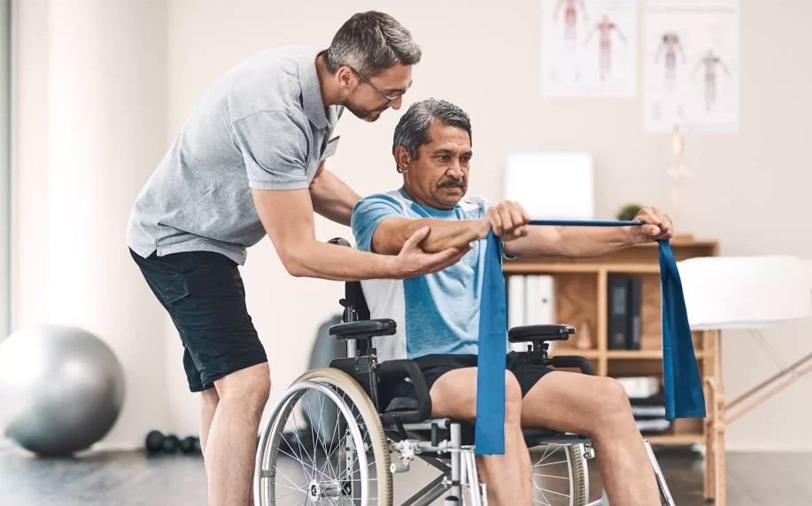
If you have experienced a spinal cord injury, you may find assistive technology (AT) or adaptive equipment useful as you return home and to the workplace.
Spinal Cord Injury is a disabling health issue that can profoundly affect an individual’s life. It happens due to Spinal Cord damage. Spinal Cord is the main nerve channel connecting the brain to the rest of the body. This injury can lead to paralysis, loss of sensation in various parts of the body. It may also affect various body functions, thereby impacting daily activities.
The spinal cord is a complex network of nerve fibers that acts as a relay, passing messages from the brain to other parts of the body and vice versa. Therefore, any damage to the spinal cord can result in the loss of certain functions or complete paralysis, depending on the extent of the injury. The type of impairment depends on the specific location and severity of the damage.
Accidents are the primary cause of spinal cord injuries, mostly resulting from car crashes, falls, and sports. Injuries can also occur from firearm-related incidents or sharp objects like knives. Additionally, diseases such as tumors or infections can also result in spinal cord damage.
The consequences of a spinal cord injury can be diverse. These injuries can impact mobility, functioning of intestinal and urinary systems, the respiratory system, and sensory functions. These effects can significantly impact independence, self-esteem, and overall quality of life of the patient.
Spinal cord injury symptoms vary depending on the extent and location of the injury. Common symptoms include:
Immediate Symptoms
Long-term Symptoms
The long-term effects of spinal cord injury are unpredictable and may vary from individual to individual. Common long-term symptoms include:
Physiotherapy is a very important part of rehabilitation of individuals suffering from spinal cord injuries. It focuses on enabling patients to regain movement, functionality, and independence. Physiotherapy services involve assessing the patient and developing a tailored treatment plan based on their disabilities, needs, and strengths.
This includes addressing emotional and psychological issues and educating patients about their new circumstances.
The Path to Recovery
Spinal cord injuries can be serious. The rehabilitation process for such recovery can be long and challenging. Consistent physiotherapy along with the support of other healthcare specialists is crucial for making significant progress and achieving rehabilitation goals. While there is specific treatment for spinal cord injury, advancements in medicine and physiotherapy have greatly improved patient outcomes.
Spinal Cord Injury presents a significant challenge for both patients and healthcare professionals. Physiotherapy plays a critical role in rehabilitation, offering hope for improving the quality of life for those affected. Timely and regular physiotherapy is essential to achieving the best possible level of
functionality.
Understanding the complexities of spinal cord injury and the importance of physiotherapy helps to create the optimal conditions for enhancing independence and self-sufficiency in your life.
Assistive walking technology is no longer a vision for the future—it's a life-changing reality for thousands of people. From best mobility aids for leg injury to robotic exoskeleton for walking after injury, these technologies are restoring independence and dignity.
With the growth in technology to help paralyzed walk again, the future of paralyzed individuals is brighter, with faster recovery, improved rehabilitation, and a new hope.

Stay up to date with the latest news and promotions!